

Blog

All 2026 Toyota Tundra Toyota RAV4 Toyota Tacoma Toyota Camry 2027 Toyota Corolla Toyota Grand Highlander Toyota Hybrids Toyota 4Runner Toyota Corolla Cross Toyota Highlander Toyota Land Cruiser Toyota Sequoia 2028 Toyota bZ Toyota Crown Toyota Prius Toyota Service Toyota Sienna
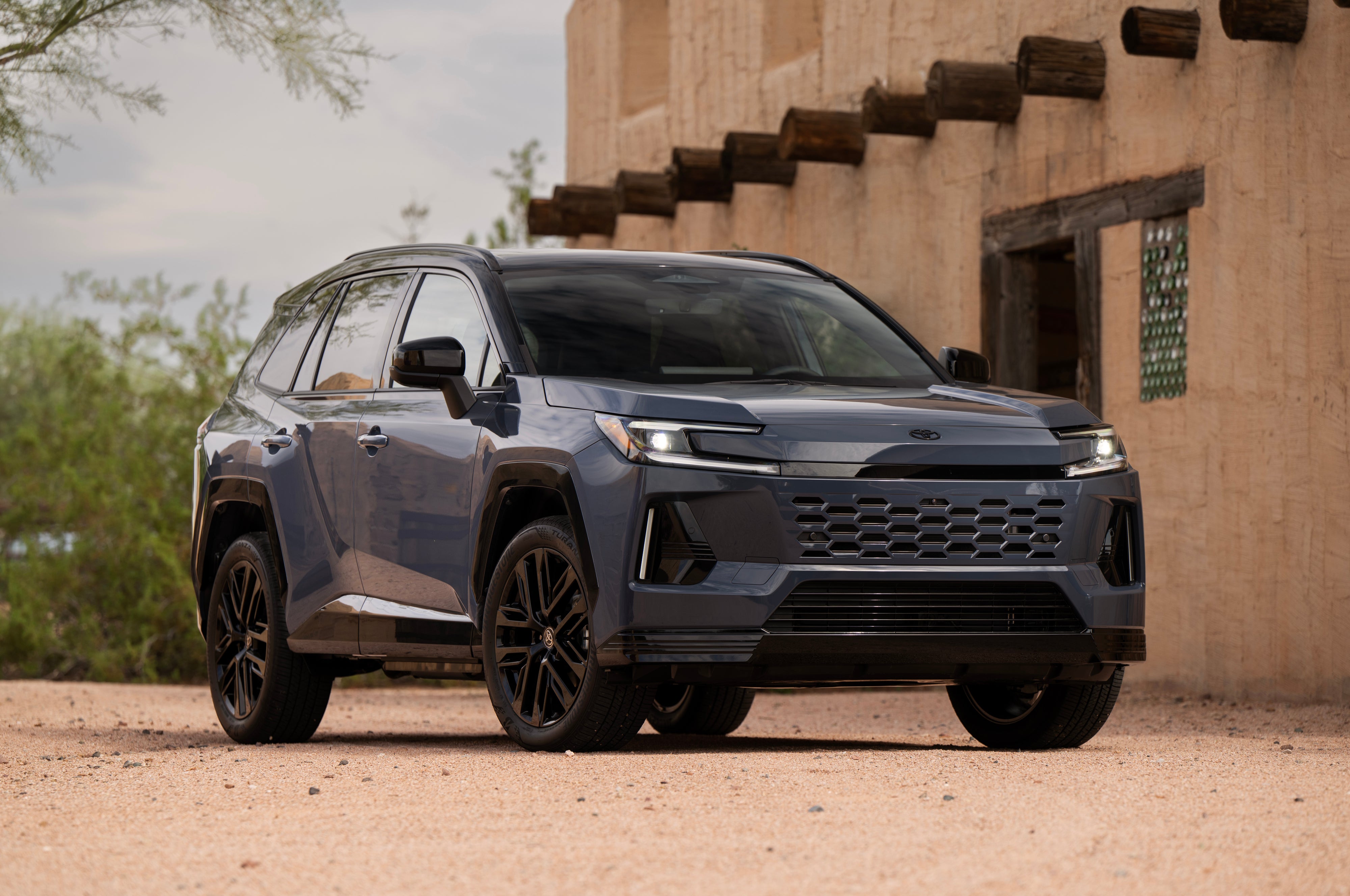
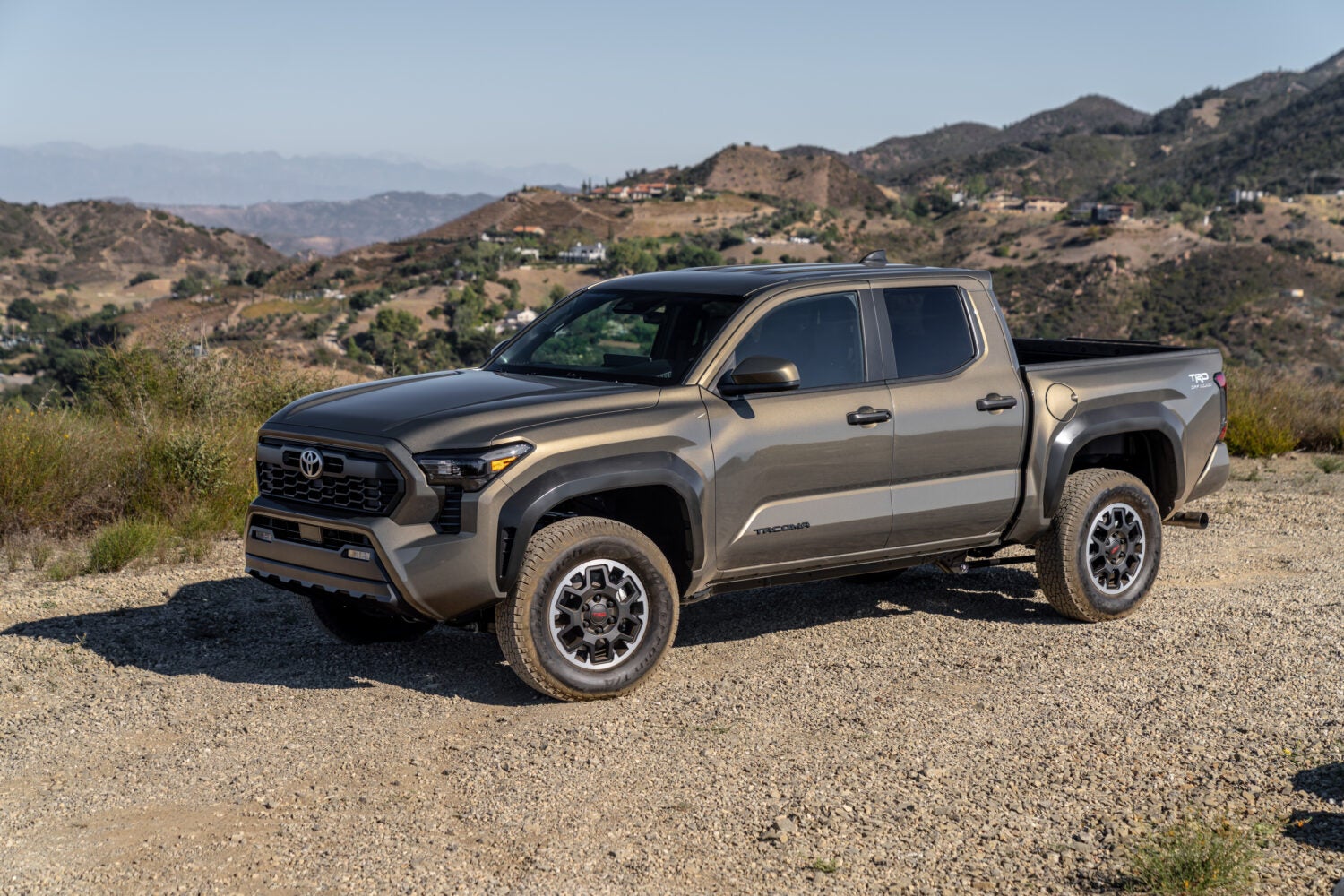
2026 Toyota 4Runner Trailhunter Everest I Force Max Logo

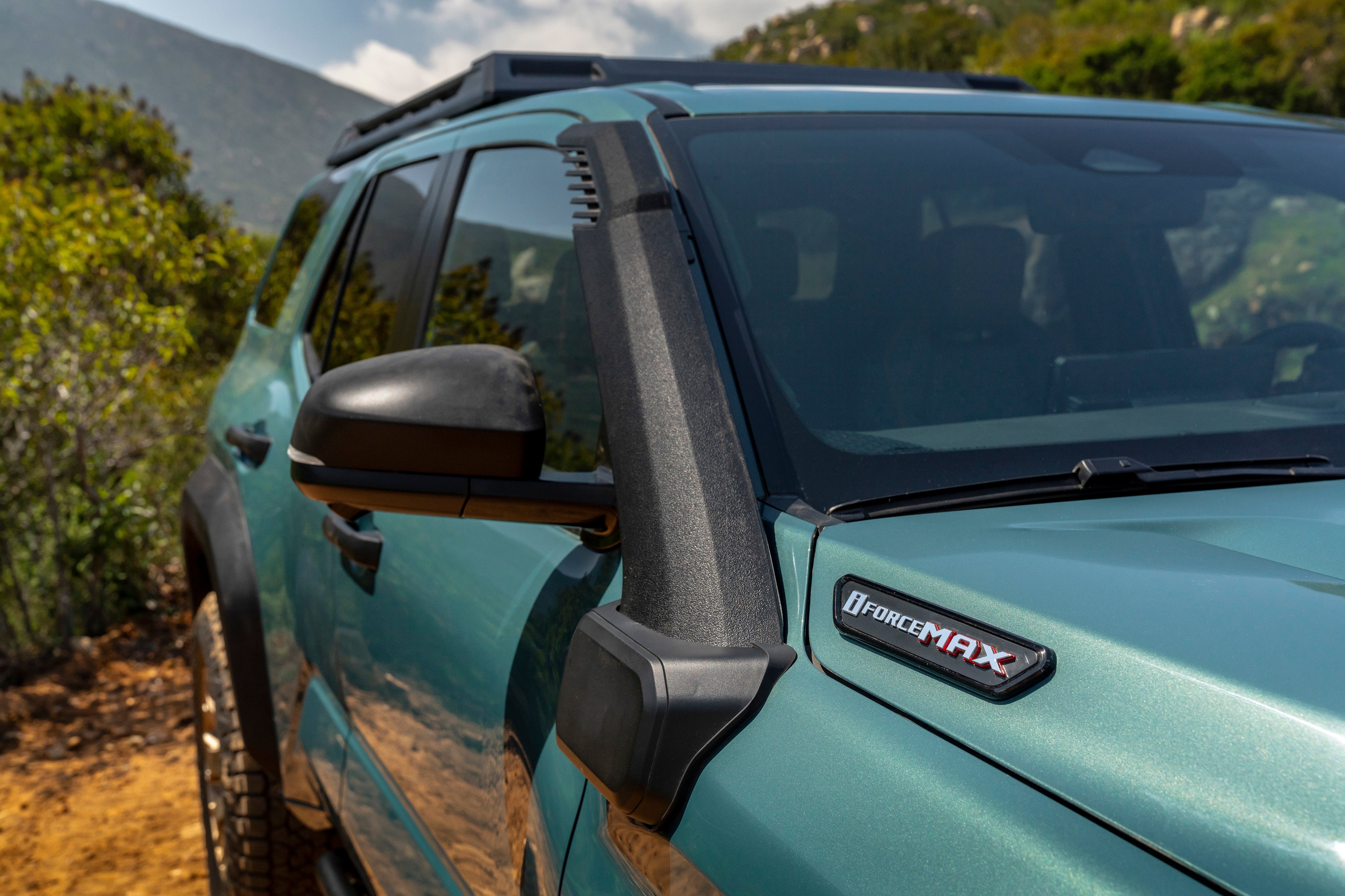
What Is Toyota i-FORCE MAX? How It Works & Which Models Have It

Toyota i-FORCE MAX pairs a turbocharged gasoline engine with an electric motor and appears in some of Toyota's most capable trucks and SUVs. If you drive in Katy or Greater Houston, you may have wondered what it adds over a standard engine. We help shoppers sort that out every day, and you can browse our new vehicles while you read. What is Toyota i-FORCE MAX? The name refers to the entire hybrid powertrain, including the gasoline engine. A turbocharged engine works with an electric motor and a battery to deliver strong torque, which is the twisting force that gets a heavy vehicle moving. Toyota designed it for trucks and SUVs that tow and go off-road. Efficiency is a secondary goal. This is a conventional hybrid, so the battery is replenished by driving, and there's no charging cable to plan around. i-FORCE MAX vs. Standard i-FORCE Standard i-FORCE runs on gasoline alone, while i-FORCE MAX adds an electric motor. Compare equivalent models and model years because neither name describes a single universal engine. The 2026 4Runner clearly shows the contrast. The standard 2.4-liter turbo makes up to 278 hp and 317 lb.-ft. of torque. The i-FORCE MAX version makes up to 326 hp and 465 lb.-ft. of torque. The standard engine carries a slightly higher EPA-estimated highway rating, 26 MPG vs. 24 MPG for i-FORCE MAX. The 2026 Tundra tells a similar story. The standard twin-turbo V6 makes 389 hp and 479 lb.-ft. The 2026 Tundra i-FORCE MAX makes 437 net combined hp at 5,200 rpm and 583 lb.-ft. at 2,400 rpm. That is a system figure for the 2026 model. Standard i-FORCE suits buyers who want a simpler gasoline setup and lighter-duty use. i-FORCE MAX makes more sense if you tow or want stronger response under load. The 2026 Tacoma offers both a 2.4-liter turbo i-FORCE engine and an available i-FORCE MAX hybrid. How the i-FORCE MAX Hybrid Powertrain Works Yes, i-FORCE MAX is a hybrid. It combines a turbocharged gasoline engine, an electric motor, a hybrid battery, and an automatic transmission. Electronic controls coordinate them based on driving demand and battery conditions. Gas Engine, Electric Motor, and Power Delivery This is a parallel hybrid, meaning the engine and motor can both drive the wheels through the same transmission. The motor sits between the engine and the transmission and backs up the gas engine. There is no separate electric axle. Engine layouts vary by model. Toyota uses turbocharged four-cylinder versions in some and a twin-turbo V6 hybrid in others. Transmissions vary too, with eight-speed and ten-speed automatics across the lineup. In the Tundra, a motor-generator and clutch sit in the bell housing between the twin-turbo V6 and the 10-speed automatic. Those hybrid parts start the engine, handle EV driving and electric assist, and recover energy through regeneration. The Land Cruiser pairs its turbo engine and bell-housing motor with an 8-speed automatic. The Sequoia's motor is rated 48 hp and 184 lb.-ft. Its battery is a sealed nickel-metal hydride unit with a capacity of 1.87 kWh. The 437 hp and 583 lb.-ft. figures describe the whole system, so don't add them to the engine and motor ratings. Boost, Regeneration and Everyday Driving Behavior A turbo needs a moment to build pressure. The electric motor can fill in torque during that moment, much like a helper who gets the load rolling before the main engine takes over. That can help when pulling away and merging. Regeneration means capturing energy as you slow down and storing it in the battery. The gas engine can also help charge the battery. You drive it like any automatic, because the system manages assistance on its own. In general terms, this can matter in stop-and-go traffic on I-10 or the Grand Parkway, in highway merging, and when towing. On the trail, the motor can add low-speed torque. Assistance depends on conditions and is not continuous maximum boost. EV driving is limited and depends on the application. Drive mode names and functions vary by model and equipment. Benefits of i-FORCE MAX: Performance, Efficiency and Capability The main benefit is added torque and power from the combined system. Electric assistance matters most when you pull away or climb a grade with weight on board. Capability comes first here, with efficiency trailing behind. Regenerative braking recovers energy that would otherwise be lost, but how much you save depends on the model, route, and load. Your driving style plays in too. Heavy towing and sustained high speeds can considerably affect real-world results. More torque does not automatically mean a higher trailer rating than every non-hybrid version, so use the exact vehicle's ratings. Off-road, low-speed torque helps, but traction systems, tires, and ground clearance matter just as much. Shoppers also ask whether i-FORCE MAX is a good engine. We can't make reliability claims here, but a test drive and a conversation with a sales specialist will tell you more about how it fits your driving. Which Toyota Models Offer i-FORCE MAX? Five models offer it, and they differ in size, seating, and use. Not every trim has it, so the table ties each model to its model year. Fuel economy, towing, and payload figures are EPA estimates or manufacturer ratings, and results vary with conditions, load, and configuration. Model Engine Transmission Drivetrain Availability Horsepower/Torque 2026 Tacoma 2.4-liter turbo i-FORCE MAX hybrid 8-speed automatic 4WD standard on all i-FORCE MAX models; full-time 4WD on Limited Available on TRD Sport, TRD Off-Road, Limited. Standard on TRD Pro, Trailhunter Up to 326 hp / 465 lb.-ft. 2026 4Runner Turbo i-FORCE MAX hybrid Automatic 4WD standard on i-FORCE MAX Available on TRD Off-Road, TRD Off-Road Premium, Limited. Standard on Platinum, TRD Pro, Trailhunter 326 hp / 465 lb.-ft. 2027 Land Cruiser Turbo i-FORCE MAX hybrid 8-speed automatic Full-time four-wheel drive Both grades 326 net combined hp / 465 lb.-ft. 2026 Tundra Twin-turbo V6 i-FORCE MAX hybrid 10-speed automatic Varies by grade and configuration Limited, Platinum, 1794 Edition, TRD Pro, Capstone 437 net combined hp / 583 lb.-ft. 2026 Sequoia 3.4-liter twin-turbo V6 hybrid 10-speed automatic 2WD or part-time 4WD by grade Every grade 437 hp / 583 lb.-ft. Toyota Tacoma i-FORCE MAX The 2026 Tacoma offers i-FORCE MAX on TRD Sport, TRD Off-Road, and Limited. It is standard on TRD Pro and Trailhunter. Every hybrid model gets a 2400W AC power supply in the cabin and bed, and the 12.3-inch digital gauge cluster and Tow/Haul mode are standard. The TRD Off-Road adds Bilstein shocks and 33-inch FALKEN WildPeak all-terrain tires on 18-inch alloys, with a Stabilizer Disconnect Mechanism available. The Limited leans toward comfort, with heated and ventilated SofTex-trimmed seats, a 14-inch touchscreen, JBL Premium Audio, and a Head-Up Display. The Trailhunter comes only with the i-FORCE MAX and is paired with Old Man Emu forged monotube shocks. The TRD Pro also has the hybrid exclusively, and its shocks are TRD-tuned FOX QS3 adjustables. i-FORCE MAX Tacomas tow up to 6,000 lbs. when properly equipped, and a TRD Pro is EPA-estimated at 22/24/23 MPG city/highway/combined. Toyota 4Runner i-FORCE MAX Every 2026 4Runner with i-FORCE MAX comes with standard 4-Wheel Drive and a 2400W AC power supply in the cabin and cargo area. The hybrid is available on TRD Off-Road, TRD Off-Road Premium, and Limited. It is standard on Platinum, TRD Pro, and Trailhunter. Trailhunter adds Old Man Emu shocks, 33-inch Toyo tires, an onboard air compressor, and an ARB roof rack. TRD Pro brings FOX QS3 shocks. Both include a Stabilizer Disconnect Mechanism. Platinum takes the family-comfort route with premium leather, a Head-Up Display, and heated second-row outboard seats. i-FORCE MAX 4Runners tow up to 6,000 lbs. (TRD Off-Road, TRD Off-Road Premium, Limited) or 5,800 lbs. (Platinum, TRD Pro, Trailhunter) when properly equipped. For a closer look, read how a hybrid 4Runner holds up on Texas trails. Toyota Land Cruiser i-FORCE MAX For 2027, the Land Cruiser uses i-FORCE MAX in both grades, the Land Cruiser 1958 and the Land Cruiser. Each has full-time four-wheel drive with locking center and rear differentials. It is EPA-estimated at 23 MPG combined, with max towing of 6,000 lbs. The 1958 keeps it simple with round LED headlamps, heated fabric-trimmed seats, CRAWL Control, and a trailer brake controller. The Land Cruiser grade adds heated and ventilated SofTex seats, Multi-Terrain Select, and Multi-Terrain Monitor. An available Premium Package adds 14-speaker JBL audio and a power moonroof. Toyota Tundra i-FORCE MAX The 2026 Toyota Tundra i-FORCE MAX appears on Limited, Platinum, 1794 Edition, TRD Pro, and Capstone. The TRD Pro has 18-inch BBS forged-aluminum wheels, FALKEN WildPeak tires, and FOX off-road suspension. On the 2026 Tundra, i-FORCE MAX models tow up to 11,450 lbs. when properly equipped. The 2027 Tundra comes in seven grades (SR, SR5, Limited, Platinum, 1794 Edition, TRD Pro and Capstone), with both gas and i-FORCE MAX powertrains continuing, though Toyota hasn’t yet detailed hybrid availability by grade. An available Trailhunter package based on the SR5 adds an Old Man Emu suspension and underbody protection, and a 2.4kW inverter is offered on i-FORCE MAX grades. Boat owners can read why Katy boaters choose the Tundra with i-FORCE MAX. Toyota Sequoia i-FORCE MAX Every 2026 Sequoia has i-FORCE MAX, and it seats a third row. Grades run SR5, Limited, Platinum, 1794, TRD Pro, and Capstone. SR5 and Limited come in 2WD or part-time 4WD, while part-time 4WD is standard on the rest. Towing depends on grade and drivetrain. The SR5 4x2 is highest at 9,520 lbs., and the Capstone 4x4 is lowest at 8,980 lbs. EPA estimates are 21/24/22 MPG for 4x2 and 19/22/20 MPG for 4x4. The 1794, Platinum, and Capstone add massaging front seats. For 2027, Sequoia gains a Trailhunter package and a 2.4kW inverter. Want to see which setup fits? Contact a sales specialist, and we can walk you through the details. Is Toyota i-FORCE MAX Right for Your Lifestyle? That depends on how you drive. Start with your real demands, then match them to a size and layout. If you want hybrid technology without making fuel savings your only goal, it deserves a look. Picture an Energy Corridor commuter who wants a responsive daily driver for I-10 traffic. A 4Runner or Tacoma may fit, and a test drive will show how the low-speed response feels. A family with a boat or trailer should weigh loaded trailer weight, tongue weight, passengers, and cargo against the exact vehicle's towing and payload ratings. A Tundra or Sequoia is the natural place to start. A weekend off-roader should look at trims. Trailhunter and TRD Pro versions bring suspension and equipment upgrades, and the Land Cruiser leans on its locking differentials. Compare hybrid and non-hybrid versions where both exist, including equipment and the value of stronger performance. On a test drive, pay attention to a few things: How does the vehicle respond when pulling away and merging? How does the transmission behave at low speeds and under load? What are the exact towing and payload ratings for this trim and drivetrain? How do ride comfort, parking, and interior space fit your routine? Explore i-FORCE MAX Toyota Models at Toyota of Katy We serve Katy, Cypress, Fulshear, Richmond, and Rosenberg, and we can help you compare models by size, trim, and powertrain. Browse online. Look through our current new vehicles by model and trim, then ask us about availability. Talk to a specialist. Call 844-809-1063, Mon to Sat, 9 AM to 7 PM, or contact us to confirm ratings and request a test drive. Plan for ownership. Our factory-trained Toyota service technicians at our service center can help keep your vehicle in top condition.

Read More
2027 Toyota Land Cruiser Blue

Is the Toyota Land Cruiser a Reliable SUV? Reliability, Maintenance & Ownership

If you're considering a Toyota Land Cruiser, reliability is probably one of the biggest factors in your decision. Known for its off-road heritage and reputation for durability, the Land Cruiser has long appealed to drivers who want an SUV built for the long haul. But how does its modern turbocharged hybrid powertrain fit into that reputation? And what should you expect from maintenance and ownership around Katy, TX? At Toyota of Katy, we help drivers compare Toyota SUVs and understand what it takes to own one. Here's what to know about Toyota Land Cruiser reliability, its hybrid system, maintenance requirements, warranty coverage, and long-term ownership. Is the Toyota Land Cruiser a Reliable SUV? The Toyota Land Cruiser has a longstanding reputation for durability, but reliability ultimately depends on the vehicle's maintenance history, driving conditions, and how well it's cared for. Its body-on-frame construction, proven off-road engineering heritage, and Toyota's experience with hybrid technology make it an interesting option for drivers prioritizing long-term ownership. The modern Land Cruiser also introduces a different powertrain from many of its predecessors. Rather than a traditional V8, it uses Toyota's i-FORCE MAX turbocharged hybrid system. That means buyers should consider both its mechanical capabilities and the additional components that come with hybrid technology. Here are some ownership factors worth considering: Toyota's established reputation for building durable SUVs. A turbocharged hybrid powertrain designed to balance performance and efficiency. Body-on-frame construction and full-time four-wheel drive. Factory warranty coverage for major vehicle components. Scheduled maintenance and hybrid system inspections to support long-term performance. Toyota Land Cruiser Hybrid Powertrain: Is the i-FORCE MAX Dependable? One of the biggest questions prospective owners have concerns the Land Cruiser's hybrid powertrain. Every current-generation Land Cruiser pairs a turbocharged 2.4-liter four-cylinder engine with Toyota's i-FORCE MAX hybrid system. The system places an electric motor between the engine and an eight-speed automatic transmission. Combined output reaches 326 horsepower and 465 lb-ft of torque, giving the Land Cruiser substantial power for highway driving, towing, and off-road situations. What Makes the i-FORCE MAX Different? Unlike a conventional hybrid designed primarily around maximizing fuel economy, the Land Cruiser's i-FORCE MAX system emphasizes torque and performance. The electric motor helps deliver strong low-speed response while working alongside the gasoline engine. Its hybrid components introduce additional technology, including a high-voltage battery, electric motor, and power control electronics. These components are designed to work together, but like any modern powertrain, they require appropriate maintenance and attention to warning lights or changes in performance. Fuel Economy and Everyday Driving The Land Cruiser earns an EPA-estimated 23 MPG combined. For an SUV with standard full-time four-wheel drive and substantial off-road capability, that provides a useful balance between performance and everyday usability. Whether you're commuting along I-10, traveling across the Grand Parkway, or heading out of Katy for a weekend trip, actual fuel economy will depend on traffic, driving habits, weather, and vehicle load. How Long Does a Toyota Land Cruiser Last? The Land Cruiser name has a long history of vehicles reaching high mileage when properly maintained. However, the lifespan of an individual vehicle depends on its service history, driving conditions, and the consistency with which the owner follows Toyota's maintenance recommendations. If you're purchasing a Land Cruiser for long-term ownership, focus on the maintenance schedule rather than assuming any particular mileage is guaranteed. Factors That Affect Land Cruiser Longevity Regular oil changes: Following Toyota's recommended oil and filter service intervals helps protect the engine. Transmission maintenance: Following applicable fluid inspection and service recommendations helps support transmission performance. Cooling system care: Proper cooling system maintenance is important for both engine and hybrid system operation. Tire maintenance: Regular rotations, alignment checks, and proper inflation help maintain handling and even tire wear. Hybrid system inspections: Addressing warning lights and having hybrid components inspected when needed can help identify problems early. For used Land Cruiser shoppers, service records are especially important. A well-maintained vehicle with documented maintenance is generally a better starting point than one with an unknown ownership history. Toyota Land Cruiser Maintenance Costs and Service Requirements Routine maintenance is an important part of keeping any SUV dependable. The Land Cruiser's turbocharged hybrid powertrain and four-wheel-drive hardware make it particularly important to follow the recommended service schedule. What Maintenance Does the Land Cruiser Need? Depending on mileage, driving conditions, and Toyota's maintenance schedule, routine service can include: Engine oil and filter changes. Tire rotations and pressure checks. Brake inspections and fluid checks. Engine air filter and cabin air filter replacement. Cooling system inspections. Four-wheel-drive system inspections. Hybrid system inspections when recommended or needed. Drivers who regularly tow, travel on dusty roads, or take their Land Cruiser off-road may need to pay closer attention to certain components. Always consult the owner's manual for the maintenance requirements that apply to your specific vehicle. Does the Land Cruiser Require Special Hybrid Maintenance? The hybrid system does not require owners to plug in the vehicle or perform separate charging routines. It automatically manages its battery and electric motor operation while driving. However, hybrid components are different from those in a conventional gasoline vehicle. Having technicians familiar with Toyota hybrid systems inspect the vehicle when necessary is important, particularly if a warning light appears or you notice unusual performance. At Toyota of Katy, our service department can help with routine maintenance, oil changes, tire rotations, battery service, and other vehicle care needs. Toyota Land Cruiser Warranty: What Does Toyota Cover? Warranty coverage is another important consideration when evaluating long-term ownership. Toyota provides several layers of factory protection for new Land Cruiser models. Basic warranty: 3 years or 36,000 miles, whichever comes first. Powertrain warranty: 5 years or 60,000 miles, whichever comes first. Hybrid battery warranty: 10 years or 150,000 miles, whichever comes first. Hybrid system component warranty: 8 years or 100,000 miles, whichever comes first, covering qualifying components, including the inverter and hybrid control module. ToyotaCare also covers normal factory-scheduled maintenance for two years or 25,000 miles, whichever comes first, on eligible new Toyota vehicles, along with Roadside Assistance for two years with unlimited mileage, subject to program terms. Confirm the coverage applicable to your specific vehicle and purchase date. These warranties provide additional peace of mind, although warranty coverage should not be confused with a guarantee against mechanical problems. Is the Toyota Land Cruiser a Good Long-Term Investment? The Land Cruiser offers several characteristics that appeal to long-term owners, including Toyota's reputation, four-wheel-drive capability, hybrid technology, and strong name recognition. However, purchase price, depreciation, insurance, fuel, maintenance, and repair expenses all contribute to the total cost of ownership. A vehicle's reputation alone cannot determine whether it will be an economical choice over the years. What About Buying a Used Toyota Land Cruiser? Used Land Cruiser shoppers should look beyond mileage and exterior condition. Maintenance records, accident history, ownership history, and a qualified technician's inspection can help you understand the vehicle's condition before purchasing. Pay particular attention to service documentation and any previous repairs involving the engine, transmission, four-wheel-drive system, or hybrid components. If you're comparing pre-owned Toyota SUVs, you can also explore our used vehicle inventory at Toyota of Katy. Is the Toyota Land Cruiser Worth Buying for Reliability? The Toyota Land Cruiser has a strong heritage of durability, but its modern hybrid powertrain means buyers should evaluate the vehicle as a whole rather than relying entirely on its historical reputation. It's worth considering if you want: A capable SUV with standard full-time four-wheel drive. A hybrid powertrain that combines strong torque with everyday efficiency. A body-on-frame vehicle designed for demanding driving conditions. Factory warranty coverage for major components. A Toyota SUV you intend to maintain according to factory recommendations. Ultimately, the best way to evaluate a Land Cruiser is to consider its features, ownership costs, warranty protection, and maintenance requirements alongside your driving needs. Explore the Toyota Land Cruiser at Toyota of Katy If you're researching Toyota Land Cruiser reliability, our team at Toyota of Katy can help you explore available models, compare features, and learn more about ownership. Visit us at 21555 Katy Freeway, Katy, TX 77450, to see the Land Cruiser in person. You can also browse our new Toyota inventory, explore used vehicles, or contact our team to schedule a test drive. Call Toyota of Katy at 844-809-1063 to get started.
2027 Toyota RAV4 PHEV XSE StormCloud

Toyota RAV4 Hybrid vs. Plug-in Hybrid: Key Differences in MPG, Range & Performance

If you drive I-10 every day or juggle school runs and errands around Katy, the Toyota RAV4 Hybrid vs RAV4 Plug-in Hybrid question comes down to how far you drive and where you park. Cost matters too. Both are efficient, but each is better suited to a different kind of driver. This guide covers the real differences, using 2026 model-year figures. If you'd rather see them in person, you can browse our RAV4 Hybrid and RAV4 Plug-in Hybrid inventory at Toyota of Katy while you read. RAV4 Hybrid vs. RAV4 Plug-in Hybrid: The Core Difference at a Glance Both models pair a gas engine with electric motors. The RAV4 Hybrid recharges itself via the engine and regenerative braking, so it never needs to be plugged in. The RAV4 Plug-in Hybrid carries a much larger battery that you charge from an outlet or charger, which gives it real electric driving. For 2026, the RAV4 is hybrid only, with no gas-only version. Used-car shoppers may see the RAV4 Prime name. Earlier plug-in versions were marketed that way, so today the difference is simply the RAV4 Hybrid versus the RAV4 Plug-in Hybrid. The hybrid comes in LE, SE, XLE Premium, Woodland, XSE, and Limited grades, and now offers FWD for the first time, with AWD available as well. Every plug-in trim (SE, XSE, Woodland and GR SPORT) has standard AWD. Quick Comparison Table: Powertrain, Electric Range, Power, MPG, and Price Figures are EPA or manufacturer estimates and vary with driving, temperature, and charging. RAV4 Hybrid RAV4 Plug-in Hybrid Powertrain 2.5L four-cylinder, two motor-generators; AWD models add a rear electric motor 2.5L four-cylinder, two electric motors including a dedicated rear motor, high-capacity traction battery Drivetrain FWD or AWD Standard AWD Net combined horsepower 226 hp (FWD), 236 hp (AWD) 324 hp Electric range No rated electric-only range (EV mode for short, low-speed distances) Up to 52 miles (Woodland 49, GR SPORT 48) Fuel economy Up to 44 MPG combined (FWD) 40 MPG / 101 MPGe combined (SE) Cargo volume Up to 37.8 cu. ft.; 70.4 cu. ft. with rear seat folded 33.6 cu. ft. behind rear seats; 63.5 cu. ft. folded Price Lower upfront cost Higher upfront cost than the hybrid Electric Range and Fuel Economy: Which Saves More in Your Daily Driving? Start with how many miles you drive between charging stops rather than the highest MPG. A driver whose daily mileage fits within the electric range, and who can charge at home or work, can meaningfully cut fuel use. If you can't charge regularly, the plug-in's advantage shrinks. Here are the efficiency figures side by side. The RAV4 Hybrid LE is rated 47 city and 40 highway. The AWD XLE gets 41 MPG combined, and the AWD Woodland gets 38. The plug-in SE is rated 40 MPG and 101 MPGe combined, and the GR SPORT gets 37 MPG combined. MPG measures gasoline efficiency, while MPGe expresses energy efficiency on an equivalent basis. Neither number alone sets your real operating cost, so run your own mileage. Short Commutes Around Katy and West Houston Picture your whole day, including the return leg. A school drop-off, a grocery run, an errand across Katy, and the drive home all add up. If that loop fits inside the plug-in's range and you recharge each night, much of it can run on electricity. Treat range as an estimate. Highway speed, air conditioning use, weather, driving style, and load all change how far a charge lasts. In Texas summers, expect the A/C to matter. Long Highway Drives and Road-Trip Flexibility Once the plug-in's battery is depleted, it runs as a gas-electric hybrid. Long drives aren't limited by electric range, and you don't have to stop to charge. Both models refuel at a gas station like any other vehicle. On a road trip, the two behave similarly. The plug-in's electric miles trim gas use early in the trip, but its overall advantage depends on how often you charge compared with your total mileage. The hybrid never needs charging equipment at all. Power and Driving Feel: What the Plug-in Adds The plug-in's 324 hp compares with 226 hp for the FWD hybrid and 236 hp for the AWD hybrid. Its electric drive motor produces 203 hp and 201 lb-ft of torque, and Toyota lists 0-60 mph in 5.4 seconds. You'll notice the gap most when merging onto I-10, passing on the highway, or accelerating with passengers and cargo aboard. At low speeds on electric power, the plug-in is also quiet and responsive. The hybrid still gets electric-motor assistance and delivers plenty for economical daily driving. More horsepower doesn't mean better fuel economy, and plenty of buyers won't use the extra power. Our advice: drive both back-to-back. Pay attention to accelerator response and how smoothly the engine kicks in, then compare ride comfort and cabin noise. Horsepower alone shouldn't make the call. Charging the RAV4 Plug-in Hybrid: Home Setup, Speed, and Cost A plug-in pays off when charging is easy and repeatable. The battery is 22.7 kWh, and every grade includes a dual-voltage cable for 120V and 240V outlets. Where you park matters about as much as how far you drive. If you're weighing a plug-in, see our new RAV4 Plug-in Hybrid models and bring your parking situation to the conversation. We can help you think through whether it fits. Level 1 vs. Level 2 Charging Times Level 1 means the included cable plugged into a standard 120V household outlet. It's slow, though fine for overnight top-ups, and for shorter daily commutes it's often enough. Level 2 requires 240V equipment, and charging goes much faster. The onboard charger is 7 kW on the SE and GR SPORT and 11 kW on the XSE and Woodland. On Level 2, a full charge takes about 3.5 hours on the SE and GR SPORT and about 2.5 hours on the XSE and Woodland. Only the XSE and Woodland add DC fast charging, with about 30 minutes to charge from 10% to 80% under ideal conditions. A home Level 2 setup can involve an electrical assessment, equipment, and permitted installation, so have a qualified electrician review your plan. Estimate costs from your actual electricity plan. Can You Own a Plug-in Without a Home Charger? Yes, but think it through. If you rent, own a townhome, or live under an HOA, you can use a standard household outlet, charge at work, or use public stations. Check access, pricing, and the time each option takes. Without external charging, the plug-in runs like a conventional hybrid but loses its full electric benefit. You'd be paying a premium for capability you rarely use. If dependable charging doesn't fit your routine, the hybrid is usually the better match. Price, Incentives, and Long-Term Cost of Ownership The hybrid generally costs less up front. The plug-in costs more because of its larger battery, extra power, and electric driving. We recommend comparing similarly equipped trims rather than just the lowest advertised prices, and asking for an out-the-door figure that includes fees, taxes, and any financing costs. If you plan to finance, our financing application is a good place to start. Upfront Price Gap and Fuel Savings Break-Even A simple break-even divides the plug-in's net price premium by your estimated annual operating savings. Those savings depend on your annual mileage, how many miles you drive on electricity, your access to charging, and local gas and electricity costs. If savings are small, fuel alone may not recover the premium. Money isn't the only measure of value. Some buyers like quieter electric driving and stronger acceleration, and fewer gas stops appeal to them even when payback is long. Insurance and maintenance costs also belong in the comparison, along with resale value, though none of these are guaranteed. Tax Credits, Rebates, and Current Availability According to the IRS, the federal New Clean Vehicle Credit is not available for vehicles acquired after Sept. 30, 2025. Texas administers the TCEQ Light-Duty Motor Vehicle Purchase or Lease Incentive Program (LDPLIP), a grant program for eligible electric-drive vehicles, including plug-in hybrids. Vehicles must be on the TCEQ Eligible Vehicle List, applicants commit to operating and registering in Texas for at least one year, and grants are first-come, first-served. The program's funding appears to be depleted, and no reopening date has been announced. All of this is subject to change and eligibility. Please verify with a tax professional before you count on any incentive. We can't promise one. Toyota lists both the 2026 RAV4 and RAV4 Plug-in Hybrid for our area, but inventory changes. Contact us for current availability. Cargo Space, Features, and Battery Warranty: What Stays the Same and What Doesn't Both models fill the same compact-SUV role. All 2026 RAV4s have a 12.3-inch instrument panel and Toyota Safety Sense 4.0, and a 1500W rear cargo outlet is available. Features still vary by trim, so match trims when you compare. Cargo is where they differ. The plug-in offers 33.6 cu. ft. behind the rear seats and 63.5 cu. ft. folded, slightly less than the hybrid's 37.8 and 70.4. Check the load floor in person with your own gear, whether that's a stroller or a set of golf clubs. Both models carry the same battery coverage: the hybrid battery is warranted for 10 years or 150,000 miles, whichever comes first, and other hybrid system components (such as the hybrid control module and inverter) are covered for 8 years or 100,000 miles, with coverage transferring to future owners. Both share hybrid technology, so routine upkeep is similar, and our Service Center can help keep either one running well. Which RAV4 Fits Your Driving Needs? Neither model is the right answer for everyone. Pick the powertrain whose strengths you'll use every week. Base your decision on a typical week, since your shortest commute or an occasional road trip will mislead you. Choose the RAV4 Hybrid If… You can't reliably charge at home or work, such as in an apartment or an HOA community. Most of your driving is long highway miles beyond the plug-in's electric range. A lower upfront cost matters more to you than electric driving. You want a vehicle that never needs charging equipment. You want the available FWD configuration or the larger cargo volume. Choose the RAV4 Plug-in Hybrid If… You can plug in nightly, and your daily school runs and errands fit within the electric range. You value the extra power for merging and passing on I-10. You want standard AWD on every trim. You accept a higher upfront cost and understand savings depend on how often you charge. You're comfortable with the tradeoff that without charging, it behaves like a conventional hybrid. Frequently Asked Questions Is the Toyota RAV4 Hybrid a plug-in? No. The RAV4 Hybrid never plugs in. It recharges through the engine and regenerative braking. Does the RAV4 Plug-in Hybrid need a home charger? No. The included cable works with a standard 120V outlet. A Level 2 setup is faster, but it isn't required. Which is better for long drives? Both handle them well. The plug-in switches to hybrid operation once its battery is depleted, so you don't need to stop for charging. What happens when the plug-in's battery is depleted? It runs as a gas-electric hybrid. The engine and motors work together, as they do in the RAV4 Hybrid. Does the 2026 RAV4 come in a gas-only version? No. The 2026 RAV4 is hybrid only. Compare Available RAV4 Models at Toyota of Katy We've served the Katy community for over 20 years and sell new and used Toyota cars, trucks, and SUVs, with financing, service, genuine parts, and collision repair. The choice between the Toyota RAV4 Hybrid and RAV4 Plug-in Hybrid is easiest when both are in front of you. Compare current RAV4 models, drive them back-to-back, and bring your daily mileage and charging access, plus your budget. Ask for a clear estimate that separates vehicle price, financing, and any charging costs. Confirm the current inventory with us rather than assuming every trim is in stock. Ready to get started? Contact us online or call sales at 844-809-1063 to set up a test drive.

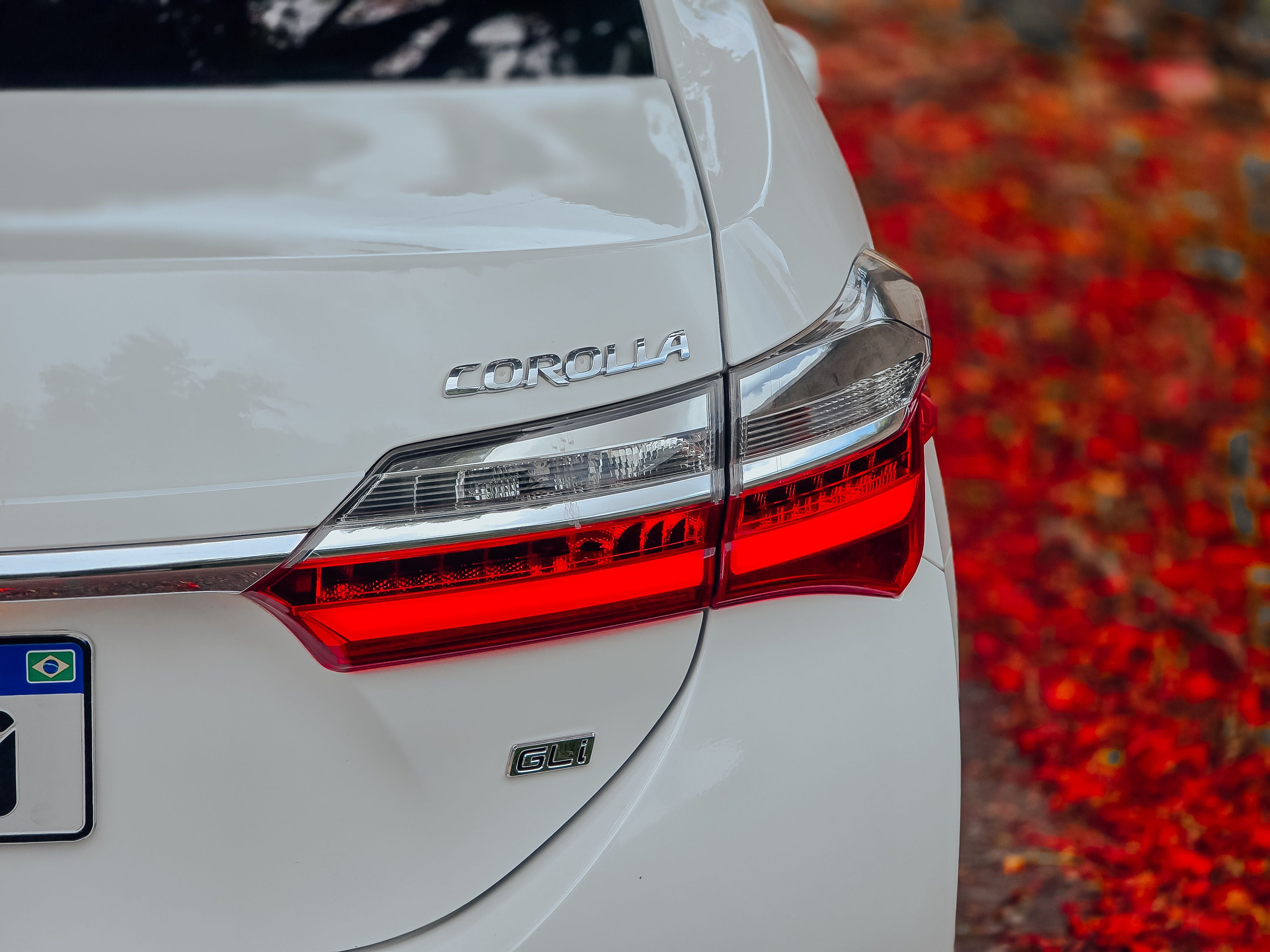
White Toyota Corolla taillight

Best Toyota Corolla Years to Buy Used

Shopping for the best used Toyota Corolla years comes down to your budget, the safety features you want, and the condition of the specific car. No single year wins for everyone. We'll walk through each generation so you can build a shortlist, then browse the used Corolla inventory at Toyota of Katy when you're ready. Best Used Toyota Corolla Years at a Glance Think of these as shopping groupings. They're not independent reliability rankings, and each one depends on the individual car's history and condition. Top Picks by Budget and Priority If you have a tight budget, look at 2003–2013 (9th and 10th generations), and inspect carefully. If safety technology matters most, consider 2017–2019 sedans (11th generation), which have standard forward collision warning and automatic emergency braking. The 2020 Corolla sedan adds Toyota Safety Sense 2.0 as standard equipment. For the newest used option, go with 2020 and newer (12th generation), which includes the Corolla Hybrid. If you're weighing a newer car, you can also compare new Toyota Corolla models. How We Evaluate Corolla Model Years We look at five factors: reliability record, safety equipment, fuel economy, technology, and ownership costs. On the first and last points, the Corolla starts strong: RepairPal rates it 4.5 out of 5.0 for reliability, first among 36 compact cars, with an average annual repair cost of $362. We don’t use a scoring system or claim internal testing. A model-year recommendation never replaces an assessment of the actual car. Keep comparisons to U.S. sedans, since hatchbacks, the GR Corolla, and the Corolla Cross are separate purchases. Used Toyota Corolla Generations Compared Corolla generation years in the U.S. run 2020 onward (12th), 2014–2019 (11th), 2009–2013 (10th), and 2003–2008 (9th). This table shows how Corolla models differ by year. Generation and years Powertrain Transmission Key safety or tech Fuel economy 12th, 2020 onward (figures shown are for the 2020 sedan) 1.8-liter (L, LE, XLE), 2.0-liter Dynamic Force, 169 hp (SE, XSE), Corolla Hybrid 1.8-liter, 121 hp CVT, six-speed manual Toyota Safety Sense 2.0, eight airbags, backup camera 2020 Hybrid 52 mpg combined, verify by trim 11th, 2014–2019 (engine, transmission, and equipment details shown are for 2014 unless noted) 1.8-liter, 132 hp. LE Eco 1.8-liter Valvematic, 140 hp Six-speed manual (L, S in 2014), automatic Eight airbags, Bluetooth. Forward collision warning and automatic emergency braking standard in 2017 LE Eco above 40 mpg highway (2014 estimate), verify by trim 10th, 2009–2013 1.8-liter, 132 hp; XRS 2.4-liter, 158 hp Five-speed manual; four-speed automatic (1.8-liter) or five-speed automatic (2.4-liter) Antilock brakes standard; verify by trim 1.8-liter 27 city / 35 highway mpg; verify by trim 9th, 2003–2008 1.8-liter, 130 hp; XRS (2005–2006) 1.8-liter, 170 hp Five-speed manual or four-speed automatic; XRS six-speed manual Verify by trim About 26 city / 35 highway / 29 combined mpg (revised EPA); verify by trim 12th Generation Corolla The 2020 redesign brought Toyota New Global Architecture, a new chassis, and a multi-link rear suspension that replaced the torsion-beam setup. It also introduced the first Corolla Hybrid in the U.S. Buyers get a more refined ride, hybrid efficiency, and newer technology. TSS 2.0, eight airbags, and a backup camera were standard across 2020 sedan grades. If you want the newest used Corolla with the latest safety equipment, start here. 11th Generation Corolla The 2014 lineup offered L, LE, LE Eco, and S grades. Eight airbags and Bluetooth were standard. Available extras included a touchscreen audio system, a backup monitor, Smart Key with push-button start, a moonroof, SofTex seats, paddle shifters, and a rear spoiler. You get a relatively modern sedan without paying for the newest design, and a manual transmission was available on the L and S trims. Later cars added active safety features, as forward collision warning and automatic emergency braking were standard on 2017 models. This generation suits shoppers who want affordability along with driver-assistance features. Equipment varies by year and trim, so verify each car. 10th and 9th Generation Corolla Models from 2009–2013 focused on style, with alloy wheels, body-colored ground effects and grille, an available rear decklid spoiler, and front fog lights. The 2003–2008 cars sit in the value-oriented, lowest-cost group. Entry cost is lower, and the technology is simpler. The trade-off is age-related wear and fewer modern safety conveniences. Budget-focused buyers who prioritize maintenance records and inspection results are the best fit. Best Used Toyota Corolla Years for Different Shoppers Which Corolla is best depends on what you value most. Here is how you can self-select. Best for Overall Value Value combines price, remaining life, maintenance needs, and operating costs, so the lowest sticker alone won't tell you much. Compare late 11th-generation sedans with early 12th-generation sedans and decide whether the newer design and features justify the difference. If you want a balance, prioritize cars with documented upkeep. If you need financing, our finance application is a simple first step. Best for Modern Safety and Technology If safety comes first, prioritize verified driver-assistance equipment over styling or trim badges. The 2020 sedan carries TSS 2.0. The 2025 Corolla Hybrid LE, SE, and XLE carry TSS 3.0. For tech, confirm touchscreen functionality, smartphone integration, and connectivity for the specific car, as availability varies within a generation. Best for Tight Budgets If money is tight, prioritize service records and inspection results over cosmetic extras. Leave room in the budget for tires and brakes. Sporty trims may come with different seats or suspension tuning, and they aren't always the most economical daily choice. Model Years to Research Carefully and Common Considerations People ask about Corolla years to avoid and Toyota Corolla problems. We'd rather say "research carefully," and always verify the individual car. Treat the following as reported concerns rather than comparative failure rates. Some early-2000s and 2009–2013 Corollas have had owner-reported oil consumption. Owners of 2003, 2009, and 2014 models have reported transmission hesitation or premature failure. Water-pump leaks have been reported on 2009 models. EVAP faults are possible on older Corollas. Some owners of 2019–2020 models have reported minor electrical or infotainment glitches. Cars over 100,000 miles may show strut and bearing wear. NHTSA lists 2003–2013 Corollas in the Takata airbag recall and offers a VIN-based recall lookup. Check any car you consider. The Corolla also appears on iSeeCars’ 2025 list of longest-lasting passenger cars, with a predicted chance of reaching 250,000 miles that’s 1.2 times the average, though maintenance history matters more than any statistic. Blue smoke at startup, rough or delayed shifting, coolant leaks, and persistent emissions-related check-engine lights all deserve a closer look. Key Features and Changes to Look For The evolution of Corolla equipment matters as much as the year. Don't assume a trim name means the same equipment across generations. Safety Features and Toyota Safety Sense Separate basic equipment, such as airbags, from newer driver-assistance systems. The 2025 Corolla Hybrid LE, SE, and XLE include TSS 3.0 with Pre-Collision System with Pedestrian Detection, Lane Departure Alert with Steering Assist, Auto High Beams, Radar Cruise Control, Road Sign Assist, and Lane Tracing Assist. These systems support attentive driving and do not replace it. Verify features like blind-spot monitoring individually. Fuel Economy, Engines, and Hybrid Options Compare engines by exact year and trim. The 2025 Corolla Hybrid uses a 1.8-liter four-cylinder with 138 horsepower of system output. EPA city/highway/combined estimates are 53/46/50 for LE and XLE, 51/44/48 for LE AWD, 50/43/47 for SE, and 47/41/44 for SE AWD. A Corolla Hybrid does not need to be plugged in. Weigh fuel savings against price, condition, and how long you'll keep the car. Choosing a Used Corolla for Katy and Greater Houston Area Driving Daily driving in Katy means stop-and-go traffic on I-10 and the Grand Parkway, plus commutes to West Houston and the Energy Corridor. If you commute daily in heavy traffic, a hybrid's efficiency is worth a look, but your annual mileage determines whether the price premium pays off. Texas heat is a good reason to scrutinize service records and test the air conditioning. For wet weather, check the tires, brakes, wipers, and visibility. Flood exposure is worth ruling out, so review the vehicle history and inspect for telltale signs. On a test drive, pay attention to seat comfort, road noise, and how the car merges. Pre-Purchase Checklist for a Used Corolla Use this list on every car, whatever the year. Run a vehicle history report. Review service records for gaps. Check open recalls by VIN. Inspect tire and brake wear. Check the suspension. Check oil level and look for leaks. Note transmission shift behavior during the test drive. Arrange a pre-purchase inspection. You can ask our team about an inspection through our service center. Frequently Asked Questions About Used Corolla Years What is the best year for a used Corolla? It depends on budget, desired safety equipment, ownership history, and inspection results. How much mileage is too much? Assess mileage with maintenance history. Low mileage doesn't outweigh neglect or poor repairs. Certified or standard used? Certified pre-owned vehicles follow a different process than standard used ones. See our certified pre-owned inventory and ask our team what applies to a specific car. Hybrid or gas? Compare the purchase price, annual mileage, driving conditions, and the hybrid system's condition. Is equipment the same every year? No. Trim and equipment vary by year, so confirm each car's features. How do I check recalls? Use the NHTSA VIN lookup on the specific car. Find the Right Used Toyota Corolla at Toyota of Katy The best used Corolla year is the one that fits your budget, offers the safety features you want, and has a clean history and solid maintenance records. With more than 20 years serving the Katy community, our team knows the Corolla inside and out, and we can help you compare generations, trims, and options side by side. Browse our used Corolla inventory, filter by model year, mileage, and trim, and build a shortlist of a few cars to compare. Then schedule a test drive, ask our service center about a pre-purchase inspection, or explore financing to see what fits your budget. Questions about a specific car’s history or equipment? Contact our team, and we’ll help you choose with confidence.

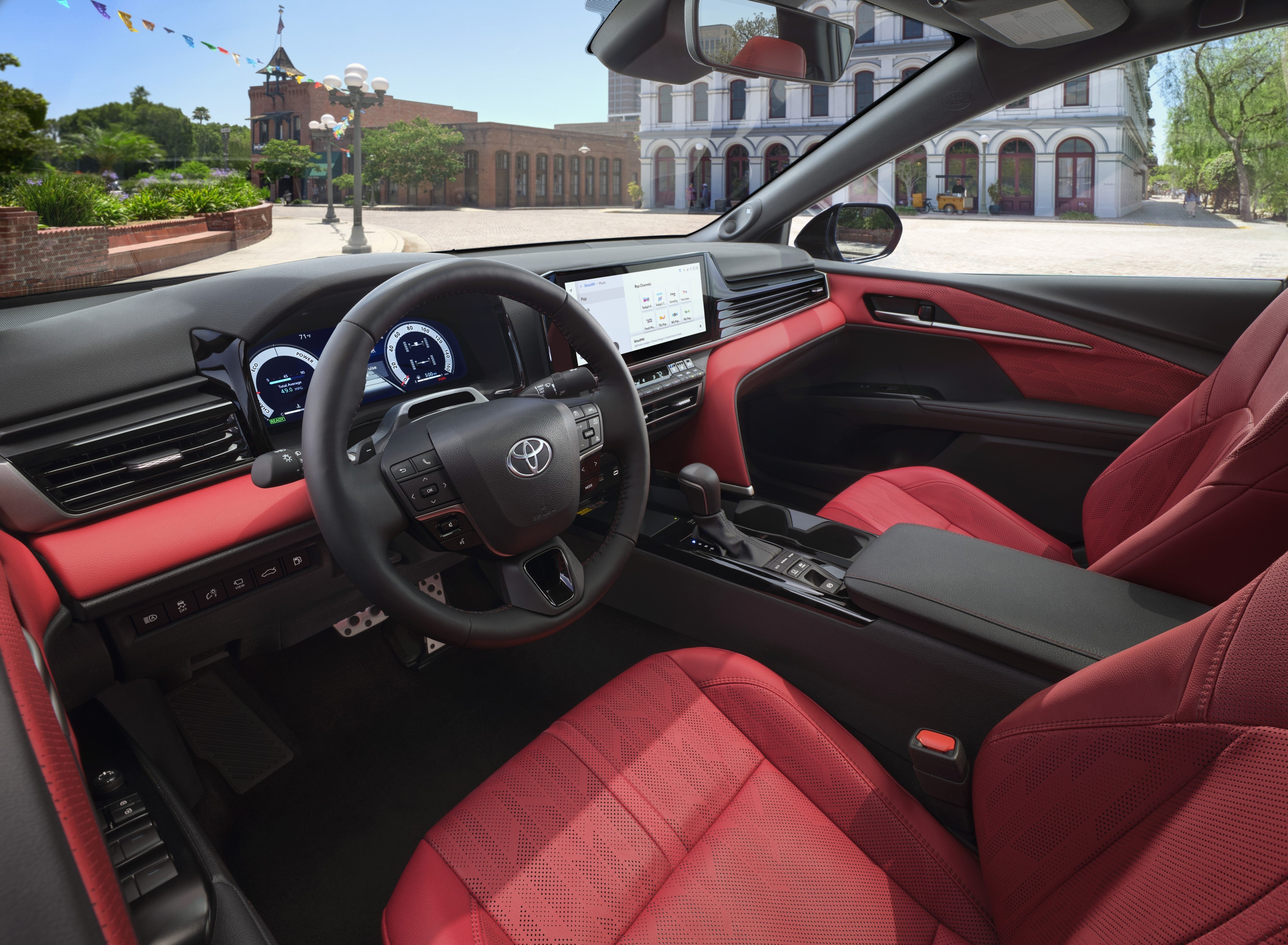
2027 Toyota Camry XSE 007

Toyota Camry LE vs. XSE: Differences in MPG, Features & Price

The choice between the Toyota Camry LE and XSE comes down to what you value in the daily drive. The LE is rated at 51 mpg combined in FWD form, while the XSE FWD gets 46 mpg combined. What the XSE offers in return is larger screens, 19-inch wheels, and a sport-tuned setup. Both are hybrid-only, so the core powertrain is the same either way. Toyota Camry LE vs. XSE: Quick Verdict for Katy Commuters For most Katy commuters, the LE is the smarter choice if mileage and monthly costs drive your decision. The XSE makes sense if you spend long hours in the car and want its equipment and sportier setup. Compare FWD with FWD and AWD with AWD, and you'll see the real differences. You can also check the new Toyota Camry inventory in Katy to see what's in stock. The table below sets the Toyota Camry LE and XSE side by side for each drivetrain. Feature LE FWD LE AWD XSE FWD XSE AWD Powertrain 2.5-liter four-cylinder hybrid 2.5-liter four-cylinder hybrid 2.5-liter four-cylinder hybrid 2.5-liter four-cylinder hybrid Horsepower 225 net-combined hp 232 net-combined hp 225 net-combined hp 232 net-combined hp Transmission Electronically controlled CVT Electronically controlled CVT Electronically controlled CVT Electronically controlled CVT EPA city/highway/combined MPG 52/49/51 50/49/50 47/45/46 43/43/43 Wheels 16-inch alloy 16-inch alloy 19-inch black and smoke-gray-finished alloy 19-inch black and smoke-gray-finished alloy Suspension Standard Standard Sport-tuned Sport-tuned Front seats Fabric-trimmed Fabric-trimmed Leather-trimmed Leather-trimmed Display and cluster 8-inch touchscreen, 7-inch digital cluster 8-inch touchscreen, 7-inch digital cluster 12.3-inch touchscreen, 12.3-inch digital cluster 12.3-inch touchscreen, 12.3-inch digital cluster Audio Six-speaker Six-speaker Six-speaker standard Six-speaker standard Standard safety suite Toyota Safety Sense 3.0 Toyota Safety Sense 3.0 Toyota Safety Sense 3.0 Toyota Safety Sense 3.0 Cargo 15.1 cu. ft. 15.1 cu. ft. 15.1 cu. ft. 15.1 cu. ft. Price and Monthly Payment: What Separates the LE From the XSE The Camry LE starts at $29,600 ($31,125 with AWD), while the XSE starts at $36,000 ($37,525 with AWD), and both include a $1,295 destination charge. That roughly $6,400 difference buys leather seats, larger screens, 19-inch wheels, and the sport suspension. Both trims share the same hybrid system, so the extra money goes to features and styling, not power. The LE's higher fuel economy is the other half of the value picture. A lower sticker price and better MPG work together over years of commuting. The monthly payment depends on the financing terms and the trim. If you want to see how each trim might fit your budget, start with our finance application. If you're budget-minded, our certified pre-owned vehicles are another route worth a look. Fuel Economy and Powertrain for I-10 and Grand Parkway Driving Whether you merge onto I-10 or settle into the Grand Parkway, both trims drive the same way mechanically. You'll notice the gap at the pump. Shared Hybrid Powertrain and Performance Every Toyota Camry uses a 2.5-liter four-cylinder with Toyota's fifth-generation hybrid system and an electronically controlled CVT. Drivetrain sets the output. FWD makes 225 net-combined hp, and AWD makes 232 net-combined hp. Stepping up to the XSE adds no power. Electronic On-Demand AWD controls torque distribution to the rear wheels when it detects slippery road conditions or a loss of tire grip. That helps traction, but it doesn't make wet roads or flooded streets safe to enter. MPG Differences and Estimated Fuel Costs EPA-estimated ratings are city/highway/combined: LE FWD: 52/49/51. LE AWD: 50/49/50. XSE FWD: 47/45/46. XSE AWD: 43/43/43. Here is an illustration of the method, not a prediction. Multiply miles per day by days driven, then divide by mpg to get gallons. Take a Katy-to-Energy Corridor style commute. Over the same miles, the LE FWD at 51 mpg combined uses fewer gallons than the XSE FWD at 46. Use your own mileage to run the numbers. EPA figures are estimates. Real-world results vary with driving habits, traffic, and conditions. Want to feel the difference yourself? Contact us to set up a test drive. Ride Comfort and Driving Feel in Katy Traffic Toyota says the Camry's suspension delivers both handling and a smooth ride. Trim-level tuning is where the two diverge, and your own route will tell you the most. Suspension Tuning and Wheel Size The LE rides on 16-inch alloy wheels. On the XSE, you get 19-inch black and smoke-gray-finished alloy wheels plus a sport-tuned suspension with front and rear shock absorbers. It also has a larger-diameter front stabilizer bar than the LE. Toyota says this is intended to support comfort, stability, and handling. The XSE also adds paddle shifters. Its sportier tuning and larger wheels are aimed at handling. Road Noise and Stop-and-Go Commutes In stop-and-go traffic, the hybrid system's electric assistance helps low-speed movement feel smooth. Road noise depends on tires and pavement, so we won't rank the trims here. Drive both over a rough stretch and a freeway run, and trust your own ears. Interior, Seats, and Cargo Space Both trims seat five, with 15.1 cu. ft. of cargo space, 42.1 inches of front legroom, and 38.0 inches of rear legroom. Moving up to the XSE changes materials and amenities, while usable space stays the same. The LE has fabric-trimmed front seats with 6-way manual adjustment for both the driver and passenger, and an 8-way power driver’s seat with power lumbar is available through the Convenience Package, along with available heated front seats. The XSE has leather-trimmed front seats, an 8-way power driver’s seat with power lumbar and an 8-way power passenger seat, with heated front seats standard. That matters in a household where passengers often ride along. Both trims come with dual-zone automatic climate control with rear-seat vents, which helps on hot Katy afternoons. If style is part of your decision, see our guide to Camry colors for drivers in Katy and West Houston. Technology, Connectivity, and Safety Features Connectivity is a strong point for both trims. Screens and audio are where they differ most. Screen, Audio, and Smartphone Integration The LE has an 8-inch Toyota Audio Multimedia touchscreen, a 7-inch digital gauge cluster, and a six-speaker audio system. The XSE has a 12.3-inch touchscreen and 12.3-inch digital gauge cluster. Six-speaker audio is standard, and a nine-speaker JBL Premium Audio system with subwoofer and amplifier is available. Wireless Apple CarPlay and wireless Android Auto are standard across grades. You also get simultaneous Bluetooth for two phones, and a Wi-Fi Connect trial or subscription offers 4G connectivity for up to five devices. Driver-Assist Features for Daily Commuters Toyota Safety Sense 3.0 includes the Pre-Collision System with Pedestrian Detection, Full-Speed Range Dynamic Radar Cruise Control, Lane Departure Alert with Steering Assist, Lane Tracing Assist, Road Sign Assist, Automatic High Beams, and Proactive Driving Assist. Blind Spot Monitor comes standard too. Radar cruise is designed to operate above 20 mph. Lane Departure Alert detects lane markings or the road edge above 30 mph. Lane Tracing Assist helps keep the car centered while Dynamic Radar Cruise Control is active. On the XSE, the available Premium Plus Package adds Traffic Jam Assist (not offered on the LE), which is designed for controlled-access freeways at 25 mph or less. It requires Lane Tracing Assist and an active Drive Connect subscription to be active, and it is not an automated driving system, so it requires driver supervision at all times. How to Decide: Match Your Commute to the Right Trim Start with your daily miles and budget, then consider what you want from the interior. AWD is a separate decision that depends on how much traction you need. After that, drive both trims back-to-back because specs only go so far. Choose the LE for Value and Efficiency You want the best EPA ratings, at 51 mpg combined in FWD form. You want standard Toyota Safety Sense 3.0 and wireless smartphone connectivity. You'd rather keep the purchase price lower and put your budget elsewhere. You like the 16-inch wheels and comfort-focused setup. Choose the XSE for Style, Comfort, and Tech You want leather-trimmed seats and standard heated front seats. You want the 12.3-inch screen and 12.3-inch digital gauge cluster for easier reading. You like the sport-tuned suspension and paddle shifters, and you want the 19-inch wheels. You're comfortable with EPA ratings below the LE's in both FWD and AWD. Compare Camry Trims in Person at Toyota of Katy The best way to settle the Toyota Camry LE vs XSE question is to drive both on your real commute. Toyota of Katy sells new and used Toyota cars, trucks, and SUVs and offers financing, service, genuine parts, and collision repair at 21555 Katy Fwy, Katy, TX 77450, serving Katy and the Greater Houston area. Bring your usual route, whether that's I-10 or the Energy Corridor, and we'll help you compare trims back to back. Contact us to request a test drive, or call sales at 844-809-1063 (Mon–Sat 9 AM to 7 PM). You can also browse our new Toyota Camry inventory in Katy and start your financing application when you're ready.

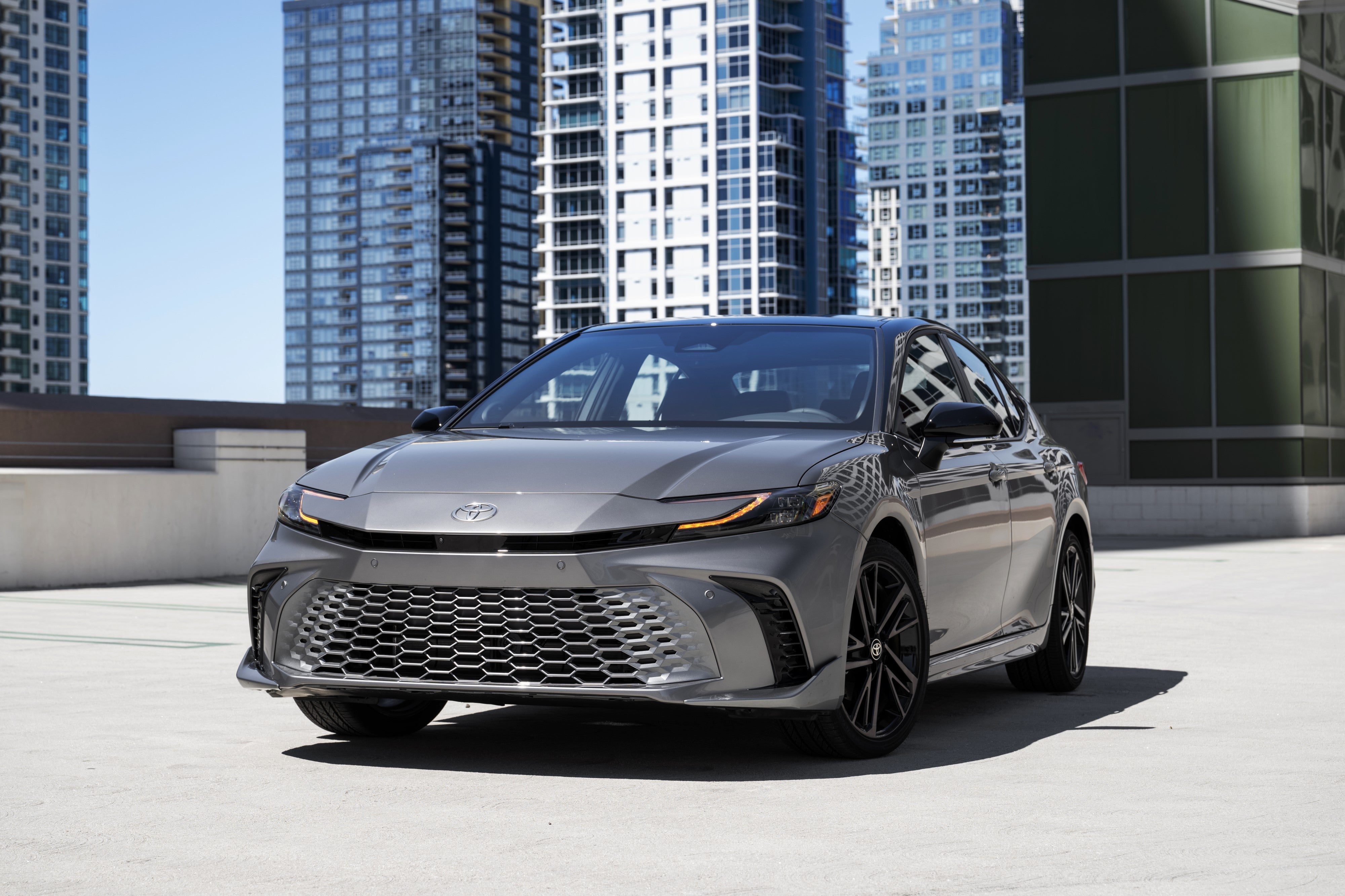
2027 Toyota Camry XSE AWD Heavy Metal Black

2027 Toyota Camry: What We Know So Far

Toyota announced the 2027 Toyota Camry on October 13, 2026, and shoppers across Katy and West Houston are already asking what it means for them. We want to give you a straight answer, separating what Toyota has confirmed from what remains open. If you'd rather look at vehicles while you read, you can browse our current Camry inventory. What Toyota Has Confirmed for 2027 Here’s what Toyota’s official announcement covers. Toyota has published the grade lineup and hybrid powertrain details, along with manufacturer-estimated fuel economy and pricing. The 2027 Camry starts at $29,700 for the LE, followed by the SE at $32,200, the Nightshade at $33,200, the XLE at $34,900, and the XSE at $36,100, with AWD adding $1,525 on any grade (prices exclude the $1,295 dealer processing and handling fee). Toyota expects the model to be at dealerships in fall 2026, but a specific on-sale date hasn’t been announced. Specifications and availability may change without notice, so please confirm details with Toyota or with our dealership before you decide. What Carries Over From the 2026 Camry Toyota describes the 2027 grades, features, and options as carryovers, confirming continuity. The 2027 Camry looks like the current car, with the same five grades, wheel designs, and colors we cover below. Toyota has not announced a redesign date or details of a next-generation Camry, and we won't guess at one. Hybrid-Only Powertrain and Everyday Driving in Katy Every 2027 Toyota Camry uses Toyota's fifth-generation Toyota Hybrid System (THS 5), with a 2.5-liter four-cylinder engine and an eCVT. Output is 225 net combined horsepower with FWD and 232 with AWD. The AWD system is Electronic On-Demand All-Wheel Drive, with an electric motor-generator on the rear axle. The suspension is MacPherson strut up front and multi-link in the rear, and the SE, Nightshade, and XSE get sport-tuned suspensions. For local driving, a hybrid sedan suits the stop-and-go stretches of I-10 and the Katy Freeway, errands around Katy, and runs out the Grand Parkway. It also suits the trips into Houston and the Energy Corridor commutes many of our neighbors make. A conventional hybrid like this one needs no plug-in charging, since the vehicle manages its own battery. Your fuel economy will still vary with grade, drivetrain, traffic, and driving style. AWD can add traction in suitable conditions, but a sedan stays a sedan, and AWD never makes driving through flooded roads safe. If you're weighing sedans from Toyota, our post on the 2026 Toyota Crown vs. Camry for Katy commuters is a useful Toyota-to-Toyota resource. The LE, SE, Nightshade, XLE and XSE Grades The 2027 Camry keeps five grades, and the differences go beyond styling. Wheels and touchscreens change as you move up, along with seating and mpg. The mpg figures below are manufacturer-estimated, listed as city/highway/combined. Grade Wheels Touchscreen and gauge cluster FWD mpg AWD mpg LE 16-inch alloy 8-inch / 7-inch 52/49/51 50/49/50 SE 18-inch black-finished alloy 8-inch / 7-inch 47/45/46 46/46/46 Nightshade 19-inch satin black-finished alloy 8-inch / 7-inch 47/45/46 46/46/46 XLE 18-inch two-tone machined and black-finished alloy 12.3-inch / 12.3-inch 47/45/46 46/46/46 XSE 19-inch black and smoke-gray-finished alloy 12.3-inch / 12.3-inch 47/45/46 43/43/43 A Multimedia Upgrade Package with the 12.3-inch touchscreen is listed for the SE and Nightshade. Those two grades are the ones to look at if you want the SE look with a larger screen. The XSE follows the same sport-tuned approach with its own wheels and trim. Sport styling and tuned suspension come with the same engine, though, so judge each grade on the features you'll actually use. Interior and Comfort by Grade The 2027 Toyota Camry interior also varies by grade: The LE has woven-fabric seating. The SE and Nightshade have SofTex-trimmed seats. The XLE has leather and Dinamica microfiber trim. The XSE has leather-trimmed seating. Heated front seats are standard on the XLE and XSE and available on select other grades. Ventilated front seats are available on the XLE and XSE. Wireless Apple CarPlay and Android Auto are standard, as are dual-zone automatic climate control with rear vents and Push Button Start. Standard Safety Features Toyota Safety Sense 3.0 is standard. It includes Pre-Collision System with Pedestrian Detection, Full-Speed Range Dynamic Radar Cruise Control, Lane Departure Alert with Steering Assist, Lane Tracing Assist, Road Sign Assist, Automatic High Beams, and Proactive Driving Assist. Blind Spot Monitor with Rear Cross-Traffic Alert and Safe Exit Alert are standard across grades. What’s Still Unknown Toyota has not announced an on-sale date for the 2027 Camry. The only timing it offers is a season: fall 2026, so the release date has no exact answer yet. We also can't say when any unit will reach Toyota of Katy, and we're making no claim about local arrival or allocation. Toyota has also not announced a redesign date, future trim revisions, or extra equipment beyond the published carryover. If a website tells you otherwise, ask where it got the information. We'd rather say "not announced" than fill the gap with a guess. What’s Changed for 2027: Pricing, Not Equipment Because the grades, features, and options all carry over, the main change for 2027 is pricing, which is slightly higher than the 2026 model. The color palette carries over too: Ocean Gem, Heavy Metal, Ice Cap, Wind Chill Pearl, Celestial Silver Metallic, Underground, Midnight Black Metallic, Supersonic Red, Reservoir Blue, and Dark Cosmos. Availability varies by grade. The Nightshade comes in Ice Cap, Supersonic Red, and Midnight Black Metallic. The XSE offers select colors with a Midnight Black Metallic roof. Which colors and grades actually reach our area are still open questions, and that's the part to confirm with us once vehicles are on the way. Should You Wait for the 2027 Camry or Explore the 2026 Model? There’s no universal right answer, because it depends on your timeline and what you need from the car. Since the 2027 grades, features, and options carry over, the two model years drive and feel the same. The practical differences are the model-year label, slightly higher 2027 pricing, and the timing of when you can get behind the wheel, which makes a 2026 Camry available today worth a close look. Who May Want to Wait Waiting makes sense if you specifically want the 2027 model year and your timeline is flexible. If your current vehicle is running fine, you can watch Toyota's rollout and compare configurations when they're available. Just remember that waiting only gets you a later outcome, and a better one isn't guaranteed. Who May Want to Buy Now Buying now fits if you need a vehicle soon or prefer the current model. It also fits if you have trade-in timing to consider or financing to sort out. A car you can see and drive today beats one defined only by a season. If that sounds like you, contact our team about availability. We can't promise notifications or preorders, and allocations are out of our hands too, but we can tell you what we know. Whichever way you lean, keep an eye on these: Arrival timing from Toyota Availability by grade and color Local availability at Toyota of Katy Explore the Current 2026 Camry at Toyota of Katy The 2026 Camry was also exclusively hybrid, with the same five grades. The Nightshade debuted for 2026, based on the SE. Our online Camry inventory displays 2026 listings, including LE, SE, XLE, and Nightshade examples. Availability changes, so check the live inventory for what's listed today. You can also start at our new Toyota Camry for sale in Katy, TX. Toyota of Katy sells new and used Toyota cars, trucks, and SUVs and offers financing, service, genuine parts, and collision repair in Katy, TX. We help shoppers compare trims, features, technology, and financing options. If a test drive is next, pay attention to ride comfort, rear-seat room, and how the controls feel. You can also start a finance application before you visit. Once you own a Toyota, our service department is here to help with maintenance. Visit us at 21555 Katy Freeway, Katy, TX 77450. Sales hours are 9:00 a.m. to 7:00 p.m. Monday through Saturday.

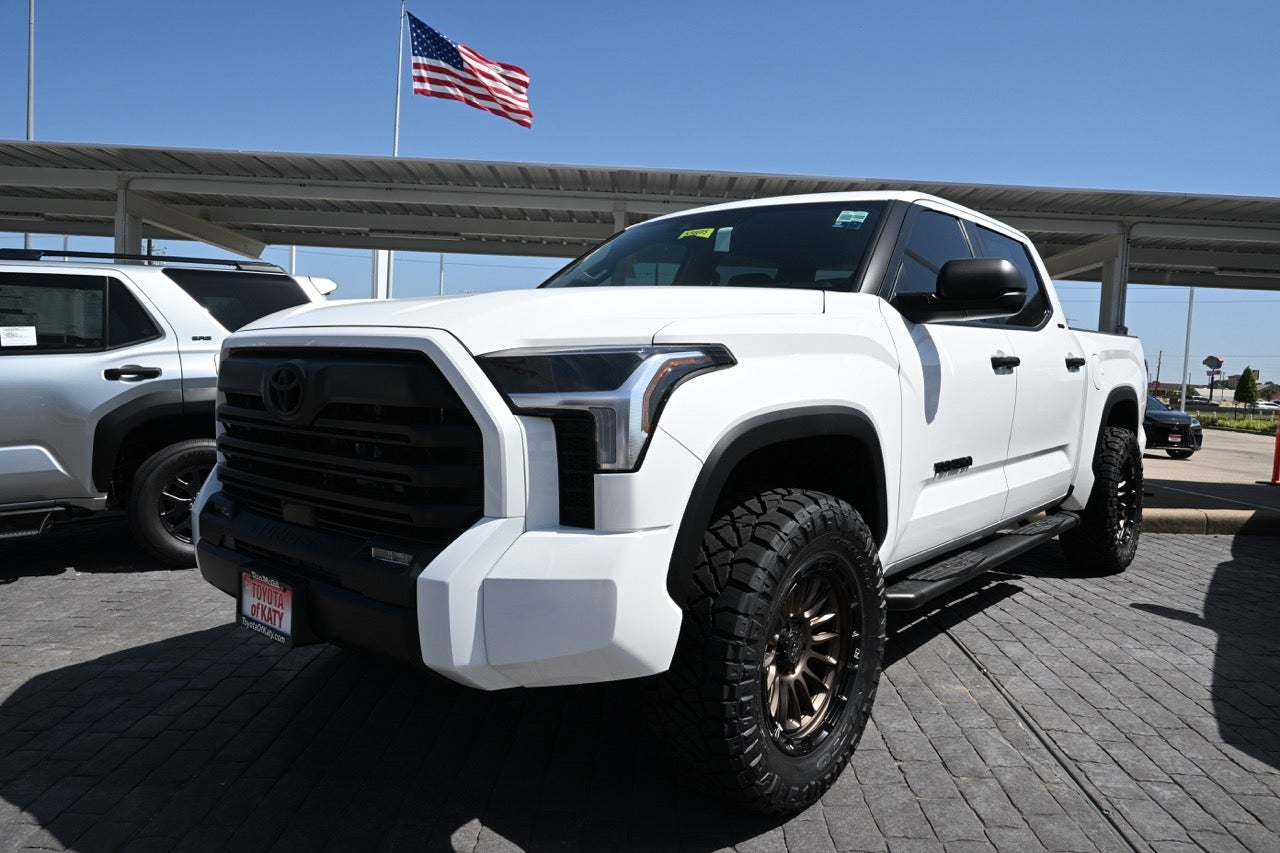
2026 White Toyota Tundra in Katy, TX

Best Toyota Tundra Years to Buy Used

Shoppers ask us which Tundra year is the safe bet, and the honest answer is a short list with conditions attached. Toyota of Katy is a Toyota dealership in Katy, TX, that sells new and used Toyota vehicles and offers financing and service. We've spent over 20 years helping drivers pick trucks. Below are the best years for used Toyota Tundras, in our view, along with our reasons. Best Used Toyota Tundra Years at a Glance Our recommended sweet spot is 2018 through 2021. Those trucks pair the standard Toyota Safety Sense-P suite with the proven V8 platform, and the 5.7L V8 was the only engine on 2020 and 2021 trucks. The Tundra also has a strong long-term track record: iSeeCars’ 2025 study found it has a 30% chance of reaching 250,000 miles, the highest of any light-duty pickup and 6.3 times the average vehicle. Treat any model-year list as a starting point, though, because service history and how the truck was used matter more than the year alone. Top Picks by Priority: Reliability, Value and Modern Features Consumer Reports rates 2011, 2016, and 2020 as more reliable than other vehicles from their model years, and it rates 2008 as about average. For modern features, 2018 is the year Toyota Safety Sense-P became standard on all trims. It adds forward-collision warning with automatic braking and pedestrian detection, lane-departure warning, and adaptive cruise control. Trucks from 2007 to 2017 cost less, but their cabins feel older, and they lack the standard driver-assist suite. For towing, the 2020 and 2021 trucks are our top used pick, with the 5.7L V8 and the Tow Package. Matching that to your needs looks like this: Towing: 2020–2021 with the 5.7L V8. Commuting: 2018–2021 for the standard safety suite. Budget: 2011 or 2016 for the Consumer Reports ratings, and 2007–2017 generally for lower cost. Modern tech: 2021 SR with a standard 7-inch touchscreen and Apple CarPlay and Android Auto, or a third-generation truck with larger screens. Model Years to Approach With Caution These years deserve a close inspection, and none should be written off automatically. For each of them, run the VIN to check for open recalls before you commit. The 2007 and 2008 trucks mark the start of the second generation. Consumer Reports rates 2008 as about average, so confirm repair history. Reports for 2012 are mixed, so judge each truck on its own records. Consumer Reports rates the 2022 Tundra much less reliable than other vehicles from its model year and lists 13 recalls for 2022–2023. Toyota Tundra Generations Compared There are three generations, and the second is the one most used shoppers should spend their time in. First Generation Tundra The first generation ran from 2000 to 2006. Consumer Reports describes the 2000 as comfortable and quiet, with a smooth powertrain and convincing towing and hauling. A crew cab and optional stability control arrived for 2004. These trucks are older now, so condition matters more than the badge. Second Generation Tundra The second generation runs from 2007 to 2021. Buyers could choose from three cab sizes and three bed lengths, and 4WD is part-time. The table below compares it with the redesigned third generation. Generation/Years Engine options Transmission Horsepower/Torque Max towing Second generation, 2007–2021 4.0L V6 (through 2014), 4.7L V8 (2007–2009), 4.6L V8 (2010–2019), 5.7L V8 Six-speed automatic (2020–2021) 5.7L: 381 hp, 401 lb.-ft. 4.6L: 310 hp, 327 lb.-ft. 10,200 lb. (2021, SAE J2807) Third generation, 2022 onward Twin-turbo i-FORCE V6, i-FORCE MAX hybrid 10-speed automatic V6: up to 389 hp, 479 lb.-ft. Hybrid: up to 437 hp, 583 lb.-ft. Up to 12,000 lb. Those towing figures are the maximums for each model year, and many configurations rate lower. Third Generation Tundra The third generation brought a boxed steel-ladder frame and an aluminum-reinforced composite bed designed to resist dents and rust. A multi-link coil-spring rear suspension replaced leaf springs. Toyota Safety Sense 2.5 and Blind Spot Monitor come standard, along with Rear Cross Traffic Alert, and a 14-inch touchscreen is available. Wireless Apple CarPlay and Android Auto, along with over-the-air updates, are included. If you would rather buy a new Toyota Tundra, this is the generation you would be shopping. Best Used Toyota Tundra Years to Buy If you want the best year for a used Toyota Tundra, start with the late second generation. We recommend 2018–2021 for most buyers, with 2020 and 2021 at the top. Second-Generation 5.7L V8 Years The 5.7L V8 makes 381 hp and 401 lb.-ft. with a six-speed automatic. For 2020, Toyota powered every Tundra with the 5.7L V8. We point to 2020–2021 because that pairing is well established. Later Second-Generation Years Consumer Reports rates the 2020 model year as more reliable than other model years. The 2021 includes Toyota Safety Sense-P on every grade, plus Blind Spot Monitor and Rear Cross Traffic Alert. Those two are available on SR5 and Limited and standard on Platinum and 1794 Edition. The SR has a 7-inch touchscreen with Apple CarPlay and Android Auto. The 2021 was assembled at Toyota's San Antonio plant. For towing, 2020 trucks reach up to 10,200 lb. on a 4x2 Double Cab, 10,100 lb. on a 4x2 CrewMax, 9,900 lb. on a 4x4 Double Cab, and 9,800 lb. on a 4x4 CrewMax. The Tow Package includes a receiver hitch, TOW/HAUL mode, and a trailer brake controller, plus supplemental coolers. If you want a Tundra with a certified history, explore our Toyota Certified Used Vehicles. Budget-Friendly Older Tundra Options Trucks from 2007 to 2017 cost less, and 2011 and 2016 carry the better Consumer Reports ratings. The tradeoff is an older-feeling cabin and no standard driver-assist suite. A documented, well-kept older truck beats a neglected one from a preferred year. If budget is the deciding factor, explore financing options to plan your purchase. For first-generation trucks, condition is the whole story. Used Tundra Years and Problems to Watch For Searches for Toyota Tundra problems by year often rely on complaint totals alone. We wouldn't. A truck's age, how many were sold, and how owners report issues all skew those numbers, so inspect the truck in front of you. Anyone asking about years to avoid should hear the same advice: check recalls by VIN, every time. For 2022–2023, the most important is an engine recall: certain non-hybrid trucks with the twin-turbo V6 may have machining debris left in the engine, which can cause knocking, rough running, or stalling, and Toyota replaces the engine assembly free of charge. The recall was later expanded to certain trucks built through April 2024. Other recalls include fuel tube chafing on certain 2022–2023 trucks, rear-axle flange nuts that may loosen on certain 2022 trucks, and rearview-image software and reverse-light moisture on certain 2022–2025 trucks. On any 2022–2024 Tundra, ask for proof that the engine recall work was completed. The 2018–2021 era has its own items. They include a headlight circuit recall for certain 2018–2021 trucks, a fuel pump recall for certain 2019–2020 trucks, and a turn-signal wiring recall for certain 2018–2020 trucks with LED headlights. Ask for proof the work was done. Choosing the Right Engine, Cab Style and Drivetrain Three trade-offs come up most often. V8 versus V6: The 5.7L V8 is our pick for regular towing and hauling. A third-generation twin-turbo V6 offers up to 389 hp and 479 lb.-ft. with a 10-speed automatic, so it suits shoppers who want newer technology. Double Cab versus CrewMax: The Double Cab offers a 6.5-ft. or 8.1-ft. bed and 34.7 in. of rear legroom in 2021. The CrewMax has a 5.5-ft. bed and 42.3 in. of rear legroom. If the truck is mostly for work, the Double Cab fits. Families will likely prefer the CrewMax. 4x2 versus 4x4: A 4x2 tows slightly more on paper in 2020. A 4x4 helps with traction on muddy ranch roads and boat ramps. Mileage is the other tradeoff. A high-mileage truck with full records usually beats a lower-mileage one with none. Service records and towing use matter more than the odometer alone. What Katy, TX Truck Shoppers Should Consider Shoppers in Katy and the Greater Houston area tend to ask the same practical questions. Match the truck to the job first, then compare years. Everyday Driving, Towing and Hauling in Texas Daily runs on I-10 and the Grand Parkway, or drives into the Energy Corridor, reward a truck with the standard safety suite and adaptive cruise control. That points to 2018 and newer. Weekend towing to a lake, a ranch, or a livestock show calls for a 5.7L V8 with the Tow Package. Always compare the truck's actual ratings with those for your loaded trailer. Heat, Humidity and Gulf Coast Wear Checks Run the A/C throughout every test drive, at idle and at speed. Toyota's 2021 High Solar Energy-Absorbing glass filters solar heat and UV that could damage cabin materials, a useful feature if you park outside. On any truck, look under the truck at the hitch and frame for signs of hard towing. How to Inspect a Used Toyota Tundra Before Buying Start with paperwork, then move to the truck. Ask about towing history, and request maintenance records and vehicle history. Run a VIN recall check. Then check these items: Look under the truck at the hitch and frame for signs of hard towing. Check the tow hitch and wiring condition. Look at brake and suspension wear. Drive at highway speed and listen for sounds that change with road speed. Run the A/C the whole drive. On 2022 and newer trucks, check how the transmission behaves in traffic. Our service center can help you plan a pre-purchase look. You can reach it at 832-772-1700, Monday through Friday, 7 AM to 6 PM, and Saturday, 7 AM to 5 PM. Frequently Asked Questions What is the most reliable Toyota Tundra year? No single year fits every buyer. Consumer Reports rates the 2011, 2016, and 2020 models as more reliable than other vehicles from those model years. For modern safety gear, we suggest 2018–2021. Maintenance and prior use still matter most. Is a high-mileage Tundra worth buying? Often yes, when records back it up. RepairPal rates the Tundra 3.5 out of 5.0 for reliability, with an average annual repair cost of $606 and major repairs that occur less often than average for full-size trucks. Service records and towing use still matter more than the odometer alone, so inspect the hitch and frame, check the brakes and suspension, and run the VIN for recalls before you decide. Which used Tundra is best for towing? Start with a 2020 or 2021 with the 5.7L V8 and the Tow Package. The 2021 model-year maximum is 10,200 lb. under SAE J2807, and actual figures depend on equipment. Third-generation trucks go up to 12,000 lb., though that is the top figure for the model year and many configurations rate lower. Final Verdict: Browse Used Toyota Tundra at Toyota of Katy Our shortlist is simple. Target 2018–2021 for the best mix of safety equipment and a proven V8, with 2020 and 2021 first for towing. Consider 2011 or 2016 if you want a lower cost of entry. Inspect 2007–2008, 2012, and 2022–2023 closely (on early third-generation V6 trucks, confirm the engine recall work was completed), and run the VIN for open recalls on all of them. Tundra reliability comes down to the year, the individual truck, and the condition of the one you're looking at; its records will tell you most of what you need to know. Ready to compare in person? Browse our used Toyota Tundra trucks in Katy, then contact us or call sales at 844-809-1063, Monday through Saturday, 9 AM to 7 PM. We are proud to be the number 1 volume certified Toyota dealer and a Toyota President's Award winner, and we are glad to help you find the right truck.

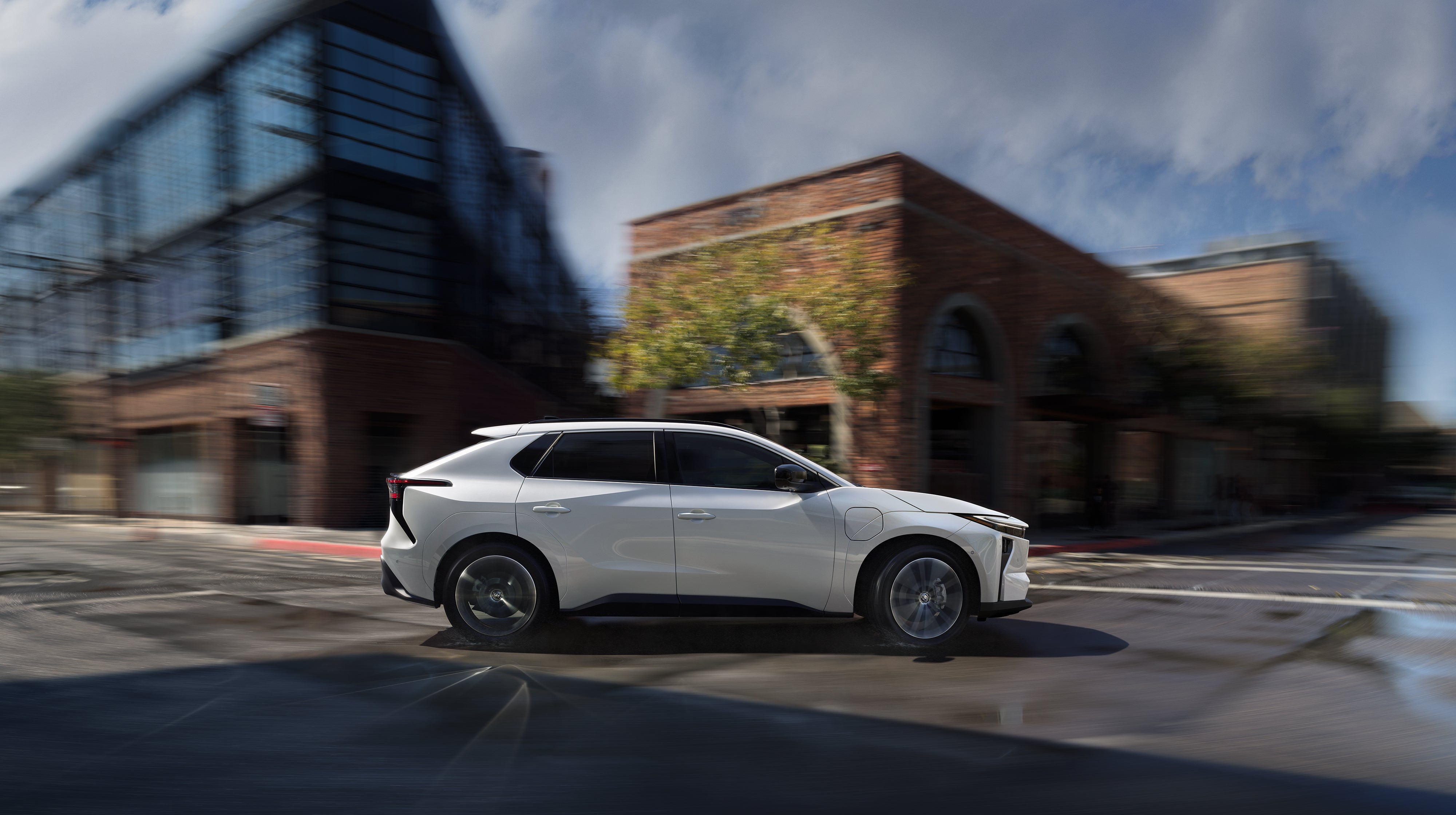
Toyota 2027 bZ Limited

Toyota bZ XLE vs. Limited: What's the Difference?

If you're shopping for an all-electric SUV in Katy, TX, the Toyota bZ is worth a closer look. With modern styling, a spacious interior, responsive electric performance, and advanced technology, this all-electric Toyota SUV offers a practical way to make the switch from gasoline to electric driving. But which trim is right for you? The Toyota bZ XLE vs. Limited comparison comes down to price, comfort, exterior styling, driver-assistance technology, and the features you want in your next SUV. Both trims offer all-electric driving and useful everyday amenities, while the Limited adds several premium upgrades. At Toyota of Katy, we're helping local drivers understand what separates these two bZ trims so they can make a more informed decision. Toyota bZ XLE vs. Limited: Key Differences at a Glance The following comparison covers the 2026 Toyota bZ lineup. Features, pricing, and availability can vary by model year and configuration. Feature Toyota bZ XLE Toyota bZ Limited Position in lineup Entry trim Premium trim Drivetrain FWD, FWD Plus, or AWD, depending on configuration FWD or AWD Wheels 18-inch alloy wheels with covers 20-inch alloy wheels Front seats Heated, fabric/SofTex-trimmed Heated and ventilated, SofTex-trimmed Driver's seat 8-way power adjustment 8-way power adjustment with lumbar support Front passenger seat 6-way adjustment 8-way power adjustment Infotainment 14-inch touchscreen 14-inch touchscreen Driver-assistance technology Toyota Safety Sense 3.0 and standard safety features Additional advanced driving and parking assistance features Premium audio Standard six-speaker system Optional nine-speaker JBL Premium Audio Panoramic glass roof Available Standard The biggest distinction is that the XLE delivers a well-equipped electric SUV with a strong set of standard features, while the Limited focuses on enhanced comfort, upgraded styling, and additional driver-assistance technology. 1. Price and Overall Value For many shoppers, the first question is whether the Toyota bZ Limited's extra features justify its higher price. For the 2026 model year, Toyota lists the following starting MSRPs: Toyota bZ XLE: $34,900 Toyota bZ Limited: $43,300 That represents an $8,400 difference in base MSRP before applicable taxes, fees, incentives, and dealer-installed options. Actual vehicle prices can vary based on drivetrain, configuration, and available inventory. The XLE makes a compelling case for drivers who want an electric SUV without paying for every available luxury upgrade. Its standard equipment includes a large touchscreen, heated front seats, a heated steering wheel, wireless smartphone connectivity, and a power liftgate. The Limited is aimed at shoppers who want more premium amenities in their daily driving experience. Its upgraded seating, larger wheels, and additional convenience technology may make the higher price worthwhile if those features are important to you. When comparing your options at Toyota of Katy, consider the complete vehicle price and equipment of the specific model you're interested in rather than relying on trim-level starting prices alone. 2. Electric Range, Performance, and Drivetrain Both the Toyota bZ XLE and Limited use an all-electric powertrain, so neither requires gasoline for everyday driving. However, the range and performance you get depend on the trim's drivetrain and battery configuration. Toyota bZ XLE The XLE offers front-wheel-drive and all-wheel-drive configurations, including an XLE FWD Plus model with an extended advertised driving range. This variety gives shoppers flexibility when balancing range, traction, and budget. Toyota bZ Limited The Limited is available with front-wheel drive or all-wheel drive, combining electric performance with premium amenities. All-wheel-drive models use two electric motors, while front-wheel-drive models use a single electric motor. The 2026 Toyota bZ offers up to 314 miles of manufacturer-estimated driving range on a full charge for the XLE FWD Plus. The XLE AWD has an EPA-estimated range rating of 288 miles, while Toyota lists an estimated 299 miles for the Limited in its trim overview. All-wheel-drive models feature up to 338 combined system net horsepower. Front-wheel-drive models produce up to 221 horsepower. For Katy drivers commuting along I-10, traveling around the Houston area, or planning weekend trips, the right choice depends on your typical mileage, charging routine, and preference for front-wheel or all-wheel drive. Remember that real-world driving range varies with speed, weather, climate-control use, terrain, and driving habits. 3. Interior Comfort and Seating Interior comfort is one of the clearest differences between the XLE and Limited. The Toyota bZ XLE includes fabric and SofTex-trimmed seating, heated front seats, and an eight-way power-adjustable driver's seat. These features make it a practical option for drivers who want everyday comfort without moving into a premium trim. The Toyota bZ Limited upgrades the cabin with fully SofTex-trimmed seats, heated and ventilated front seats, and an eight-way power-adjustable front passenger seat. The driver's seat also adds lumbar support. Ventilated front seats can be especially appealing during hot Texas summers, when keeping the cabin comfortable is a priority. Both trims offer a spacious cabin with 42.1 inches of front legroom and 35.3 inches of rear legroom. The bZ also offers 27.7 cubic feet of cargo space behind the rear seats, providing room for groceries, luggage, and everyday essentials. Which trim is better for comfort? The XLE covers the essentials, but the Limited is the stronger choice if you want more seating adjustments and front-seat ventilation. 4. Exterior Styling and Wheel Design Although the two trims share the Toyota bZ's distinctive electric-SUV design, their exterior details help set them apart. XLE: Practical, Modern Styling The XLE comes with 18-inch black-and-silver multi-spoke alloy wheels with covers, LED lighting, and the bZ's sleek exterior design. Its appearance suits drivers who prefer a clean, contemporary look. Limited: A More Premium Appearance The Limited upgrades to 20-inch black multi-spoke alloy wheels and multi-LED headlights. These details give the SUV a more upscale look without changing its core electric-SUV character. The Limited also includes a panoramic fixed-glass moonroof with a power sunshade, which is available as an option on the XLE. If exterior appearance and a panoramic roof are high on your wish list, the Limited offers a more complete package. If you'd rather prioritize value, the XLE still provides modern styling and distinctive design. 5. Technology and Infotainment You don't have to choose the Limited to get a modern technology experience. Both trims come with a 14-inch Toyota Audio Multimedia touchscreen, wireless Apple CarPlay and Android Auto compatibility, and dual wireless smartphone chargers. The XLE also includes six speakers, four USB-C charging ports, and customizable ambient lighting. These features help keep the cabin connected and convenient for everyday commutes. The Limited builds on that foundation with additional premium and driver-assistance options. Available nine-speaker JBL Premium Audio, including a subwoofer and amplifier, is a notable upgrade for drivers who enjoy a richer sound system. The key takeaway is that both trims provide a large central display and essential smartphone connectivity. The Limited is worth considering if you want to take the in-cabin experience to the next level. 6. Safety and Driver-Assistance Features Safety technology is important whether you're navigating busy Katy intersections, merging onto the freeway, or parking in a crowded shopping center. Both the XLE and Limited include Toyota Safety Sense 3.0 and a range of standard safety and driver-assistance features. Depending on the system, these technologies can help with collision avoidance, lane awareness, and adaptive cruise control. The Limited adds several convenience-focused technologies that go beyond the XLE's standard equipment, including: Lane Change Assist: Helps support lane changes when the system's operating conditions are met. Traffic Jam Assist: Provides driving assistance in certain traffic conditions when eligibility requirements are satisfied. Front Cross-Traffic Alert: Helps detect approaching vehicles from the sides at certain intersections or when pulling forward from a parking space. Advanced Park: Helps the driver maneuver into and out of selected parking spaces. Some features require an active Remote Connect subscription and have additional operating requirements. Driver-assistance systems do not replace attentive driving. For drivers who frequently encounter heavy traffic or tight parking spaces, these additional technologies may be an important reason to consider the Limited. 7. Charging the Toyota bZ at Home and on the Road Charging convenience is another consideration when deciding between the Toyota bZ XLE and Limited. Both trims support Level 1 and Level 2 home charging and compatible DC fast charging. The 2026 bZ also features a North American Charging System (NACS) charging port, providing access to compatible charging stations across the country. Level 1 charging: Uses a standard household outlet and can work for drivers with relatively low daily mileage who have plenty of time to charge. Level 2 charging: Uses a 240-volt power source and is generally better suited for overnight home charging. DC fast charging: Can replenish the battery much more quickly at compatible public charging stations. Toyota estimates that charging from 10% to 80% takes approximately 30 minutes under ideal conditions. Charging times vary based on battery temperature, charger output, battery state of charge, and other factors. Neither trim automatically makes more sense for charging simply because of its equipment level. Your daily mileage, home charging setup, and access to public chargers should guide your decision. Which Toyota bZ Trim Is Right for You? The best choice depends on which features matter most to you and how much you're willing to spend. Choose the Toyota bZ XLE If... You want a lower starting price. Heated front seats and a heated steering wheel meet your comfort needs. You want a large touchscreen and wireless smartphone connectivity. You prefer to prioritize electric range and value, including the XLE FWD Plus configuration. Choose the Toyota bZ Limited If... You want heated and ventilated front seats. You prefer larger 20-inch wheels and upgraded headlights. A panoramic glass roof is on your must-have list. You value additional driver-assistance features and premium audio options. Explore the Toyota bZ at Toyota of Katy Comparing the Toyota bZ XLE vs. Limited is a great starting point for finding an electric SUV that fits your daily routine. The XLE offers a strong combination of technology, comfort, and electric capability, while the Limited adds premium seating, distinctive exterior details, and additional convenience features. The next step is to compare the available configurations and determine which one best fits your driving habits, charging needs, and budget. At Toyota of Katy, located on Katy Freeway in Katy, TX, you can explore available Toyota bZ models and get help comparing trims, features, and pricing. Ready to explore electric driving? Browse the Toyota bZ inventory at Toyota of Katy or contact our team to learn more about available models and schedule a test drive. Specifications and pricing are based on published information for the 2026 Toyota bZ and may differ for 2027 models. Confirm the equipment, pricing, and availability of the specific vehicle before purchasing.

A bronze oxide 2026 Toyota Tacoma TRD Off Road on a gravel road

2026 Toyota Tacoma vs Tundra: Key Differences

Picking between the Tacoma and Tundra usually comes down to one question: do you need a truck that fits easily into daily life around Katy, or one built to move serious weight? Both are capable Toyota trucks, but they solve different problems. This guide compares their size, towing, power, fuel economy, and pricing so you can choose the truck that fits how you actually drive, work, and play. Tacoma vs Tundra: Which Toyota Truck Matches Your Needs in Katy? The Tacoma makes sense if you want a mid-size truck that's easier to maneuver and more efficient for everyday driving. The Tundra makes more sense when heavy towing, additional cabin space, or a larger bed is part of your routine. Drivers commuting through Katy or the Energy Corridor may appreciate the Tacoma's smaller footprint when parking and navigating busy streets. Families towing boats to Lake Conroe or workers regularly moving equipment may get more value from the Tundra's additional capacity. The key is matching the truck to what you actually need rather than simply choosing the larger model. If you want to compare current availability while you read, browse our new Toyota inventory at Toyota of Katy. Size and Dimensions: Comparing the Tacoma and Tundra The Tundra is a full-size pickup, while the Tacoma is a mid-size truck. That distinction affects more than appearance. It can change how easily the truck fits into a garage, how comfortable the cabin feels with passengers, and how much room you have for cargo. Exterior Size and Maneuverability Around Katy The Tacoma's smaller footprint gives it an advantage when maneuverability matters. It's easier to work into tighter parking spaces and can feel less cumbersome in crowded shopping centers or older parts of town. The Tundra is wider and substantially larger overall. That added size can make parking and tight turns require more attention, but it also contributes to the truck's larger cabin, greater cargo capacity, and heavier-duty capability. For drivers who spend more time towing or hauling than squeezing into tight parking spaces, that tradeoff may be worthwhile. Cabin Space, Legroom, and Bed Configurations The Tundra offers more interior space, making it the better choice if you regularly carry adults in the second row or take longer family trips. The Tacoma can still accommodate passengers comfortably, but its mid-size dimensions make it easier to live with if maximum cabin space isn't a priority. Bed configurations also differ. The Tacoma offers 5-foot and 6-foot bed options, while the Tundra is available with 5.5-foot, 6.5-foot, and 8.1-foot beds. That extra bed capacity can matter when you're regularly hauling lumber, landscaping equipment, furniture, or other bulky cargo. In practical terms, the Tacoma gives you a more manageable truck for everyday driving, while the Tundra gives you more room to work with when passenger and cargo demands increase. Towing and Payload: How Much Can Each Truck Handle? This is where the difference between the two trucks becomes most obvious. The 2026 Tacoma can tow up to 6,500 pounds and carry up to 1,705 pounds of payload, while the 2026 Tundra reaches up to 12,000 pounds of towing capacity. Spec Tacoma Tundra Powertrain 2.4L turbo or available i-FORCE MAX hybrid i-FORCE twin-turbo V6 or available i-FORCE MAX hybrid Max Horsepower 326 hp with i-FORCE MAX 437 hp with i-FORCE MAX Max Torque 465 lb-ft with i-FORCE MAX 583 lb-ft with i-FORCE MAX Max Towing Up to 6,500 lbs. Up to 12,000 lbs. Max Payload Up to 1,705 lbs. Up to 1,850 lbs.* Bed Lengths 5 ft. / 6 ft. 5.5 ft. / 6.5 ft. / 8.1 ft. Transmission 8-speed automatic or available 6-speed manual 10-speed automatic *Maximum payload varies by configuration. Always verify the specific vehicle's published ratings before towing or hauling. Max Towing Capacity by Powertrain The Tundra has a substantial advantage when towing is a major part of your routine. It's available with a 12,000-pound maximum, which gives it significantly more capacity for larger boats, campers, trailers, and work equipment. The available i-FORCE MAX hybrid produces 437 horsepower and 583 lb-ft of torque, giving the Tundra strong low-end pulling power. The Tacoma's 6,500-pound maximum is much lower, but that doesn't make it inadequate for lighter towing. A smaller boat, utility trailer, recreational equipment, or weekend project may fit comfortably within the Tacoma's capabilities. The important question is how much you tow and how frequently you do it. Payload Ratings for Work and Recreation Payload is closer between the two trucks than towing capacity, but the Tundra still has the edge. If you're routinely carrying heavy tools, materials, equipment, or other cargo in the bed, the Tundra gives you more capacity to work with. For occasional hauling, however, the Tacoma's payload rating is substantial for a mid-size pickup. If most of your truck use involves commuting during the week and smaller projects on weekends, you may not need the Tundra's additional capability. Powertrain, Performance, and Fuel Economy The Tundra produces more power, while the Tacoma's smaller size and available hybrid powertrain make it appealing for drivers who don't need full-size truck capability every day. Engine Options and Horsepower Compared The Tacoma uses a 2.4-liter turbocharged four-cylinder engine producing up to 278 horsepower and 317 lb-ft of torque. The available i-FORCE MAX hybrid increases output to 326 horsepower and 465 lb-ft of torque. Toyota also offers a six-speed manual transmission on select Tacoma configurations. The Tundra starts with a twin-turbo V6 producing up to 389 horsepower and 479 lb-ft of torque. The available i-FORCE MAX hybrid increases output to 437 horsepower and 583 lb-ft. Both Tundra powertrains use a 10-speed automatic transmission. That difference is noticeable if you're towing or carrying substantial weight. For drivers who primarily commute and use their truck for everyday errands and lighter jobs, the Tacoma's powertrain offers plenty of capability without the need to step up to a full-size pickup. Fuel Efficiency for Katy Commuters and Highway Drivers The Tacoma generally has the fuel-economy advantage, particularly when compared with a full-size Tundra. The 2026 Tacoma's available i-FORCE MAX hybrid is rated at up to 23 mpg combined, while certain gas configurations reach 26 mpg on the highway. The 2026 Tundra's gas models are rated at 18 mpg city and 23 mpg highway in their most efficient configurations, while available i-FORCE MAX models improve efficiency compared with the standard gas powertrain. For someone driving the Katy Freeway every day, fuel economy can become a meaningful ownership consideration. If your driving is mostly commuting with occasional towing, the Tacoma can make more sense. If you're regularly pulling a trailer or carrying heavy loads, the Tundra's additional capability may be worth the tradeoff. Everyday Usability: Commuting, Hauling, and Weekend Trips The Tacoma is the easier truck to justify when everyday driving is the priority. Its smaller dimensions can make parking and maneuvering less stressful, while its fuel economy is better suited to a commute-heavy routine. It can still handle weekend trips, home-improvement projects, recreational gear, and lighter towing. The Tundra becomes more compelling when your truck needs to do more than commute. Its larger cabin is better suited to families and passengers, while its towing and bed capacity provide more flexibility when you're hauling substantial loads. One thing we hear from truck shoppers is that the decision isn't always about which truck is more capable. It's about whether you will actually use that extra capability. If you don't regularly tow or haul heavy loads, the Tacoma may give you everything you need without adding the size of a full-size pickup. Off-Road and Work-Ready Capability Both trucks offer serious off-road equipment, but they approach the job differently. The Tacoma's smaller size makes it particularly well-suited to tight trails, while the Tundra combines off-road equipment with full-size towing and hauling capability. The Tacoma TRD Off-Road offers equipment such as Bilstein shocks, Crawl Control, Multi-Terrain Select, and an available electronically locking rear differential. The TRD Pro and Trailhunter take things further with specialized suspension and off-road hardware. Toyota's 2026 Tacoma Trailhunter, for example, uses Old Man Emu 2.5-inch forged monotube shocks and 33-inch all-terrain tires. The Tundra also offers TRD Off-Road and TRD Pro configurations with equipment designed for more demanding terrain. The TRD Pro combines that off-road capability with substantially greater towing capacity than the Tacoma, making it a better fit for someone who wants a single truck to handle both serious trail use and heavy towing. Pricing and Long-Term Value Considerations The Tacoma has a lower starting price, with the 2026 model beginning at $32,545 before destination and other charges. The 2026 Tundra starts at $41,260. That price difference reflects more than the badge. The Tundra is a larger, more powerful full-size truck with substantially greater towing capacity and additional interior and cargo space. The Tacoma costs less to get into and may be the better value if you don't need those extra capabilities. In other words, don't automatically assume the more expensive truck is the better choice. The right truck is the one whose capability matches your actual needs. Which Toyota Truck Fits Your Katy Lifestyle? If you're commuting from Katy to the Energy Corridor most weekdays, handling errands around town, and occasionally towing a smaller trailer for weekend recreation, the Tacoma is likely the better fit. It's easier to maneuver, more efficient, and still offers meaningful towing and off-road capability. If you're regularly towing a larger boat or camper, hauling equipment, carrying a full crew, or simply want the additional space of a full-size pickup, the Tundra makes more sense. Its higher towing capacity, larger cabin, and bigger bed give you considerably more room to work with. Choose the Tacoma for Daily Driving and Versatility The Tacoma is a strong choice for drivers who want a truck that can handle the commute, errands, weekend projects, and recreational trips without the size of a full-size pickup. It's particularly appealing if maneuverability and fuel economy matter as much as towing capacity. Choose the Tundra for Maximum Power and Space The Tundra is the better choice when towing, hauling, passenger space, or bed capacity are high on your list. Its larger dimensions come with a substantial increase in capability, making the additional size easier to justify for drivers who regularly put their truck to work. If you're leaning toward the Tundra, browse Tundra inventory at Toyota of Katy to see current trim availability. You can also explore financing options to compare what the two trucks could look like within your budget. Test Drive the Tacoma or Tundra at Toyota of Katy Numbers on a spec sheet only tell part of the story. Driving both trucks is the easiest way to understand the difference in size, seating position, ride, visibility, and overall feel. We're located at 21555 Katy Fwy, Katy, TX 77450, and our team can walk you through the differences between the Tacoma and Tundra based on how you plan to use your truck. If you're ready to compare them side by side, contact Toyota of Katy online to schedule a test drive, or stop by to see the Tacoma and Tundra lineups in person.

Close-up image of a car's fuel gauge showing a full tank with an odometer reading of 180000 miles.

Toyota 100,000-Mile Service: What to Expect

Hitting 100,000 miles doesn't mean your Toyota is on its last legs. With consistent maintenance, many Toyotas can continue delivering reliable transportation well beyond this milestone. However, reaching 100,000 miles is a good reason to take a closer look at components that may be approaching the end of their expected service life. Exactly what your Toyota needs at 100,000 miles depends on the model, engine, year, and previous maintenance. Knowing what to look for can help you plan for upcoming maintenance rather than be surprised by an unexpected repair. If your Toyota is approaching this milestone, the Toyota of Katy service center can inspect your vehicle and help determine which services are actually due. What 100,000 Miles Means for Your Toyota There isn't one universal 100,000-mile checklist for every Toyota. A Camry, Corolla, Highlander, RAV4, Tacoma, and Tundra can have different engines, transmissions, components, and maintenance requirements. Toyota's Warranty & Maintenance Guide for your specific vehicle is the best source for determining what is scheduled at this mileage. Depending on the model, 100,000-mile maintenance may include engine oil and filter service, inspections, fluid checks, spark plug replacement, coolant service, brake inspection, tire rotation, and other scheduled maintenance. Some components may simply need to be inspected rather than automatically replaced. That's an important distinction. Reaching 100,000 miles doesn't mean every Toyota needs a new transmission, suspension, water pump, or set of brakes. Condition and the vehicle's maintenance history matter. The benefit of a 100,000-mile inspection is that it gives you a chance to identify worn components before they become larger problems. Timing Belt or Water Pump Replacement One of the first things to determine is whether your Toyota's engine uses a timing belt or a timing chain. Most newer Toyota engines use timing chains, which generally aren't replaced at a routine mileage interval. Some older Toyota engines use timing belts, however, and those belts have scheduled replacement intervals that vary by engine. Why It Matters A timing belt or chain keeps the engine's crankshaft and camshaft synchronized so the valves open and close at the correct time. Timing belts are made from reinforced rubber and eventually wear with age and mileage. If your Toyota uses a timing belt and its replacement interval falls around your vehicle's current mileage, replacement should be treated as scheduled maintenance rather than something to postpone. Some older Toyota engines also have water pumps located in the same general area, which can make inspecting related components worthwhile while the belt is being serviced. Your vehicle's maintenance guide can tell you whether timing belt replacement is actually part of your model's maintenance schedule. Risks of Neglecting This Repair A severely worn timing belt can eventually break or fail to maintain proper valve timing. Depending on the engine, that can cause significant internal damage. If your Toyota uses a timing belt, find out when Toyota recommends replacing it rather than assuming that every Toyota needs one at 100,000 miles. Our technicians can help determine what your specific engine requires. Spark Plug and Ignition System Replacement Spark plugs gradually wear as your Toyota accumulates miles. That's why Toyota specifies replacement intervals based on the engine rather than treating 100,000 miles as a universal replacement point. Why It Matters Many Toyota engines use long-life iridium spark plugs, but the recommended replacement mileage varies by engine and vehicle. Some modern Toyota engines can go beyond 100,000 miles before spark plug replacement is scheduled. Check your Toyota's Warranty & Maintenance Guide to determine the correct interval for your vehicle. Risks of Neglecting This Repair Worn spark plugs can contribute to symptoms such as rough idling, misfires, difficult starting, sluggish acceleration, or reduced fuel economy. These symptoms don't necessarily mean the spark plugs are the problem, but they are a good reason to have the ignition system checked. Replacing spark plugs according to Toyota's recommended interval can help keep the engine running smoothly and efficiently. Brake Component Wear and Replacement Brakes don't have a universal replacement mileage. How long brake pads and rotors last depends on driving habits, vehicle weight, traffic conditions, terrain, and the materials used in the braking system. At 100,000 miles, however, a thorough brake inspection is worthwhile, particularly if your Toyota spends a lot of time in stop-and-go traffic. Why It Matters Brake pads gradually lose friction material as they are used. Rotors can also become worn, scored, or develop thickness variations over time. Pay attention to warning signs such as squealing, grinding, vibration while braking, a soft or spongy pedal, or a noticeable change in braking performance. Rather than replacing brake components simply because your odometer reached 100,000 miles, technicians should measure and inspect them to determine whether replacement is necessary. Risks of Neglecting This Repair Ignoring brake noises or changes in braking performance can allow a relatively minor repair to become more expensive. For example, continuing to drive after brake pads are completely worn can damage the rotors. If you've noticed unusual brake behavior, having the system inspected sooner can help identify the problem before additional components are affected. Fluid Service: Coolant, Transmission, and Brake Fluid Fluids play an important role in keeping your Toyota operating reliably as it accumulates miles. However, the correct service interval depends on the specific fluid, vehicle, and driving conditions. Why It Matters Toyota's Super Long Life Coolant is designed for extended service intervals, with replacement timing specified by the vehicle's maintenance schedule. Many Toyota models have an initial coolant replacement interval around 100,000 miles or 10 years, followed by shorter intervals, but the exact schedule varies by vehicle. Transmission fluid is another area where Toyota's recommendations can differ. Some Toyota maintenance schedules call for inspection rather than routine replacement under normal driving conditions. Vehicles operated under certain special conditions, such as frequent towing or heavy loading, may require additional maintenance. Brake fluid should also be inspected as part of regular maintenance. Because brake fluid can absorb moisture over time, its condition matters even when the vehicle's brakes appear to be operating normally. Risks of Neglecting Fluid Maintenance Old or contaminated fluids can contribute to reduced system performance and, in some cases, expensive repairs. Coolant problems can contribute to overheating, while degraded brake fluid can impair brake system performance. If your Toyota is approaching 100,000 miles, check the maintenance schedule for your specific model instead of assuming every fluid needs to be flushed simply because the odometer reached six figures. Before scheduling service, check Toyota of Katy's current service and parts specials for available offers. Suspension Wear: Struts, Shocks, and Bushings Suspension components don't have a universal replacement mileage. They wear according to driving conditions, road quality, vehicle use, and component design. That makes 100,000 miles a good point for a careful inspection, particularly if your Toyota spends a lot of time on busy Houston-area roads. Why It Matters Shocks and struts help control body movement and keep the tires in contact with the road. Bushings and other suspension components help maintain proper alignment and absorb vibration. Signs of suspension wear can include excessive bouncing, unusual body movement over bumps, uneven tire wear, pulling or wandering, knocking noises, or visible fluid leaking from a shock or strut. Not every suspension component showing some wear automatically needs replacement. A technician can inspect the components and determine whether the wear is significant enough to affect ride, handling, or tire wear. Risks of Neglecting Suspension Wear Severely worn suspension components can affect handling, stability, tire wear, and braking performance. Catching the problem during routine maintenance gives you an opportunity to address it before it becomes a more noticeable driving or safety concern. How Katy Roads and Climate Can Affect Your Toyota Mileage isn't the only factor that determines how quickly a vehicle's components wear. Driving conditions matter too, and Katy and the greater Houston area present some unique challenges. Hot temperatures can put additional stress on cooling systems, batteries, tires, and other vehicle components. Humidity and moisture can also contribute to corrosion and affect certain fluids and components over time. Traffic is another consideration. Frequent stop-and-go driving requires more frequent braking and can place additional demands on some vehicle systems compared with steady highway driving. Drivers who regularly commute through busy Houston-area routes, spend significant time idling, tow or haul heavy loads, or frequently drive in dusty conditions may also fall under Toyota's special operating conditions, depending on their vehicle. That's why your actual driving habits matter when determining what maintenance your Toyota needs. Trust Toyota of Katy With Your 100,000-Mile Service Factory-Scheduled Maintenance You Can Count On Toyota of Katy provides maintenance and repair services for Toyota drivers throughout Katy and the surrounding area. Our trained technicians can handle routine maintenance, inspections, and repairs for brakes, batteries, tires, fluids, and other vehicle systems. Whether your Toyota needs scheduled maintenance or you're concerned about something you've noticed while driving, we'll start with your specific vehicle rather than assuming that every Toyota approaching 100,000 miles needs the same services. That's especially important at this mileage. Some components may be due for scheduled replacement, while others may only need an inspection. Your vehicle's maintenance history, model, engine, and driving conditions all help determine what makes sense. Schedule Your Toyota's 100,000-Mile Service in Katy If your odometer is approaching six figures, 100,000 miles is a good time to review your Toyota's maintenance schedule and have the vehicle inspected. Toyota 100,000-mile service costs vary considerably depending on the model and which services are actually due. A Camry may have different requirements than a Corolla, RAV4, Highlander, Tacoma, or Tundra, so an accurate estimate requires looking at the specific vehicle. Toyota of Katy is located at 21555 Katy Freeway. You can schedule service online and check our current service and parts specials before your appointment. Taking care of scheduled maintenance at 100,000 miles can help you get more dependable miles from your Toyota and identify potential problems before they turn into larger repairs.

A side profile of a black 2027 Corolla Hatchback

2027 Toyota Corolla Hatchback: What’s New for Katy Drivers?

The Toyota Corolla Hatchback has long appealed to drivers who want sedan-like efficiency with the added flexibility of a hatchback. For 2027, Toyota keeps that formula intact while giving the Corolla Hatchback a more modern technology experience. The biggest changes center on the digital displays and infotainment system, while the 2.0-liter engine, sporty handling, and two-trim lineup carry forward. If you're shopping for a compact car in and around Katy and Greater Houston, here's what's changed for 2027 and what to know before choosing between the SE and XSE. What’s New on the 2027 Toyota Corolla Hatchback? For 2027, the Corolla Hatchback is available in SE and XSE grades. Toyota's biggest updates focus on the technology inside the cabin. The SE now gets a 7-inch digital gauge cluster as standard equipment. Buyers can also choose a new SE Premium Package that adds the larger 12.3-inch digital gauge cluster and 10.5-inch Toyota Audio Multimedia touchscreen. The XSE takes those larger displays a step further by making both the 12.3-inch digital gauge cluster and 10.5-inch Toyota Audio Multimedia system standard. Toyota also added new exterior color choices and made 18-inch gloss-white alloy wheels available as a Toyota Genuine accessory. The underlying powertrain and overall driving character remain familiar. 7-Inch Digital Gauge Cluster Now Standard on SE Every 2027 Corolla Hatchback SE comes with a 7-inch digital gauge cluster. That gives SE buyers a more modern way to view information such as speed, fuel economy, and vehicle data without having to step up to the XSE. The SE also continues to include an 8-inch Toyota Audio Multimedia touchscreen with wireless Apple CarPlay and Android Auto compatibility. New SE Premium Package Adds Larger Displays The new SE Premium Package gives shoppers another way to upgrade the cabin without moving directly to the XSE. The package adds a 12.3-inch digital gauge cluster and a 10.5-inch Toyota Audio Multimedia touchscreen, giving the SE much of the same display technology found in the XSE. For shoppers comparing the two trims, this is one of the most important 2027 updates to consider. If larger displays are high on your priority list, the Premium Package offers another option between the standard SE and the fully equipped XSE. XSE Gets the Larger Displays as Standard The 2027 Corolla Hatchback XSE comes standard with the 12.3-inch digital gauge cluster and 10.5-inch Toyota Audio Multimedia touchscreen. That makes the XSE the straightforward choice for shoppers who want the larger displays without adding an available package to the SE. New Colors and 18-Inch Gloss-White Wheels Toyota also gives the 2027 Corolla Hatchback a few new ways to stand out. New exterior color offerings include Inked and Blueprint, as well as a Blueprint with Black Roof two-tone combination. The available color palette gives shoppers more ways to personalize the hatchback's sporty design. Toyota also offers 18-inch gloss-white alloy wheels as a genuine accessory. On SE models, the accessory wheels require the purchase of 225/40R18 tires separately, so shoppers considering this upgrade should account for the additional tire cost. 2027 Corolla Hatchback SE vs. XSE With two grades to choose from, the SE and XSE cover different priorities. The SE emphasizes value and efficiency, while the XSE adds more premium equipment as standard. Feature SE XSE Starting MSRP* $24,780 $27,875 Estimated MPG 32 city / 41 highway 30 city / 38 highway Gauge cluster 7-inch digital 12.3-inch digital Multimedia screen 8-inch 10.5-inch Seats Fabric sport seats SofTex-trimmed heated front sport seats Driver's seat 6-way adjustable 8-way power adjustable Passenger seat 4-way adjustable 4-way adjustable Wheels 16-inch alloy 18-inch alloy Climate control Single-zone automatic Dual-zone automatic *MSRP excludes Dealer Processing and Handling. The SE starts at $24,780, while the XSE starts at $27,875. Toyota estimates 35 mpg combined for the SE and 33 mpg combined for the XSE. The SE therefore makes the most sense for shoppers focused on value and fuel efficiency, while the XSE adds a more premium cabin and additional standard equipment. If you're still deciding between the two, the new SE Premium Package is worth considering because it lets SE shoppers add the larger display hardware without having to move directly to the XSE. SE Hatchback: A Strong Value The SE provides the core Corolla Hatchback experience without loading the price with equipment you may not need. Standard features include fabric sport seats, a 6-way adjustable driver's seat, a 4-way adjustable front passenger seat, LED headlights, Smart Key System, single-zone automatic climate control, an 8-inch Toyota Audio Multimedia touchscreen, wireless Apple CarPlay and Android Auto compatibility, wireless smartphone charging, and 16-inch alloy wheels. Toyota Safety Sense 3.0 is standard, as is Blind Spot Monitor with Rear Cross-Traffic Alert. For shoppers who want a compact hatchback that's efficient, easy to maneuver, and well equipped without moving into a higher price range, the SE is the logical starting point. XSE Hatchback: More Technology and Comfort The XSE builds on the SE with additional technology and comfort features. It includes the larger 12.3-inch digital gauge cluster and 10.5-inch Toyota Audio Multimedia touchscreen, along with SofTex-trimmed heated front sport seats, an 8-way power-adjustable driver's seat, 18-inch alloy wheels, LED fog lights, and dual-zone automatic climate control. For shoppers who spend a lot of time behind the wheel or simply want a more upscale cabin, the XSE provides a noticeable step up from the SE. Performance and Fuel Economy Toyota doesn't make major mechanical changes to the Corolla Hatchback for 2027. Both trims continue to use a 2.0-liter Dynamic Force four-cylinder engine producing 169 horsepower and 151 lb-ft of torque. Power is sent to the front wheels through a Dynamic-Shift CVT with a physical launch gear and paddle shifters. Drivers can choose from Normal, Eco, and Sport drive modes, giving the Corolla Hatchback some flexibility between everyday efficiency and a more responsive driving experience. The SE is rated at an estimated 32 city/41 highway/35 combined mpg, while the XSE is rated at 30 city/38 highway/33 combined mpg. In other words, the 2027 update is much more about technology than a new powertrain. If you already like the Corolla Hatchback's balance of efficiency and sporty handling, the 2027 model keeps that formula intact while modernizing the cabin. Why the 2027 Corolla Hatchback Makes Sense for Katy Drivers For Katy and Greater Houston drivers, the 2027 updates are especially relevant to the areas that matter most in everyday driving: visibility, connectivity, efficiency, and maneuverability. The new digital gauge cluster gives SE drivers a more modern display for vehicle information, while the available SE Premium Package makes the larger displays accessible without requiring an XSE. Fuel efficiency is another advantage for drivers who regularly travel across the Katy area and Greater Houston. With an estimated 35 mpg combined rating for the SE, the Corolla Hatchback can make sense for daily commuting, errands, and longer highway drives. Its compact dimensions can also be helpful around busy shopping centers and crowded parking lots, while the hatchback design provides additional cargo flexibility compared with a traditional sedan. Toyota's official specifications list 17.8 cubic feet of cargo volume behind the second row, with additional capacity available depending on the spare-tire configuration. That makes the Corolla Hatchback practical for everyday items, sports equipment, groceries, and weekend luggage without needing to move up to a larger SUV. For drivers who want a vehicle that's easy to live with during the week but still has a sportier personality for weekend driving, the Corolla Hatchback remains an appealing middle ground. Explore the 2027 Corolla Hatchback at Toyota of Katy See the Corolla Hatchback in Person The best way to understand the differences between the 2027 Corolla Hatchback SE and XSE is to see the two grades side by side. At Toyota of Katy, you can compare the displays, seating, technology, and available features to determine which version fits your driving needs. If you're considering the SE, it's also worth looking at the available Premium Package to see whether its larger displays give you the technology upgrade you're looking for. Browse Corolla Hatchback Inventory You can browse the current Corolla Hatchback inventory to see available models and configurations. If you're still comparing the Corolla Hatchback with other Toyota models, you can also explore the new Toyota lineup or contact Toyota of Katy with questions about trims, pricing, or availability. For Katy and Greater Houston drivers looking for a compact car with efficient performance, hatchback versatility, and updated technology, the 2027 Toyota Corolla Hatchback is worth a closer look.

2026 Toyota Grand Highlander at Toyota of Katy

What's the Difference Between the Toyota Grand Highlander XLE and Platinum?

Whether you're hauling the family down I-10 to San Antonio or loading up for a weekend in the Hill Country, your vehicle needs to handle it all without compromise. The Toyota Grand Highlander has become a serious contender for families across Katy and the Greater Houston area, and the debate often comes down to two trims: the XLE and the Platinum. Each offers something compelling, but they suit different kinds of drivers. If you're weighing the Grand Highlander XLE vs. Platinum for your next road-trip vehicle, this guide breaks down what actually sets them apart. Explore our Toyota dealership in Katy and browse our Grand Highlander inventory once you know which trim fits. Why Texas Families Debate Grand Highlander XLE vs. Platinum The XLE earns respect as a practical, well-equipped option that doesn't stretch the budget too far. The Platinum earns attention for a cabin experience that feels closer to a luxury vehicle than a family hauler. Long highway stretches, intense summer heat, sudden rainstorms, and occasional trailer towing all put real demands on a three-row SUV, and that's where meaningful differences between the two trims start to show. Grand Highlander Trim Lineup: Where XLE and Platinum Stand Toyota's 2026 Grand Highlander lineup has four trims: LE, XLE, Limited, and Platinum, with each step adding features, comfort, and technology. The XLE is the entry point for buyers who want a genuinely well-equipped Grand Highlander, offering a strong feature set without padding the price with extras you may not need. The Platinum tops the lineup, built for buyers who want the most refined Grand Highlander experience, with premium materials and more advanced technology. Pricing shifts often and varies by dealer, but as a general guide, the XLE has an MSRP starting near $45,030, while the Platinum starts near $55,445. That's a meaningful gap, and whether it's worth it depends entirely on what you prioritize. Grand Highlander XLE: Comfort and Capability for Everyday Trips The XLE is where most families start when they discover just how capable the Grand Highlander actually is. It offers three rows of genuinely usable space, a comfortable ride, and enough technology to keep everyone connected. For daily driving around Katy, it checks every box without overcomplicating the decision. Standard Tech and Family-Friendly Features The XLE comes with a 12.3-inch touchscreen, wireless Apple CarPlay® and Android Auto™, Digital Key, and heated front seats trimmed in synthetic leather. Three-zone automatic climate control helps manage cabin temperature on hot Texas days, and second-row sunshades keep the sun off backseat passengers on long drives. A wireless charging pad and power liftgate round out the everyday-convenience list, and seating for up to eight gives families room to spread out. Powertrain and Towing for Highway Cruising The Grand Highlander XLE runs on Toyota's 2.4-liter turbocharged four-cylinder engine, producing 265 horsepower and 310 lb-ft of torque, and is paired with an eight-speed automatic transmission. That's confident merging and passing power for Texas interstates, even with a full load of passengers and luggage. Towing capacity reaches up to 5,000 pounds when properly equipped. The XLE comes standard with FWD, with AWD available as an approximately $1,600 option, worth considering if you're planning trips through unpredictable Gulf Coast weather. Fuel economy for the FWD XLE is rated at 21 mpg city, 28 mpg highway, and 24 mpg combined. Grand Highlander Platinum: Premium Comfort for Long-Haul Road Trips The Platinum keeps everything that makes the XLE practical and capable, then layers in luxury materials and a more polished driving experience that's especially noticeable over long distances. If your family does multi-day road trips across Texas, the Platinum's upgrades shift from nice-to-have to genuinely worthwhile. Luxury Materials and Cabin Technology Step inside the Platinum, and the difference is immediate. Genuine leather seating replaces the XLE's synthetic upholstery, and the seats are heated and ventilated front and rear, a real advantage on scorching Texas summer days. A panoramic power roof adds an airy feel while still shading the cabin, and a 10-inch Head-Up Display puts speed and navigation directly in the driver's line of sight. A digital rearview mirror and Panoramic View Monitor give a clearer, wider look around the vehicle, particularly useful when navigating parking lots or towing. Advanced Safety and Driver-Assist Features The Platinum comes standard with AWD, which pairs well with sudden downpours common along the Gulf Coast, along with the added visibility of the Panoramic View Monitor and digital rearview mirror. Fuel economy for the AWD Platinum comes in at 20 mpg city, 26 mpg highway, and 22 mpg combined, a reasonable trade-off for the extra traction and confidence. XLE vs. Platinum: Side-by-Side for Texas Road Trips Both trims share the same 2.4-liter turbocharged engine, 265 horsepower, and 310 lb-ft of torque, an eight-speed automatic transmission, seating for eight, and a 5,000-pound towing capacity. The table below lays out where they part ways. Spec Grand Highlander XLE Grand Highlander Platinum Drivetrain FWD standard; AWD optional for approximately $1,600 AWD standard Fuel Economy (City/Highway/Combined) 21/28/24 mpg 20/26/22 mpg Seating Material Synthetic leather Genuine leather Key Comfort Features Heated front seats, second-row sunshades Heated and ventilated front and rear seats, panoramic power roof Key Technology 12.3-inch touchscreen, Digital Key, wireless charging 10-inch Head-Up Display, digital rearview mirror, Panoramic View Monitor Approximate Starting MSRP $45,030 $55,445 If you'd like to see these differences in person, contact our team to schedule a test drive at Toyota of Katy. Interior Space and Ride Comfort Both trims share the Grand Highlander's generous passenger volume and cargo space, with identical seating for eight and near-identical legroom throughout all three rows. Where the Platinum pulls ahead is comfort over distance: genuine leather, ventilated seats, and the panoramic roof's shade make a noticeable difference on a six-hour drive to the Hill Country or Gulf Coast. Which Grand Highlander Trim Fits Your Texas Lifestyle? The right answer comes down to how you actually use your SUV, not which trim wins on paper. Best for Budget-Conscious Buyers The XLE offers outstanding value for families who want a capable, well-equipped three-row SUV without stretching into Platinum territory. The spacious cabin, strong powertrain, and full Toyota Safety Sense suite come fully intact, so budget-focused buyers aren't sacrificing the essentials. Best for Multi-Day Family Road Trips The Platinum earns its price premium most clearly for families who regularly take extended road trips. Ventilated seats, standard AWD for sudden weather changes, and the added comfort features can make a difference on a drive to San Antonio, Big Bend, or the Florida coast. Best for Frequent Highway Drivers If your week involves regular highway commuting through Katy and West Houston, the XLE offers a strong balance of comfort, safety tech, and value without paying for features you may not use daily. Test Drive the Grand Highlander XLE or Platinum at Toyota of Katy Reading about these two trims only gets you so far. Sitting in the Platinum's ventilated seats, checking out the Head-Up Display, and experiencing the AWD system firsthand gives you information no comparison article can replicate. Toyota of Katy has served the Katy community for more than 20 years, and our team can walk you through current inventory, available packages, and financing options that fit your budget. Schedule Your Visit Explore our Grand Highlander inventory in Katy to see the current availability of the XLE and Platinum, then contact our team to schedule a test drive. It's a practical way to compare the trims and find the right fit for your family.

2026_Toyota_Tacoma_TRD_Pro_024

2026 Toyota Tacoma TRD Pro vs GMC Canyon AT4: Key Differences

Off-road shoppers cross-shopping midsize trucks tend to land on the same two names: the Toyota Tacoma TRD Pro and the GMC Canyon AT4. Both trucks carry serious trail credentials, but they get there through different engineering philosophies, and that difference matters once you're airing down tires or crawling over rocks. If you're weighing the Tacoma vs. Canyon for your next weekend adventure truck, it helps to start by browsing our new Tacoma inventory to see current configurations before diving into the specs below. Tacoma TRD Pro vs. GMC Canyon AT4: Which Off-Roader Wins? The GMC Canyon AT4 vs. Toyota Tacoma TRD Pro debate isn't a blowout in either direction. The Canyon AT4 brings a genuinely capable factory lift, a strong turbocharged engine, and an interior that leans upscale. The Tacoma TRD Pro answers with purpose-built off-road hardware, a hybrid powertrain built for trail torque, and a reliability record that's hard to argue with. For most buyers, it comes down to whether they want a truck refined for hardcore trail use or one built for versatile overlanding with daily-driver comfort layered on top. Off-Road Trim Philosophy: Toyota vs. GMC's Approach to the Trail Toyota's off-road philosophy has stayed consistent for years: build durable, proven hardware first, then add refinement around it. GMC takes a more overlanding-oriented approach with the Canyon AT4, blending trail capability with technology and comfort features aimed at drivers who want one truck for basecamp and byway alike. Toyota is chasing trail-first toughness, while GMC wants a truck that handles a week off the grid just as easily as it handles the daily commute. 2026 Tacoma TRD Pro: Refined Off-Road Dominance Toyota equips the 2026 TRD Pro with the i-FORCE MAX hybrid powertrain as standard, pairing it with FOX Internal Bypass QS3 shocks and a Stabilizer Disconnect Mechanism (SDM) that lets drivers disconnect the front sway bar at the push of a button for added wheel articulation. A high-clearance front bumper, TRD performance air intake, and 33-inch Goodyear tires on 18-inch black alloy wheels round out the package. Buyers interested in a slightly less aggressive but still trail-capable option can look at the Tacoma TRD Off-Road grade, which shares some of the same off-road DNA, including available SDM, at a different price point. 2026 GMC Canyon AT4: Overlanding-Focused Capability The Canyon AT4 arrives with a 2-inch factory lift, a 66.1-inch front and rear track width, and 9.6 inches of ground clearance. GMC pairs that with a locking rear differential, a two-speed transfer case, and selectable drive modes including Normal, Terrain, Tow/Haul, and Off-Road. The AT4 Premium Package adds Jet Black leather-appointed seats, seat ventilation, a heated steering wheel, and wireless charging. GMC clearly built this truck for extended overland trips, not weekend rock crawling. Off-Road Hardware Showdown: Suspension, Clearance, and Protection Comparing hardware side by side shows two trucks built for different priorities, though both bring legitimate trail engineering to the table. Spec Tacoma TRD Pro GMC Canyon AT4 Engine/Powertrain i-FORCE MAX hybrid TurboMax turbocharged Drivetrain Part-time 4WD with 2-speed transfer case and electronic locking rear diff 4WD with 2-speed transfer case and automatic locking rear diff Transmission 8-speed automatic 8-speed automatic Horsepower/Torque 326 hp / 465 lb-ft 310 hp / 430 lb-ft Ground Clearance 11.5 in. 9.6 in. Towing Capacity 6,000 lbs Up to 7,700 lbs Suspension and Shock Technology Compared The FOX Internal Bypass QS3 shocks on the TRD Pro measure 2.5 inches and include rear piggyback reservoirs along with three dial-adjustable compression damping settings tuned for pavement, trail, and desert-speed running. Drivers can dial in the ride for whatever's ahead instead of settling for a single setup that has to handle everything. GMC's suspension tuning on the AT4 emphasizes a smoother, more comfort-oriented ride across varied terrain, which suits its overlanding mission but doesn't offer the same trail-specific adjustability as some competitors. Ground Clearance, Angles, and Underbody Armor GMC publishes a 9.6-inch ground clearance figure for the Canyon AT4, along with a transfer case shield to help protect against rocks, ruts, and other obstacles. Toyota rates the TRD Pro at up to 11.5 inches of running ground clearance, with approach, breakover, and departure angles of 35.7, 24.6, and 22.6 degrees, compared with 33.5, 21.0, and 22.4 degrees for the AT4. On the trail, those extra degrees mean the TRD Pro can nose into a steeper ledge before its bumper makes contact and crest a sharper hump before its belly scrapes. The standard high-clearance front bumper is designed to improve approach-angle performance. Locking Diffs, Terrain Modes, and Crawl Control The Canyon AT4 comes with an automatic locking rear differential and multiple drive modes that adjust throttle response and traction management for the terrain at hand. The Tacoma TRD Pro counters with an electronic locking rear differential, Multi-Terrain Select, and CRAWL Control. The difference between the two lockers comes down to who's in charge. The Canyon's system decides when to lock on its own, while the Tacoma lets the driver lock the rear axle at the push of a button before the truck ever starts climbing. The TRD Pro's SDM feature adds on-demand front suspension articulation, giving drivers a real tool for technical rock sections where wheel travel matters more than raw power. Powertrain and Capability: Power, Torque, and Towing on the Trail Power delivery on the trail isn't just about peak numbers. What matters more is how smoothly and predictably a truck puts that power down when traction gets unpredictable. You can start a finance application while you compare these numbers in person. Engine Performance and Off-Road Power Delivery The i-FORCE MAX hybrid powertrain in the TRD Pro produces 326 hp and 465 lb-ft of torque, which translates directly into stronger low-end pull when climbing loose grades or powering through sand. Toyota's gas-only engines lower in the Tacoma lineup are rated at 228 hp and 243 lb-ft, or 278 hp and 317 lb-ft depending on configuration, giving buyers a range of options even outside the TRD Pro trim. GMC's TurboMax engine in the Canyon AT4 delivers 310 hp and 430 lb-ft of torque, with a towing capacity of up to 7,700 lbs, which matters for buyers who tow frequently alongside their off-road use. Transmission and 4WD Behavior in Rough Terrain Both trucks rely on an 8-speed automatic transmission and are tuned to deliver power smoothly over rough terrain rather than hunt for gears at the wrong moment. The difference shows up more in drivetrain hardware than in the transmission itself. The TRD Pro's SDM, electronic locking rear differential, and CRAWL Control give it an edge in technical, low-speed crawling situations, while the Canyon AT4's automatic locking rear diff and terrain modes handle a broader range of everyday off-road conditions capably. Interior Comfort and Off-Road Tech for Long Trail Days Long days on the trail wear on a driver just as much as they wear on a truck, so interior comfort matters more than it might seem at first glance. On screens, the Tacoma TRD Pro comes standard with a 14-inch touchscreen, while the Canyon AT4 uses an 11.3-inch unit running Google built-in. Both support wireless Apple CarPlay and Android Auto. On seats, the TRD Pro's IsoDynamic Performance Front Seats use an air-over-oil shock absorber system to reduce body movement and stabilize the head and neck over rough terrain, and they come standard with heating and ventilation. The Canyon AT4 offers leather-appointed, ventilated front seats as part of its AT4 Premium Package. Both cabins are well equipped, but Toyota's seat technology addresses a problem specific to off-roading that GMC's cabin doesn't directly solve. Real-World Trail Performance: Rocks, Desert, and Mud For drivers around Katy and the greater Houston area, real-world testing doesn't require a trip to Moab. Sam Houston National Forest, north of Houston, keeps its Forest Service roads open to street-legal trucks. Its designated OHV trails are limited to vehicles 50 inches wide or less, though, and Texas law bars driving in the beds and banks of navigable rivers, so plan your route before you air down. Root-covered, uneven sections reward the kind of low-speed articulation the TRD Pro's SDM system is built for. Loose sand favors a truck with strong low-end torque and confident traction modes, an area where the i-FORCE MAX's torque figures and Multi-Terrain Select's Sand setting give the Tacoma an advantage. Mud sections test underbody protection and tire grip equally for both trucks. Quick summary for readers in a hurry: The Tacoma TRD Pro is the better rock crawler thanks to the SDM and adjustable FOX shocks; it's also the better desert runner, given the QS3 shock tuning built for desert-speed damping, and the Canyon AT4 wins on towing off-road with its higher 7,700-lb rating. Reliability, Resale Value, and Aftermarket Support Reliability and resale value carry real weight in the GMC Canyon vs. Toyota Tacoma reliability conversation, and independent data clearly leans toward Toyota. According to iSeeCars, the Canyon depreciates 33.2% over five years compared to 19.5% for the Tacoma, meaning Tacoma owners retain nearly 14 percentage points more value over that stretch. iSeeCars also rates the Tacoma higher on both overall quality (8.4 versus 7.7) and reliability (8.1 versus 7.7), and ranks the Tacoma first among the Best Midsize Trucks, while the Canyon lands third of seven. J.D. Power data has long shown Toyota pulling in buyers who prioritize long-term reliability, a factor that's kept the Tacoma near the top of the segment for years, and Kelley Blue Book points to the Tacoma's off-road capability, refinement, and resale value as reasons it remains a standout in a crowded field. Ownership doesn't stop at the sale. Toyota of Katy's service center and genuine parts team handle routine maintenance and specialized off-road component service for Tacoma TRD Pro owners alike, and you can schedule service anytime through our site. Why the Tacoma TRD Pro Is the Smarter Off-Road Investment Line up the specs, the resale data, and the trail-specific hardware, and the Tacoma TRD Pro looks like the stronger long-term investment for serious off-road driving. Its advantage starts with equipment that works together on the trail: the SDM frees up front articulation, the electronic locking rear differential and CRAWL Control handle the slow, technical sections, and the high-clearance front bumper helps it clear obstacles the Canyon AT4 has to approach more carefully. The IsoDynamic seats keep the driver fresher over a long day, which matters as much as any spec once the pavement ends. The Canyon AT4 genuinely holds its own in towing and daily comfort, but the Tacoma TRD Pro backs up its trail performance with proven reliability and stronger resale value, so the money you put into it holds up long after the first trip. That combination is what the Canyon AT4 struggles to match. Explore the 2026 Tacoma TRD Pro at Toyota of Katy Why a Test Drive Tells the Full Story Spec sheets can only say so much about how an off-road truck feels. Sitting in the IsoDynamic Performance Front Seats, feeling how the i-FORCE MAX hybrid delivers its torque from a stop, and trying the SDM and terrain controls yourself gives you a much clearer picture than any comparison chart. A test drive at Toyota of Katy lets you check the cabin layout, visibility, and ride quality on real roads before you commit. Our team can walk you through each off-road feature, explain how the TRD Pro compares with other Tacoma grades, and help you line up financing. After the sale, our service center and genuine parts team are here to keep your TRD Pro trail-ready. Next Steps As a full-service dealership serving Katy and the greater Houston area, Toyota of Katy can help you confirm exact configurations, trims, and availability. Browse our new Tacoma vehicles or contact us to get current details on the 2026 Tacoma TRD Pro.

Contact Us

Fill out this form below and we'll contact you shortly
*Required Fields
$(document).ready(function () { var $phoneSection = $('#rightBlockInfo'); if (!$phoneSection.length || $phoneSection.find('.custom-call-dropdown').length) { return; } var phoneDropdown = ` `; $('#telSet1, #telSet2').remove(); $phoneSection.find('li.googleTranslate').after(phoneDropdown); });