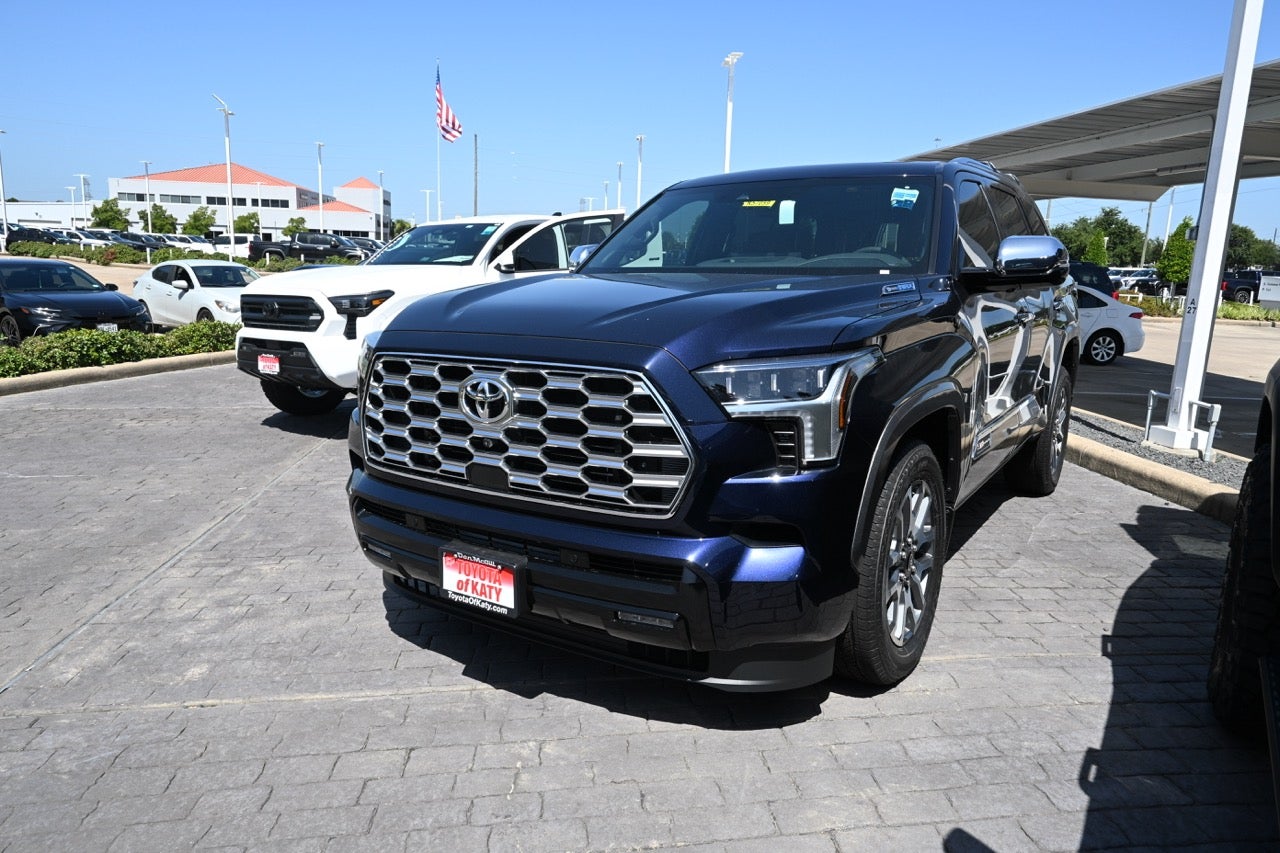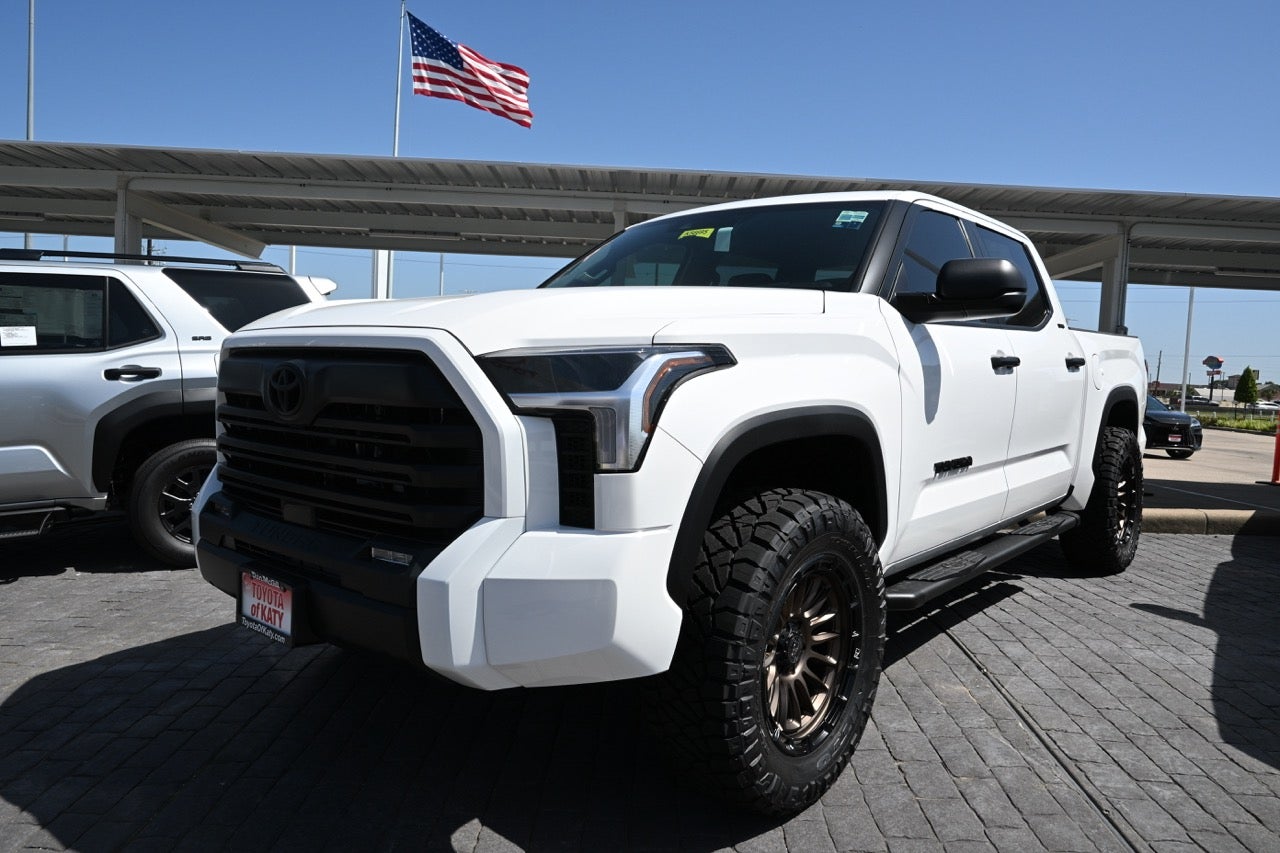


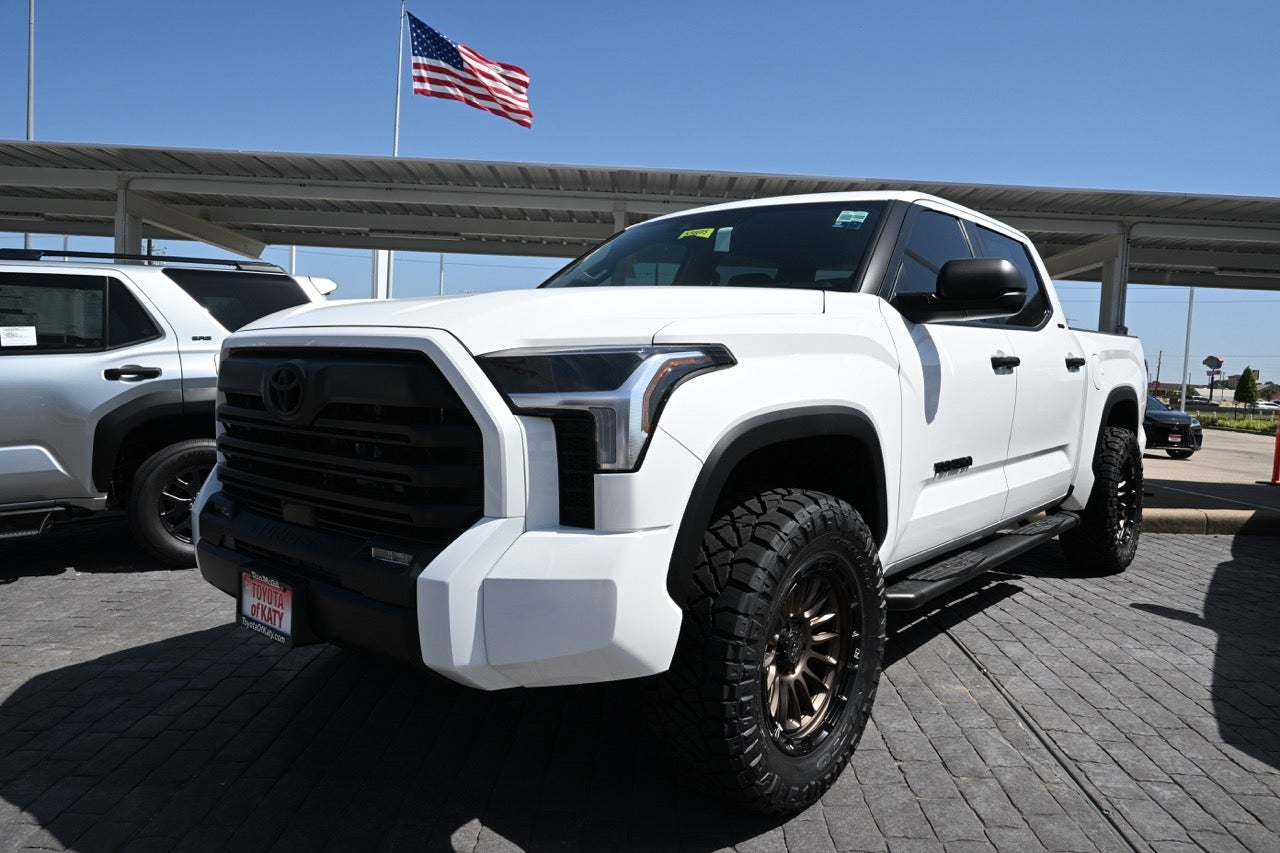
Shoppers ask us which Tundra year is the safe bet, and the honest answer is a short list with conditions attached. Toyota of Katy is a Toyota dealership in Katy, TX, that sells new and used Toyota vehicles and offers financing and service. We've spent over 20 years helping drivers pick trucks. Below are the best years for used Toyota Tundras, in our view, along with our reasons.
Best Used Toyota Tundra Years at a Glance
Our recommended sweet spot is 2018 through 2021. Those trucks pair the standard Toyota Safety Sense-P suite with the proven V8 platform, and the 5.7L V8 was the only engine on 2020 and 2021 trucks. The Tundra also has a strong long-term track record: iSeeCars’ 2025 study found it has a 30% chance of reaching 250,000 miles, the highest of any light-duty pickup and 6.3 times the average vehicle. Treat any model-year list as a starting point, though, because service history and how the truck was used matter more than the year alone.
Top Picks by Priority: Reliability, Value and Modern Features
Consumer Reports rates 2011, 2016, and 2020 as more reliable than other vehicles from their model years, and it rates 2008 as about average. For modern features, 2018 is the year Toyota Safety Sense-P became standard on all trims. It adds forward-collision warning with automatic braking and pedestrian detection, lane-departure warning, and adaptive cruise control.
Trucks from 2007 to 2017 cost less, but their cabins feel older, and they lack the standard driver-assist suite. For towing, the 2020 and 2021 trucks are our top used pick, with the 5.7L V8 and the Tow Package.
Matching that to your needs looks like this:
-
Towing: 2020–2021 with the 5.7L V8.
-
Commuting: 2018–2021 for the standard safety suite.
-
Budget: 2011 or 2016 for the Consumer Reports ratings, and 2007–2017 generally for lower cost.
-
Modern tech: 2021 SR with a standard 7-inch touchscreen and Apple CarPlay and Android Auto, or a third-generation truck with larger screens.
Model Years to Approach With Caution
These years deserve a close inspection, and none should be written off automatically. For each of them, run the VIN to check for open recalls before you commit.
The 2007 and 2008 trucks mark the start of the second generation. Consumer Reports rates 2008 as about average, so confirm repair history. Reports for 2012 are mixed, so judge each truck on its own records. Consumer Reports rates the 2022 Tundra much less reliable than other vehicles from its model year and lists 13 recalls for 2022–2023.
Toyota Tundra Generations Compared
There are three generations, and the second is the one most used shoppers should spend their time in.
First Generation Tundra
The first generation ran from 2000 to 2006. Consumer Reports describes the 2000 as comfortable and quiet, with a smooth powertrain and convincing towing and hauling. A crew cab and optional stability control arrived for 2004. These trucks are older now, so condition matters more than the badge.
Second Generation Tundra
The second generation runs from 2007 to 2021. Buyers could choose from three cab sizes and three bed lengths, and 4WD is part-time. The table below compares it with the redesigned third generation.
| Generation/Years | Engine options | Transmission | Horsepower/Torque | Max towing |
|---|---|---|---|---|
| Second generation, 2007–2021 | 4.0L V6 (through 2014), 4.7L V8 (2007–2009), 4.6L V8 (2010–2019), 5.7L V8 | Six-speed automatic (2020–2021) | 5.7L: 381 hp, 401 lb.-ft. 4.6L: 310 hp, 327 lb.-ft. | 10,200 lb. (2021, SAE J2807) |
| Third generation, 2022 onward | Twin-turbo i-FORCE V6, i-FORCE MAX hybrid | 10-speed automatic | V6: up to 389 hp, 479 lb.-ft. Hybrid: up to 437 hp, 583 lb.-ft. | Up to 12,000 lb. |
Those towing figures are the maximums for each model year, and many configurations rate lower.
Third Generation Tundra
The third generation brought a boxed steel-ladder frame and an aluminum-reinforced composite bed designed to resist dents and rust. A multi-link coil-spring rear suspension replaced leaf springs. Toyota Safety Sense 2.5 and Blind Spot Monitor come standard, along with Rear Cross Traffic Alert, and a 14-inch touchscreen is available. Wireless Apple CarPlay and Android Auto, along with over-the-air updates, are included. If you would rather buy a new Toyota Tundra, this is the generation you would be shopping.
Best Used Toyota Tundra Years to Buy
If you want the best year for a used Toyota Tundra, start with the late second generation. We recommend 2018–2021 for most buyers, with 2020 and 2021 at the top.
Second-Generation 5.7L V8 Years
The 5.7L V8 makes 381 hp and 401 lb.-ft. with a six-speed automatic. For 2020, Toyota powered every Tundra with the 5.7L V8. We point to 2020–2021 because that pairing is well established.
Later Second-Generation Years
Consumer Reports rates the 2020 model year as more reliable than other model years. The 2021 includes Toyota Safety Sense-P on every grade, plus Blind Spot Monitor and Rear Cross Traffic Alert. Those two are available on SR5 and Limited and standard on Platinum and 1794 Edition. The SR has a 7-inch touchscreen with Apple CarPlay and Android Auto. The 2021 was assembled at Toyota's San Antonio plant.
For towing, 2020 trucks reach up to 10,200 lb. on a 4x2 Double Cab, 10,100 lb. on a 4x2 CrewMax, 9,900 lb. on a 4x4 Double Cab, and 9,800 lb. on a 4x4 CrewMax. The Tow Package includes a receiver hitch, TOW/HAUL mode, and a trailer brake controller, plus supplemental coolers. If you want a Tundra with a certified history, explore our Toyota Certified Used Vehicles.
Budget-Friendly Older Tundra Options
Trucks from 2007 to 2017 cost less, and 2011 and 2016 carry the better Consumer Reports ratings. The tradeoff is an older-feeling cabin and no standard driver-assist suite. A documented, well-kept older truck beats a neglected one from a preferred year. If budget is the deciding factor, explore financing options to plan your purchase. For first-generation trucks, condition is the whole story.
Used Tundra Years and Problems to Watch For
Searches for Toyota Tundra problems by year often rely on complaint totals alone. We wouldn't. A truck's age, how many were sold, and how owners report issues all skew those numbers, so inspect the truck in front of you. Anyone asking about years to avoid should hear the same advice: check recalls by VIN, every time.
For 2022–2023, the most important is an engine recall: certain non-hybrid trucks with the twin-turbo V6 may have machining debris left in the engine, which can cause knocking, rough running, or stalling, and Toyota replaces the engine assembly free of charge. The recall was later expanded to certain trucks built through April 2024. Other recalls include fuel tube chafing on certain 2022–2023 trucks, rear-axle flange nuts that may loosen on certain 2022 trucks, and rearview-image software and reverse-light moisture on certain 2022–2025 trucks. On any 2022–2024 Tundra, ask for proof that the engine recall work was completed.
The 2018–2021 era has its own items. They include a headlight circuit recall for certain 2018–2021 trucks, a fuel pump recall for certain 2019–2020 trucks, and a turn-signal wiring recall for certain 2018–2020 trucks with LED headlights. Ask for proof the work was done.
Choosing the Right Engine, Cab Style and Drivetrain
Three trade-offs come up most often.
V8 versus V6: The 5.7L V8 is our pick for regular towing and hauling. A third-generation twin-turbo V6 offers up to 389 hp and 479 lb.-ft. with a 10-speed automatic, so it suits shoppers who want newer technology.
Double Cab versus CrewMax: The Double Cab offers a 6.5-ft. or 8.1-ft. bed and 34.7 in. of rear legroom in 2021. The CrewMax has a 5.5-ft. bed and 42.3 in. of rear legroom. If the truck is mostly for work, the Double Cab fits. Families will likely prefer the CrewMax.
4x2 versus 4x4: A 4x2 tows slightly more on paper in 2020. A 4x4 helps with traction on muddy ranch roads and boat ramps.
Mileage is the other tradeoff. A high-mileage truck with full records usually beats a lower-mileage one with none. Service records and towing use matter more than the odometer alone.
What Katy, TX Truck Shoppers Should Consider
Shoppers in Katy and the Greater Houston area tend to ask the same practical questions. Match the truck to the job first, then compare years.
Everyday Driving, Towing and Hauling in Texas
Daily runs on I-10 and the Grand Parkway, or drives into the Energy Corridor, reward a truck with the standard safety suite and adaptive cruise control. That points to 2018 and newer. Weekend towing to a lake, a ranch, or a livestock show calls for a 5.7L V8 with the Tow Package. Always compare the truck's actual ratings with those for your loaded trailer.
Heat, Humidity and Gulf Coast Wear Checks
Run the A/C throughout every test drive, at idle and at speed. Toyota's 2021 High Solar Energy-Absorbing glass filters solar heat and UV that could damage cabin materials, a useful feature if you park outside. On any truck, look under the truck at the hitch and frame for signs of hard towing.
How to Inspect a Used Toyota Tundra Before Buying
Start with paperwork, then move to the truck. Ask about towing history, and request maintenance records and vehicle history. Run a VIN recall check. Then check these items:
-
Look under the truck at the hitch and frame for signs of hard towing.
-
Check the tow hitch and wiring condition.
-
Look at brake and suspension wear.
-
Drive at highway speed and listen for sounds that change with road speed.
-
Run the A/C the whole drive.
-
On 2022 and newer trucks, check how the transmission behaves in traffic.
Our service center can help you plan a pre-purchase look. You can reach it at 832-772-1700, Monday through Friday, 7 AM to 6 PM, and Saturday, 7 AM to 5 PM.
Frequently Asked Questions
What is the most reliable Toyota Tundra year?
No single year fits every buyer. Consumer Reports rates the 2011, 2016, and 2020 models as more reliable than other vehicles from those model years. For modern safety gear, we suggest 2018–2021. Maintenance and prior use still matter most.
Is a high-mileage Tundra worth buying?
Often yes, when records back it up. RepairPal rates the Tundra 3.5 out of 5.0 for reliability, with an average annual repair cost of $606 and major repairs that occur less often than average for full-size trucks. Service records and towing use still matter more than the odometer alone, so inspect the hitch and frame, check the brakes and suspension, and run the VIN for recalls before you decide.
Which used Tundra is best for towing?
Start with a 2020 or 2021 with the 5.7L V8 and the Tow Package. The 2021 model-year maximum is 10,200 lb. under SAE J2807, and actual figures depend on equipment. Third-generation trucks go up to 12,000 lb., though that is the top figure for the model year and many configurations rate lower.
Final Verdict: Browse Used Toyota Tundra at Toyota of Katy
Our shortlist is simple. Target 2018–2021 for the best mix of safety equipment and a proven V8, with 2020 and 2021 first for towing. Consider 2011 or 2016 if you want a lower cost of entry. Inspect 2007–2008, 2012, and 2022–2023 closely (on early third-generation V6 trucks, confirm the engine recall work was completed), and run the VIN for open recalls on all of them.
Tundra reliability comes down to the year, the individual truck, and the condition of the one you're looking at; its records will tell you most of what you need to know. Ready to compare in person? Browse our used Toyota Tundra trucks in Katy, then contact us or call sales at 844-809-1063, Monday through Saturday, 9 AM to 7 PM. We are proud to be the number 1 volume certified Toyota dealer and a Toyota President's Award winner, and we are glad to help you find the right truck.