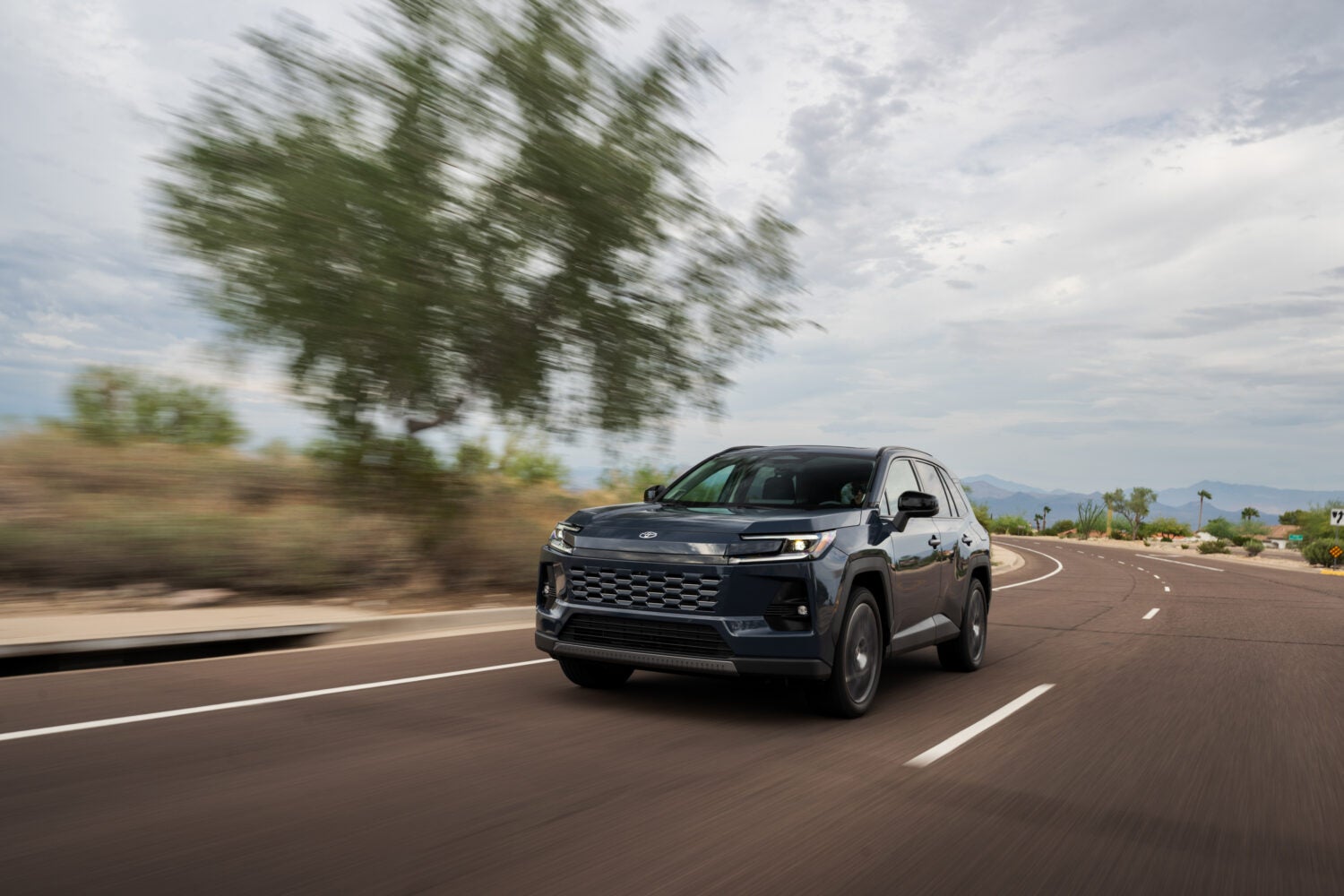


Blog / Toyota bZ

Toyota bZ XLE vs. Limited: What's the Difference?

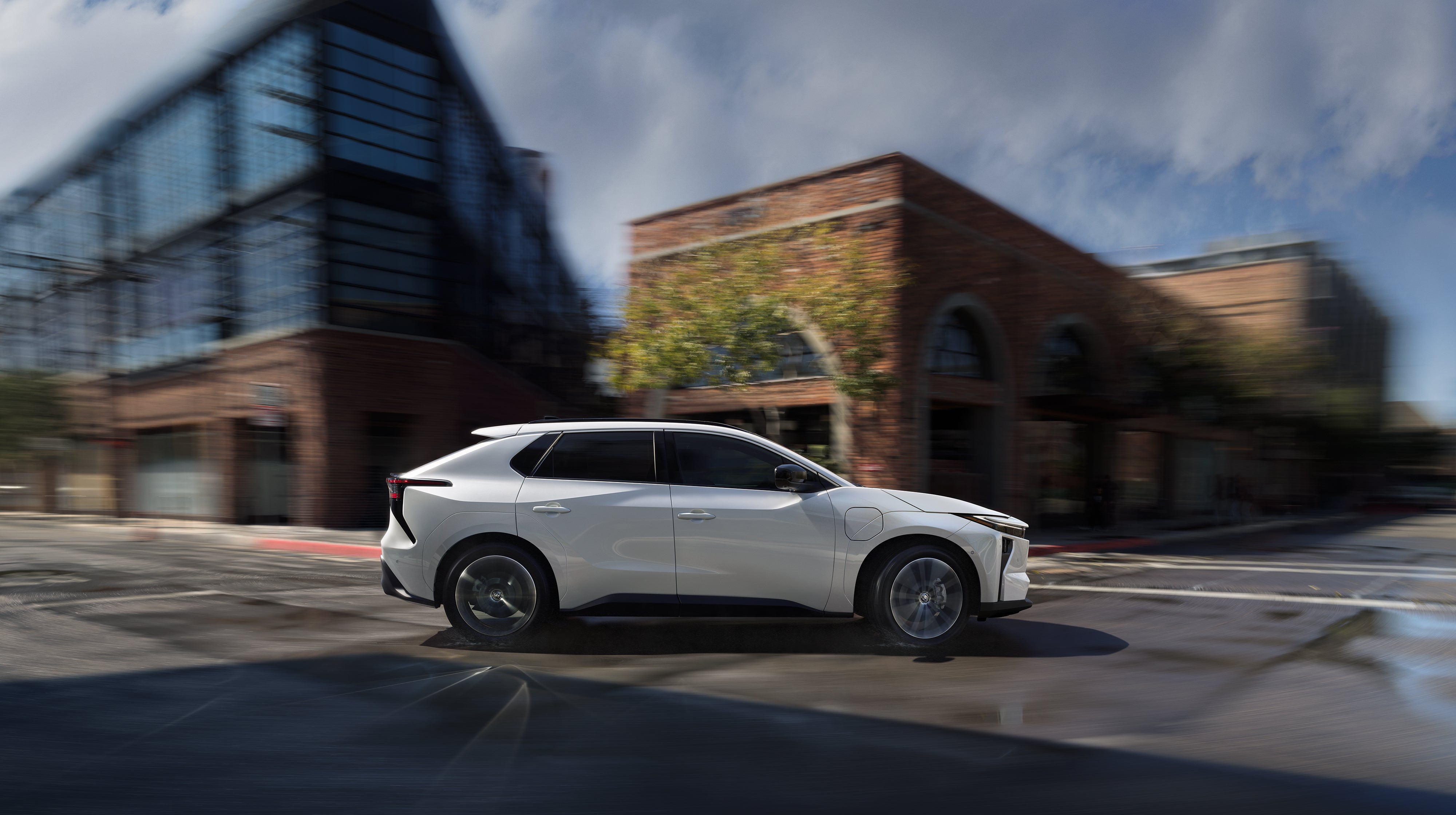
Toyota 2027 bZ Limited

If you're shopping for an all-electric SUV in Katy, TX, the Toyota bZ is worth a closer look. With modern styling, a spacious interior, responsive electric performance, and advanced technology, this all-electric Toyota SUV offers a practical way to make the switch from gasoline to electric driving.


But which trim is right for you? The Toyota bZ XLE vs. Limited comparison comes down to price, comfort, exterior styling, driver-assistance technology, and the features you want in your next SUV. Both trims offer all-electric driving and useful everyday amenities, while the Limited adds several premium upgrades.


At Toyota of Katy, we're helping local drivers understand what separates these two bZ trims so they can make a more informed decision.


Toyota bZ XLE vs. Limited: Key Differences at a Glance

The following comparison covers the 2026 Toyota bZ lineup. Features, pricing, and availability can vary by model year and configuration.


Feature Toyota bZ XLE Toyota bZ Limited
Position in lineup Entry trim Premium trim
Drivetrain FWD, FWD Plus, or AWD, depending on configuration FWD or AWD
Wheels 18-inch alloy wheels with covers 20-inch alloy wheels
Front seats Heated, fabric/SofTex-trimmed Heated and ventilated, SofTex-trimmed
Driver's seat 8-way power adjustment 8-way power adjustment with lumbar support
Front passenger seat 6-way adjustment 8-way power adjustment
Infotainment 14-inch touchscreen 14-inch touchscreen
Driver-assistance technology Toyota Safety Sense 3.0 and standard safety features Additional advanced driving and parking assistance features
Premium audio Standard six-speaker system Optional nine-speaker JBL Premium Audio
Panoramic glass roof Available Standard


The biggest distinction is that the XLE delivers a well-equipped electric SUV with a strong set of standard features, while the Limited focuses on enhanced comfort, upgraded styling, and additional driver-assistance technology.


1. Price and Overall Value

For many shoppers, the first question is whether the Toyota bZ Limited's extra features justify its higher price.

For the 2026 model year, Toyota lists the following starting MSRPs:


  • Toyota bZ XLE: $34,900
  • Toyota bZ Limited: $43,300


That represents an $8,400 difference in base MSRP before applicable taxes, fees, incentives, and dealer-installed options. Actual vehicle prices can vary based on drivetrain, configuration, and available inventory.


The XLE makes a compelling case for drivers who want an electric SUV without paying for every available luxury upgrade. Its standard equipment includes a large touchscreen, heated front seats, a heated steering wheel, wireless smartphone connectivity, and a power liftgate.


The Limited is aimed at shoppers who want more premium amenities in their daily driving experience. Its upgraded seating, larger wheels, and additional convenience technology may make the higher price worthwhile if those features are important to you.


When comparing your options at Toyota of Katy, consider the complete vehicle price and equipment of the specific model you're interested in rather than relying on trim-level starting prices alone.


2. Electric Range, Performance, and Drivetrain

Both the Toyota bZ XLE and Limited use an all-electric powertrain, so neither requires gasoline for everyday driving. However, the range and performance you get depend on the trim's drivetrain and battery configuration.


Toyota bZ XLE

The XLE offers front-wheel-drive and all-wheel-drive configurations, including an XLE FWD Plus model with an extended advertised driving range. This variety gives shoppers flexibility when balancing range, traction, and budget.


Toyota bZ Limited

The Limited is available with front-wheel drive or all-wheel drive, combining electric performance with premium amenities. All-wheel-drive models use two electric motors, while front-wheel-drive models use a single electric motor.


The 2026 Toyota bZ offers up to 314 miles of manufacturer-estimated driving range on a full charge for the XLE FWD Plus. The XLE AWD has an EPA-estimated range rating of 288 miles, while Toyota lists an estimated 299 miles for the Limited in its trim overview.


All-wheel-drive models feature up to 338 combined system net horsepower. Front-wheel-drive models produce up to 221 horsepower.


For Katy drivers commuting along I-10, traveling around the Houston area, or planning weekend trips, the right choice depends on your typical mileage, charging routine, and preference for front-wheel or all-wheel drive.


Remember that real-world driving range varies with speed, weather, climate-control use, terrain, and driving habits.


3. Interior Comfort and Seating

Interior comfort is one of the clearest differences between the XLE and Limited.


The Toyota bZ XLE includes fabric and SofTex-trimmed seating, heated front seats, and an eight-way power-adjustable driver's seat. These features make it a practical option for drivers who want everyday comfort without moving into a premium trim.


The Toyota bZ Limited upgrades the cabin with fully SofTex-trimmed seats, heated and ventilated front seats, and an eight-way power-adjustable front passenger seat. The driver's seat also adds lumbar support.


Ventilated front seats can be especially appealing during hot Texas summers, when keeping the cabin comfortable is a priority.


Both trims offer a spacious cabin with 42.1 inches of front legroom and 35.3 inches of rear legroom. The bZ also offers 27.7 cubic feet of cargo space behind the rear seats, providing room for groceries, luggage, and everyday essentials.


Which trim is better for comfort? The XLE covers the essentials, but the Limited is the stronger choice if you want more seating adjustments and front-seat ventilation.


4. Exterior Styling and Wheel Design

Although the two trims share the Toyota bZ's distinctive electric-SUV design, their exterior details help set them apart.


XLE: Practical, Modern Styling

The XLE comes with 18-inch black-and-silver multi-spoke alloy wheels with covers, LED lighting, and the bZ's sleek exterior design. Its appearance suits drivers who prefer a clean, contemporary look.


Limited: A More Premium Appearance

The Limited upgrades to 20-inch black multi-spoke alloy wheels and multi-LED headlights. These details give the SUV a more upscale look without changing its core electric-SUV character.


The Limited also includes a panoramic fixed-glass moonroof with a power sunshade, which is available as an option on the XLE.


If exterior appearance and a panoramic roof are high on your wish list, the Limited offers a more complete package. If you'd rather prioritize value, the XLE still provides modern styling and distinctive design.


5. Technology and Infotainment

You don't have to choose the Limited to get a modern technology experience. Both trims come with a 14-inch Toyota Audio Multimedia touchscreen, wireless Apple CarPlay and Android Auto compatibility, and dual wireless smartphone chargers.


The XLE also includes six speakers, four USB-C charging ports, and customizable ambient lighting. These features help keep the cabin connected and convenient for everyday commutes.


The Limited builds on that foundation with additional premium and driver-assistance options. Available nine-speaker JBL Premium Audio, including a subwoofer and amplifier, is a notable upgrade for drivers who enjoy a richer sound system.


The key takeaway is that both trims provide a large central display and essential smartphone connectivity. The Limited is worth considering if you want to take the in-cabin experience to the next level.


6. Safety and Driver-Assistance Features

Safety technology is important whether you're navigating busy Katy intersections, merging onto the freeway, or parking in a crowded shopping center.


Both the XLE and Limited include Toyota Safety Sense 3.0 and a range of standard safety and driver-assistance features. Depending on the system, these technologies can help with collision avoidance, lane awareness, and adaptive cruise control.


The Limited adds several convenience-focused technologies that go beyond the XLE's standard equipment, including:


  • Lane Change Assist: Helps support lane changes when the system's operating conditions are met.
  • Traffic Jam Assist: Provides driving assistance in certain traffic conditions when eligibility requirements are satisfied.
  • Front Cross-Traffic Alert: Helps detect approaching vehicles from the sides at certain intersections or when pulling forward from a parking space.
  • Advanced Park: Helps the driver maneuver into and out of selected parking spaces.


Some features require an active Remote Connect subscription and have additional operating requirements. Driver-assistance systems do not replace attentive driving.


For drivers who frequently encounter heavy traffic or tight parking spaces, these additional technologies may be an important reason to consider the Limited.


7. Charging the Toyota bZ at Home and on the Road

Charging convenience is another consideration when deciding between the Toyota bZ XLE and Limited.


Both trims support Level 1 and Level 2 home charging and compatible DC fast charging. The 2026 bZ also features a North American Charging System (NACS) charging port, providing access to compatible charging stations across the country.


  • Level 1 charging: Uses a standard household outlet and can work for drivers with relatively low daily mileage who have plenty of time to charge.
  • Level 2 charging: Uses a 240-volt power source and is generally better suited for overnight home charging.
  • DC fast charging: Can replenish the battery much more quickly at compatible public charging stations. Toyota estimates that charging from 10% to 80% takes approximately 30 minutes under ideal conditions.


Charging times vary based on battery temperature, charger output, battery state of charge, and other factors.

Neither trim automatically makes more sense for charging simply because of its equipment level. Your daily mileage, home charging setup, and access to public chargers should guide your decision.


Which Toyota bZ Trim Is Right for You?

The best choice depends on which features matter most to you and how much you're willing to spend.


Choose the Toyota bZ XLE If...

  • You want a lower starting price.
  • Heated front seats and a heated steering wheel meet your comfort needs.
  • You want a large touchscreen and wireless smartphone connectivity.
  • You prefer to prioritize electric range and value, including the XLE FWD Plus configuration.


Choose the Toyota bZ Limited If...

  • You want heated and ventilated front seats.
  • You prefer larger 20-inch wheels and upgraded headlights.
  • A panoramic glass roof is on your must-have list.
  • You value additional driver-assistance features and premium audio options.

Explore the Toyota bZ at Toyota of Katy

Comparing the Toyota bZ XLE vs. Limited is a great starting point for finding an electric SUV that fits your daily routine. The XLE offers a strong combination of technology, comfort, and electric capability, while the Limited adds premium seating, distinctive exterior details, and additional convenience features.


The next step is to compare the available configurations and determine which one best fits your driving habits, charging needs, and budget.


At Toyota of Katy, located on Katy Freeway in Katy, TX, you can explore available Toyota bZ models and get help comparing trims, features, and pricing.


Ready to explore electric driving? Browse the Toyota bZ inventory at Toyota of Katy or contact our team to learn more about available models and schedule a test drive.


Specifications and pricing are based on published information for the 2026 Toyota bZ and may differ for 2027 models. Confirm the equipment, pricing, and availability of the specific vehicle before purchasing.
Posted in:

Recommended Posts

2026 Toyota Grand Highlander at Toyota of Katy

What's the Difference Between the Toyota Grand Highlander XLE and Platinum?

Whether you're hauling the family down I-10 to San Antonio or loading up for a weekend in the Hill Country, your vehicle needs to handle it all without compromise. The Toyota Grand Highlander has become a serious contender for families across Katy and the Greater Houston area, and the debate often comes down to two trims: the XLE and the Platinum. Each offers something compelling, but they suit different kinds of drivers. If you're weighing the Grand Highlander XLE vs. Platinum for your next road-trip vehicle, this guide breaks down what actually sets them apart. Explore our Toyota dealership in Katy and browse our Grand Highlander inventory once you know which trim fits. Why Texas Families Debate Grand Highlander XLE vs. Platinum The XLE earns respect as a practical, well-equipped option that doesn't stretch the budget too far. The Platinum earns attention for a cabin experience that feels closer to a luxury vehicle than a family hauler. Long highway stretches, intense summer heat, sudden rainstorms, and occasional trailer towing all put real demands on a three-row SUV, and that's where meaningful differences between the two trims start to show. Grand Highlander Trim Lineup: Where XLE and Platinum Stand Toyota's 2026 Grand Highlander lineup has four trims: LE, XLE, Limited, and Platinum, with each step adding features, comfort, and technology. The XLE is the entry point for buyers who want a genuinely well-equipped Grand Highlander, offering a strong feature set without padding the price with extras you may not need. The Platinum tops the lineup, built for buyers who want the most refined Grand Highlander experience, with premium materials and more advanced technology. Pricing shifts often and varies by dealer, but as a general guide, the XLE has an MSRP starting near $45,030, while the Platinum starts near $55,445. That's a meaningful gap, and whether it's worth it depends entirely on what you prioritize. Grand Highlander XLE: Comfort and Capability for Everyday Trips The XLE is where most families start when they discover just how capable the Grand Highlander actually is. It offers three rows of genuinely usable space, a comfortable ride, and enough technology to keep everyone connected. For daily driving around Katy, it checks every box without overcomplicating the decision. Standard Tech and Family-Friendly Features The XLE comes with a 12.3-inch touchscreen, wireless Apple CarPlay® and Android Auto™, Digital Key, and heated front seats trimmed in synthetic leather. Three-zone automatic climate control helps manage cabin temperature on hot Texas days, and second-row sunshades keep the sun off backseat passengers on long drives. A wireless charging pad and power liftgate round out the everyday-convenience list, and seating for up to eight gives families room to spread out. Powertrain and Towing for Highway Cruising The Grand Highlander XLE runs on Toyota's 2.4-liter turbocharged four-cylinder engine, producing 265 horsepower and 310 lb-ft of torque, and is paired with an eight-speed automatic transmission. That's confident merging and passing power for Texas interstates, even with a full load of passengers and luggage. Towing capacity reaches up to 5,000 pounds when properly equipped. The XLE comes standard with FWD, with AWD available as an approximately $1,600 option, worth considering if you're planning trips through unpredictable Gulf Coast weather. Fuel economy for the FWD XLE is rated at 21 mpg city, 28 mpg highway, and 24 mpg combined. Grand Highlander Platinum: Premium Comfort for Long-Haul Road Trips The Platinum keeps everything that makes the XLE practical and capable, then layers in luxury materials and a more polished driving experience that's especially noticeable over long distances. If your family does multi-day road trips across Texas, the Platinum's upgrades shift from nice-to-have to genuinely worthwhile. Luxury Materials and Cabin Technology Step inside the Platinum, and the difference is immediate. Genuine leather seating replaces the XLE's synthetic upholstery, and the seats are heated and ventilated front and rear, a real advantage on scorching Texas summer days. A panoramic power roof adds an airy feel while still shading the cabin, and a 10-inch Head-Up Display puts speed and navigation directly in the driver's line of sight. A digital rearview mirror and Panoramic View Monitor give a clearer, wider look around the vehicle, particularly useful when navigating parking lots or towing. Advanced Safety and Driver-Assist Features The Platinum comes standard with AWD, which pairs well with sudden downpours common along the Gulf Coast, along with the added visibility of the Panoramic View Monitor and digital rearview mirror. Fuel economy for the AWD Platinum comes in at 20 mpg city, 26 mpg highway, and 22 mpg combined, a reasonable trade-off for the extra traction and confidence. XLE vs. Platinum: Side-by-Side for Texas Road Trips Both trims share the same 2.4-liter turbocharged engine, 265 horsepower, and 310 lb-ft of torque, an eight-speed automatic transmission, seating for eight, and a 5,000-pound towing capacity. The table below lays out where they part ways. Spec Grand Highlander XLE Grand Highlander Platinum Drivetrain FWD standard; AWD optional for approximately $1,600 AWD standard Fuel Economy (City/Highway/Combined) 21/28/24 mpg 20/26/22 mpg Seating Material Synthetic leather Genuine leather Key Comfort Features Heated front seats, second-row sunshades Heated and ventilated front and rear seats, panoramic power roof Key Technology 12.3-inch touchscreen, Digital Key, wireless charging 10-inch Head-Up Display, digital rearview mirror, Panoramic View Monitor Approximate Starting MSRP $45,030 $55,445 If you'd like to see these differences in person, contact our team to schedule a test drive at Toyota of Katy. Interior Space and Ride Comfort Both trims share the Grand Highlander's generous passenger volume and cargo space, with identical seating for eight and near-identical legroom throughout all three rows. Where the Platinum pulls ahead is comfort over distance: genuine leather, ventilated seats, and the panoramic roof's shade make a noticeable difference on a six-hour drive to the Hill Country or Gulf Coast. Which Grand Highlander Trim Fits Your Texas Lifestyle? The right answer comes down to how you actually use your SUV, not which trim wins on paper. Best for Budget-Conscious Buyers The XLE offers outstanding value for families who want a capable, well-equipped three-row SUV without stretching into Platinum territory. The spacious cabin, strong powertrain, and full Toyota Safety Sense suite come fully intact, so budget-focused buyers aren't sacrificing the essentials. Best for Multi-Day Family Road Trips The Platinum earns its price premium most clearly for families who regularly take extended road trips. Ventilated seats, standard AWD for sudden weather changes, and the added comfort features can make a difference on a drive to San Antonio, Big Bend, or the Florida coast. Best for Frequent Highway Drivers If your week involves regular highway commuting through Katy and West Houston, the XLE offers a strong balance of comfort, safety tech, and value without paying for features you may not use daily. Test Drive the Grand Highlander XLE or Platinum at Toyota of Katy Reading about these two trims only gets you so far. Sitting in the Platinum's ventilated seats, checking out the Head-Up Display, and experiencing the AWD system firsthand gives you information no comparison article can replicate. Toyota of Katy has served the Katy community for more than 20 years, and our team can walk you through current inventory, available packages, and financing options that fit your budget. Schedule Your Visit Explore our Grand Highlander inventory in Katy to see the current availability of the XLE and Platinum, then contact our team to schedule a test drive. It's a practical way to compare the trims and find the right fit for your family.

A bronze oxide 2026 Toyota Tacoma TRD Off Road on a gravel road

2026 Toyota Tacoma vs Tundra: Key Differences

Picking between the Tacoma and Tundra usually comes down to one question: do you need a truck that fits easily into daily life around Katy, or one built to move serious weight? Both are capable Toyota trucks, but they solve different problems. This guide compares their size, towing, power, fuel economy, and pricing so you can choose the truck that fits how you actually drive, work, and play. Tacoma vs Tundra: Which Toyota Truck Matches Your Needs in Katy? The Tacoma makes sense if you want a mid-size truck that's easier to maneuver and more efficient for everyday driving. The Tundra makes more sense when heavy towing, additional cabin space, or a larger bed is part of your routine. Drivers commuting through Katy or the Energy Corridor may appreciate the Tacoma's smaller footprint when parking and navigating busy streets. Families towing boats to Lake Conroe or workers regularly moving equipment may get more value from the Tundra's additional capacity. The key is matching the truck to what you actually need rather than simply choosing the larger model. If you want to compare current availability while you read, browse our new Toyota inventory at Toyota of Katy. Size and Dimensions: Comparing the Tacoma and Tundra The Tundra is a full-size pickup, while the Tacoma is a mid-size truck. That distinction affects more than appearance. It can change how easily the truck fits into a garage, how comfortable the cabin feels with passengers, and how much room you have for cargo. Exterior Size and Maneuverability Around Katy The Tacoma's smaller footprint gives it an advantage when maneuverability matters. It's easier to work into tighter parking spaces and can feel less cumbersome in crowded shopping centers or older parts of town. The Tundra is wider and substantially larger overall. That added size can make parking and tight turns require more attention, but it also contributes to the truck's larger cabin, greater cargo capacity, and heavier-duty capability. For drivers who spend more time towing or hauling than squeezing into tight parking spaces, that tradeoff may be worthwhile. Cabin Space, Legroom, and Bed Configurations The Tundra offers more interior space, making it the better choice if you regularly carry adults in the second row or take longer family trips. The Tacoma can still accommodate passengers comfortably, but its mid-size dimensions make it easier to live with if maximum cabin space isn't a priority. Bed configurations also differ. The Tacoma offers 5-foot and 6-foot bed options, while the Tundra is available with 5.5-foot, 6.5-foot, and 8.1-foot beds. That extra bed capacity can matter when you're regularly hauling lumber, landscaping equipment, furniture, or other bulky cargo. In practical terms, the Tacoma gives you a more manageable truck for everyday driving, while the Tundra gives you more room to work with when passenger and cargo demands increase. Towing and Payload: How Much Can Each Truck Handle? This is where the difference between the two trucks becomes most obvious. The 2026 Tacoma can tow up to 6,500 pounds and carry up to 1,705 pounds of payload, while the 2026 Tundra reaches up to 12,000 pounds of towing capacity. Spec Tacoma Tundra Powertrain 2.4L turbo or available i-FORCE MAX hybrid i-FORCE twin-turbo V6 or available i-FORCE MAX hybrid Max Horsepower 326 hp with i-FORCE MAX 437 hp with i-FORCE MAX Max Torque 465 lb-ft with i-FORCE MAX 583 lb-ft with i-FORCE MAX Max Towing Up to 6,500 lbs. Up to 12,000 lbs. Max Payload Up to 1,705 lbs. Up to 1,850 lbs.* Bed Lengths 5 ft. / 6 ft. 5.5 ft. / 6.5 ft. / 8.1 ft. Transmission 8-speed automatic or available 6-speed manual 10-speed automatic *Maximum payload varies by configuration. Always verify the specific vehicle's published ratings before towing or hauling. Max Towing Capacity by Powertrain The Tundra has a substantial advantage when towing is a major part of your routine. It's available with a 12,000-pound maximum, which gives it significantly more capacity for larger boats, campers, trailers, and work equipment. The available i-FORCE MAX hybrid produces 437 horsepower and 583 lb-ft of torque, giving the Tundra strong low-end pulling power. The Tacoma's 6,500-pound maximum is much lower, but that doesn't make it inadequate for lighter towing. A smaller boat, utility trailer, recreational equipment, or weekend project may fit comfortably within the Tacoma's capabilities. The important question is how much you tow and how frequently you do it. Payload Ratings for Work and Recreation Payload is closer between the two trucks than towing capacity, but the Tundra still has the edge. If you're routinely carrying heavy tools, materials, equipment, or other cargo in the bed, the Tundra gives you more capacity to work with. For occasional hauling, however, the Tacoma's payload rating is substantial for a mid-size pickup. If most of your truck use involves commuting during the week and smaller projects on weekends, you may not need the Tundra's additional capability. Powertrain, Performance, and Fuel Economy The Tundra produces more power, while the Tacoma's smaller size and available hybrid powertrain make it appealing for drivers who don't need full-size truck capability every day. Engine Options and Horsepower Compared The Tacoma uses a 2.4-liter turbocharged four-cylinder engine producing up to 278 horsepower and 317 lb-ft of torque. The available i-FORCE MAX hybrid increases output to 326 horsepower and 465 lb-ft of torque. Toyota also offers a six-speed manual transmission on select Tacoma configurations. The Tundra starts with a twin-turbo V6 producing up to 389 horsepower and 479 lb-ft of torque. The available i-FORCE MAX hybrid increases output to 437 horsepower and 583 lb-ft. Both Tundra powertrains use a 10-speed automatic transmission. That difference is noticeable if you're towing or carrying substantial weight. For drivers who primarily commute and use their truck for everyday errands and lighter jobs, the Tacoma's powertrain offers plenty of capability without the need to step up to a full-size pickup. Fuel Efficiency for Katy Commuters and Highway Drivers The Tacoma generally has the fuel-economy advantage, particularly when compared with a full-size Tundra. The 2026 Tacoma's available i-FORCE MAX hybrid is rated at up to 23 mpg combined, while certain gas configurations reach 26 mpg on the highway. The 2026 Tundra's gas models are rated at 18 mpg city and 23 mpg highway in their most efficient configurations, while available i-FORCE MAX models improve efficiency compared with the standard gas powertrain. For someone driving the Katy Freeway every day, fuel economy can become a meaningful ownership consideration. If your driving is mostly commuting with occasional towing, the Tacoma can make more sense. If you're regularly pulling a trailer or carrying heavy loads, the Tundra's additional capability may be worth the tradeoff. Everyday Usability: Commuting, Hauling, and Weekend Trips The Tacoma is the easier truck to justify when everyday driving is the priority. Its smaller dimensions can make parking and maneuvering less stressful, while its fuel economy is better suited to a commute-heavy routine. It can still handle weekend trips, home-improvement projects, recreational gear, and lighter towing. The Tundra becomes more compelling when your truck needs to do more than commute. Its larger cabin is better suited to families and passengers, while its towing and bed capacity provide more flexibility when you're hauling substantial loads. One thing we hear from truck shoppers is that the decision isn't always about which truck is more capable. It's about whether you will actually use that extra capability. If you don't regularly tow or haul heavy loads, the Tacoma may give you everything you need without adding the size of a full-size pickup. Off-Road and Work-Ready Capability Both trucks offer serious off-road equipment, but they approach the job differently. The Tacoma's smaller size makes it particularly well-suited to tight trails, while the Tundra combines off-road equipment with full-size towing and hauling capability. The Tacoma TRD Off-Road offers equipment such as Bilstein shocks, Crawl Control, Multi-Terrain Select, and an available electronically locking rear differential. The TRD Pro and Trailhunter take things further with specialized suspension and off-road hardware. Toyota's 2026 Tacoma Trailhunter, for example, uses Old Man Emu 2.5-inch forged monotube shocks and 33-inch all-terrain tires. The Tundra also offers TRD Off-Road and TRD Pro configurations with equipment designed for more demanding terrain. The TRD Pro combines that off-road capability with substantially greater towing capacity than the Tacoma, making it a better fit for someone who wants a single truck to handle both serious trail use and heavy towing. Pricing and Long-Term Value Considerations The Tacoma has a lower starting price, with the 2026 model beginning at $32,545 before destination and other charges. The 2026 Tundra starts at $41,260. That price difference reflects more than the badge. The Tundra is a larger, more powerful full-size truck with substantially greater towing capacity and additional interior and cargo space. The Tacoma costs less to get into and may be the better value if you don't need those extra capabilities. In other words, don't automatically assume the more expensive truck is the better choice. The right truck is the one whose capability matches your actual needs. Which Toyota Truck Fits Your Katy Lifestyle? If you're commuting from Katy to the Energy Corridor most weekdays, handling errands around town, and occasionally towing a smaller trailer for weekend recreation, the Tacoma is likely the better fit. It's easier to maneuver, more efficient, and still offers meaningful towing and off-road capability. If you're regularly towing a larger boat or camper, hauling equipment, carrying a full crew, or simply want the additional space of a full-size pickup, the Tundra makes more sense. Its higher towing capacity, larger cabin, and bigger bed give you considerably more room to work with. Choose the Tacoma for Daily Driving and Versatility The Tacoma is a strong choice for drivers who want a truck that can handle the commute, errands, weekend projects, and recreational trips without the size of a full-size pickup. It's particularly appealing if maneuverability and fuel economy matter as much as towing capacity. Choose the Tundra for Maximum Power and Space The Tundra is the better choice when towing, hauling, passenger space, or bed capacity are high on your list. Its larger dimensions come with a substantial increase in capability, making the additional size easier to justify for drivers who regularly put their truck to work. If you're leaning toward the Tundra, browse Tundra inventory at Toyota of Katy to see current trim availability. You can also explore financing options to compare what the two trucks could look like within your budget. Test Drive the Tacoma or Tundra at Toyota of Katy Numbers on a spec sheet only tell part of the story. Driving both trucks is the easiest way to understand the difference in size, seating position, ride, visibility, and overall feel. We're located at 21555 Katy Fwy, Katy, TX 77450, and our team can walk you through the differences between the Tacoma and Tundra based on how you plan to use your truck. If you're ready to compare them side by side, contact Toyota of Katy online to schedule a test drive, or stop by to see the Tacoma and Tundra lineups in person.

2026 Toyota RAV4 HEV racing down an open road

2027 Toyota RAV4: What We Know So Far

The RAV4 is one of the most-shopped SUVs among drivers in Katy and West Houston, and plenty of them are wondering what the 2027 model will bring. Toyota hasn't published official 2027 details yet, so this page separates what's reported from what's expected to carry over from the redesigned 2026 model. We'll update it as Toyota releases official information. If you want to talk through your options today, contact our team. 2027 RAV4 Status at a Glance Confirmed by Toyota No official 2027 RAV4 specifications, features, or pricing have been announced. Reported for 2027 Possible drive-mode changes for all-wheel-drive hybrids in Japan, including Mud & Sand and Snow & Dirt modes. These changes have not been confirmed for the U.S. U.S. showroom arrival in fall or winter 2026, according to dealer previews. Expected to carry over from 2026 Hybrid-only lineup with Hybrid and Plug-In Hybrid powertrains 226 hp (FWD Hybrid), 236 hp (AWD Hybrid), and 324 hp (Plug-In Hybrid) Up to 52 miles of manufacturer-estimated all-electric driving range on the Plug-In Hybrid Core, Rugged, and Sport design styles Toyota Safety Sense 4.0 The 2027 RAV4 Is Expected to Build on the Redesigned Sixth Generation The 2026 model introduced a complete redesign and a hybrid-only lineup. With that major change already in place, the 2027 RAV4 is expected to be a carryover model, although Toyota has not confirmed its specifications or equipment. 2027 Toyota RAV4 Reported Updates The items below come from early reporting and dealer previews rather than official Toyota announcements. Based on the 2026 redesign, the 2027 lineup is expected to remain hybrid-only. Rumored Drive Mode Update Japanese outlet Creative Trend reports that Toyota may change the available off-road drive modes on all-wheel-drive RAV4 hybrids for 2027. The reported changes include Mud & Sand and Snow & Dirt modes, which could replace the existing Trail mode. Today's U.S.-market Woodland uses Trail and Snow modes. This report concerns the Japanese market and has not been confirmed for the U.S. lineup. It also does not point to a broader redesign, which would be consistent with a relatively quiet model year following the 2026 overhaul. Expected Arrival Near Katy U.S. dealer previews point toward a fall or winter 2026 showroom arrival, similar to the 2026 RAV4 Hybrid, which Toyota expected to reach U.S. dealerships in December 2025. If that pattern holds, Katy shoppers should watch for the 2027 RAV4 in late 2026. Anticipated Pricing Toyota hasn't announced pricing for the 2027 RAV4, so there isn't a reliable basis for estimating its price. For reference, the 2026 RAV4 Hybrid LE starts at $31,900 before Toyota's applicable Dealer Processing and Handling fee. We'll update this section when official 2027 pricing becomes available. Hybrid-Only Lineup: Powertrain Options Expected to Carry Over Since a full redesign already happened for 2026, the 2027 RAV4 is expected to carry over the same two powertrain families. The specifications below are for the 2026 model and should not be treated as confirmed figures for 2027. The 2026 standard Hybrid produces 226 combined system net horsepower with front-wheel drive and 236 horsepower with all-wheel drive. Fuel economy varies by trim and drivetrain, with the FWD LE, SE, and XLE Premium rated at 47 city/40 highway MPG. AWD models include the Woodland at 41 city/35 highway and the XSE and Limited at 43 city/37 highway. The Plug-In Hybrid pairs a 2.5-liter four-cylinder engine with an electric drive system and a 22.7-kWh battery to produce 324 net combined system horsepower. Every PHEV grade comes standard with AWD. It offers up to 52 miles of manufacturer-estimated all-electric driving range. Once the battery depletes, combined MPG runs 41 on SE and XSE, 38 on Woodland, and 37 on GR SPORT. XSE and Woodland PHEV models also support DC fast charging, capable of charging from 10 to 80 percent in about 30 minutes under ideal conditions. FWD Hybrid AWD Hybrid Plug-In Hybrid Horsepower 226 hp 236 hp 324 hp Fuel economy Up to 47 city / 40 highway MPG Up to 43 city / 37 highway MPG Up to 43 combined MPG-equivalent* Electric range None None Up to 52 miles (manufacturer-estimated) Drivetrain Front-wheel drive Electronic on-demand AWD Electronic on-demand AWD, standard Available grades LE, SE, XLE Premium LE, SE, XLE Premium, Woodland, XSE, Limited SE, XSE, Woodland, GR SPORT Choosing the Right Powertrain for Katy and Houston-Area Driving The right RAV4 depends on how you drive, where you park overnight, and how much you want to spend, since the Plug-In Hybrid starts well above the standard Hybrid. FWD Hybrid: If your weekdays mean stop-and-go I-10 traffic into the Energy Corridor, and you don't need to charge, the FWD Hybrid is the efficiency pick. Its hybrid system recovers energy during braking and coasting, and it carries the lineup's best rating at 43 MPG combined. AWD Hybrid: If you want extra grip pulling away on rain-soaked roads, plan regular weekend trips out of town, or have your eye on the Woodland, the AWD Hybrid adds a rear electric motor for traction while giving up only a few MPG. Plug-In Hybrid: If you can charge at home, the Plug-In Hybrid's up to 52 miles of manufacturer-estimated all-electric driving range can cover many round-trip commutes without using gas, and its 324 horsepower makes highway merging and passing noticeably easier. Three Design Styles: Core, Rugged, and Sport The 2026 redesign organized the RAV4 lineup into three distinct design families. The Core lineup, covering LE, XLE Premium, and Limited trims, emphasizes comfort and everyday practicality. The Rugged lineup, represented by the Woodland trim, leans into off-road capability with all-terrain tires and its own Trail and Snow drive modes. The Sport lineup includes SE, XSE, and GR SPORT. That GR SPORT trim is worth noting on its own, since the 2026 model year brought the first GR SPORT RAV4 to the U.S. market. Whether you're drawn to the GR SPORT for its sportier tuning or the Woodland for outdoor capability, the styling variety gives Katy shoppers a real choice rather than a one-size-fits-all SUV. Toyota Safety Sense 4.0 and Standard Driver-Assistance Features Every 2026 RAV4 comes standard with Toyota Safety Sense 4.0, marking the first appearance of this TSS generation on the RAV4. TSS 4.0 includes pre-collision detection that can recognize vehicles, pedestrians, and cyclists, along with Lane Tracing Assist and Full-Speed Range Dynamic Radar Cruise Control, which works down to a complete stop. That's genuinely useful in the kind of stop-and-go traffic Katy and West Houston commuters deal with daily. Blind Spot Monitor with Rear Cross-Traffic Alert is also standard, as is Road Sign Assist. These are 2026 model-year features; Toyota has not yet confirmed the 2027 equipment list. Getting Ready for the 2027 RAV4 at Toyota of Katy New model years tend to flood the internet with rumors, and sorting through them takes time most people don't have. Our advice: get ahead of the 2027 arrival, and let Toyota of Katy keep you posted as official details emerge. Reserve Your Notification or Ask About Availability If you want to be among the first Katy-area drivers to see the 2027 RAV4 in person, contact our team and ask to be notified as availability firms up. In the meantime, our current RAV4 inventory includes confirmed 2026 models with the specifications and pricing outlined above, no waiting required. Explore Trade-In and Financing Options Now There's no reason to wait on the financial side of things. We can evaluate your trade-in and walk through financing or leasing scenarios now, so you're ready to move quickly once the 2027 RAV4 officially lands near Katy. As a dealership serving Katy and the Greater Houston area with new, used, and certified pre-owned Toyota vehicles, plus financing, service, genuine parts, and a full collision center, we're set up to support you through the entire process, not just the sale. Frequently Asked Questions About the 2027 Toyota RAV4 Will the 2027 RAV4 be all hybrid? It's expected to be. The 2026 redesign moved the RAV4 to Hybrid and Plug-In Hybrid powertrains only, and nothing reported for 2027 suggests a change. How much horsepower does the RAV4 Hybrid have? The 2026 Hybrid makes 226 horsepower with FWD and 236 with AWD, and the Plug-In Hybrid makes 324. See the comparison table above. How much electric range does the RAV4 Plug-In Hybrid offer? The 2026 RAV4 Plug-In Hybrid offers up to 52 miles of manufacturer-estimated all-electric driving range. When will the 2027 RAV4 arrive? Dealer previews point to a fall or winter 2026 launch, but Toyota has not announced an official U.S. arrival date. Will the 2027 RAV4 cost more than the 2026? Pricing hasn't been announced, so it's too early to say. The 2026 Hybrid LE starts at $31,900 before Toyota's applicable Dealer Processing and Handling fee.