

Blog / Toyota Corolla

Best Toyota Corolla Years to Buy Used

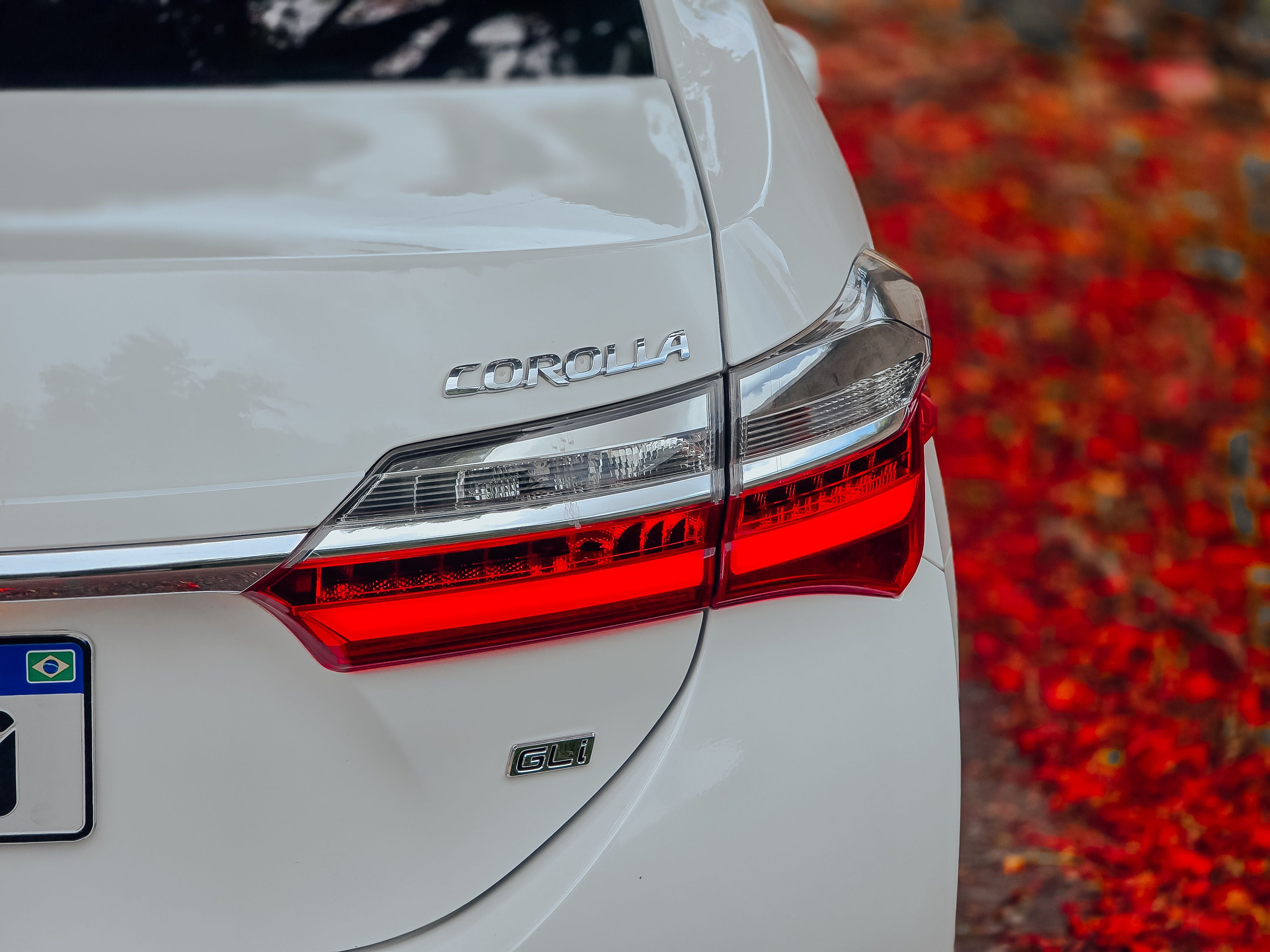
White Toyota Corolla taillight

Shopping for the best used Toyota Corolla years comes down to your budget, the safety features you want, and the condition of the specific car. No single year wins for everyone. We'll walk through each generation so you can build a shortlist, then browse the used Corolla inventory at Toyota of Katy when you're ready.


Best Used Toyota Corolla Years at a Glance

Think of these as shopping groupings. They're not independent reliability rankings, and each one depends on the individual car's history and condition.


Top Picks by Budget and Priority

If you have a tight budget, look at 2003–2013 (9th and 10th generations), and inspect carefully. If safety technology matters most, consider 2017–2019 sedans (11th generation), which have standard forward collision warning and automatic emergency braking. The 2020 Corolla sedan adds Toyota Safety Sense 2.0 as standard equipment. For the newest used option, go with 2020 and newer (12th generation), which includes the Corolla Hybrid.


If you're weighing a newer car, you can also compare new Toyota Corolla models.


How We Evaluate Corolla Model Years

We look at five factors: reliability record, safety equipment, fuel economy, technology, and ownership costs. On the first and last points, the Corolla starts strong: RepairPal rates it 4.5 out of 5.0 for reliability, first among 36 compact cars, with an average annual repair cost of $362. We don’t use a scoring system or claim internal testing.


A model-year recommendation never replaces an assessment of the actual car. Keep comparisons to U.S. sedans, since hatchbacks, the GR Corolla, and the Corolla Cross are separate purchases.


Used Toyota Corolla Generations Compared

Corolla generation years in the U.S. run 2020 onward (12th), 2014–2019 (11th), 2009–2013 (10th), and 2003–2008 (9th). This table shows how Corolla models differ by year.


Generation and years Powertrain Transmission Key safety or tech Fuel economy
12th, 2020 onward (figures shown are for the 2020 sedan) 1.8-liter (L, LE, XLE), 2.0-liter Dynamic Force, 169 hp (SE, XSE), Corolla Hybrid 1.8-liter, 121 hp CVT, six-speed manual Toyota Safety Sense 2.0, eight airbags, backup camera 2020 Hybrid 52 mpg combined, verify by trim
11th, 2014–2019 (engine, transmission, and equipment details shown are for 2014 unless noted) 1.8-liter, 132 hp. LE Eco 1.8-liter Valvematic, 140 hp Six-speed manual (L, S in 2014), automatic Eight airbags, Bluetooth. Forward collision warning and automatic emergency braking standard in 2017 LE Eco above 40 mpg highway (2014 estimate), verify by trim
10th, 2009–2013 1.8-liter, 132 hp; XRS 2.4-liter, 158 hp Five-speed manual; four-speed automatic (1.8-liter) or five-speed automatic (2.4-liter) Antilock brakes standard; verify by trim 1.8-liter 27 city / 35 highway mpg; verify by trim
9th, 2003–2008 1.8-liter, 130 hp; XRS (2005–2006) 1.8-liter, 170 hp Five-speed manual or four-speed automatic; XRS six-speed manual Verify by trim About 26 city / 35 highway / 29 combined mpg (revised EPA); verify by trim


12th Generation Corolla

The 2020 redesign brought Toyota New Global Architecture, a new chassis, and a multi-link rear suspension that replaced the torsion-beam setup. It also introduced the first Corolla Hybrid in the U.S.


Buyers get a more refined ride, hybrid efficiency, and newer technology. TSS 2.0, eight airbags, and a backup camera were standard across 2020 sedan grades. If you want the newest used Corolla with the latest safety equipment, start here.


11th Generation Corolla

The 2014 lineup offered L, LE, LE Eco, and S grades. Eight airbags and Bluetooth were standard. Available extras included a touchscreen audio system, a backup monitor, Smart Key with push-button start, a moonroof, SofTex seats, paddle shifters, and a rear spoiler.


You get a relatively modern sedan without paying for the newest design, and a manual transmission was available on the L and S trims. Later cars added active safety features, as forward collision warning and automatic emergency braking were standard on 2017 models. This generation suits shoppers who want affordability along with driver-assistance features. Equipment varies by year and trim, so verify each car.


10th and 9th Generation Corolla

Models from 2009–2013 focused on style, with alloy wheels, body-colored ground effects and grille, an available rear decklid spoiler, and front fog lights. The 2003–2008 cars sit in the value-oriented, lowest-cost group.

Entry cost is lower, and the technology is simpler. The trade-off is age-related wear and fewer modern safety conveniences. Budget-focused buyers who prioritize maintenance records and inspection results are the best fit.


Best Used Toyota Corolla Years for Different Shoppers

Which Corolla is best depends on what you value most. Here is how you can self-select.


Best for Overall Value

Value combines price, remaining life, maintenance needs, and operating costs, so the lowest sticker alone won't tell you much. Compare late 11th-generation sedans with early 12th-generation sedans and decide whether the newer design and features justify the difference. If you want a balance, prioritize cars with documented upkeep. If you need financing, our finance application is a simple first step.


Best for Modern Safety and Technology

If safety comes first, prioritize verified driver-assistance equipment over styling or trim badges. The 2020 sedan carries TSS 2.0. The 2025 Corolla Hybrid LE, SE, and XLE carry TSS 3.0. For tech, confirm touchscreen functionality, smartphone integration, and connectivity for the specific car, as availability varies within a generation.


Best for Tight Budgets

If money is tight, prioritize service records and inspection results over cosmetic extras. Leave room in the budget for tires and brakes. Sporty trims may come with different seats or suspension tuning, and they aren't always the most economical daily choice.


Model Years to Research Carefully and Common Considerations

People ask about Corolla years to avoid and Toyota Corolla problems. We'd rather say "research carefully," and always verify the individual car. Treat the following as reported concerns rather than comparative failure rates.


  • Some early-2000s and 2009–2013 Corollas have had owner-reported oil consumption.

  • Owners of 2003, 2009, and 2014 models have reported transmission hesitation or premature failure.

  • Water-pump leaks have been reported on 2009 models.

  • EVAP faults are possible on older Corollas.

  • Some owners of 2019–2020 models have reported minor electrical or infotainment glitches.

  • Cars over 100,000 miles may show strut and bearing wear.


NHTSA lists 2003–2013 Corollas in the Takata airbag recall and offers a VIN-based recall lookup. Check any car you consider. The Corolla also appears on iSeeCars’ 2025 list of longest-lasting passenger cars, with a predicted chance of reaching 250,000 miles that’s 1.2 times the average, though maintenance history matters more than any statistic. Blue smoke at startup, rough or delayed shifting, coolant leaks, and persistent emissions-related check-engine lights all deserve a closer look.


Key Features and Changes to Look For

The evolution of Corolla equipment matters as much as the year. Don't assume a trim name means the same equipment across generations.


Safety Features and Toyota Safety Sense

Separate basic equipment, such as airbags, from newer driver-assistance systems. The 2025 Corolla Hybrid LE, SE, and XLE include TSS 3.0 with Pre-Collision System with Pedestrian Detection, Lane Departure Alert with Steering Assist, Auto High Beams, Radar Cruise Control, Road Sign Assist, and Lane Tracing Assist. These systems support attentive driving and do not replace it. Verify features like blind-spot monitoring individually.


Fuel Economy, Engines, and Hybrid Options

Compare engines by exact year and trim. The 2025 Corolla Hybrid uses a 1.8-liter four-cylinder with 138 horsepower of system output. EPA city/highway/combined estimates are 53/46/50 for LE and XLE, 51/44/48 for LE AWD, 50/43/47 for SE, and 47/41/44 for SE AWD. A Corolla Hybrid does not need to be plugged in. Weigh fuel savings against price, condition, and how long you'll keep the car.


Choosing a Used Corolla for Katy and Greater Houston Area Driving

Daily driving in Katy means stop-and-go traffic on I-10 and the Grand Parkway, plus commutes to West Houston and the Energy Corridor. If you commute daily in heavy traffic, a hybrid's efficiency is worth a look, but your annual mileage determines whether the price premium pays off. Texas heat is a good reason to scrutinize service records and test the air conditioning. For wet weather, check the tires, brakes, wipers, and visibility. Flood exposure is worth ruling out, so review the vehicle history and inspect for telltale signs. On a test drive, pay attention to seat comfort, road noise, and how the car merges.


Pre-Purchase Checklist for a Used Corolla

Use this list on every car, whatever the year.

  • Run a vehicle history report.

  • Review service records for gaps.

  • Check open recalls by VIN.

  • Inspect tire and brake wear.

  • Check the suspension.

  • Check oil level and look for leaks.

  • Note transmission shift behavior during the test drive.

  • Arrange a pre-purchase inspection.


You can ask our team about an inspection through our service center.


Frequently Asked Questions About Used Corolla Years

What is the best year for a used Corolla? It depends on budget, desired safety equipment, ownership history, and inspection results.

How much mileage is too much? Assess mileage with maintenance history. Low mileage doesn't outweigh neglect or poor repairs.

Certified or standard used? Certified pre-owned vehicles follow a different process than standard used ones. See our certified pre-owned inventory and ask our team what applies to a specific car.

Hybrid or gas? Compare the purchase price, annual mileage, driving conditions, and the hybrid system's condition.

Is equipment the same every year? No. Trim and equipment vary by year, so confirm each car's features.

How do I check recalls? Use the NHTSA VIN lookup on the specific car.


Find the Right Used Toyota Corolla at Toyota of Katy

The best used Corolla year is the one that fits your budget, offers the safety features you want, and has a clean history and solid maintenance records. With more than 20 years serving the Katy community, our team knows the Corolla inside and out, and we can help you compare generations, trims, and options side by side.


Browse our used Corolla inventory, filter by model year, mileage, and trim, and build a shortlist of a few cars to compare. Then schedule a test drive, ask our service center about a pre-purchase inspection, or explore financing to see what fits your budget.


Questions about a specific car’s history or equipment? Contact our team, and we’ll help you choose with confidence.
Posted in:

Related Posts

A wind chill pearl 2026 Toyota Corolla XSE

2026 Toyota Corolla vs Subaru Impreza: Key Differences

Compact cars rarely make headlines, but they remain a practical, budget-friendly choice for the daily commute in Katy and the Greater Houston area. If you're cross-shopping the Toyota Corolla vs Subaru Impreza, you're likely weighing two very different philosophies: one built around efficiency and low-cost ownership, the other around standard AWD and interior room. Below are the real tradeoffs between the 2026 models. If you want to see the Corolla up close, you can explore new Toyota Corolla inventory at Toyota of Katy anytime. Toyota Corolla vs Subaru Impreza: Quick Comparison Overview At a glance, the Corolla vs Impreza matchup comes down to priorities. The Corolla rides on Toyota's TNGA-C platform, which provides a rigid structure and a low center of gravity, and its suspension is tuned for comfort on paved roads. The Impreza runs Subaru's Boxer engine paired with standard Symmetrical AWD, built around traction and a planted feel no matter what's under the tires. The Impreza is sold only as a hatchback, while the Corolla gives shoppers a choice between a traditional sedan and the Corolla Hatchback. Key Specs Side-by-Side: Engine, Drivetrain, and Fuel Economy The powertrains and efficiency numbers stack up like this when you put the Corolla Sedan, Corolla Hatchback, and Impreza side by side. Spec Corolla Sedan Corolla Hatchback Impreza (Sport / RS) Engine 2.0L Dynamic Force 4-cylinder 2.0L 4-cylinder 2.0L Boxer (Sport) / 2.5L Boxer (RS) Drivetrain FWD FWD Standard AWD Transmission CVT CVT Lineartronic CVT with paddle shifters Horsepower/Torque 169 hp / 151 lb-ft 169 hp / 151 lb-ft 152 hp / 145 lb-ft (Sport); 180 hp / 178 lb-ft (RS) Fuel Economy (EPA) Up to 32 city / 41 hwy / 35 combined MPG (LE) Up to 32 city / 41 hwy / 35 combined MPG (SE) 27 city / 33 hwy / 29 combined MPG (Sport); 26 city / 33 hwy / 29 combined MPG (RS) Cargo Volume 13.1 cu ft (trunk) 17.8 cu ft 20.4 cu ft The Corolla's LE trim can return up to 35 MPG combined. The Impreza, weighed down slightly by its AWD hardware, lands closer to 29 MPG combined across both Sport and RS trims. On the flip side, the Impreza RS's 2.5L engine offers a meaningful bump in torque over the Corolla, which matters if you value passing power over pump savings. Sedan and Hatchback Body Style Options for Each Model The Corolla lineup splits into two distinct body styles. The 2026 Corolla Sedan comes in LE, SE, and XSE trims, while the 2026 Corolla Hatchback is offered in SE, FX, and XSE trims, each pairing a 2.0L four-cylinder engine with a CVT and FWD. The Impreza, meanwhile, has trimmed its hatchback-only lineup to Sport and RS for 2026. If you're specifically comparing the Corolla Hatchback vs. the Subaru Impreza, know that you're comparing two five-door hatchbacks with very different drivetrain philosophies under similar body shapes. Corolla Hybrid: Higher MPG and Available AWD The 2026 Corolla lineup also includes the Corolla Hybrid sedan in LE, SE, and XLE grades. Its 1.8-liter hybrid system makes 138 net horsepower and earns a manufacturer-estimated rating of up to 53 city / 46 highway / 50 combined MPG, far ahead of the Impreza's 29 combined. The Hybrid LE and SE are also available with all-wheel drive, which adds a rear electric motor for extra traction, so shoppers who want AWD don't have to leave the Corolla lineup to get it. AWD trades some efficiency, with the Hybrid SE AWD rated at 44 combined MPG, still well above the Impreza. With the least horsepower of any car in this comparison, the Hybrid suits efficiency-focused drivers more than those who want passing power. The Hybrid LE starts at $24,575. Performance and Driving Dynamics: AWD vs FWD What's sending power to the wheels is what separates these two compacts. That single distinction shapes almost everything about how each car feels behind the wheel, especially when weather or road conditions come into play. Subaru Impreza's Standard AWD: Handling Rain and Rough Katy-Area Roads The Impreza's Symmetrical AWD system, combined with its low center of gravity from the Boxer engine layout, gives it a composed, planted ride quality. For Katy and Greater Houston drivers, that translates into less snow performance and more confidence in heavy rain and standing water, plus the occasional unpaved or rough stretch outside the main corridors. The RS trim's larger 2.5L engine adds passing power without introducing extra stiffness or cabin noise. It's a legitimate advantage if you regularly drive through downpours or less-maintained roads. Toyota Corolla's FWD Efficiency and On-Road Comfort The Corolla takes a different approach, one that suits drivers whose routine sticks mostly to paved commuting routes. Its FWD setup, combined with the TNGA-C platform's MacPherson strut front suspension and available multi-link rear, delivers a quiet, isolated ride with light, easy steering. It's a car that feels right at home during an Energy Corridor commute or a long grocery run down the Katy Freeway. Skipping AWD does cost you some all-weather grip, but you gain a lighter car that uses less fuel, and ToyotaCare covers normal factory-scheduled maintenance for the first 2 years or 25,000 miles. If you're ready to feel the difference for yourself, contact Toyota of Katy to schedule a test drive and experience the ride quality firsthand. Interior Comfort, Cargo Space, and Technology Features Once you get past the drivetrain debate, cabin space and tech features become the next deciding factors for many shoppers, especially those hauling gear, kids, or coworkers on a regular basis. Cabin Space and Cargo Capacity Compared The Impreza pulls ahead on paper here. With 100.5 cubic feet of passenger volume, 36.5 inches of rear legroom, and up to 56.0 cubic feet of cargo space with the rear seats folded (20.4 cubic feet behind the rear seats), it offers noticeably more passenger room than either Corolla body style. The Corolla Sedan's trunk holds 13.1 cubic feet, while the Corolla Hatchback offers 29.9 inches of rear legroom and 17.8 cubic feet behind the rear seats, or 23.0 cubic feet when the spare is swapped for a tire repair kit. If passenger room and maximum cargo space are your top priorities in the Subaru Impreza vs Toyota Corolla debate, the Impreza has the numbers advantage. Infotainment, Safety Tech, and Driver-Assist Systems Both automakers put real effort into standard safety and connectivity tech. The Corolla comes with the Toyota Audio Multimedia system on a standard 8-inch touchscreen, wireless Apple CarPlay and Android Auto, and Toyota Safety Sense 3.0, which includes driver-assist features such as Lane Departure Assist and Proactive Driving Assist. The Corolla Sedan adds a standard 7-inch digital gauge cluster to the LE and SE, while the XSE gets a 10.5-inch touchscreen and a 12.3-inch digital gauge cluster, both of which are available on the SE through its Premium Package. The Impreza counters with a standard 11.6-inch touchscreen featuring wireless Apple CarPlay and Android Auto, a 4.2-inch LCD driver display, and Subaru's latest EyeSight Driver Assist Technology. For 2026, Subaru has added standard rear-seat side airbags, and the Impreza carries a 5-Star Overall safety rating from NHTSA. The Corolla Sedan's 2026 IIHS ratings show "Good" marks across small overlap front, side, headlights, front crash prevention, and seatbelts and child restraints, with a "Marginal" rating in the moderate overlap front test, the same rating the Impreza received in that test. The Corolla Hatchback yields different results, including an "Acceptable" side rating and no moderate-overlap front test. Neither vehicle has a confirmed IIHS Top Safety Pick status this model year, so it's worth checking current ratings before you decide based on that alone. Pricing, Trims, and Value: Which Gives You More for Your Money Sticker price only tells part of the story, but it's still where most car-buying conversations start, and the two lineups compare in a few notable ways, including where pricing sources disagree. Base and Top-Trim Price Comparison The 2026 Corolla LE starts at an MSRP of $23,125, making it one of the more accessible new cars in its class, with the SE at $25,565 and the XSE at $28,840. The Corolla Hatchback SE starts at $24,580. On the Impreza side, the Sport trim carries an MSRP of $26,595, and the RS trim carries an MSRP of $29,495. For anyone comparing Impreza and Corolla Hatchback pricing, the Corolla's lower entry points across both body styles are hard to ignore. Cost of Ownership: Insurance, Maintenance, and Resale Value Ownership costs add to the Corolla's case. Both vehicles carry the same basic warranty structure, a 3-year/36,000-mile limited warranty and a 5-year/60,000-mile powertrain warranty, but the Corolla also includes ToyotaCare, which covers normal factory-scheduled maintenance and 24/7 roadside assistance for 2 years or 25,000 miles. Paired with the Corolla's lower starting prices and higher fuel economy ratings, that helps keep early ownership costs down. Subaru tells a different story worth mentioning fairly: the brand reports that 96% of vehicles it has sold in the last decade are still on the road, a figure it says is higher than Honda's or Toyota's. It's a longevity claim worth factoring in, even as the Corolla's cost figures suggest it's cheaper to insure and own day-to-day. Each brand is simply emphasizing a different strength. Which Car Fits Your Katy Lifestyle Best? It comes down to what you drive through and what you drive for. Choose the Subaru Impreza If You Prioritize All-Weather Confidence You regularly deal with heavy rain, standing water, or rougher back roads around Katy and the Greater Houston area. You need more passenger and cargo room for family gear, sports equipment, or frequent road trips. You want the added grip and stability of standard AWD without stepping up to an SUV. Choose the Toyota Corolla If You Want Efficiency and Reliability You commute regularly along the Energy Corridor or Katy Freeway and want to keep fuel costs down, with a hybrid option rated up to 50 combined MPG. You're a first-time buyer looking for a lower entry price, plus complimentary maintenance for the first 2 years or 25,000 miles. You want the choice of sedan, hatchback, or hybrid, including available AWD on the Corolla Hybrid. You value a quiet, comfortable ride and access to a large network of trained Toyota technicians for maintenance. Explore the Toyota Corolla at Toyota of Katy If the numbers above point you toward the Corolla, and for a lot of Katy-area drivers focused on efficiency and long-term cost, they do, the next step is simple: come see it in person. What We Can Help You Compare We can walk you through the differences between the Corolla Sedan and Corolla Hatchback, compare trim levels side by side, and answer any lingering questions about how it stacks up against the Impreza for your specific routine. Schedule a Test Drive and Compare in Person Numbers on a spec sheet only go so far. The best way to know which car fits your daily drive is to get behind the wheel. You can explore the current Toyota Corolla inventory online or contact Toyota of Katy directly at our Katy Freeway location to schedule a test drive. Whether you're set on the Corolla or still weighing it against the Impreza, our team can help you compare both in a way that fits your budget and daily routine in and around Katy and the Greater Houston area.

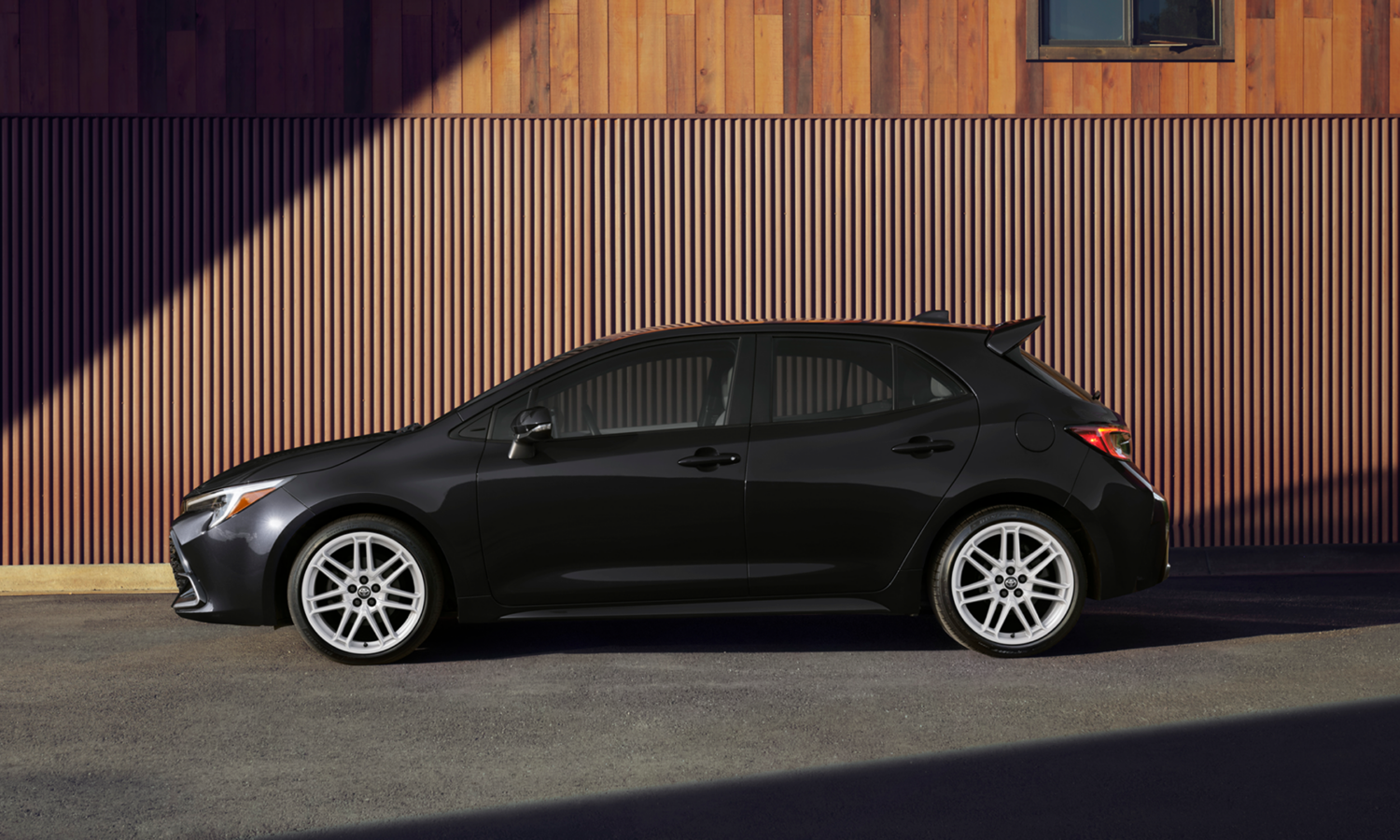
A side profile of a black 2027 Corolla Hatchback

2027 Toyota Corolla Hatchback: What’s New for Katy Drivers?

The Toyota Corolla Hatchback has long appealed to drivers who want sedan-like efficiency with the added flexibility of a hatchback. For 2027, Toyota keeps that formula intact while giving the Corolla Hatchback a more modern technology experience. The biggest changes center on the digital displays and infotainment system, while the 2.0-liter engine, sporty handling, and two-trim lineup carry forward. If you're shopping for a compact car in and around Katy and Greater Houston, here's what's changed for 2027 and what to know before choosing between the SE and XSE. What’s New on the 2027 Toyota Corolla Hatchback? For 2027, the Corolla Hatchback is available in SE and XSE grades. Toyota's biggest updates focus on the technology inside the cabin. The SE now gets a 7-inch digital gauge cluster as standard equipment. Buyers can also choose a new SE Premium Package that adds the larger 12.3-inch digital gauge cluster and 10.5-inch Toyota Audio Multimedia touchscreen. The XSE takes those larger displays a step further by making both the 12.3-inch digital gauge cluster and 10.5-inch Toyota Audio Multimedia system standard. Toyota also added new exterior color choices and made 18-inch gloss-white alloy wheels available as a Toyota Genuine accessory. The underlying powertrain and overall driving character remain familiar. 7-Inch Digital Gauge Cluster Now Standard on SE Every 2027 Corolla Hatchback SE comes with a 7-inch digital gauge cluster. That gives SE buyers a more modern way to view information such as speed, fuel economy, and vehicle data without having to step up to the XSE. The SE also continues to include an 8-inch Toyota Audio Multimedia touchscreen with wireless Apple CarPlay and Android Auto compatibility. New SE Premium Package Adds Larger Displays The new SE Premium Package gives shoppers another way to upgrade the cabin without moving directly to the XSE. The package adds a 12.3-inch digital gauge cluster and a 10.5-inch Toyota Audio Multimedia touchscreen, giving the SE much of the same display technology found in the XSE. For shoppers comparing the two trims, this is one of the most important 2027 updates to consider. If larger displays are high on your priority list, the Premium Package offers another option between the standard SE and the fully equipped XSE. XSE Gets the Larger Displays as Standard The 2027 Corolla Hatchback XSE comes standard with the 12.3-inch digital gauge cluster and 10.5-inch Toyota Audio Multimedia touchscreen. That makes the XSE the straightforward choice for shoppers who want the larger displays without adding an available package to the SE. New Colors and 18-Inch Gloss-White Wheels Toyota also gives the 2027 Corolla Hatchback a few new ways to stand out. New exterior color offerings include Inked and Blueprint, as well as a Blueprint with Black Roof two-tone combination. The available color palette gives shoppers more ways to personalize the hatchback's sporty design. Toyota also offers 18-inch gloss-white alloy wheels as a genuine accessory. On SE models, the accessory wheels require the purchase of 225/40R18 tires separately, so shoppers considering this upgrade should account for the additional tire cost. 2027 Corolla Hatchback SE vs. XSE With two grades to choose from, the SE and XSE cover different priorities. The SE emphasizes value and efficiency, while the XSE adds more premium equipment as standard. Feature SE XSE Starting MSRP* $24,780 $27,875 Estimated MPG 32 city / 41 highway 30 city / 38 highway Gauge cluster 7-inch digital 12.3-inch digital Multimedia screen 8-inch 10.5-inch Seats Fabric sport seats SofTex-trimmed heated front sport seats Driver's seat 6-way adjustable 8-way power adjustable Passenger seat 4-way adjustable 4-way adjustable Wheels 16-inch alloy 18-inch alloy Climate control Single-zone automatic Dual-zone automatic *MSRP excludes Dealer Processing and Handling. The SE starts at $24,780, while the XSE starts at $27,875. Toyota estimates 35 mpg combined for the SE and 33 mpg combined for the XSE. The SE therefore makes the most sense for shoppers focused on value and fuel efficiency, while the XSE adds a more premium cabin and additional standard equipment. If you're still deciding between the two, the new SE Premium Package is worth considering because it lets SE shoppers add the larger display hardware without having to move directly to the XSE. SE Hatchback: A Strong Value The SE provides the core Corolla Hatchback experience without loading the price with equipment you may not need. Standard features include fabric sport seats, a 6-way adjustable driver's seat, a 4-way adjustable front passenger seat, LED headlights, Smart Key System, single-zone automatic climate control, an 8-inch Toyota Audio Multimedia touchscreen, wireless Apple CarPlay and Android Auto compatibility, wireless smartphone charging, and 16-inch alloy wheels. Toyota Safety Sense 3.0 is standard, as is Blind Spot Monitor with Rear Cross-Traffic Alert. For shoppers who want a compact hatchback that's efficient, easy to maneuver, and well equipped without moving into a higher price range, the SE is the logical starting point. XSE Hatchback: More Technology and Comfort The XSE builds on the SE with additional technology and comfort features. It includes the larger 12.3-inch digital gauge cluster and 10.5-inch Toyota Audio Multimedia touchscreen, along with SofTex-trimmed heated front sport seats, an 8-way power-adjustable driver's seat, 18-inch alloy wheels, LED fog lights, and dual-zone automatic climate control. For shoppers who spend a lot of time behind the wheel or simply want a more upscale cabin, the XSE provides a noticeable step up from the SE. Performance and Fuel Economy Toyota doesn't make major mechanical changes to the Corolla Hatchback for 2027. Both trims continue to use a 2.0-liter Dynamic Force four-cylinder engine producing 169 horsepower and 151 lb-ft of torque. Power is sent to the front wheels through a Dynamic-Shift CVT with a physical launch gear and paddle shifters. Drivers can choose from Normal, Eco, and Sport drive modes, giving the Corolla Hatchback some flexibility between everyday efficiency and a more responsive driving experience. The SE is rated at an estimated 32 city/41 highway/35 combined mpg, while the XSE is rated at 30 city/38 highway/33 combined mpg. In other words, the 2027 update is much more about technology than a new powertrain. If you already like the Corolla Hatchback's balance of efficiency and sporty handling, the 2027 model keeps that formula intact while modernizing the cabin. Why the 2027 Corolla Hatchback Makes Sense for Katy Drivers For Katy and Greater Houston drivers, the 2027 updates are especially relevant to the areas that matter most in everyday driving: visibility, connectivity, efficiency, and maneuverability. The new digital gauge cluster gives SE drivers a more modern display for vehicle information, while the available SE Premium Package makes the larger displays accessible without requiring an XSE. Fuel efficiency is another advantage for drivers who regularly travel across the Katy area and Greater Houston. With an estimated 35 mpg combined rating for the SE, the Corolla Hatchback can make sense for daily commuting, errands, and longer highway drives. Its compact dimensions can also be helpful around busy shopping centers and crowded parking lots, while the hatchback design provides additional cargo flexibility compared with a traditional sedan. Toyota's official specifications list 17.8 cubic feet of cargo volume behind the second row, with additional capacity available depending on the spare-tire configuration. That makes the Corolla Hatchback practical for everyday items, sports equipment, groceries, and weekend luggage without needing to move up to a larger SUV. For drivers who want a vehicle that's easy to live with during the week but still has a sportier personality for weekend driving, the Corolla Hatchback remains an appealing middle ground. Explore the 2027 Corolla Hatchback at Toyota of Katy See the Corolla Hatchback in Person The best way to understand the differences between the 2027 Corolla Hatchback SE and XSE is to see the two grades side by side. At Toyota of Katy, you can compare the displays, seating, technology, and available features to determine which version fits your driving needs. If you're considering the SE, it's also worth looking at the available Premium Package to see whether its larger displays give you the technology upgrade you're looking for. Browse Corolla Hatchback Inventory You can browse the current Corolla Hatchback inventory to see available models and configurations. If you're still comparing the Corolla Hatchback with other Toyota models, you can also explore the new Toyota lineup or contact Toyota of Katy with questions about trims, pricing, or availability. For Katy and Greater Houston drivers looking for a compact car with efficient performance, hatchback versatility, and updated technology, the 2027 Toyota Corolla Hatchback is worth a closer look.

2026 Toyota Corolla at Toyota of Katy

What Is the Difference Between the Toyota Corolla and Corolla Cross?

Every week we field the same question from Katy drivers: stick with a Corolla sedan, or step up to the Corolla Cross? Both wear the Corolla name, but they solve different problems depending on your route, whether you're crawling through Grand Parkway (99) traffic or logging longer stretches on I-10. This Corolla vs Corolla Cross comparison breaks down the real differences in space, mileage, and drivability so you can decide which one actually fits your routine. If you'd rather see them side by side in person, schedule a test drive with our team anytime. Corolla vs. Corolla Cross: Which Toyota Fits Your Katy Drive? The Corolla built its reputation on being an efficient, easy-to-park sedan for city and highway driving. The Corolla Cross takes that same foundation and literally raises it into a compact SUV with more cargo room and a higher seating position. The Corolla vs Corolla Cross decision comes down to whether you value a lower center of gravity and higher MPG, or extra clearance and hauling capacity for Katy life. Spec Corolla (Gas) Corolla Hybrid Corolla Cross (Gas) Corolla Cross Hybrid Fuel Economy (Combined) Up to 35 MPG (LE) Up to 50 MPG (LE, XLE FWD) 32 (FWD) / 30 (AWD) 42 MPG, AWD standard Drivetrain FWD FWD; AWD available on LE and SE FWD/available AWD AWD standard Cargo Volume 13.1 cu-ft trunk 13.1 cu-ft trunk 24 cu-ft FWD / 21.5 AWD (46.9 / 44 folded) 21.5 cu-ft (44 folded) Ground Clearance 5.3 in. 5.3 in. 8.1 in. 8.1 in. Trim Lineup LE, SE, XSE LE, SE, XLE L, LE, XLE Hybrid S, SE, XSE Size, Space, and Cargo: Sedan Efficiency vs. SUV Versatility Toyota builds the Corolla Cross with up to 94.9 cubic feet of passenger volume and, in front-wheel-drive models, a 24-cubic-foot cargo hold behind the rear seats that expands to 46.9 cubic feet with the 60/40 split seats folded. Add all-wheel drive, and those numbers come in at 21.5 and 44 cubic feet. The Corolla sedan offers 88.6 cubic feet of EPA interior volume and 13.1 cubic feet of trunk space. In a straightforward size comparison, the SUV wins on hauling capacity, while the sedan holds a slight edge in rear legroom. Corolla Cross Ground Clearance and Cargo Room The Corolla Cross's ground clearance is 8.1 inches, which helps at Katy's occasional flooded intersections and uneven parking lots. Toyota also gives it a payload rating between 1,120 and 1,175 pounds, depending on grade and drivetrain; towing capacity up to 1,500 pounds with a 150-pound maximum tongue weight; and roof rails standard from LE up, so it can handle small trailers or roof cargo on weekend trips out of town. Corolla Trunk Space and Interior Comfort The Corolla's size favors passenger comfort over cargo. Rear legroom measures 34.8 inches, nearly three inches more than the Corolla Cross offers, making the sedan a strong pick for drivers who regularly carry rear-seat passengers on longer rides but don't need much trunk space beyond groceries and luggage. Fuel Efficiency for Katy Commuters Fuel economy is often the deciding factor for commuters dealing with stop-and-go traffic on the Grand Parkway during rush hour, then settling into longer highway runs on I-10. Corolla vs. Corolla Hybrid Mileage The gap between gas and hybrid Corolla trims is significant. Gas trims return up to 35 MPG combined on the LE, while the Hybrid pushes that as high as 50 MPG combined on the FWD LE and XLE, with EPA estimates of 53 city and 46 highway. The Hybrid SE comes in at 47 MPG combined, and adding all-wheel drive to the LE or SE trades a few miles per gallon for traction. For daily Katy commuters logging highway miles on I-10, that efficiency adds up fast at the pump. Corolla Cross Gas and Hybrid MPG Corolla Cross fuel efficiency numbers are lower than the sedan's but remain competitive for a compact SUV. Gas FWD models earn 31 city, 33 highway, and 32 combined, while AWD trims see a slight dip to 29/31/30. The hybrid improves mileage, delivering an EPA-estimated 42 MPG combined, comes standard with AWD on every hybrid trim, and offers a range up to 445 miles. You gain SUV versatility here, but you give up some efficiency compared to the sedan. Driving Feel on Katy Roads and Houston Highways Both models feel Corolla distinctly behind the wheel, but the driving position and ride height change the experience in ways that matter on Katy's roads. Corolla's Nimble Handling on I-10 and the Grand Parkway The Corolla's lower stance and compact footprint make it easy to merge across feeder lanes and slip into tight parking spots near shopping centers. On I-10, the sedan's aerodynamic shape and responsive steering make longer commutes feel less tiring. Corolla Cross's Higher Clearance for Rain and Rough Pavement AWD is available on gas Corolla Cross trims and standard on hybrid trims. Toyota also builds the Corolla Cross Hybrid with a rear-axle electric motor that engages when it detects lost traction, a feature designed for slippery road conditions rather than off-roading. On Katy's rain-prone streets and post-storm rough pavement, that combination of clearance and standard AWD goes further than the sedan can, since the gas Corolla is front-wheel drive only, and the Hybrid offers AWD on the LE and SE trims only. Comparing Technology, Comfort, and Safety Features Toyota equips both models with wireless Apple CarPlay® and Android Auto™, along with Toyota Safety Sense™ 3.0 as standard equipment, including Pre-Collision with Pedestrian Detection, Lane Departure Alert with Steering Assist, Lane Tracing Assist, Dynamic Radar Cruise Control, and Road Sign Assist. New for 2026, Blind Spot Monitor with Rear Cross-Traffic Alert comes standard on every Corolla sedan grade and on the Corolla Cross LE, XLE, SE, and XSE grades (it's not included on the base L and S grades). Technology scales with trim on both models: base trims get an 8-inch touchscreen and 7-inch gauge cluster, while top trims add a 10.5-inch touchscreen, 12.3-inch digital instrument panel, and available 9-speaker JBL audio. On safety ratings, the 2026 Corolla scored "Good" in most IIHS tests but "Marginal" in the Moderate Overlap Front test, missing IIHS Top Safety Pick status because of that rear-seat result. The 2026 Corolla Cross, by comparison, narrowly missed earning an IIHS Top Safety Pick award, falling short in the updated moderate-overlap front test, along with several other Toyota SUVs. Trim Levels and Pricing Overview Rather than focusing on pricing figures, it's more useful to look at how features are built into each trim so you can match your budget to what you actually need. Corolla Trim Lineup The Corolla sedan lineup includes six trims: gas LE, SE, and XSE, plus Hybrid LE, SE, and XLE. The SE trim adds a multi-link rear suspension in place of the LE's torsion beam, 18-inch alloy wheels with a graphite finish, sport seats, and LED headlights. Moving up to XSE brings a moonroof, 12.3-inch digital instrument panel, SofTex synthetic leather, an 8-way power driver's seat, heated front seats, and a 10.5-inch touchscreen. If you want a Corolla hatchback instead, that's a separate three-trim lineup we also stock. Corolla Cross Trim Lineup The trim progression on the Corolla Cross looks similar. It also offers six trims: L, LE, and XLE on gas, plus Hybrid S, SE, and XSE. LE adds an available power moonroof, while XLE steps up with standard SofTex®-trimmed seating, heated front seats, and an available power liftgate, genuinely useful for anyone loading cargo in a parking lot. Which Toyota Matches Your Katy Lifestyle For most buyers, this boils down to how you actually use the vehicle day-to-day: chasing MPG on a solo commute or hauling gear on weekends. Pick the Corolla for Efficiency and Easy City Driving The Corolla makes sense if you're usually driving solo or with one passenger and want the best MPG possible for a daily commute. It's also the better call if parking in tight Katy lots is a regular headache, your cargo needs rarely go beyond groceries and luggage, and you like a lower, more connected feel on the highway. Pick the Corolla Cross for Extra Space and Capability The Corolla Cross earns its keep if you're regularly hauling gear, strollers, or sports equipment. It's also worth a look if you want AWD on hand for unpredictable weather, need the extra ground clearance for flood-prone streets, plan to tow a light trailer (up to 1,500 pounds), or just prefer a higher view of the road on I-10. Explore Corolla and Corolla Cross Inventory at Toyota of Katy Whichever direction you lean in this Corolla vs Corolla Cross comparison, the best way to confirm your choice is behind the wheel. Why Shop With Us Toyota of Katy has one convenient location serving Katy and West Houston, with a full inventory of new Corolla and Corolla Cross models, plus certified service, genuine parts, and a collision center if you ever need support after the sale. Schedule Your Test Drive Browse the Corolla and Corolla Cross lineups, or see our new vehicles for the full Toyota range. Stop by or contact us to set up a no-pressure test drive of both models today.

$(document).ready(function () { var $phoneSection = $('#rightBlockInfo'); if (!$phoneSection.length || $phoneSection.find('.custom-call-dropdown').length) { return; } var phoneDropdown = ` `; $('#telSet1, #telSet2').remove(); $phoneSection.find('li.googleTranslate').after(phoneDropdown); });