

Blog

Most Reliable Toyota Engines for Used Cars: What to Know

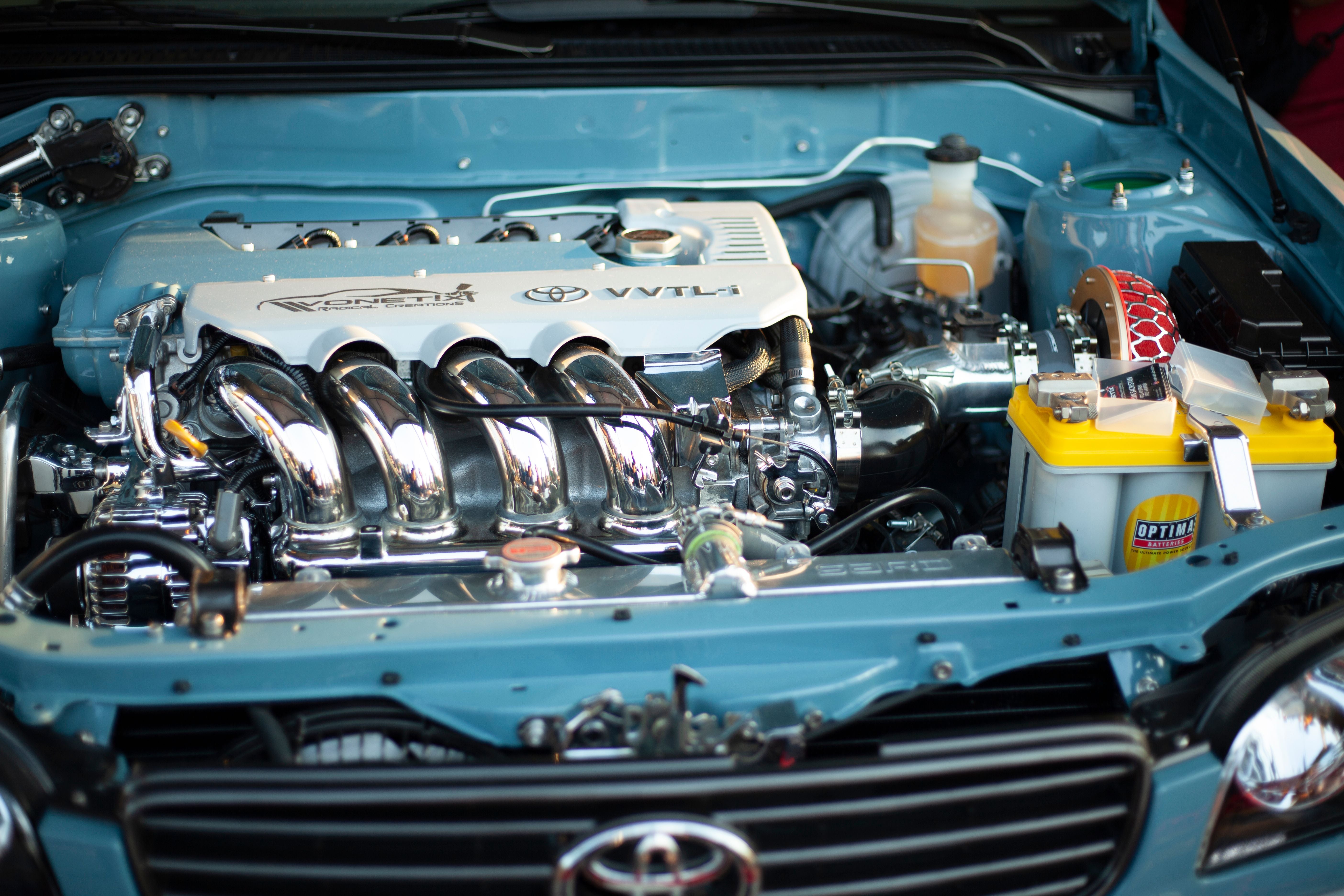
Detailed view of a shiny and powerful Toyota engine, showcasing automotive engineering.

Some Toyota engines have earned a reputation for running reliably for hundreds of thousands of miles with proper maintenance. If you're shopping for a used Toyota, knowing which engines have a strong long-term track record can help you compare vehicles, evaluate mileage and maintenance history, and make a more informed purchase.


At Toyota of Katy, we see buyers looking for everything from fuel-efficient Corolla and Camry models to capable 4Runner and Tundra trucks. The right engine depends on how you drive, what you need to tow or haul, and how much you value fuel economy versus performance.


What Makes a Toyota Engine Reliable?


Engine reliability isn't just about how many miles an engine can accumulate. Design, maintenance, operating conditions, and how long an engine has been in production all matter.


A used Toyota with 150,000 miles and a well-documented maintenance history may be a better choice than a lower-mileage vehicle that has been neglected. Long-running Toyota engines can also offer an advantage because technicians are familiar with them and replacement parts are generally easy to source.


When shopping for a used Toyota, look beyond the engine's reputation. Check the vehicle's service records, mileage, condition, and history before deciding whether a particular model is right for you.


Reliable Toyota 4-Cylinder Engines


Toyota's four-cylinder engines are found in some of the brand's most popular cars and hybrids. They are often a good fit for commuters and families who prioritize fuel economy, everyday drivability, and manageable maintenance costs.


Corolla and Camry 4-Cylinder Engines


The Toyota Corolla has been one of the brand's longest-running compact cars, and its four-cylinder engines have contributed to that reputation. The 1.8-liter 2ZR-FE used in many Corollas from 2009 onward is one example of a relatively simple Toyota four-cylinder with a timing chain rather than a timing belt.


The Camry offers another well-known four-cylinder option. The 2.5-liter engine introduced with the 2018 Camry redesign produces 203 horsepower (206 in the XSE) and pairs with an eight-speed automatic transmission.


For a daily commuter dealing with I-10 traffic or longer drives around the Katy and Houston area, a four-cylinder Camry or Corolla can provide a practical combination of efficiency and everyday performance.


Toyota Hybrid 4-Cylinder Engines


Toyota's hybrid powertrains are another option for used-car shoppers focused on efficiency.


The Prius and Corolla Hybrid have used 1.8-liter Atkinson-cycle four-cylinder engines paired with Toyota's hybrid system. The Prius, in particular, has earned a strong reputation for fuel efficiency, making it a popular choice for drivers who put many miles on their vehicles.


Camry Hybrid models also combine a four-cylinder gasoline engine with an electric motor system. Later Camry Hybrids offer substantially more power while maintaining the efficiency benefits that attract many hybrid buyers.


If fuel economy is one of your biggest priorities, don't overlook Toyota's used hybrid models when comparing reliable Toyota engines.


Reliable Toyota V6 Engines for Used SUVs and Trucks


A four-cylinder isn't the right choice for everyone. If you need more power for towing, hauling, or carrying passengers, Toyota's V6 engines have powered some of the brand's most popular trucks and SUVs.


Toyota Tacoma and 4Runner V6 Engines


The 3.5-liter V6 used in the Toyota Tacoma from 2016 through 2023 produces 278 horsepower and 265 lb-ft of torque. It was offered across several Tacoma configurations and became a familiar engine among Toyota truck buyers.


The Toyota 4Runner provides another example of a long-running Toyota V6. Its 4.0-liter V6 powered the fifth-generation 4Runner from 2010 through 2024, producing 270 horsepower and 278 lb-ft of torque.


That long production run is one reason the 4.0-liter V6 remains attractive to used 4Runner shoppers. It has been used extensively, technicians are familiar with it, and buyers have a large number of model years to consider.


For drivers who use their SUV for road trips, outdoor activities, or towing, a used 4Runner with the 4.0-liter V6 can be worth considering alongside newer turbocharged and hybrid options. If you're comparing different types of pre-owned vehicles, you can also explore our selection of used SUVs.


Toyota Camry and Highlander V6 Engines


Toyota's 3.5-liter V6 has also appeared in models such as the Camry, Avalon, and Highlander.


V6 Camry and Avalon models from 2018 through 2024 produce 301 horsepower and 267 lb-ft of torque. The Highlander's version produces 295 horsepower and 263 lb-ft of torque and can tow up to 5,000 pounds when properly equipped.


That makes a used V6 Highlander particularly appealing to shoppers who need three rows of seating during the week but still want towing capability for weekends.


Reliable Toyota V8 Engines for Towing


If towing and heavy-duty capability are your priorities, Toyota's older V8 engines remain popular among used-truck and SUV shoppers.


Toyota Tundra 5.7-Liter V8


The 5.7-liter V8 powered the Toyota Tundra from 2007 through 2021. It also appeared in vehicles such as the Sequoia and Land Cruiser.


The engine produces 381 horsepower and 401 lb-ft of torque, giving the Tundra the muscle needed for serious towing and hauling. Properly equipped 2021 Tundra models can tow up to approximately 10,200 pounds, although the exact rating depends on configuration and equipment.


Toyota replaced the V8 with a twin-turbocharged V6 for the redesigned 2022 Tundra. The newer engine produces more torque, but the 5.7-liter V8 remains appealing to used-truck shoppers who prefer its established track record and naturally aspirated design.


If you're primarily shopping for a used truck, comparing available used trucks can help you see how different Toyota powertrains and configurations fit your needs.


Toyota Sequoia and Land Cruiser V8s


The 5.7-liter V8 was also used in the Land Cruiser through the 2021 model year and in the second-generation Sequoia for most of its production run.


For buyers specifically looking for an older Toyota with a V8, these vehicles can be worth researching. The supply is naturally becoming more limited as newer Toyota models move toward turbocharged and hybrid powertrains.


Which Toyota Engine Is Best for You?


There isn't one Toyota engine that's automatically the best choice for every used-car buyer.


If fuel economy and affordable everyday transportation are your priorities, a four-cylinder Corolla or Camry may make the most sense.


If you want an SUV or truck with more capability, Toyota's 4.0-liter V6 in the 4Runner or 3.5-liter V6 in the Tacoma is worth considering.


If towing is a major priority, a used Tundra with the 5.7-liter V8 may be a better fit.


And if maximizing fuel economy is the goal, Toyota's hybrid powertrains deserve a place on your shopping list.


The most reliable Toyota engine for you is ultimately the one that fits your driving needs and has been properly maintained.


How to Check a Used Toyota Engine Before You Buy


Even a Toyota engine with an excellent reputation for reliability should be evaluated individually when you're shopping for a used vehicle.


Start with the maintenance history. Look for documentation showing regular oil changes and other recommended services. Mileage matters, but condition and maintenance history can tell you much more about how a used Toyota has been treated.


A cold start can also reveal potential problems. Listen for unusual engine noises, watch for excessive exhaust smoke, and pay attention to rough or inconsistent idling.


You should also review the vehicle history report and consider having the vehicle inspected by a qualified technician before purchasing it.


At Toyota of Katy, our Toyota-trained technicians understand the powertrains found in many used Toyota cars, trucks, and SUVs. If you'd like to have your vehicle inspected or maintained by a Toyota-trained team, you can also schedule Toyota service.


Why Toyota Certified Used Vehicles Are Worth Considering


A Toyota Certified Used Vehicle can make the used-car shopping process easier for buyers who want additional assurance about a vehicle's condition.


Toyota Certified Used Vehicles are six model years old or newer, have fewer than 85,000 miles, and must pass a 160-point quality assurance inspection. They also include a CARFAX vehicle history report, limited warranty coverage, and 24-hour roadside assistance.


For shoppers who want the benefits of buying a used Toyota while placing additional emphasis on inspection and warranty coverage, CPO vehicles are worth comparing with other used inventory.


Find a Reliable Used Toyota in Katy


The best Toyota engine depends on what you expect from your vehicle. A Corolla or Camry may be ideal for efficient daily driving, while a 4Runner, Tacoma, or Tundra may be better suited to towing, hauling, and weekend adventures.


Toyota of Katy offers a selection of used Toyota cars, trucks, and SUVs, including Toyota Certified Used Vehicles when available. Browse our used Toyota inventory to compare current vehicles by mileage, model year, and powertrain.


If you have questions about a specific Toyota engine or used vehicle, our team can help you compare your options and find a Toyota that fits your budget and driving needs.


Frequently Asked Questions About Reliable Toyota Engines


Which Toyota engines tend to last the longest?


Several Toyota engines have earned strong reputations for long-term reliability, including the 4.0-liter V6 used in the 4Runner, the 5.7-liter V8 used in the Tundra and other Toyota models, and several of Toyota's four-cylinder and hybrid powertrains. Maintenance history remains critical regardless of engine choice.


What is the best Toyota engine for a used car?


There isn't one best Toyota engine for every used-car buyer. A four-cylinder may be the better choice for commuting and fuel economy, while a V6 or V8 may make more sense for towing and hauling. Your driving needs should help determine which engine you prioritize.


Can a Toyota engine last 200,000 miles?


A Toyota engine can potentially reach 200,000 miles or more with proper maintenance, but there is no guaranteed mileage for any engine. Service history, driving conditions, and how the vehicle was treated all affect longevity.


Should I buy a used Toyota with high mileage?


High mileage doesn't automatically make a used Toyota a bad purchase. A higher-mileage Toyota with comprehensive maintenance records may be worth considering, whereas a lower-mileage vehicle with a poor maintenance history could pose a greater risk. Have you used a vehicle before buying it?


Are Toyota hybrid engines reliable?


Toyota hybrid powertrains have earned a strong reputation for long-term reliability, but buyers should still evaluate the vehicle's maintenance history, condition, and hybrid system components before purchasing.
Recommended Posts

A wind chill pearl 2026 Toyota Corolla XSE

2026 Toyota Corolla vs Subaru Impreza: Key Differences

Compact cars rarely make headlines, but they remain a practical, budget-friendly choice for the daily commute in Katy and the Greater Houston area. If you're cross-shopping the Toyota Corolla vs Subaru Impreza, you're likely weighing two very different philosophies: one built around efficiency and low-cost ownership, the other around standard AWD and interior room. Below are the real tradeoffs between the 2026 models. If you want to see the Corolla up close, you can explore new Toyota Corolla inventory at Toyota of Katy anytime. Toyota Corolla vs Subaru Impreza: Quick Comparison Overview At a glance, the Corolla vs Impreza matchup comes down to priorities. The Corolla rides on Toyota's TNGA-C platform, which provides a rigid structure and a low center of gravity, and its suspension is tuned for comfort on paved roads. The Impreza runs Subaru's Boxer engine paired with standard Symmetrical AWD, built around traction and a planted feel no matter what's under the tires. The Impreza is sold only as a hatchback, while the Corolla gives shoppers a choice between a traditional sedan and the Corolla Hatchback. Key Specs Side-by-Side: Engine, Drivetrain, and Fuel Economy The powertrains and efficiency numbers stack up like this when you put the Corolla Sedan, Corolla Hatchback, and Impreza side by side. Spec Corolla Sedan Corolla Hatchback Impreza (Sport / RS) Engine 2.0L Dynamic Force 4-cylinder 2.0L 4-cylinder 2.0L Boxer (Sport) / 2.5L Boxer (RS) Drivetrain FWD FWD Standard AWD Transmission CVT CVT Lineartronic CVT with paddle shifters Horsepower/Torque 169 hp / 151 lb-ft 169 hp / 151 lb-ft 152 hp / 145 lb-ft (Sport); 180 hp / 178 lb-ft (RS) Fuel Economy (EPA) Up to 32 city / 41 hwy / 35 combined MPG (LE) Up to 32 city / 41 hwy / 35 combined MPG (SE) 27 city / 33 hwy / 29 combined MPG (Sport); 26 city / 33 hwy / 29 combined MPG (RS) Cargo Volume 13.1 cu ft (trunk) 17.8 cu ft 20.4 cu ft The Corolla's LE trim can return up to 35 MPG combined. The Impreza, weighed down slightly by its AWD hardware, lands closer to 29 MPG combined across both Sport and RS trims. On the flip side, the Impreza RS's 2.5L engine offers a meaningful bump in torque over the Corolla, which matters if you value passing power over pump savings. Sedan and Hatchback Body Style Options for Each Model The Corolla lineup splits into two distinct body styles. The 2026 Corolla Sedan comes in LE, SE, and XSE trims, while the 2026 Corolla Hatchback is offered in SE, FX, and XSE trims, each pairing a 2.0L four-cylinder engine with a CVT and FWD. The Impreza, meanwhile, has trimmed its hatchback-only lineup to Sport and RS for 2026. If you're specifically comparing the Corolla Hatchback vs. the Subaru Impreza, know that you're comparing two five-door hatchbacks with very different drivetrain philosophies under similar body shapes. Corolla Hybrid: Higher MPG and Available AWD The 2026 Corolla lineup also includes the Corolla Hybrid sedan in LE, SE, and XLE grades. Its 1.8-liter hybrid system makes 138 net horsepower and earns a manufacturer-estimated rating of up to 53 city / 46 highway / 50 combined MPG, far ahead of the Impreza's 29 combined. The Hybrid LE and SE are also available with all-wheel drive, which adds a rear electric motor for extra traction, so shoppers who want AWD don't have to leave the Corolla lineup to get it. AWD trades some efficiency, with the Hybrid SE AWD rated at 44 combined MPG, still well above the Impreza. With the least horsepower of any car in this comparison, the Hybrid suits efficiency-focused drivers more than those who want passing power. The Hybrid LE starts at $24,575. Performance and Driving Dynamics: AWD vs FWD What's sending power to the wheels is what separates these two compacts. That single distinction shapes almost everything about how each car feels behind the wheel, especially when weather or road conditions come into play. Subaru Impreza's Standard AWD: Handling Rain and Rough Katy-Area Roads The Impreza's Symmetrical AWD system, combined with its low center of gravity from the Boxer engine layout, gives it a composed, planted ride quality. For Katy and Greater Houston drivers, that translates into less snow performance and more confidence in heavy rain and standing water, plus the occasional unpaved or rough stretch outside the main corridors. The RS trim's larger 2.5L engine adds passing power without introducing extra stiffness or cabin noise. It's a legitimate advantage if you regularly drive through downpours or less-maintained roads. Toyota Corolla's FWD Efficiency and On-Road Comfort The Corolla takes a different approach, one that suits drivers whose routine sticks mostly to paved commuting routes. Its FWD setup, combined with the TNGA-C platform's MacPherson strut front suspension and available multi-link rear, delivers a quiet, isolated ride with light, easy steering. It's a car that feels right at home during an Energy Corridor commute or a long grocery run down the Katy Freeway. Skipping AWD does cost you some all-weather grip, but you gain a lighter car that uses less fuel, and ToyotaCare covers normal factory-scheduled maintenance for the first 2 years or 25,000 miles. If you're ready to feel the difference for yourself, contact Toyota of Katy to schedule a test drive and experience the ride quality firsthand. Interior Comfort, Cargo Space, and Technology Features Once you get past the drivetrain debate, cabin space and tech features become the next deciding factors for many shoppers, especially those hauling gear, kids, or coworkers on a regular basis. Cabin Space and Cargo Capacity Compared The Impreza pulls ahead on paper here. With 100.5 cubic feet of passenger volume, 36.5 inches of rear legroom, and up to 56.0 cubic feet of cargo space with the rear seats folded (20.4 cubic feet behind the rear seats), it offers noticeably more passenger room than either Corolla body style. The Corolla Sedan's trunk holds 13.1 cubic feet, while the Corolla Hatchback offers 29.9 inches of rear legroom and 17.8 cubic feet behind the rear seats, or 23.0 cubic feet when the spare is swapped for a tire repair kit. If passenger room and maximum cargo space are your top priorities in the Subaru Impreza vs Toyota Corolla debate, the Impreza has the numbers advantage. Infotainment, Safety Tech, and Driver-Assist Systems Both automakers put real effort into standard safety and connectivity tech. The Corolla comes with the Toyota Audio Multimedia system on a standard 8-inch touchscreen, wireless Apple CarPlay and Android Auto, and Toyota Safety Sense 3.0, which includes driver-assist features such as Lane Departure Assist and Proactive Driving Assist. The Corolla Sedan adds a standard 7-inch digital gauge cluster to the LE and SE, while the XSE gets a 10.5-inch touchscreen and a 12.3-inch digital gauge cluster, both of which are available on the SE through its Premium Package. The Impreza counters with a standard 11.6-inch touchscreen featuring wireless Apple CarPlay and Android Auto, a 4.2-inch LCD driver display, and Subaru's latest EyeSight Driver Assist Technology. For 2026, Subaru has added standard rear-seat side airbags, and the Impreza carries a 5-Star Overall safety rating from NHTSA. The Corolla Sedan's 2026 IIHS ratings show "Good" marks across small overlap front, side, headlights, front crash prevention, and seatbelts and child restraints, with a "Marginal" rating in the moderate overlap front test, the same rating the Impreza received in that test. The Corolla Hatchback yields different results, including an "Acceptable" side rating and no moderate-overlap front test. Neither vehicle has a confirmed IIHS Top Safety Pick status this model year, so it's worth checking current ratings before you decide based on that alone. Pricing, Trims, and Value: Which Gives You More for Your Money Sticker price only tells part of the story, but it's still where most car-buying conversations start, and the two lineups compare in a few notable ways, including where pricing sources disagree. Base and Top-Trim Price Comparison The 2026 Corolla LE starts at an MSRP of $23,125, making it one of the more accessible new cars in its class, with the SE at $25,565 and the XSE at $28,840. The Corolla Hatchback SE starts at $24,580. On the Impreza side, the Sport trim carries an MSRP of $26,595, and the RS trim carries an MSRP of $29,495. For anyone comparing Impreza and Corolla Hatchback pricing, the Corolla's lower entry points across both body styles are hard to ignore. Cost of Ownership: Insurance, Maintenance, and Resale Value Ownership costs add to the Corolla's case. Both vehicles carry the same basic warranty structure, a 3-year/36,000-mile limited warranty and a 5-year/60,000-mile powertrain warranty, but the Corolla also includes ToyotaCare, which covers normal factory-scheduled maintenance and 24/7 roadside assistance for 2 years or 25,000 miles. Paired with the Corolla's lower starting prices and higher fuel economy ratings, that helps keep early ownership costs down. Subaru tells a different story worth mentioning fairly: the brand reports that 96% of vehicles it has sold in the last decade are still on the road, a figure it says is higher than Honda's or Toyota's. It's a longevity claim worth factoring in, even as the Corolla's cost figures suggest it's cheaper to insure and own day-to-day. Each brand is simply emphasizing a different strength. Which Car Fits Your Katy Lifestyle Best? It comes down to what you drive through and what you drive for. Choose the Subaru Impreza If You Prioritize All-Weather Confidence You regularly deal with heavy rain, standing water, or rougher back roads around Katy and the Greater Houston area. You need more passenger and cargo room for family gear, sports equipment, or frequent road trips. You want the added grip and stability of standard AWD without stepping up to an SUV. Choose the Toyota Corolla If You Want Efficiency and Reliability You commute regularly along the Energy Corridor or Katy Freeway and want to keep fuel costs down, with a hybrid option rated up to 50 combined MPG. You're a first-time buyer looking for a lower entry price, plus complimentary maintenance for the first 2 years or 25,000 miles. You want the choice of sedan, hatchback, or hybrid, including available AWD on the Corolla Hybrid. You value a quiet, comfortable ride and access to a large network of trained Toyota technicians for maintenance. Explore the Toyota Corolla at Toyota of Katy If the numbers above point you toward the Corolla, and for a lot of Katy-area drivers focused on efficiency and long-term cost, they do, the next step is simple: come see it in person. What We Can Help You Compare We can walk you through the differences between the Corolla Sedan and Corolla Hatchback, compare trim levels side by side, and answer any lingering questions about how it stacks up against the Impreza for your specific routine. Schedule a Test Drive and Compare in Person Numbers on a spec sheet only go so far. The best way to know which car fits your daily drive is to get behind the wheel. You can explore the current Toyota Corolla inventory online or contact Toyota of Katy directly at our Katy Freeway location to schedule a test drive. Whether you're set on the Corolla or still weighing it against the Impreza, our team can help you compare both in a way that fits your budget and daily routine in and around Katy and the Greater Houston area.

A red 2026 Toyota Corolla Hybrid racing down a forested road

Toyota Hybrid vs. Gas Models: Which Makes More Sense for Katy Drivers?

Deciding between a Toyota hybrid and a gas model isn't as simple as picking the "greener" option. It comes down to how you actually drive: your commute, your road trip habits, and how you weigh sticker price against fuel savings. We put together this guide to help you cut through the noise and match a powertrain to your real routine. If you'd rather skip ahead and start comparing vehicles in person, you can always contact us at Toyota of Katy. Toyota Hybrid vs. Gas: Understanding the Real Difference Before comparing specific models, it helps to understand what actually separates hybrid vs gas systems under the hood. The difference isn't just about fuel economy numbers on a window sticker. It comes down to how each vehicle generates and manages power. How Hybrid Powertrains Work Toyota's hybrid electric vehicles pair a gas engine with one or more electric motors. They still run on gasoline and drive much like a traditional car, no plugging in required. At low speeds and during deceleration, the electric motor handles most of the work, so the gas engine isn't running constantly. That's why hybrids often post stronger MPG in the city than on the highway. Regenerative braking captures energy while slowing down and uses it, along with the gas engine, to keep the battery charged automatically. How Traditional Gas Engines Compare A gas-only Toyota relies entirely on its combustion engine, with no electric motor stepping in to share the load. The driving experience feels familiar and consistent across speeds, and fuel efficiency tends to hold steady or even improve at highway speeds rather than in stop-and-go conditions. A hybrid shines in city traffic; a gas engine shows its strength on the open road. Comparing Costs: Purchase Price vs. Long-Term Savings The cost of hybrid cars vs gas cars usually starts with a higher MSRP for the hybrid, followed by the question of whether fuel savings close that gap over time. There isn't a single answer. It depends on the model, how many miles you drive, and how much of that driving happens in traffic versus on the highway. Hybrid Price Premiums by Model The price difference between hybrid and gas cars varies quite a bit across Toyota's lineup. Some models, like the Camry and RAV4, are hybrid or plug-in hybrid only for the 2026 model year, so there's no direct gas trim to compare against. Others, like the Highlander and Corolla, still offer both. Depending on trim and equipment, the hybrid premium can land anywhere from a few hundred dollars up to around two thousand. Fuel Savings Over Time at Katy Gas Prices Fuel savings math depends heavily on local gas prices, and Houston-area drivers typically see some of the lowest in Texas. Check AAA's Texas tracker for today's number, then run it against your own mileage. Here's the shape of it, as an illustration rather than an official Toyota figure. Drive 15,000 miles a year, and a vehicle averaging 35 MPG uses roughly 429 gallons, while one averaging 50 MPG uses about 300. That's 129 gallons, or somewhere around $450 a year at current Houston prices. Against a hybrid premium of $1,750 to $2,000, you're looking at roughly four years to break even on fuel alone, sooner if you drive more than 15,000 miles or spend most of them in traffic, longer if your miles are mostly highway. If you keep vehicles past that point, the hybrid wins. If you trade every three years, the gas model's lower entry price may serve you better. If you want to explore hybrid gas mileage advantages firsthand, you can browse Toyota hybrid models in our current inventory. Before finalizing any purchase decision based on potential tax incentives, we'd recommend checking eligibility with a tax professional or through our financing team, since incentive programs change, and we don't want you relying on outdated figures. How Katy and West Houston Driving Impacts Your Choice Where and how you drive matters just as much as the vehicle you choose. Katy and the surrounding West Houston area offer a mix of driving conditions that can tilt the decision one way or another. I-10 Commuting and Highway Stretches At a steady 70 mph, a hybrid's electric motor has little to do. The gas engine is doing nearly all the work, regenerative braking barely engages, and the efficiency gap narrows considerably. That's why the Corolla Hybrid rates 53 in the city but 46 on the highway, while the gas Corolla holds closer to steady across both. So if your week is mostly open-road miles, running out toward Sealy and Columbus or making regular trips to San Antonio, the hybrid premium takes longer to pay back than the headline mpg suggests. A gas Corolla or Highlander is a sound choice, and the lower purchase price is money in your pocket on day one. Stop-and-Go Traffic Around Katy and the Grand Parkway On the flip side, drivers navigating stop-and-go traffic will get more value from a hybrid because the system shuts the gas engine off instead of idling, which is where a conventional engine wastes the most fuel. Sitting still burns nothing in a hybrid. Here's the wrinkle for Katy specifically: the "highway means gas" rule assumes the highway is actually moving. The I-10 stretch between the Grand Parkway and Beltway 8 at 7:30 on a weekday is a parking lot, and those miles behave like city miles no matter what the road is called. An Energy Corridor commuter crawling that stretch daily is in hybrid territory even though the whole trip is technically highway. A driver whose commute runs the Grand Parkway at steady speeds, or who regularly runs out on I-10 toward San Antonio, is closer to the gas case. Toyota Camry: Hybrid vs. Gas for Everyday Driving For the 2026 model year, the Camry is hybrid-only, starting at $29,600 and running on regular unleaded. There's no separate gas trim to weigh against it, so the real decision is FWD versus AWD. Front-drive is the efficiency pick at 51 mpg combined on the LE, while AWD adds $1,525 and rates 50 combined, a small efficiency cost for traction on wet Katy roads during storm season. Worth putting that 51 mpg in perspective: a midsize sedan now returns better fuel economy than most compact cars did a decade ago, which changes the calculation for anyone who's been holding onto an older Camry waiting for the numbers to make sense. If you're specifically hunting for a gas-powered Camry, our pre-owned inventory is where to look, though availability varies. Toyota RAV4: Hybrid vs. Gas for Families and Commuters The RAV4 conversation has shifted in a similar direction. For 2026, the lineup is hybrid and plug-in hybrid only, with no traditional gas trim offered. The choice here comes down to trim and range rather than powertrain type. RAV4 Head-to-Head Snapshot Trim Starting MSRP Power Notable Feature RAV4 Hybrid FWD $31,900 226 hp (236 hp AWD) Up to 48 mpg combined RAV4 Plug-in Hybrid SE $41,500 324 net combined HP 54-mile all-electric range Towing splits by drivetrain rather than by powertrain. The hybrid LE tows 1,750 lbs in either FWD or AWD, while AWD versions of the SE, XLE Premium, Limited, and Woodland reach 3,500. The plug-in hybrid tows 3,500 pounds on every trim except the GR Sport, where Toyota doesn't recommend towing. So if a boat or small trailer is in the picture, the trim and drivetrain matter more than whether you go plug-in. If a gas RAV4 is what you're after, it's worth checking our used inventory, since availability there can differ from new stock. Toyota Highlander: Hybrid vs. Gas for Road Trips and Hauling The Highlander comparison is one of the more clear-cut choices in Toyota's lineup, since both powertrains are still offered on real trims. Highlander Head-to-Head Snapshot Trim Starting MSRP Horsepower Combined MPG (est.) Highlander XLE Gas $46,270 265 hp (2.4-liter turbocharged four-cylinder) 24 MPG Highlander XLE Hybrid $48,020 243 net combined hp 35 MPG The gas Highlander keeps the higher-output turbocharged engine, which appeals to drivers who tow trailers or haul gear regularly and want stronger low-end torque; gas models offer up to 5,000 pounds of towing capacity against the hybrid's 3,500. The fuel math here is the most favorable in the lineup. At 15,000 miles a year, 24 mpg burns about 625 gallons, while 35 mpg burns about 429, a difference of about $650 annually. That clears the $1,750 premium in under three years, and Highlanders tend to stay in families longer than that. One thing to factor in: every Highlander Hybrid comes with all-wheel drive standard, while the gas XLE starts front-drive, so part of that gap is drivetrain rather than electrification. Compare an AWD gas Highlander against the hybrid for the honest premium. Toyota Corolla: Hybrid vs. Gas for Budget-Conscious Drivers This question is often most relevant with the Corolla, since it's Toyota's most budget-focused nameplate. The gas Corolla LE starts at $23,125 plus a $1,295 delivery fee, powered by a 2.0-liter four-cylinder producing 169 hp and 151 lb-ft through a CVT, rated up to 35 MPG combined. The Corolla Hybrid runs on the same regular unleaded, but the fuel efficiency picture looks quite different. The Corolla Hybrid LE uses a 1.8-liter 4-cylinder paired with an electric motor for 138 net combined hp and 105 lb-ft, rated up to 53 city, 46 highway, and 50 combined MPG. Toyota lists the Corolla Hybrid LE starting at $24,975. The premium over the gas model is modest, and for budget-conscious drivers who do a lot of city driving, the hybrid's fuel savings can add up meaningfully. Maintenance, Battery Life, and Ownership Considerations Hybrid ownership tends to be more balanced than people assume going in. Toyota backs its hybrid battery with a 10-year/150,000-mile limited warranty, and other hybrid components, including the battery control module, hybrid control module, and inverter/converter, carry an 8-year/100,000-mile warranty. Buyers worried about hybrid ownership costs get a lot of runway here before they need to think twice. On routine maintenance, Kelley Blue Book has noted that regenerative braking reduces wear on brake pads and rotors, which can extend service life compared to a traditional gas vehicle that relies solely on friction braking. As for Texas heat, modern hybrid batteries are engineered with thermal management systems built to handle high-temperature climates, so Katy's summers shouldn't be a source of unusual concern for hybrid owners. Our service center can help keep either powertrain running well for the long haul. Which Powertrain Fits Your Katy Lifestyle? There's no universal answer here. It depends on your specific routine, and being honest about your driving habits is the best way to choose correctly. Choose Hybrid If You Drive Mostly Local, Congested Routes If your daily miles are dominated by Katy traffic, school runs, or short hops around the Energy Corridor, a hybrid's ability to lean on electric power at low speeds will likely translate into real savings at the pump, along with a quieter ride and potentially lower brake maintenance over time. Choose Gas If You Prioritize Upfront Savings or Frequent Long Drives If you frequently drive long stretches of I-10 or prioritize a lower purchase price over incremental fuel savings, a gas model, if still available, remains a perfectly sound choice. Gas engines perform efficiently at steady highway speeds, and the lower upfront cost can matter more than fuel savings for drivers who don't rack up heavy city mileage. Explore Toyota Hybrid and Gas Models at Toyota of Katy Whether you're drawn to the efficiency of a hybrid or the straightforward simplicity of a gas engine, the best way to decide is to get behind the wheel. Talk to Our Team Our team at Toyota of Katy can walk you through the tradeoffs for your specific commute, whether that's daily stop-and-go traffic or regular trips out toward the Hill Country. Ready to Compare? The most useful thing you can do is drive both. Search our new inventory to see what's on the lot, then come by 21555 Katy Fwy and take a hybrid and its gas counterpart out on the same route, ideally the one you actually commute. Fifteen minutes in traffic tells you more about which powertrain fits your week than any spec sheet, ours included.

2026 Toyota Tacoma at Toyota of Katy

Toyota Tacoma SR5 vs Limited: Which Is Right for Katy Drivers?

Choosing between two trims of the same truck shouldn't feel this complicated. But the Tacoma SR5 vs Limited debate comes down to real differences in comfort, technology, and price that matter once you're living with the truck every day. If you're hauling materials to a job site off I-10, you probably don't need ventilated seats. Spend an hour or more commuting through Katy traffic toward the Energy Corridor, though, and cabin quality starts to matter more than you'd expect. We put together this comparison to help you match the right trim to how you actually use your truck. You can also browse our new Toyota Tacoma inventory in Katy while you decide. Tacoma SR5 vs. Limited: Which One Fits Your Katy Workday? Katy is a working town. Between the commercial corridors along the Katy Freeway and the mix of trades that keep this area running, construction crews and logistics outfits and outdoor businesses alike, a lot of our customers need a truck that does real work without unnecessary extras. The Tacoma SR5 was built with exactly that in mind, delivering Toyota's proven towing capability and a cabin designed to take a beating without padding the price with rarely used features. The Limited, on the other hand, is for the buyer who wants that same capability but also wants their daily drive to feel like something more than strictly functional. Toyota layers comfort and technology upgrades onto the same rugged foundation, appealing to drivers who split time between job sites and longer commutes, or who use the same truck for work during the week and family trips to Cane Island on weekends. Quick Comparison: SR5 vs. Limited at a Glance The SR5 sits in the mid-tier of Toyota's Tacoma lineup, which runs from SR up through SR5, TRD PreRunner, TRD Sport, TRD Off-Road, Limited, TRD Pro, and finally Trailhunter. The SR5 emphasizes utility and value, while the Limited prioritizes premium materials and a more refined, tech-forward cabin. Both share the same core Tacoma engineering and off-road DNA. The differences show up in the details below. Feature Tacoma SR5 Tacoma Limited Engine 278 hp / 317 lb-ft (2.4L Turbo) 278 hp / 317 lb-ft (2.4L Turbo) or 326 hp / 465 lb-ft (i-FORCE MAX Hybrid) Max Towing 6,500 lbs (properly equipped) 6,300 lbs Fuel Economy (best) Up to 21/26/23 MPG (City/Hwy/Combined, RWD) Up to 20/23 MPG (City/Hwy, gas, RWD); 23/24 MPG (City/Hwy, i-FORCE MAX Hybrid) Comfort Heated front seats (optional), leather-trimmed steering wheel (Upgrade pkg) Ventilated & heated front seats, leather-trimmed steering wheel (standard) Tech Display 8-inch touchscreen 14-inch touchscreen, wireless Apple CarPlay/Android Auto Wheels 17-inch alloy 18-inch alloy Pricing and Value Differences The Limited carries a noticeably higher price than the SR5, and that gap reflects real differences in materials, technology, and comfort rather than just badge prestige. The SR5 delivers strong functionality at a lower cost of entry, which appeals to buyers who want dependability without paying for features they won't use. Keep the truck for years of heavy work, and the SR5 often turns out to be the better long-term value. Weigh comfort and tech alongside capability, and the Limited's price starts to make sense. Towing, Payload, and Fuel Economy Towing capacity actually favors the SR5 slightly, at up to 6,500 lbs properly equipped, compared to the Limited's 6,300 lbs. That gap comes down to how each trim is configured rather than any dramatic engineering difference, and both numbers comfortably cover trailers, equipment, and most job-site loads. Fuel economy on the gas engine actually favors the SR5, which is rated at 21/26/23 MPG (City/Hwy/Combined) versus the Limited's 20/23 MPG (City/Hwy). Opting for the Limited's i-FORCE MAX Hybrid raises city efficiency to 23 MPG and highway to 24 MPG. For buyers whose work requires consistent heavy towing, the SR5's slight towing edge, better gas fuel economy, and lower cost make it the more practical choice. Tacoma SR5: Built for Work Without the Extra Cost The SR5 gives buyers a capable, reliable Tacoma at a price that makes sense for practical use. You still get a well-equipped truck, just without features you'd rarely touch. Standard Features for Job Sites and Daily Driving The SR5 comes with durable cloth seating, an 8-inch touchscreen, and Toyota Safety Sense, including pre-collision warning, lane departure alert, and automatic high beams. It also includes keyless entry on all doors, blind-spot warning with rear cross-traffic warning, and bed rails with movable tie-down cleats. Double Cab models use a coil-spring rear suspension and seat up to five, which matters for crews riding to a job site together. The available SR5 Upgrade Package adds wireless charging, LED bed lights, and an Integrated Trailer Brake Controller, and that last one makes a real difference once you're towing regularly. Where the SR5 Leaves Comfort on the Table The cloth seats lack the refinement of leather, and there's no wireless charging standard, no premium audio, and no ventilated seating. Those features simply aren't available on the SR5 no matter which options you add. If your commute is short and your focus is purely on work performance, none of that matters. But for buyers spending long hours in the cabin, the SR5 can start to feel plain. Tacoma Limited: Luxury and Tech Upgrades Worth Considering The Limited stays a tough, capable work truck at heart, but Toyota adds a layer of refinement that makes a real difference during long drives, daily commutes, or trips where comfort matters as much as capability. Premium Interior and Comfort Features Step into a Limited and the difference from the SR5 is immediate. The seats are leather-trimmed, heated and ventilated in front, and considerably more supportive on longer drives. A leather-trimmed steering wheel and shift knob come standard, and additional sound insulation cuts down on road and wind noise at highway speeds. Worth knowing before you buy: the Limited's added roof-mounted equipment slightly reduces headroom compared to the SR5. Ventilated seats matter during Houston's humid summer months, when a hot cabin can make even a short drive uncomfortable. Advanced Tech and Safety Additions The Limited steps up to a 14-inch touchscreen with wireless Apple CarPlay and Android Auto, along with premium audio and additional driver-assistance technology. For buyers who use their truck for both work and personal driving, this adds real versatility. The larger display and wireless connectivity turn long Energy Corridor commutes into something more manageable, even if those features don't add capability on a job site. How Much Luxury Do You Really Need in a Work Truck? The answer depends on how the truck actually lives in your daily life, not on what sounds impressive on a spec sheet. If your Tacoma spends more time on the highway than the job site, the Limited's comfort features earn their keep. If it spends more time in the dirt, the SR5 already gives you what you need. Best Fit for Job-Site and Towing-Heavy Use If your Tacoma is primarily a tool, like a landscaper's crew truck hauling equipment across Katy, the SR5 is the right tool. Premium leather and a bigger touchscreen aren't going to change your workflow. What you need is a durable, dependable truck that shows up every day, and the SR5 delivers that at a price point that leaves room in the budget for accessories or fleet management. It also holds up better against the scuffs and hard miles that come with regular job-site use. Best Fit for Commuting and Mixed-Use Drivers The Limited earns its price when your truck serves more than one purpose. An Energy Corridor commuter who tows to a job site on weekends, or a weekend contractor hauling gear out to Cane Island, will feel the difference in seat quality, cabin noise, and tech every single day. For that kind of mixed use, the Limited is a change you'll feel on every drive, not just a splurge. Why Katy Truck Buyers Trust Toyota of Katy for Tacoma Expertise Katy buyers aren't shopping for show trucks. They need vehicles that perform in real conditions and hold up over time. Our team brings deep product knowledge that helps you find the right configuration instead of getting lost comparing trims. We stock a full range of Tacoma inventory, back it with financing support, and offer certified service using genuine Toyota parts. We also run an on-site collision center, so you've got long-term peace of mind built in. Explore the Tacoma SR5 or Limited Reading about the differences helps, but sitting in both trucks back-to-back gives you a much clearer sense of which one feels right. Contact our team to schedule a test drive for either the SR5 or the Limited, compare current inventory, and talk through financing options that fit your needs. Frequently Asked Questions Is the SR5 or Limited Better for Towing a Trailer? The SR5 actually has a slightly higher max towing rating at 6,500 lbs properly equipped, compared to 6,300 lbs on the Limited. Either trim handles trailer towing well within the Tacoma's rated capacity, so if towing is your primary concern, the SR5 gives you the edge without the added cost. Does the Limited Trim Get Worse Gas Mileage Than the SR5? With the standard gas engine, the SR5 is rated at 21/26/23 MPG (City/Hwy/Combined), while the Limited is rated lower at 20/23 MPG (City/Hwy). The Limited's available i-FORCE MAX Hybrid improves efficiency to 23 city and 24 highway MPG. Can You Add Limited Features to an SR5 Tacoma? Some features can be added to the SR5 through the available Upgrade Package, including wireless charging, LED bed lights, and an Integrated Trailer Brake Controller. However, leather-trimmed and ventilated seating, premium audio, and the 14-inch touchscreen are exclusive to the Limited and can't be added to an SR5. If those features matter to you, choosing the trim that includes them from the factory is the straightforward path. Contact our team at Toyota of Katy and we can walk you through exactly what's available on each trim.