

Blog / Toyota Highlander

2028 Toyota Highlander XLE vs. Limited: Key Differences in Range, Features & Performance

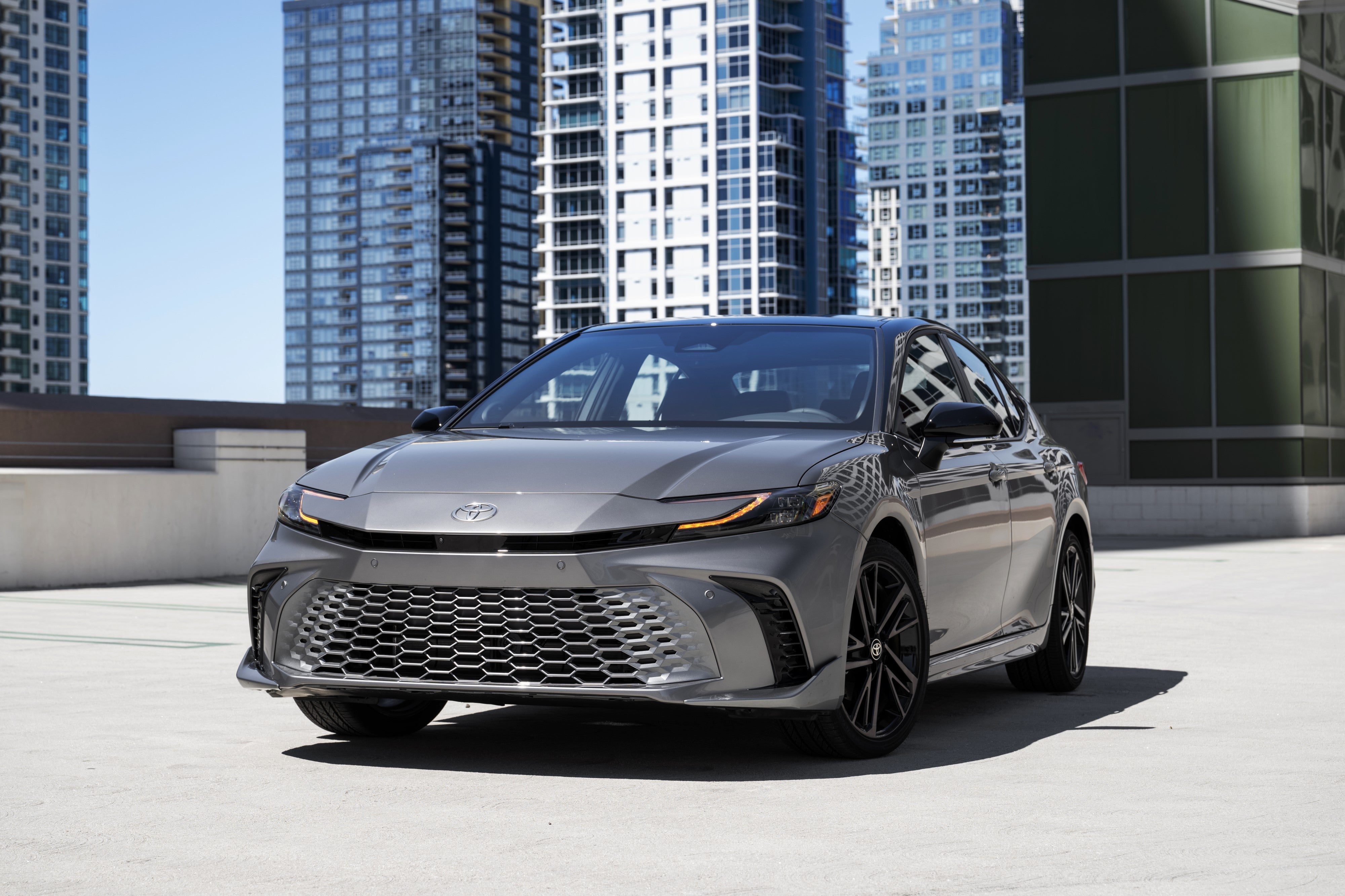
2028 Toyota Highlander Limited Misty Gray

The next Highlander is a three-row, all-electric SUV, and the 2028 Toyota Highlander XLE vs. Limited question is already coming up with Katy shoppers. This is a preview. Toyota has announced the model, but it isn't on sale yet, and the company expects sales to begin in 2027. If you're researching new vehicles for your family, this guide shows where the two trims differ so you can plan ahead.


2028 Toyota Highlander XLE vs Limited: A Preview at a Glance

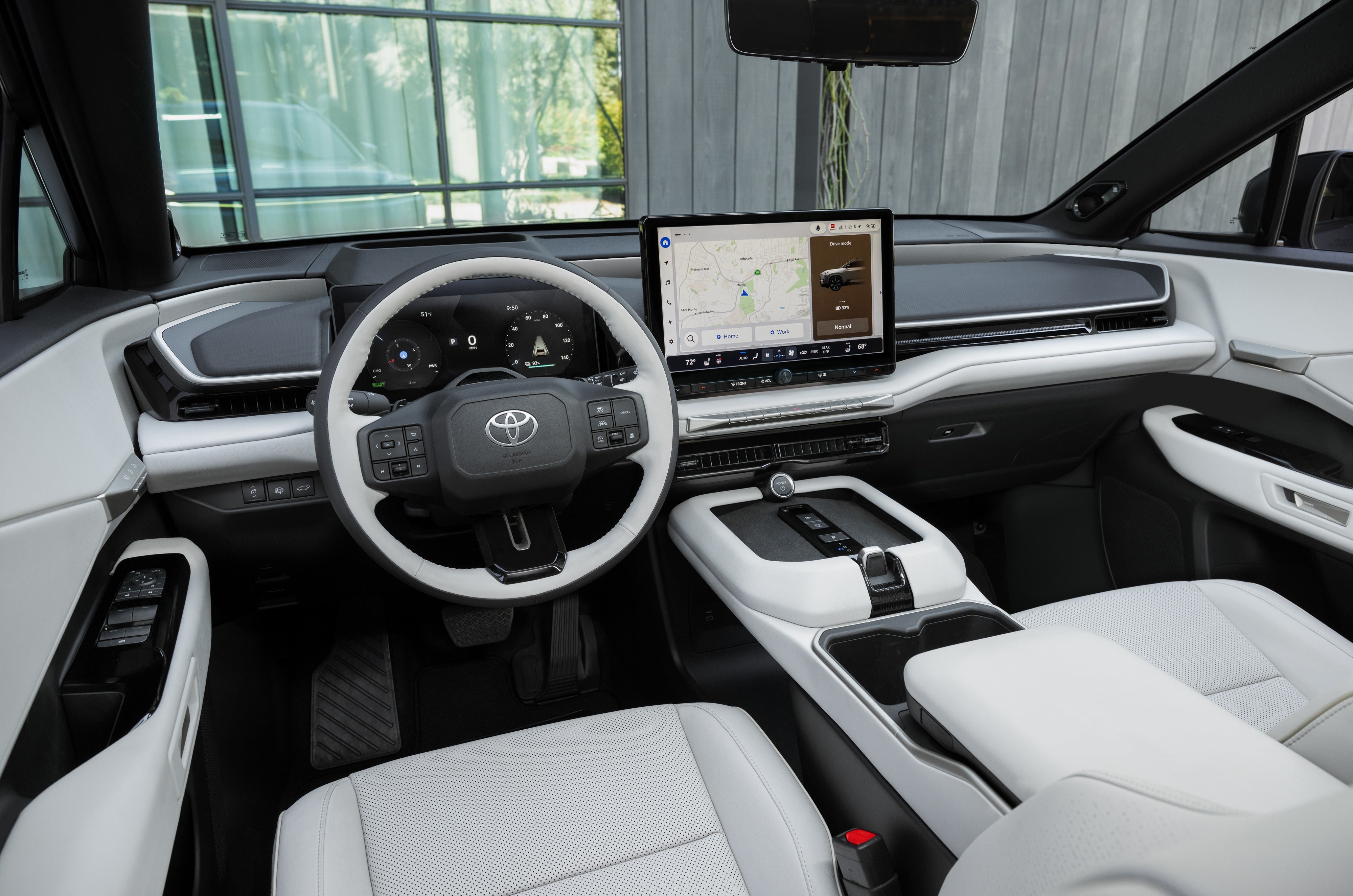
Both trims share a 14-inch touchscreen, a 12.3-inch digital driver's display, Toyota Safety Sense 4.0, and a NACS charging port. The differences come down to drivetrain choice and battery size, plus a set of comfort and driver-assistance features the Limited adds. Toyota is still finalizing details, so use this as a planning aid and not a final spec sheet.


Quick Take: Who Each Trim Is Likely to Suit

The XLE fits buyers who want a well-equipped three-row EV with a choice of FWD or AWD. It comes with heated front seats and a heated steering wheel, and the second-row bench is available on the XLE AWD.


Buyers who want AWD with the larger battery will find more in the Limited, which layers on extra comfort and driver-assistance features. These include ventilated front seats, heated second-row seats, a head-up display, Advanced Park, Panoramic View Monitor, Lane Change Assist, and Front Cross Traffic Alert.


The table below compares the four announced configurations.

Spec XLE FWD (77.0-kWh) XLE AWD (77.0-kWh) XLE AWD (95.8-kWh) Limited AWD (95.8-kWh)
Battery 77.0-kWh 77.0-kWh 95.8-kWh 95.8-kWh
Drivetrain FWD AWD AWD AWD
Horsepower and torque 221 hp, 198 lb.-ft. 338 hp, 198/125 lb.-ft. front/rear 338 hp, 198/125 lb.-ft. front/rear 338 hp, 198/125 lb.-ft. front/rear
Estimated range 287 miles 270 miles 315 miles 315 miles
Key safety features Toyota Safety Sense 4.0 Toyota Safety Sense 4.0 Toyota Safety Sense 4.0 Toyota Safety Sense 4.0, plus head-up display, Advanced Park, Panoramic View Monitor, Lane Change Assist, Front Cross Traffic Alert
Cargo volume 15.9 cu. ft. behind third row, 45.6 cu. ft. with third row folded, up to 80 cu. ft. with both rows folded Same as XLE FWD Same as XLE FWD Same as XLE FWD

Range is a manufacturer estimate and varies with weather and driving style. Pricing is to be announced.


Where the XLE and Limited Fit in the All-Electric Highlander Lineup

Toyota has announced the all-electric Highlander in two grades, XLE and Limited, with the Limited at the top. Think of the XLE as a well-equipped everyday three-row SUV and the Limited as a more premium ownership experience. The XLE is far from sparse.


Trim level and drivetrain are separate choices. An XLE can be FWD or AWD, and it can have either battery. Toyota expects sales of the 95.8-kWh XLE AWD and Limited AWD in early 2027, and the XLE FWD 77.0-kWh in mid-2027. That's Toyota's expectation only, so we can't confirm arrival or availability at our dealership.


Drivetrain and Battery: FWD or AWD on the XLE, AWD-Only Limited

The XLE FWD makes 221 hp and 198 lb.-ft. of torque. Every AWD model, including the Limited, makes 338 hp, with 198 lb.-ft. from the front motor and 125 lb.-ft. from the rear. AWD models also include Multi-Terrain Select and Crawl Control. AWD adds traction in suitable conditions, yet good tires and careful driving still matter on wet Katy roads.


Battery size drives range. Toyota estimates 315 miles for both the XLE AWD and Limited AWD with the 95.8-kWh battery. The XLE AWD with the 77.0-kWh battery is estimated at 270 miles, and the XLE FWD at 287 miles. A 95.8-kWh XLE AWD goes just as far as the Limited, because the extra range comes from the battery.


Every grade has a NACS port for DC fast charging. Under ideal conditions, charging from 10% to 80% takes around 30 minutes. Level 1 and Level 2 AC charging are supported, and Toyota includes a dual-voltage 120V/240V charging cable. Standard battery preconditioning helps prepare the battery for fast charging. You can turn it on manually in the system settings, or it can activate automatically when you navigate to a fast-charging station with an active Drive Connect trial or subscription. Charge Assist and ECO Charge can schedule charging at lower-rate times or when renewable energy may be available.


If you own a home in Katy, think about where you park and how you would charge overnight. Vehicle-to-load can power external devices, but only with bi-directional accessories.


Technology and Infotainment: Screens, Audio, and Connectivity

The XLE already has a strong tech baseline, so you don't need the Limited for modern connectivity. Both trims include the 14-inch touchscreen with Toyota Audio Multimedia, wireless Apple CarPlay and Android Auto compatibility, and dual Bluetooth phone connectivity. Other shared features include AT&T 5G connectivity, a "Hey Toyota" Voice Assistant, SiriusXM with 360L, and integrated Spotify, with separate subscriptions required for SiriusXM and Spotify.


Native turn-by-turn navigation can show full-screen on the digital gauge cluster, which is handy on a busy Katy Freeway merge. A dual Qi wireless charging tray is standard, and USB-C ports serve all three rows. Digital Key can be shared with up to five additional drivers, but it requires an active Remote Connect trial or subscription. A built-in Drive Recorder captures 20-second clips from exterior cameras.


Audio differs noticeably. The XLE has a 6-speaker system. JBL Premium Audio, with 11 speakers, a subwoofer, and an amplifier, is available on the XLE AWD and the Limited. The Limited's added head-up display, Advanced Park, and Panoramic View Monitor help with driving information and tight parking spots. The driver still has to stay attentive, since these features only assist.


Interior Comfort and Convenience: Seats, Materials, and Cabin Space

Interior quality is a shared strength. Both trims offer SofTex-trimmed seating, soft-touch dash and door materials, and customizable ambient lighting with 64 colors. Interior colors are Black and Portobello, with Misty Gray as a further option. The cabin itself stays the same in the Limited, which just adds comfort on top of that.


Seating Comfort and Materials

The XLE comes with heated front seats and a heated steering wheel. The Limited adds unique seat patterns, ventilated front seats, and heated second-row seats. Ventilated seats can be important in a Katy summer, though you should confirm the final equipment with us.


Picture an Energy Corridor commuter who wants a quiet, comfortable cabin for a long drive home. Ventilated front seats and the JBL Premium Audio system would likely appeal. Still, heated seats and the shared soft-touch materials already make the XLE comfortable.


Second-Row and Third-Row Practicality for Katy Families

Seating layout matters more than trim. Second-row captain's chairs are standard, and the available second-row bench, offered on the XLE AWD, brings seating up to seven. The third row has space for two adults, and a one-touch electronically assisted button folds the second row.


Cargo space is the same across the lineup: 15.9 cu. ft. behind the third row, 45.6 cu. ft. with it folded, and up to 80 cu. ft. with both rear rows folded. Rear HVAC controls, 18 cupholder locations, a hands-free power liftgate, and available rear window shades help on school runs. Try third-row access and your child seats in person.


Exterior Design Differences: Wheels, Lighting, and Styling

Both trims share the same design identity, with full-width LED daytime running lights and semi-flush electronic door handles set against broad fenders. The XLE rides on 19-inch wheels with full aero caps, while the Limited steps up to 22-inch wheels, with two-tone paint available.


Larger wheels add visual presence, but they can also affect ride comfort and efficiency, so bigger isn't automatically better. A fixed glass panoramic roof, the largest in Toyota's lineup, is available across all grades.


Which Trim Fits Your Life in Katy and West Houston?

Start with seating layout and charging setup. Range comes next. After that, decide how much added comfort you'll actually use. Our team can walk you through it by phone at 844-809-1063 or through our online contact form. If you're also weighing used options, our used Toyota Highlander vs RAV4 comparison is a useful related read.


Daily Commutes, School Runs, and Weekend Trips

For commuting, think about daily mileage and where you will charge. Time spent in traffic matters too. A higher trim doesn't make charging easier. For school drop-offs, focus on passenger count, child seat fit, and cargo space behind the third row.


Consider a family hauling kids and sports gear to weekend events. The XLE AWD with the second-row bench seats seven, and the cargo numbers are the same on both trims. The Limited's heated second-row seats and Front Cross Traffic Alert add comfort and convenience in crowded lots. On longer trips, charging stops, luggage count, range, and comfort all matter. When you're ready to talk about financing, we're glad to help.


Choosing Between XLE and Limited by Buyer Type

The XLE suits you if you want a three-row EV with the choice of FWD or AWD and a second-row bench seat. The Limited is the one for AWD with the 95.8-kWh battery, plus ventilated seats, heated second-row seats, and additional driver-assistance features. An XLE AWD with the 95.8-kWh battery shares the Limited's power and range, so the choice comes down to equipment.


Questions to Ask Before Your Highlander Test Drive

Use these questions to narrow your choice, then check the answers in person on your test drive:


  • How many people ride regularly, and does the second row need a bench or captain's chairs?

  • Will anyone often sit in the third row, and how easy is access with car seats?

  • Do you want upgraded audio, a head-up display, or parking aids?

  • Is a quiet, cooled, or heated seat important during your commute?

  • How far do you drive daily, and where will you charge?

Frequently Asked Questions About the XLE and Limited

Is the 2028 Highlander a hybrid or fully electric? It is fully electric. It is a three-row, all-electric SUV offered in XLE and Limited grades.

Does the Limited come in FWD? No. The Limited is AWD only, with the 95.8-kWh battery. FWD is offered on the XLE with the 77.0-kWh battery.

Does it seat seven? It can. Seating for up to seven comes with the available second-row bench, which is available on the XLE AWD. Second-row captain's chairs are standard.

Which trim suits car seats and families? Either can work. Both share the same cargo space and rear conveniences, so test third-row access and car-seat fit in person. The Limited adds heated second-row seats.

What should I compare on a test drive? Compare seat comfort and third-row access first, then visibility, audio, and controls. Check how the drivetrain feels and how the added Limited features suit your routine.


Prepare for the 2028 Highlander With Toyota of Katy

The 2028 Toyota Highlander XLE vs Limited choice comes down to fit. The XLE offers a well-equipped three-row EV with the choice of FWD or AWD. The Limited adds comfort and driver-assistance features on top of AWD and the larger battery.


With the first Highlanders expected in early 2027, now is a great time to plan:

  • Make a short list of your seating and drivetrain needs, as well as your charging priorities.

  • Visit us at 21555 Katy Freeway in Katy, Monday through Saturday from 9 a.m. to 7 p.m., to compare trims and browse Highlander models with our team.

  • Call us at 844-809-1063 or contact us online.


When the all-electric Highlander arrives in Katy, our team will be ready to help you compare the XLE and Limited side by side and find the trim that fits your family, your commute, and your budget.
Posted in:

Related Posts

2026 Toyota RAV4 at Toyota of Katy

Which Used Toyota SUV Is Better for Your Family, the Highlander or RAV4?

Shoppers browsing the used lot at Toyota of Katy tend to land on the same two names: Highlander and RAV4. Both wear the Toyota badge that Katy families trust, but they solve very different problems. When you're weighing Highlander vs RAV4 for your next pre-owned purchase, the decision comes down to which one holds its value, fits your driveway, and matches how you actually use a vehicle day to day. Used Highlander vs. RAV4: Which SUV Wins in the Katy Market? Larger households tend to lean toward the Highlander for its extra seating and cargo space. Smaller families and daily commuters tend to gravitate toward the RAV4's compact, efficient setup. Both have earned reputations for dependability and strong resale numbers, so the decision usually comes down to lifestyle rather than quality. Whether you're cross-shopping these two for a growing family or a solo commuter grabbing something efficient for Energy Corridor traffic, the used market gives you plenty of model years to choose from at every budget. If you'd like to see what's currently available, you can explore our used Toyota SUVs in Katy anytime while you're deciding. Meet the Contenders: Toyota Highlander and RAV4 Generations Explained Specs shifted quite a bit by generation, so it helps to know what changed under the hood before comparing numbers. Used Toyota Highlander: Size, Power, and Model Year Highlights The third-generation Highlander (2014-2019, XU50) offered a 2.7L four-cylinder rated at 185 hp, a 3.5L V6, and a 3.5L V6 hybrid producing up to 306 hp from 2017, paired with FWD or AWD and seating for up to eight. Watch the safety cutoff here: Toyota Safety Sense P became standard across the Highlander line for 2017, bringing forward-collision warning, automatic emergency braking, lane-departure warning, and adaptive cruise control. On 2014-2016 models, those features were optional and largely limited to top trims, so a 2017-2019 example is the safer buy in this generation. The fourth generation (2020-2025, XU70) launched with a 295-hp 3.5L V6 and an 8-speed automatic, added Toyota Safety Sense 2.0 as standard, then switched to a 265-hp turbocharged 2.4L four-cylinder for 2023 alongside a 243-hp Highlander Hybrid. Trims run L and LE up through XLE, Limited, and Platinum, and Toyota added the three-row Grand Highlander for 2024. Used Toyota RAV4: Efficiency, Versatility, and Model Year Highlights The fourth-generation RAV4 (2013-2018) dropped the V6 and third-row option in favor of a more efficient transmission, and Toyota introduced the first RAV4 Hybrid for 2016-2018. The fifth generation (2019-2025) moved to the TNGA-K platform with a 203-hp 2.5L engine, a 219-hp RAV4 Hybrid, and a 302-hp RAV4 Prime plug-in hybrid available from 2021-2024 (renamed RAV4 Plug-in Hybrid for 2025). The Adventure trim was offered from 2019 through 2024, while Toyota added the TRD Off-Road trim starting in 2020; both were offered through 2024. Looking ahead, the sixth generation (2026+) will drop gas-only powertrains entirely in favor of Hybrid or PHEV options, worth keeping in mind if you're cross-shopping late-model used inventory. Resale Value Showdown: Which Toyota SUV Holds Its Value Longer The numbers get interesting for used-car shoppers. According to iSeeCars resale data, the Highlander depreciates by 36.3% over five years, while the RAV4 depreciates by just 25.0%, an 11.3-point advantage for the RAV4. Put another way, the RAV4 holds about 75% of its value at the five-year mark, compared with roughly 64% for the Highlander. Both beat their segments, but the RAV4 beats its own by more: the compact SUV average is 39.9% depreciation, so the RAV4 runs nearly 15 points better than its class, while the Highlander's 36.3% is about 10 points better than the 46.3% midsize average. If protecting your investment is the priority, the RAV4 has a stronger track record, and either one can run well past 100,000 miles with proper care. Reliability and Ownership Costs for Katy Drivers Reliability is close between these two, but the RAV4 edges ahead slightly. iSeeCars rates the RAV4's overall quality at 8.8 out of 10, ranking it 4th among 66 crossover SUVs, while the Highlander scores 8.5, placing it 5th. Reliability scores follow a similar pattern, with the RAV4 at 8.2 and the Highlander at 8.1. RepairPal gives both models a 4.0 out of 5.0 rating, but the RAV4 ranks 3rd among 26 compact SUVs, with average annual repair costs of $429, compared with a $521 average for compact SUVs. The Highlander ranks 7th among 26 midsize SUVs, averaging $489 annually, compared with a midsize average of $573. Both average just 0.3 unscheduled repairs per year, and both the 2021-2025 RAV4 and 2021-2025 Highlander carry NHTSA's full 5-out-of-5 overall rating. Two powertrain notes worth weighing: the RAV4's 2.5L four-cylinder has been in service since 2019 across several Toyota lines and is one of the more workshop-friendly engines around, while the Highlander's 2.4L turbo only arrived for 2023 and has a much shorter service record. On hybrids, Toyota covers the battery for 10 years or 150,000 miles from first use on 2020-and-later models, and that coverage transfers with the vehicle. Feature and Performance Comparison by Generation Specs vary a lot depending on the model year you're looking at, so it pays to know exactly what changed and when. Here's how the two compare across the generations you'll actually find on a used lot. Spec Highlander RAV4 Engine/Powertrain 3rd gen (2014–2019): 2.7L I4 185 hp, 3.5L V6, 3.5L V6 Hybrid up to 306 hp; 4th gen (2020–2025): 3.5L V6 295 hp [2020–2022], 2.4L turbo I4 265 hp [2023+], Hybrid 243 hp 4th gen (2013–2018): I4, Hybrid [2016–2018]; 5th gen (2019–2025): 2.5L I4 203 hp, Hybrid 219 hp, Prime 302 hp [2021–2024] Drivetrain FWD/AWD FWD/AWD Cargo Volume (4th/5th gen) 16 / 48.4 / 84.3 cu ft 37.6 / 69.8 cu ft Seating Capacity 7–8 (3 rows, 27.7 in third-row legroom) 5 (2 rows) Fuel Economy (2023 gas) 24–25 mpg combined 28–30 mpg combined Fuel Economy (2023 hybrid) 36 mpg combined 39 mpg combined Max Towing 5,000 lbs (V6) / 3,500 lbs (Hybrid) 3,500 lbs (Adventure, TRD Off-Road) / 1,750 lbs (Hybrid) / 2,500 lbs (Prime) 5-Year Depreciation (iSeeCars) 36.3% 25.0% 5-Year Resale Retention ~64% ~75% Interior Space, Towing, and Family-Friendly Features The cargo space gap between these two is significant. On the fourth-generation Highlander (2020-2025), you get 16 cubic feet behind the third row, 48.4 cubic feet with the third row folded, and 84.3 cubic feet with the second row also folded. The fifth-generation RAV4 (2019-2025) offers 37.6 cubic feet behind the rear seats and 69.8 cubic feet with the second row folded. In terms of dimensions and seating, the Highlander offers three rows for 7 to 8 passengers, while the RAV4 sticks to two rows and 5 seats. Be realistic about that third row: on the 2014-2019 Highlander, it measures 27.7 inches of legroom, which is a kids-only space rather than a true seven-seat cabin. If your household is four or five people, you're paying for a row you'll rarely use. Towing favors the Highlander: the V6 (2020-2022) pulls up to 5,000 lbs, and the Highlander Hybrid (2020-2025) up to 3,500 lbs. The base gas RAV4 (2019-2024) tops out around 1,500 lbs, Adventure and TRD Off-Road trims reach 3,500 lbs, the RAV4 Hybrid manages 1,750 lbs, and the RAV4 Prime (2021-2024) reaches 2,500 lbs. For 2025, the RAV4 gas model remains at 1,500 lbs since the Adventure and TRD Off-Road trims were dropped. On the tech side, the Highlander offers an available 12.3-inch touchscreen versus the RAV4's 10.5-inch max, three-zone climate control versus two-zone, standard wireless CarPlay and Android Auto, where the RAV4 defaults to wired, and an available 11-speaker JBL premium audio system, the same speaker count as the RAV4's optional JBL setup. Fuel Economy and Powertrain Differences Across the Years Fuel economy is where the RAV4 pulls clearly ahead, and the gap is wider than most shoppers expect. Take 2023, when both were in their current form. The Highlander is EPA-rated 22 city/29 highway/25 combined with front-wheel drive and 21/28/24 with all-wheel drive. The RAV4 gas model rates 27/35/30 on FWD trims, dropping to 25/32/28 on the TRD Off-Road. That's a 5-to-6 mpg spread in combined driving, and it holds across the 2020-2025 span. The hybrids repeat the pattern. The RAV4 Hybrid returns 41 city/38 highway across most trims, or 39 combined, while the Highlander Hybrid returns 36/35. The RAV4 Prime (2021-2024) adds a plug-in option that the Highlander never offered, with an electric-only rating of 94 MPGe and 38 mpg combined once the battery is depleted. Output runs the other way, which is the trade you're making. The Highlander's 2023-and-later 2.4L turbo makes 265 hp against the RAV4's 203-hp 2.5L, and the Highlander Hybrid's 243 hp edges the RAV4 Hybrid's 219 hp. For Katy commuting, the RAV4's efficiency usually matters more than the Highlander's extra power. Which Used SUV Fits Your Katy Lifestyle Best Think about how you actually spend your time behind the wheel around Katy and the Greater Houston area. The RAV4 suits Energy Corridor commuters and four- to five-person households that want an agile, fuel-efficient SUV for errands and daily driving without wasted space. The Highlander makes more sense for families juggling carpools across Katy's master-planned communities and long hauls with seven or eight passengers, thanks to its extra power and a more premium interior. Match the vehicle to your actual routine, and you'll end up happy with the purchase years down the road. A few practical tips apply regardless of which model you choose. Pay attention to mileage bands relative to age, since a well-maintained, higher-mileage RAV4 or Highlander can outperform a neglected, low-mileage one. Ask for maintenance records whenever possible, and understand trim differences, since features like third-row seating, towing packages, and hybrid powertrains vary widely by year and trim. Matching the generation to the specs you actually want, whether that's the 2023+ Highlander's turbo four-cylinder or the 5th-gen RAV4's hybrid options, will save you from surprises later. Check the Flood History Before Anything Else This matters more in Katy than almost anywhere in the country. Between Hurricane Harvey in 2017 and the Memorial Day floods before it, a large number of water-damaged vehicles entered the Texas used market, and not all of them carry a branded title. Flood damage tends to surface later as corroded connectors, intermittent electrical faults, and failing modules, and on a hybrid, it can reach high-voltage components that are expensive to put right. Before you commit to any used Highlander or RAV4, run the VIN through the free NICB VINCheck and a CARFAX or AutoCheck report, and look for a title branded flood or salvage. In person, check for silt in the spare tire well and seat rails, a musty or heavily deodorized cabin, moisture behind the headlight lenses, and rust on bolt heads under the seats. Every used vehicle on our lot goes through inspection before it's listed, and we'll pull the history report for you on request. Why Buy Your Used Highlander or RAV4 at Toyota of Katy We've served the Katy community for more than 20 years, and that experience shapes how we handle every used vehicle on our lot. Toyota Certified Used Vehicles go through a 160-point quality assurance inspection and come with a 12-month/12,000-mile limited comprehensive warranty, a 7-year/100,000-mile limited powertrain warranty measured from the original date of first use, one year of roadside assistance, and a CARFAX vehicle history report at no extra cost. That's real coverage on top of the resale strength these SUVs already carry. Our factory-trained technicians service them to Toyota's own standards, and consistent maintenance history is one of the most overlooked factors in protecting resale value down the line. Find Your Perfect Pre-Owned Toyota SUV Today Whether the numbers point you toward a RAV4's stronger resale retention or a Highlander's extra seating and towing capacity, the right choice depends on how you live, not just what the spec sheet says. We carry a rotating selection of both models across multiple generations, so you have real options at different price points and feature sets. Explore our used Toyota SUVs in Katy, or contact our team to schedule a test drive and get a feel for which one best fits your daily routine.

2027 Toyota RAV4 PHEV XSE StormCloud

Toyota RAV4 Hybrid vs. Plug-in Hybrid: Key Differences in MPG, Range & Performance

If you drive I-10 every day or juggle school runs and errands around Katy, the Toyota RAV4 Hybrid vs RAV4 Plug-in Hybrid question comes down to how far you drive and where you park. Cost matters too. Both are efficient, but each is better suited to a different kind of driver. This guide covers the real differences, using 2026 model-year figures. If you'd rather see them in person, you can browse our RAV4 Hybrid and RAV4 Plug-in Hybrid inventory at Toyota of Katy while you read. RAV4 Hybrid vs. RAV4 Plug-in Hybrid: The Core Difference at a Glance Both models pair a gas engine with electric motors. The RAV4 Hybrid recharges itself via the engine and regenerative braking, so it never needs to be plugged in. The RAV4 Plug-in Hybrid carries a much larger battery that you charge from an outlet or charger, which gives it real electric driving. For 2026, the RAV4 is hybrid only, with no gas-only version. Used-car shoppers may see the RAV4 Prime name. Earlier plug-in versions were marketed that way, so today the difference is simply the RAV4 Hybrid versus the RAV4 Plug-in Hybrid. The hybrid comes in LE, SE, XLE Premium, Woodland, XSE, and Limited grades, and now offers FWD for the first time, with AWD available as well. Every plug-in trim (SE, XSE, Woodland and GR SPORT) has standard AWD. Quick Comparison Table: Powertrain, Electric Range, Power, MPG, and Price Figures are EPA or manufacturer estimates and vary with driving, temperature, and charging. RAV4 Hybrid RAV4 Plug-in Hybrid Powertrain 2.5L four-cylinder, two motor-generators; AWD models add a rear electric motor 2.5L four-cylinder, two electric motors including a dedicated rear motor, high-capacity traction battery Drivetrain FWD or AWD Standard AWD Net combined horsepower 226 hp (FWD), 236 hp (AWD) 324 hp Electric range No rated electric-only range (EV mode for short, low-speed distances) Up to 52 miles (Woodland 49, GR SPORT 48) Fuel economy Up to 44 MPG combined (FWD) 40 MPG / 101 MPGe combined (SE) Cargo volume Up to 37.8 cu. ft.; 70.4 cu. ft. with rear seat folded 33.6 cu. ft. behind rear seats; 63.5 cu. ft. folded Price Lower upfront cost Higher upfront cost than the hybrid Electric Range and Fuel Economy: Which Saves More in Your Daily Driving? Start with how many miles you drive between charging stops rather than the highest MPG. A driver whose daily mileage fits within the electric range, and who can charge at home or work, can meaningfully cut fuel use. If you can't charge regularly, the plug-in's advantage shrinks. Here are the efficiency figures side by side. The RAV4 Hybrid LE is rated 47 city and 40 highway. The AWD XLE gets 41 MPG combined, and the AWD Woodland gets 38. The plug-in SE is rated 40 MPG and 101 MPGe combined, and the GR SPORT gets 37 MPG combined. MPG measures gasoline efficiency, while MPGe expresses energy efficiency on an equivalent basis. Neither number alone sets your real operating cost, so run your own mileage. Short Commutes Around Katy and West Houston Picture your whole day, including the return leg. A school drop-off, a grocery run, an errand across Katy, and the drive home all add up. If that loop fits inside the plug-in's range and you recharge each night, much of it can run on electricity. Treat range as an estimate. Highway speed, air conditioning use, weather, driving style, and load all change how far a charge lasts. In Texas summers, expect the A/C to matter. Long Highway Drives and Road-Trip Flexibility Once the plug-in's battery is depleted, it runs as a gas-electric hybrid. Long drives aren't limited by electric range, and you don't have to stop to charge. Both models refuel at a gas station like any other vehicle. On a road trip, the two behave similarly. The plug-in's electric miles trim gas use early in the trip, but its overall advantage depends on how often you charge compared with your total mileage. The hybrid never needs charging equipment at all. Power and Driving Feel: What the Plug-in Adds The plug-in's 324 hp compares with 226 hp for the FWD hybrid and 236 hp for the AWD hybrid. Its electric drive motor produces 203 hp and 201 lb-ft of torque, and Toyota lists 0-60 mph in 5.4 seconds. You'll notice the gap most when merging onto I-10, passing on the highway, or accelerating with passengers and cargo aboard. At low speeds on electric power, the plug-in is also quiet and responsive. The hybrid still gets electric-motor assistance and delivers plenty for economical daily driving. More horsepower doesn't mean better fuel economy, and plenty of buyers won't use the extra power. Our advice: drive both back-to-back. Pay attention to accelerator response and how smoothly the engine kicks in, then compare ride comfort and cabin noise. Horsepower alone shouldn't make the call. Charging the RAV4 Plug-in Hybrid: Home Setup, Speed, and Cost A plug-in pays off when charging is easy and repeatable. The battery is 22.7 kWh, and every grade includes a dual-voltage cable for 120V and 240V outlets. Where you park matters about as much as how far you drive. If you're weighing a plug-in, see our new RAV4 Plug-in Hybrid models and bring your parking situation to the conversation. We can help you think through whether it fits. Level 1 vs. Level 2 Charging Times Level 1 means the included cable plugged into a standard 120V household outlet. It's slow, though fine for overnight top-ups, and for shorter daily commutes it's often enough. Level 2 requires 240V equipment, and charging goes much faster. The onboard charger is 7 kW on the SE and GR SPORT and 11 kW on the XSE and Woodland. On Level 2, a full charge takes about 3.5 hours on the SE and GR SPORT and about 2.5 hours on the XSE and Woodland. Only the XSE and Woodland add DC fast charging, with about 30 minutes to charge from 10% to 80% under ideal conditions. A home Level 2 setup can involve an electrical assessment, equipment, and permitted installation, so have a qualified electrician review your plan. Estimate costs from your actual electricity plan. Can You Own a Plug-in Without a Home Charger? Yes, but think it through. If you rent, own a townhome, or live under an HOA, you can use a standard household outlet, charge at work, or use public stations. Check access, pricing, and the time each option takes. Without external charging, the plug-in runs like a conventional hybrid but loses its full electric benefit. You'd be paying a premium for capability you rarely use. If dependable charging doesn't fit your routine, the hybrid is usually the better match. Price, Incentives, and Long-Term Cost of Ownership The hybrid generally costs less up front. The plug-in costs more because of its larger battery, extra power, and electric driving. We recommend comparing similarly equipped trims rather than just the lowest advertised prices, and asking for an out-the-door figure that includes fees, taxes, and any financing costs. If you plan to finance, our financing application is a good place to start. Upfront Price Gap and Fuel Savings Break-Even A simple break-even divides the plug-in's net price premium by your estimated annual operating savings. Those savings depend on your annual mileage, how many miles you drive on electricity, your access to charging, and local gas and electricity costs. If savings are small, fuel alone may not recover the premium. Money isn't the only measure of value. Some buyers like quieter electric driving and stronger acceleration, and fewer gas stops appeal to them even when payback is long. Insurance and maintenance costs also belong in the comparison, along with resale value, though none of these are guaranteed. Tax Credits, Rebates, and Current Availability According to the IRS, the federal New Clean Vehicle Credit is not available for vehicles acquired after Sept. 30, 2025. Texas administers the TCEQ Light-Duty Motor Vehicle Purchase or Lease Incentive Program (LDPLIP), a grant program for eligible electric-drive vehicles, including plug-in hybrids. Vehicles must be on the TCEQ Eligible Vehicle List, applicants commit to operating and registering in Texas for at least one year, and grants are first-come, first-served. The program's funding appears to be depleted, and no reopening date has been announced. All of this is subject to change and eligibility. Please verify with a tax professional before you count on any incentive. We can't promise one. Toyota lists both the 2026 RAV4 and RAV4 Plug-in Hybrid for our area, but inventory changes. Contact us for current availability. Cargo Space, Features, and Battery Warranty: What Stays the Same and What Doesn't Both models fill the same compact-SUV role. All 2026 RAV4s have a 12.3-inch instrument panel and Toyota Safety Sense 4.0, and a 1500W rear cargo outlet is available. Features still vary by trim, so match trims when you compare. Cargo is where they differ. The plug-in offers 33.6 cu. ft. behind the rear seats and 63.5 cu. ft. folded, slightly less than the hybrid's 37.8 and 70.4. Check the load floor in person with your own gear, whether that's a stroller or a set of golf clubs. Both models carry the same battery coverage: the hybrid battery is warranted for 10 years or 150,000 miles, whichever comes first, and other hybrid system components (such as the hybrid control module and inverter) are covered for 8 years or 100,000 miles, with coverage transferring to future owners. Both share hybrid technology, so routine upkeep is similar, and our Service Center can help keep either one running well. Which RAV4 Fits Your Driving Needs? Neither model is the right answer for everyone. Pick the powertrain whose strengths you'll use every week. Base your decision on a typical week, since your shortest commute or an occasional road trip will mislead you. Choose the RAV4 Hybrid If… You can't reliably charge at home or work, such as in an apartment or an HOA community. Most of your driving is long highway miles beyond the plug-in's electric range. A lower upfront cost matters more to you than electric driving. You want a vehicle that never needs charging equipment. You want the available FWD configuration or the larger cargo volume. Choose the RAV4 Plug-in Hybrid If… You can plug in nightly, and your daily school runs and errands fit within the electric range. You value the extra power for merging and passing on I-10. You want standard AWD on every trim. You accept a higher upfront cost and understand savings depend on how often you charge. You're comfortable with the tradeoff that without charging, it behaves like a conventional hybrid. Frequently Asked Questions Is the Toyota RAV4 Hybrid a plug-in? No. The RAV4 Hybrid never plugs in. It recharges through the engine and regenerative braking. Does the RAV4 Plug-in Hybrid need a home charger? No. The included cable works with a standard 120V outlet. A Level 2 setup is faster, but it isn't required. Which is better for long drives? Both handle them well. The plug-in switches to hybrid operation once its battery is depleted, so you don't need to stop for charging. What happens when the plug-in's battery is depleted? It runs as a gas-electric hybrid. The engine and motors work together, as they do in the RAV4 Hybrid. Does the 2026 RAV4 come in a gas-only version? No. The 2026 RAV4 is hybrid only. Compare Available RAV4 Models at Toyota of Katy We've served the Katy community for over 20 years and sell new and used Toyota cars, trucks, and SUVs, with financing, service, genuine parts, and collision repair. The choice between the Toyota RAV4 Hybrid and RAV4 Plug-in Hybrid is easiest when both are in front of you. Compare current RAV4 models, drive them back-to-back, and bring your daily mileage and charging access, plus your budget. Ask for a clear estimate that separates vehicle price, financing, and any charging costs. Confirm the current inventory with us rather than assuming every trim is in stock. Ready to get started? Contact us online or call sales at 844-809-1063 to set up a test drive.

2027 Toyota Camry XSE AWD Heavy Metal Black

2027 Toyota Camry: What We Know So Far

Toyota announced the 2027 Toyota Camry on October 13, 2026, and shoppers across Katy and West Houston are already asking what it means for them. We want to give you a straight answer, separating what Toyota has confirmed from what remains open. If you'd rather look at vehicles while you read, you can browse our current Camry inventory. What Toyota Has Confirmed for 2027 Here’s what Toyota’s official announcement covers. Toyota has published the grade lineup and hybrid powertrain details, along with manufacturer-estimated fuel economy and pricing. The 2027 Camry starts at $29,700 for the LE, followed by the SE at $32,200, the Nightshade at $33,200, the XLE at $34,900, and the XSE at $36,100, with AWD adding $1,525 on any grade (prices exclude the $1,295 dealer processing and handling fee). Toyota expects the model to be at dealerships in fall 2026, but a specific on-sale date hasn’t been announced. Specifications and availability may change without notice, so please confirm details with Toyota or with our dealership before you decide. What Carries Over From the 2026 Camry Toyota describes the 2027 grades, features, and options as carryovers, confirming continuity. The 2027 Camry looks like the current car, with the same five grades, wheel designs, and colors we cover below. Toyota has not announced a redesign date or details of a next-generation Camry, and we won't guess at one. Hybrid-Only Powertrain and Everyday Driving in Katy Every 2027 Toyota Camry uses Toyota's fifth-generation Toyota Hybrid System (THS 5), with a 2.5-liter four-cylinder engine and an eCVT. Output is 225 net combined horsepower with FWD and 232 with AWD. The AWD system is Electronic On-Demand All-Wheel Drive, with an electric motor-generator on the rear axle. The suspension is MacPherson strut up front and multi-link in the rear, and the SE, Nightshade, and XSE get sport-tuned suspensions. For local driving, a hybrid sedan suits the stop-and-go stretches of I-10 and the Katy Freeway, errands around Katy, and runs out the Grand Parkway. It also suits the trips into Houston and the Energy Corridor commutes many of our neighbors make. A conventional hybrid like this one needs no plug-in charging, since the vehicle manages its own battery. Your fuel economy will still vary with grade, drivetrain, traffic, and driving style. AWD can add traction in suitable conditions, but a sedan stays a sedan, and AWD never makes driving through flooded roads safe. If you're weighing sedans from Toyota, our post on the 2026 Toyota Crown vs. Camry for Katy commuters is a useful Toyota-to-Toyota resource. The LE, SE, Nightshade, XLE and XSE Grades The 2027 Camry keeps five grades, and the differences go beyond styling. Wheels and touchscreens change as you move up, along with seating and mpg. The mpg figures below are manufacturer-estimated, listed as city/highway/combined. Grade Wheels Touchscreen and gauge cluster FWD mpg AWD mpg LE 16-inch alloy 8-inch / 7-inch 52/49/51 50/49/50 SE 18-inch black-finished alloy 8-inch / 7-inch 47/45/46 46/46/46 Nightshade 19-inch satin black-finished alloy 8-inch / 7-inch 47/45/46 46/46/46 XLE 18-inch two-tone machined and black-finished alloy 12.3-inch / 12.3-inch 47/45/46 46/46/46 XSE 19-inch black and smoke-gray-finished alloy 12.3-inch / 12.3-inch 47/45/46 43/43/43 A Multimedia Upgrade Package with the 12.3-inch touchscreen is listed for the SE and Nightshade. Those two grades are the ones to look at if you want the SE look with a larger screen. The XSE follows the same sport-tuned approach with its own wheels and trim. Sport styling and tuned suspension come with the same engine, though, so judge each grade on the features you'll actually use. Interior and Comfort by Grade The 2027 Toyota Camry interior also varies by grade: The LE has woven-fabric seating. The SE and Nightshade have SofTex-trimmed seats. The XLE has leather and Dinamica microfiber trim. The XSE has leather-trimmed seating. Heated front seats are standard on the XLE and XSE and available on select other grades. Ventilated front seats are available on the XLE and XSE. Wireless Apple CarPlay and Android Auto are standard, as are dual-zone automatic climate control with rear vents and Push Button Start. Standard Safety Features Toyota Safety Sense 3.0 is standard. It includes Pre-Collision System with Pedestrian Detection, Full-Speed Range Dynamic Radar Cruise Control, Lane Departure Alert with Steering Assist, Lane Tracing Assist, Road Sign Assist, Automatic High Beams, and Proactive Driving Assist. Blind Spot Monitor with Rear Cross-Traffic Alert and Safe Exit Alert are standard across grades. What’s Still Unknown Toyota has not announced an on-sale date for the 2027 Camry. The only timing it offers is a season: fall 2026, so the release date has no exact answer yet. We also can't say when any unit will reach Toyota of Katy, and we're making no claim about local arrival or allocation. Toyota has also not announced a redesign date, future trim revisions, or extra equipment beyond the published carryover. If a website tells you otherwise, ask where it got the information. We'd rather say "not announced" than fill the gap with a guess. What’s Changed for 2027: Pricing, Not Equipment Because the grades, features, and options all carry over, the main change for 2027 is pricing, which is slightly higher than the 2026 model. The color palette carries over too: Ocean Gem, Heavy Metal, Ice Cap, Wind Chill Pearl, Celestial Silver Metallic, Underground, Midnight Black Metallic, Supersonic Red, Reservoir Blue, and Dark Cosmos. Availability varies by grade. The Nightshade comes in Ice Cap, Supersonic Red, and Midnight Black Metallic. The XSE offers select colors with a Midnight Black Metallic roof. Which colors and grades actually reach our area are still open questions, and that's the part to confirm with us once vehicles are on the way. Should You Wait for the 2027 Camry or Explore the 2026 Model? There’s no universal right answer, because it depends on your timeline and what you need from the car. Since the 2027 grades, features, and options carry over, the two model years drive and feel the same. The practical differences are the model-year label, slightly higher 2027 pricing, and the timing of when you can get behind the wheel, which makes a 2026 Camry available today worth a close look. Who May Want to Wait Waiting makes sense if you specifically want the 2027 model year and your timeline is flexible. If your current vehicle is running fine, you can watch Toyota's rollout and compare configurations when they're available. Just remember that waiting only gets you a later outcome, and a better one isn't guaranteed. Who May Want to Buy Now Buying now fits if you need a vehicle soon or prefer the current model. It also fits if you have trade-in timing to consider or financing to sort out. A car you can see and drive today beats one defined only by a season. If that sounds like you, contact our team about availability. We can't promise notifications or preorders, and allocations are out of our hands too, but we can tell you what we know. Whichever way you lean, keep an eye on these: Arrival timing from Toyota Availability by grade and color Local availability at Toyota of Katy Explore the Current 2026 Camry at Toyota of Katy The 2026 Camry was also exclusively hybrid, with the same five grades. The Nightshade debuted for 2026, based on the SE. Our online Camry inventory displays 2026 listings, including LE, SE, XLE, and Nightshade examples. Availability changes, so check the live inventory for what's listed today. You can also start at our new Toyota Camry for sale in Katy, TX. Toyota of Katy sells new and used Toyota cars, trucks, and SUVs and offers financing, service, genuine parts, and collision repair in Katy, TX. We help shoppers compare trims, features, technology, and financing options. If a test drive is next, pay attention to ride comfort, rear-seat room, and how the controls feel. You can also start a finance application before you visit. Once you own a Toyota, our service department is here to help with maintenance. Visit us at 21555 Katy Freeway, Katy, TX 77450. Sales hours are 9:00 a.m. to 7:00 p.m. Monday through Saturday.

$(document).ready(function () { var $phoneSection = $('#rightBlockInfo'); if (!$phoneSection.length || $phoneSection.find('.custom-call-dropdown').length) { return; } var phoneDropdown = ` `; $('#telSet1, #telSet2').remove(); $phoneSection.find('li.googleTranslate').after(phoneDropdown); });