

Blog

Most Reliable Used Toyota Models for Katy Commuters

pexels-gregory-costa-5733709

Katy commuters don't get to baby their vehicles. Between the relentless stop-and-go along the Katy Freeway/I-10, summer heat that pushes cooling systems to their limits, and long stretches on the Grand Parkway, your car works hard just getting you to and from work each day. That's why so many local drivers gravitate toward used Toyotas. When our technicians at Toyota of Katy walk the used lot, certain models earn our trust over and over again.

Below, we break down the most reliable used Toyotas for Katy and Greater Houston area commuters, which model years to prioritize, and what to check before you sign anything. If you'd rather start browsing now, you can browse our used Toyota inventory anytime.

Why Katy Commuters Trust These Used Toyotas

Toyota's reputation for reliability comes from decades of disciplined engineering and thorough testing, which translates into fewer unexpected repair bills for commuters logging serious miles each week. The Corolla, for example, holds a RepairPal reliability rating of 4.5 out of 5.0, ranking first out of 36 compact cars, with an average annual repair cost of $362. That kind of track record is why a well-maintained Camry or Corolla from several years back can still perform like a solid daily driver today.

What Our Technicians Look for in a Reliable Vehicle

Before any used Toyota earns a spot on our lot, it goes through a detailed evaluation. Our technicians start with a maintenance history. A vehicle with regular oil changes, fluid services, and scheduled inspections tells a very different story than one with inconsistent upkeep. We also pay close attention to engine performance and transmission health, since these components are most likely to require costly repairs if neglected.

Katy Traffic, Heat, and Highway Conditions That Test Durability

Driving in Katy exposes any weakness in a vehicle fairly quickly. Summer temperatures regularly exceed 95 degrees, which strains cooling systems, hybrid battery health, and rubber components throughout the drivetrain. Add in dense commuter traffic around the Katy Freeway corridor, and you're asking a vehicle to handle prolonged idle time and frequent acceleration cycles every day.

Our technicians routinely check coolant condition and hose integrity on used Toyotas coming off Katy commutes, since heat cycling is one of the fastest ways to age a cooling system in this climate.

The Most Reliable Used Toyota Sedans for Commuting

Sedans remain a smart choice for Katy commuters who want reliable daily transportation without the fuel costs of larger vehicles.

Toyota Corolla: Affordable and Efficient for City Driving

The Corolla handles a daily commute without drama. Its compact footprint makes it easy to navigate urban congestion, and its fuel efficiency helps keep costs manageable as gas prices fluctuate. Backed by that RepairPal ranking, the Corolla is one of the most dependable, lowest-cost-to-own vehicles in its class, and its lightweight design helps it feel nimble through Katy's tighter surface streets.

Toyota Camry: Comfortable and Built to Last

The Camry is a different animal: bigger, more comfortable on longer drives, and a favorite among buyers who spend serious time behind the wheel each week. Its smooth ride makes the stretch along I-10 more bearable, and its midsize sedan's durability generally holds up well in Katy's heat and traffic. A well-maintained Camry with high mileage can still offer years of reliable service, which is why professionals and families in the area continue to choose it.

Toyota Prius: Top Fuel Economy for I-10 and Grand Parkway Drives

The Prius brings a distinct advantage to Katy's commuting mix. Its hybrid powertrain is a fuel-efficiency leader for the kind of mixed driving that defines life here, with highway stretches on the Grand Parkway blending into suburban crawls through local corridors.

Beyond savings at the pump, well-maintained Prius examples have a strong reliability record, making it a legitimate choice for efficiency-minded commuters. Drivers who want that hybrid efficiency in a smaller footprint should also consider the Corolla Hybrid, which combines the Corolla's proven reliability with meaningful fuel savings.

The Most Reliable Used Toyota SUVs for Commuting

SUVs continue to dominate the Katy market thanks to more cargo room, higher driving positions, and the flexibility to handle both family duties and solo commutes.

Toyota RAV4: Versatile for Mixed Driving Conditions

The RAV4 consistently earns high marks for handling varied driving conditions without sacrificing efficiency. Whether it's school drop-off, weekend gear hauling, or a long run into Houston, the RAV4 adapts well. It's a dependable, fuel-efficient choice for mixed driving, and used examples in good condition tend to retain their reliability across a wide mileage range.

Toyota Highlander: Dependable Choice for Families

The Highlander suits buyers who need more passenger capacity without moving into full-size truck territory. Its three-row seating and family-friendly utility make it a go-to for growing households, and its reputation for dependability holds up across model years. For families balancing school runs, commutes, and weekend activities, it remains one of the more sensible choices in Toyota's lineup.

Comparison of Reliable Used Toyota Commuter Models

Here's how those five models stack up side by side, so you can weigh body type, powertrain, and reliability against what your own commute actually demands.

ModelBody TypePowertrainNotable Reliability Trait
CorollaCompact sedanGas or hybrid (Corolla Hybrid)RepairPal 4.5/5.0, ranked #1 of 36 compact cars
CamryMidsize sedanGasStrong durability in heat and heavy traffic
PriusMidsize hybrid hatchbackHybridFuel-efficiency leader for I-10/Grand Parkway commutes
RAV4Compact SUVGasVersatile, dependable, fuel-efficient for mixed driving
HighlanderMidsize SUVGasDependable family SUV with third-row utility

Best Model Years and What to Watch For

Model year matters, and certain years reflect meaningful engineering improvements. Our technicians generally point to the 2019 Corolla and the 2021 Prius as strong picks among used Toyotas that come through the shop, though these are general recommendations based on what we've observed, not guarantees for any individual vehicle. As noted above, the Corolla Hybrid is also worth a look for buyers who want reliability and fuel savings in one package.

Common Issues Seen in Older Used Toyotas

High-mileage automatic transmissions can develop hesitation if fluid changes are skipped. Older Prius models may show some degradation in hybrid battery capacity, which affects fuel economy more than drivability but is worth factoring into your offer. Inspect older models thoroughly and account for any deferred maintenance when negotiating. A used Toyota with known minor quirks and a transparent history is often still a better value than a newer vehicle from a less proven brand.

Choosing the Right Reliable Toyota for Your Daily Drive

There's no single "best" used Toyota for every commuter. The right choice depends on your daily drive, how many passengers you carry, and how you want to balance upfront cost against long-term operating expenses.

Short Commutes vs. Long Highway Drives

For shorter city runs through Katy's neighborhoods, the Corolla is the sensible pick. It's light on gas, easy to park, and simple to live with day-to-day. If your commute involves extended highway mileage, the Camry or Prius earns its place with ride comfort and fuel economy over distance. SUV buyers handling a mix of family needs and longer commutes will find the RAV4 strikes a good practical balance, while buyers who genuinely need three rows should consider the Highlander. A Highlander is overkill for a solo driver covering five miles a day; a Corolla may not cut it for a family making twice-daily school runs.

What to Check Before Buying a Used Toyota

Our technicians recommend a focused checklist before any used Toyota purchase:

  • Review the maintenance history for documented oil changes, tire rotations, and scheduled service.
  • Inspect the engine for leaks, unusual noise, or signs of oil consumption.
  • Check the cooling system, including hoses, coolant condition, and radiator integrity, especially important given Katy's summer heat.
  • Confirm proper hybrid system function on Prius or Corolla Hybrid models, including battery performance.
  • Look for signs of wear or rust on the undercarriage, tires, and brake components.

A pre-purchase inspection by a qualified technician should also cover transmission response and any evidence of prior collision repairs that weren't properly completed.

Keeping Your Used Toyota Reliable for the Long Haul

Maintenance Cadence

Buying a reliable used Toyota is only part of the equation. Keeping it reliable requires a consistent service routine. We generally recommend oil changes every 5,000 to 7,500 miles, with a more thorough inspection every 15,000 miles. Skipping these might seem harmless in the short term, but deferred maintenance accumulates faster than most drivers expect, especially in Katy's heat.

Trust Factory-Recommended Service

The service department at Toyota of Katy provides factory-recommended maintenance and repairs using genuine Toyota parts, helping used-vehicle owners maintain the quality standards the brand is built on. Scheduling regular service appointments is one of the simplest ways to protect the investment you made in a used Toyota.

Explore Reliable Used Toyotas at Toyota of Katy

Located at 21555 Katy Freeway, Katy, TX 77450, Toyota of Katy offers a broad inventory of used and certified pre-owned vehicles evaluated by technicians who know these platforms inside and out. Whether you're looking for a fuel-efficient Corolla, a family-ready Highlander, or a hybrid Prius for those long Grand Parkway drives, our team can help you find the right fit for your commute and budget. CPO evaluations help verify a vehicle's condition, though they don't guarantee it.

Ready to Find Your Match

You can browse our used Toyota inventory on our website or contact our team with questions about a specific model or year. Beyond the sale, we support customers through financing, genuine parts, and certified service, backed by a dedicated collision center, giving Katy and Greater Houston area drivers a complete resource for owning a Toyota long-term.

Frequently Asked Questions

What is the most reliable used Toyota for commuting in Katy?

The Toyota Corolla is one of the most reliable used Toyotas for commuting, given its RepairPal ranking and low average repair costs, making it a natural fit for Katy commuters who want dependable, affordable transportation. Drivers who prioritize comfort on longer drives or need more space often find the Camry and RAV4 equally strong contenders.

Which Toyota model years should I prioritize when buying used?

Our shop generally points to the 2019 Corolla and 2021 Prius as strong picks among the used Toyotas we evaluate, and to the Corolla Hybrid for buyers who want reliability and fuel savings in one package. These are general observations from our technicians, not guarantees, so a pre-purchase inspection is still worthwhile.

How often should a used Toyota be serviced to stay reliable?

We recommend oil changes every 5,000 to 7,500 miles, with a more thorough inspection every 15,000 miles. For Katy commuters dealing with heat and heavy traffic, sticking to that schedule helps prevent minor issues from compounding into major repairs over time.
Recommended Posts

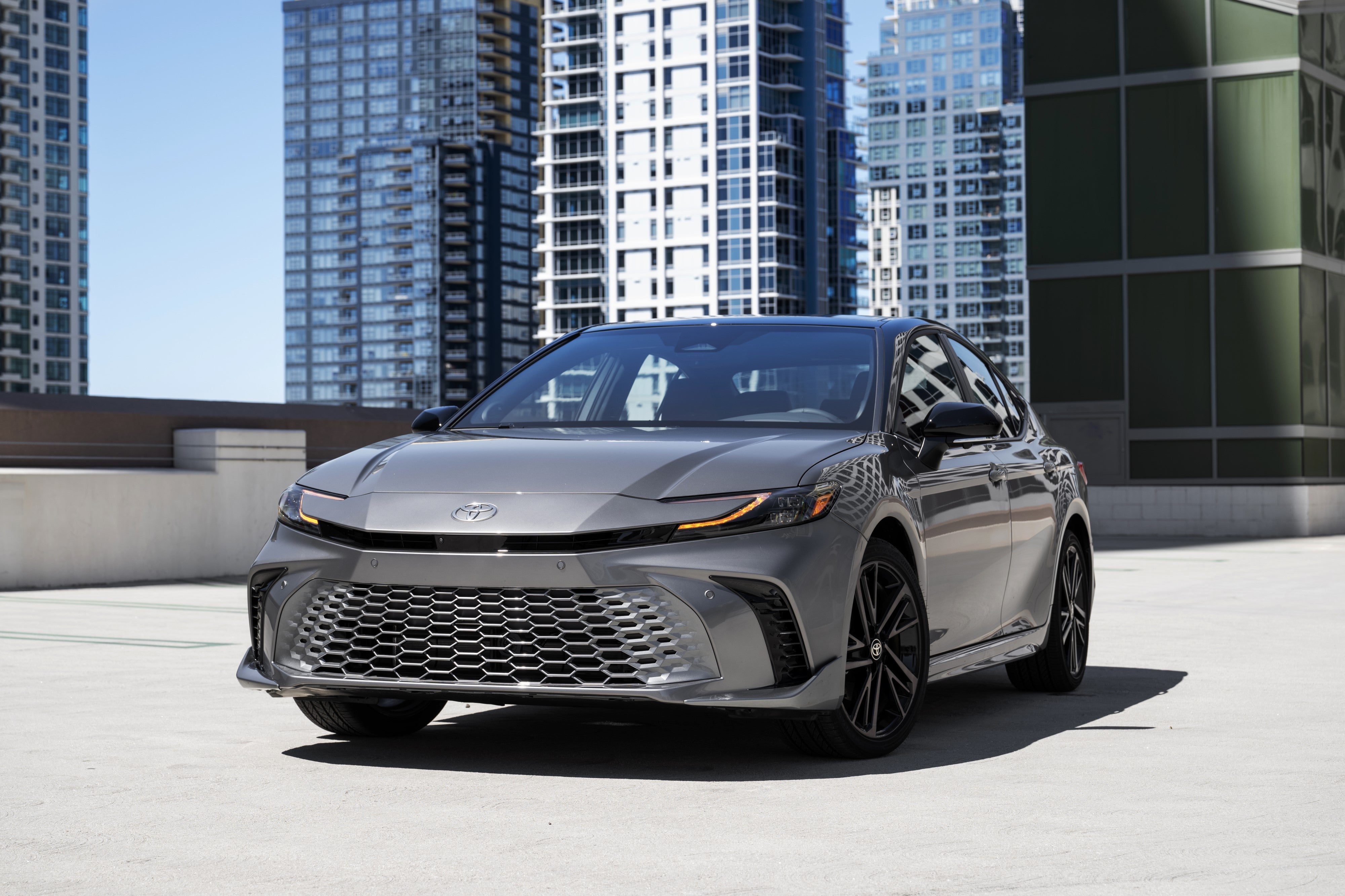
2027 Toyota Camry XSE AWD Heavy Metal Black

2027 Toyota Camry: What We Know So Far

Toyota announced the 2027 Toyota Camry on October 13, 2026, and shoppers across Katy and West Houston are already asking what it means for them. We want to give you a straight answer, separating what Toyota has confirmed from what remains open. If you'd rather look at vehicles while you read, you can browse our current Camry inventory. What Toyota Has Confirmed for 2027 Here’s what Toyota’s official announcement covers. Toyota has published the grade lineup and hybrid powertrain details, along with manufacturer-estimated fuel economy and pricing. The 2027 Camry starts at $29,700 for the LE, followed by the SE at $32,200, the Nightshade at $33,200, the XLE at $34,900, and the XSE at $36,100, with AWD adding $1,525 on any grade (prices exclude the $1,295 dealer processing and handling fee). Toyota expects the model to be at dealerships in fall 2026, but a specific on-sale date hasn’t been announced. Specifications and availability may change without notice, so please confirm details with Toyota or with our dealership before you decide. What Carries Over From the 2026 Camry Toyota describes the 2027 grades, features, and options as carryovers, confirming continuity. The 2027 Camry looks like the current car, with the same five grades, wheel designs, and colors we cover below. Toyota has not announced a redesign date or details of a next-generation Camry, and we won't guess at one. Hybrid-Only Powertrain and Everyday Driving in Katy Every 2027 Toyota Camry uses Toyota's fifth-generation Toyota Hybrid System (THS 5), with a 2.5-liter four-cylinder engine and an eCVT. Output is 225 net combined horsepower with FWD and 232 with AWD. The AWD system is Electronic On-Demand All-Wheel Drive, with an electric motor-generator on the rear axle. The suspension is MacPherson strut up front and multi-link in the rear, and the SE, Nightshade, and XSE get sport-tuned suspensions. For local driving, a hybrid sedan suits the stop-and-go stretches of I-10 and the Katy Freeway, errands around Katy, and runs out the Grand Parkway. It also suits the trips into Houston and the Energy Corridor commutes many of our neighbors make. A conventional hybrid like this one needs no plug-in charging, since the vehicle manages its own battery. Your fuel economy will still vary with grade, drivetrain, traffic, and driving style. AWD can add traction in suitable conditions, but a sedan stays a sedan, and AWD never makes driving through flooded roads safe. If you're weighing sedans from Toyota, our post on the 2026 Toyota Crown vs. Camry for Katy commuters is a useful Toyota-to-Toyota resource. The LE, SE, Nightshade, XLE and XSE Grades The 2027 Camry keeps five grades, and the differences go beyond styling. Wheels and touchscreens change as you move up, along with seating and mpg. The mpg figures below are manufacturer-estimated, listed as city/highway/combined. Grade Wheels Touchscreen and gauge cluster FWD mpg AWD mpg LE 16-inch alloy 8-inch / 7-inch 52/49/51 50/49/50 SE 18-inch black-finished alloy 8-inch / 7-inch 47/45/46 46/46/46 Nightshade 19-inch satin black-finished alloy 8-inch / 7-inch 47/45/46 46/46/46 XLE 18-inch two-tone machined and black-finished alloy 12.3-inch / 12.3-inch 47/45/46 46/46/46 XSE 19-inch black and smoke-gray-finished alloy 12.3-inch / 12.3-inch 47/45/46 43/43/43 A Multimedia Upgrade Package with the 12.3-inch touchscreen is listed for the SE and Nightshade. Those two grades are the ones to look at if you want the SE look with a larger screen. The XSE follows the same sport-tuned approach with its own wheels and trim. Sport styling and tuned suspension come with the same engine, though, so judge each grade on the features you'll actually use. Interior and Comfort by Grade The 2027 Toyota Camry interior also varies by grade: The LE has woven-fabric seating. The SE and Nightshade have SofTex-trimmed seats. The XLE has leather and Dinamica microfiber trim. The XSE has leather-trimmed seating. Heated front seats are standard on the XLE and XSE and available on select other grades. Ventilated front seats are available on the XLE and XSE. Wireless Apple CarPlay and Android Auto are standard, as are dual-zone automatic climate control with rear vents and Push Button Start. Standard Safety Features Toyota Safety Sense 3.0 is standard. It includes Pre-Collision System with Pedestrian Detection, Full-Speed Range Dynamic Radar Cruise Control, Lane Departure Alert with Steering Assist, Lane Tracing Assist, Road Sign Assist, Automatic High Beams, and Proactive Driving Assist. Blind Spot Monitor with Rear Cross-Traffic Alert and Safe Exit Alert are standard across grades. What’s Still Unknown Toyota has not announced an on-sale date for the 2027 Camry. The only timing it offers is a season: fall 2026, so the release date has no exact answer yet. We also can't say when any unit will reach Toyota of Katy, and we're making no claim about local arrival or allocation. Toyota has also not announced a redesign date, future trim revisions, or extra equipment beyond the published carryover. If a website tells you otherwise, ask where it got the information. We'd rather say "not announced" than fill the gap with a guess. What’s Changed for 2027: Pricing, Not Equipment Because the grades, features, and options all carry over, the main change for 2027 is pricing, which is slightly higher than the 2026 model. The color palette carries over too: Ocean Gem, Heavy Metal, Ice Cap, Wind Chill Pearl, Celestial Silver Metallic, Underground, Midnight Black Metallic, Supersonic Red, Reservoir Blue, and Dark Cosmos. Availability varies by grade. The Nightshade comes in Ice Cap, Supersonic Red, and Midnight Black Metallic. The XSE offers select colors with a Midnight Black Metallic roof. Which colors and grades actually reach our area are still open questions, and that's the part to confirm with us once vehicles are on the way. Should You Wait for the 2027 Camry or Explore the 2026 Model? There’s no universal right answer, because it depends on your timeline and what you need from the car. Since the 2027 grades, features, and options carry over, the two model years drive and feel the same. The practical differences are the model-year label, slightly higher 2027 pricing, and the timing of when you can get behind the wheel, which makes a 2026 Camry available today worth a close look. Who May Want to Wait Waiting makes sense if you specifically want the 2027 model year and your timeline is flexible. If your current vehicle is running fine, you can watch Toyota's rollout and compare configurations when they're available. Just remember that waiting only gets you a later outcome, and a better one isn't guaranteed. Who May Want to Buy Now Buying now fits if you need a vehicle soon or prefer the current model. It also fits if you have trade-in timing to consider or financing to sort out. A car you can see and drive today beats one defined only by a season. If that sounds like you, contact our team about availability. We can't promise notifications or preorders, and allocations are out of our hands too, but we can tell you what we know. Whichever way you lean, keep an eye on these: Arrival timing from Toyota Availability by grade and color Local availability at Toyota of Katy Explore the Current 2026 Camry at Toyota of Katy The 2026 Camry was also exclusively hybrid, with the same five grades. The Nightshade debuted for 2026, based on the SE. Our online Camry inventory displays 2026 listings, including LE, SE, XLE, and Nightshade examples. Availability changes, so check the live inventory for what's listed today. You can also start at our new Toyota Camry for sale in Katy, TX. Toyota of Katy sells new and used Toyota cars, trucks, and SUVs and offers financing, service, genuine parts, and collision repair in Katy, TX. We help shoppers compare trims, features, technology, and financing options. If a test drive is next, pay attention to ride comfort, rear-seat room, and how the controls feel. You can also start a finance application before you visit. Once you own a Toyota, our service department is here to help with maintenance. Visit us at 21555 Katy Freeway, Katy, TX 77450. Sales hours are 9:00 a.m. to 7:00 p.m. Monday through Saturday.

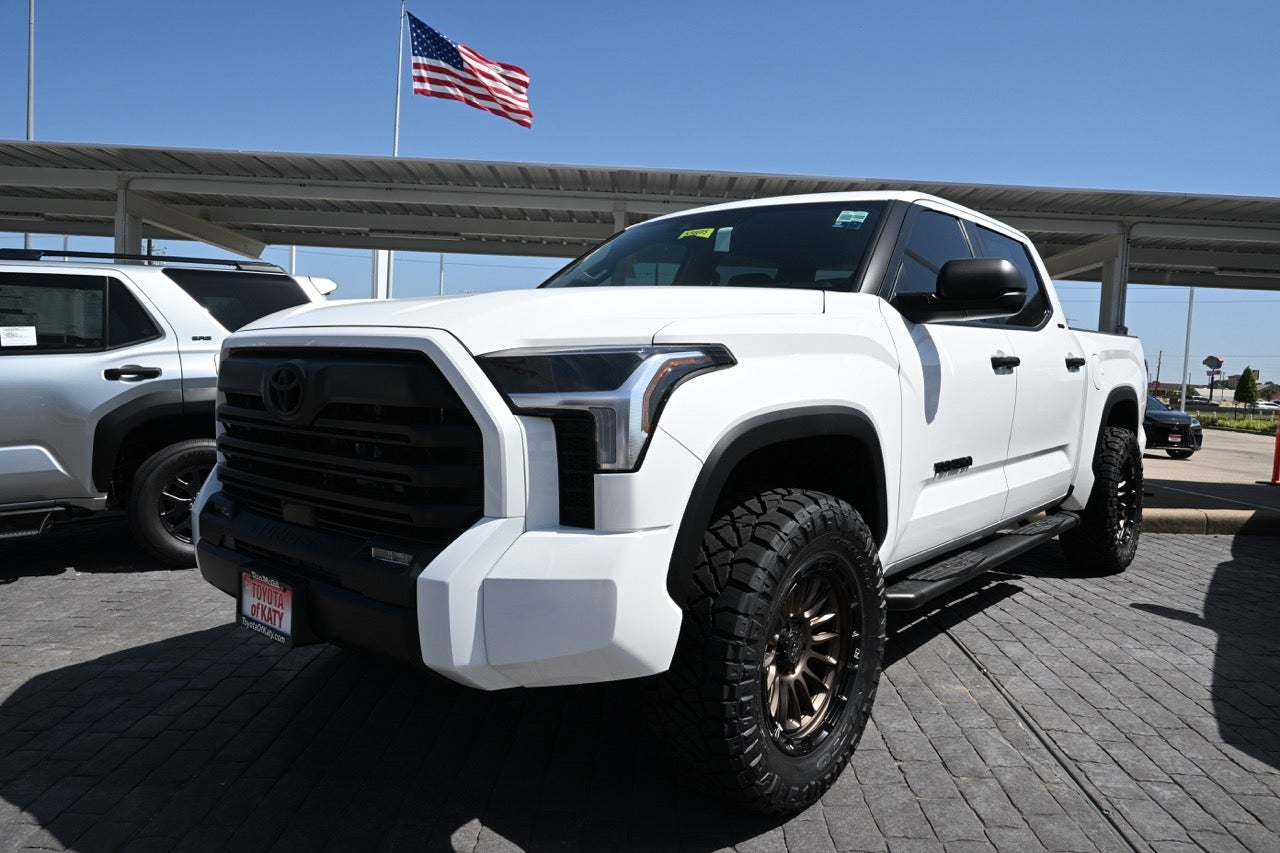
2026 White Toyota Tundra in Katy, TX

Best Toyota Tundra Years to Buy Used

Shoppers ask us which Tundra year is the safe bet, and the honest answer is a short list with conditions attached. Toyota of Katy is a Toyota dealership in Katy, TX, that sells new and used Toyota vehicles and offers financing and service. We've spent over 20 years helping drivers pick trucks. Below are the best years for used Toyota Tundras, in our view, along with our reasons. Best Used Toyota Tundra Years at a Glance Our recommended sweet spot is 2018 through 2021. Those trucks pair the standard Toyota Safety Sense-P suite with the proven V8 platform, and the 5.7L V8 was the only engine on 2020 and 2021 trucks. The Tundra also has a strong long-term track record: iSeeCars’ 2025 study found it has a 30% chance of reaching 250,000 miles, the highest of any light-duty pickup and 6.3 times the average vehicle. Treat any model-year list as a starting point, though, because service history and how the truck was used matter more than the year alone. Top Picks by Priority: Reliability, Value and Modern Features Consumer Reports rates 2011, 2016, and 2020 as more reliable than other vehicles from their model years, and it rates 2008 as about average. For modern features, 2018 is the year Toyota Safety Sense-P became standard on all trims. It adds forward-collision warning with automatic braking and pedestrian detection, lane-departure warning, and adaptive cruise control. Trucks from 2007 to 2017 cost less, but their cabins feel older, and they lack the standard driver-assist suite. For towing, the 2020 and 2021 trucks are our top used pick, with the 5.7L V8 and the Tow Package. Matching that to your needs looks like this: Towing: 2020–2021 with the 5.7L V8. Commuting: 2018–2021 for the standard safety suite. Budget: 2011 or 2016 for the Consumer Reports ratings, and 2007–2017 generally for lower cost. Modern tech: 2021 SR with a standard 7-inch touchscreen and Apple CarPlay and Android Auto, or a third-generation truck with larger screens. Model Years to Approach With Caution These years deserve a close inspection, and none should be written off automatically. For each of them, run the VIN to check for open recalls before you commit. The 2007 and 2008 trucks mark the start of the second generation. Consumer Reports rates 2008 as about average, so confirm repair history. Reports for 2012 are mixed, so judge each truck on its own records. Consumer Reports rates the 2022 Tundra much less reliable than other vehicles from its model year and lists 13 recalls for 2022–2023. Toyota Tundra Generations Compared There are three generations, and the second is the one most used shoppers should spend their time in. First Generation Tundra The first generation ran from 2000 to 2006. Consumer Reports describes the 2000 as comfortable and quiet, with a smooth powertrain and convincing towing and hauling. A crew cab and optional stability control arrived for 2004. These trucks are older now, so condition matters more than the badge. Second Generation Tundra The second generation runs from 2007 to 2021. Buyers could choose from three cab sizes and three bed lengths, and 4WD is part-time. The table below compares it with the redesigned third generation. Generation/Years Engine options Transmission Horsepower/Torque Max towing Second generation, 2007–2021 4.0L V6 (through 2014), 4.7L V8 (2007–2009), 4.6L V8 (2010–2019), 5.7L V8 Six-speed automatic (2020–2021) 5.7L: 381 hp, 401 lb.-ft. 4.6L: 310 hp, 327 lb.-ft. 10,200 lb. (2021, SAE J2807) Third generation, 2022 onward Twin-turbo i-FORCE V6, i-FORCE MAX hybrid 10-speed automatic V6: up to 389 hp, 479 lb.-ft. Hybrid: up to 437 hp, 583 lb.-ft. Up to 12,000 lb. Those towing figures are the maximums for each model year, and many configurations rate lower. Third Generation Tundra The third generation brought a boxed steel-ladder frame and an aluminum-reinforced composite bed designed to resist dents and rust. A multi-link coil-spring rear suspension replaced leaf springs. Toyota Safety Sense 2.5 and Blind Spot Monitor come standard, along with Rear Cross Traffic Alert, and a 14-inch touchscreen is available. Wireless Apple CarPlay and Android Auto, along with over-the-air updates, are included. If you would rather buy a new Toyota Tundra, this is the generation you would be shopping. Best Used Toyota Tundra Years to Buy If you want the best year for a used Toyota Tundra, start with the late second generation. We recommend 2018–2021 for most buyers, with 2020 and 2021 at the top. Second-Generation 5.7L V8 Years The 5.7L V8 makes 381 hp and 401 lb.-ft. with a six-speed automatic. For 2020, Toyota powered every Tundra with the 5.7L V8. We point to 2020–2021 because that pairing is well established. Later Second-Generation Years Consumer Reports rates the 2020 model year as more reliable than other model years. The 2021 includes Toyota Safety Sense-P on every grade, plus Blind Spot Monitor and Rear Cross Traffic Alert. Those two are available on SR5 and Limited and standard on Platinum and 1794 Edition. The SR has a 7-inch touchscreen with Apple CarPlay and Android Auto. The 2021 was assembled at Toyota's San Antonio plant. For towing, 2020 trucks reach up to 10,200 lb. on a 4x2 Double Cab, 10,100 lb. on a 4x2 CrewMax, 9,900 lb. on a 4x4 Double Cab, and 9,800 lb. on a 4x4 CrewMax. The Tow Package includes a receiver hitch, TOW/HAUL mode, and a trailer brake controller, plus supplemental coolers. If you want a Tundra with a certified history, explore our Toyota Certified Used Vehicles. Budget-Friendly Older Tundra Options Trucks from 2007 to 2017 cost less, and 2011 and 2016 carry the better Consumer Reports ratings. The tradeoff is an older-feeling cabin and no standard driver-assist suite. A documented, well-kept older truck beats a neglected one from a preferred year. If budget is the deciding factor, explore financing options to plan your purchase. For first-generation trucks, condition is the whole story. Used Tundra Years and Problems to Watch For Searches for Toyota Tundra problems by year often rely on complaint totals alone. We wouldn't. A truck's age, how many were sold, and how owners report issues all skew those numbers, so inspect the truck in front of you. Anyone asking about years to avoid should hear the same advice: check recalls by VIN, every time. For 2022–2023, the most important is an engine recall: certain non-hybrid trucks with the twin-turbo V6 may have machining debris left in the engine, which can cause knocking, rough running, or stalling, and Toyota replaces the engine assembly free of charge. The recall was later expanded to certain trucks built through April 2024. Other recalls include fuel tube chafing on certain 2022–2023 trucks, rear-axle flange nuts that may loosen on certain 2022 trucks, and rearview-image software and reverse-light moisture on certain 2022–2025 trucks. On any 2022–2024 Tundra, ask for proof that the engine recall work was completed. The 2018–2021 era has its own items. They include a headlight circuit recall for certain 2018–2021 trucks, a fuel pump recall for certain 2019–2020 trucks, and a turn-signal wiring recall for certain 2018–2020 trucks with LED headlights. Ask for proof the work was done. Choosing the Right Engine, Cab Style and Drivetrain Three trade-offs come up most often. V8 versus V6: The 5.7L V8 is our pick for regular towing and hauling. A third-generation twin-turbo V6 offers up to 389 hp and 479 lb.-ft. with a 10-speed automatic, so it suits shoppers who want newer technology. Double Cab versus CrewMax: The Double Cab offers a 6.5-ft. or 8.1-ft. bed and 34.7 in. of rear legroom in 2021. The CrewMax has a 5.5-ft. bed and 42.3 in. of rear legroom. If the truck is mostly for work, the Double Cab fits. Families will likely prefer the CrewMax. 4x2 versus 4x4: A 4x2 tows slightly more on paper in 2020. A 4x4 helps with traction on muddy ranch roads and boat ramps. Mileage is the other tradeoff. A high-mileage truck with full records usually beats a lower-mileage one with none. Service records and towing use matter more than the odometer alone. What Katy, TX Truck Shoppers Should Consider Shoppers in Katy and the Greater Houston area tend to ask the same practical questions. Match the truck to the job first, then compare years. Everyday Driving, Towing and Hauling in Texas Daily runs on I-10 and the Grand Parkway, or drives into the Energy Corridor, reward a truck with the standard safety suite and adaptive cruise control. That points to 2018 and newer. Weekend towing to a lake, a ranch, or a livestock show calls for a 5.7L V8 with the Tow Package. Always compare the truck's actual ratings with those for your loaded trailer. Heat, Humidity and Gulf Coast Wear Checks Run the A/C throughout every test drive, at idle and at speed. Toyota's 2021 High Solar Energy-Absorbing glass filters solar heat and UV that could damage cabin materials, a useful feature if you park outside. On any truck, look under the truck at the hitch and frame for signs of hard towing. How to Inspect a Used Toyota Tundra Before Buying Start with paperwork, then move to the truck. Ask about towing history, and request maintenance records and vehicle history. Run a VIN recall check. Then check these items: Look under the truck at the hitch and frame for signs of hard towing. Check the tow hitch and wiring condition. Look at brake and suspension wear. Drive at highway speed and listen for sounds that change with road speed. Run the A/C the whole drive. On 2022 and newer trucks, check how the transmission behaves in traffic. Our service center can help you plan a pre-purchase look. You can reach it at 832-772-1700, Monday through Friday, 7 AM to 6 PM, and Saturday, 7 AM to 5 PM. Frequently Asked Questions What is the most reliable Toyota Tundra year? No single year fits every buyer. Consumer Reports rates the 2011, 2016, and 2020 models as more reliable than other vehicles from those model years. For modern safety gear, we suggest 2018–2021. Maintenance and prior use still matter most. Is a high-mileage Tundra worth buying? Often yes, when records back it up. RepairPal rates the Tundra 3.5 out of 5.0 for reliability, with an average annual repair cost of $606 and major repairs that occur less often than average for full-size trucks. Service records and towing use still matter more than the odometer alone, so inspect the hitch and frame, check the brakes and suspension, and run the VIN for recalls before you decide. Which used Tundra is best for towing? Start with a 2020 or 2021 with the 5.7L V8 and the Tow Package. The 2021 model-year maximum is 10,200 lb. under SAE J2807, and actual figures depend on equipment. Third-generation trucks go up to 12,000 lb., though that is the top figure for the model year and many configurations rate lower. Final Verdict: Browse Used Toyota Tundra at Toyota of Katy Our shortlist is simple. Target 2018–2021 for the best mix of safety equipment and a proven V8, with 2020 and 2021 first for towing. Consider 2011 or 2016 if you want a lower cost of entry. Inspect 2007–2008, 2012, and 2022–2023 closely (on early third-generation V6 trucks, confirm the engine recall work was completed), and run the VIN for open recalls on all of them. Tundra reliability comes down to the year, the individual truck, and the condition of the one you're looking at; its records will tell you most of what you need to know. Ready to compare in person? Browse our used Toyota Tundra trucks in Katy, then contact us or call sales at 844-809-1063, Monday through Saturday, 9 AM to 7 PM. We are proud to be the number 1 volume certified Toyota dealer and a Toyota President's Award winner, and we are glad to help you find the right truck.

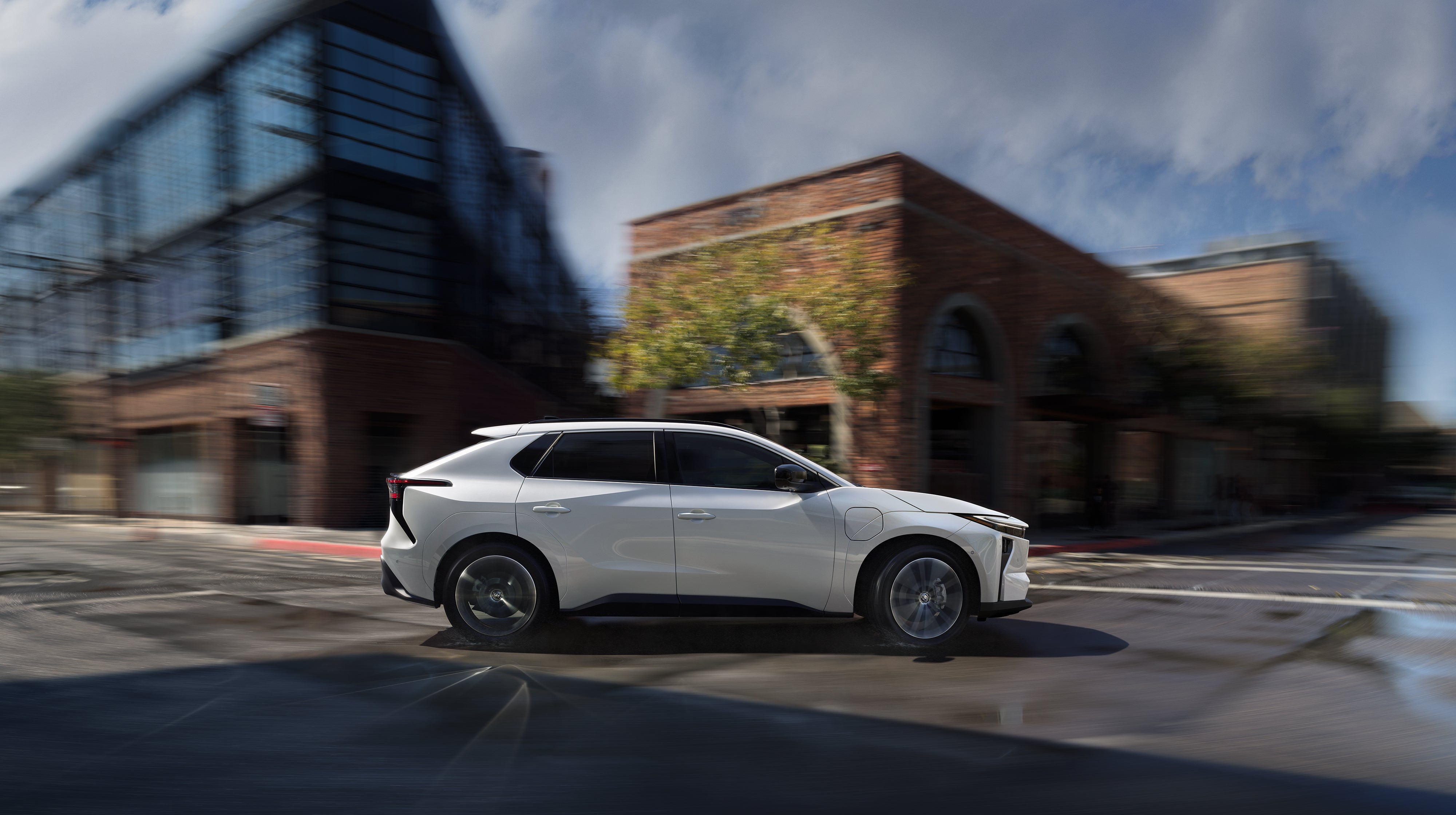
Toyota 2027 bZ Limited

Toyota bZ XLE vs. Limited: What's the Difference?

If you're shopping for an all-electric SUV in Katy, TX, the Toyota bZ is worth a closer look. With modern styling, a spacious interior, responsive electric performance, and advanced technology, this all-electric Toyota SUV offers a practical way to make the switch from gasoline to electric driving. But which trim is right for you? The Toyota bZ XLE vs. Limited comparison comes down to price, comfort, exterior styling, driver-assistance technology, and the features you want in your next SUV. Both trims offer all-electric driving and useful everyday amenities, while the Limited adds several premium upgrades. At Toyota of Katy, we're helping local drivers understand what separates these two bZ trims so they can make a more informed decision. Toyota bZ XLE vs. Limited: Key Differences at a Glance The following comparison covers the 2026 Toyota bZ lineup. Features, pricing, and availability can vary by model year and configuration. Feature Toyota bZ XLE Toyota bZ Limited Position in lineup Entry trim Premium trim Drivetrain FWD, FWD Plus, or AWD, depending on configuration FWD or AWD Wheels 18-inch alloy wheels with covers 20-inch alloy wheels Front seats Heated, fabric/SofTex-trimmed Heated and ventilated, SofTex-trimmed Driver's seat 8-way power adjustment 8-way power adjustment with lumbar support Front passenger seat 6-way adjustment 8-way power adjustment Infotainment 14-inch touchscreen 14-inch touchscreen Driver-assistance technology Toyota Safety Sense 3.0 and standard safety features Additional advanced driving and parking assistance features Premium audio Standard six-speaker system Optional nine-speaker JBL Premium Audio Panoramic glass roof Available Standard The biggest distinction is that the XLE delivers a well-equipped electric SUV with a strong set of standard features, while the Limited focuses on enhanced comfort, upgraded styling, and additional driver-assistance technology. 1. Price and Overall Value For many shoppers, the first question is whether the Toyota bZ Limited's extra features justify its higher price. For the 2026 model year, Toyota lists the following starting MSRPs: Toyota bZ XLE: $34,900 Toyota bZ Limited: $43,300 That represents an $8,400 difference in base MSRP before applicable taxes, fees, incentives, and dealer-installed options. Actual vehicle prices can vary based on drivetrain, configuration, and available inventory. The XLE makes a compelling case for drivers who want an electric SUV without paying for every available luxury upgrade. Its standard equipment includes a large touchscreen, heated front seats, a heated steering wheel, wireless smartphone connectivity, and a power liftgate. The Limited is aimed at shoppers who want more premium amenities in their daily driving experience. Its upgraded seating, larger wheels, and additional convenience technology may make the higher price worthwhile if those features are important to you. When comparing your options at Toyota of Katy, consider the complete vehicle price and equipment of the specific model you're interested in rather than relying on trim-level starting prices alone. 2. Electric Range, Performance, and Drivetrain Both the Toyota bZ XLE and Limited use an all-electric powertrain, so neither requires gasoline for everyday driving. However, the range and performance you get depend on the trim's drivetrain and battery configuration. Toyota bZ XLE The XLE offers front-wheel-drive and all-wheel-drive configurations, including an XLE FWD Plus model with an extended advertised driving range. This variety gives shoppers flexibility when balancing range, traction, and budget. Toyota bZ Limited The Limited is available with front-wheel drive or all-wheel drive, combining electric performance with premium amenities. All-wheel-drive models use two electric motors, while front-wheel-drive models use a single electric motor. The 2026 Toyota bZ offers up to 314 miles of manufacturer-estimated driving range on a full charge for the XLE FWD Plus. The XLE AWD has an EPA-estimated range rating of 288 miles, while Toyota lists an estimated 299 miles for the Limited in its trim overview. All-wheel-drive models feature up to 338 combined system net horsepower. Front-wheel-drive models produce up to 221 horsepower. For Katy drivers commuting along I-10, traveling around the Houston area, or planning weekend trips, the right choice depends on your typical mileage, charging routine, and preference for front-wheel or all-wheel drive. Remember that real-world driving range varies with speed, weather, climate-control use, terrain, and driving habits. 3. Interior Comfort and Seating Interior comfort is one of the clearest differences between the XLE and Limited. The Toyota bZ XLE includes fabric and SofTex-trimmed seating, heated front seats, and an eight-way power-adjustable driver's seat. These features make it a practical option for drivers who want everyday comfort without moving into a premium trim. The Toyota bZ Limited upgrades the cabin with fully SofTex-trimmed seats, heated and ventilated front seats, and an eight-way power-adjustable front passenger seat. The driver's seat also adds lumbar support. Ventilated front seats can be especially appealing during hot Texas summers, when keeping the cabin comfortable is a priority. Both trims offer a spacious cabin with 42.1 inches of front legroom and 35.3 inches of rear legroom. The bZ also offers 27.7 cubic feet of cargo space behind the rear seats, providing room for groceries, luggage, and everyday essentials. Which trim is better for comfort? The XLE covers the essentials, but the Limited is the stronger choice if you want more seating adjustments and front-seat ventilation. 4. Exterior Styling and Wheel Design Although the two trims share the Toyota bZ's distinctive electric-SUV design, their exterior details help set them apart. XLE: Practical, Modern Styling The XLE comes with 18-inch black-and-silver multi-spoke alloy wheels with covers, LED lighting, and the bZ's sleek exterior design. Its appearance suits drivers who prefer a clean, contemporary look. Limited: A More Premium Appearance The Limited upgrades to 20-inch black multi-spoke alloy wheels and multi-LED headlights. These details give the SUV a more upscale look without changing its core electric-SUV character. The Limited also includes a panoramic fixed-glass moonroof with a power sunshade, which is available as an option on the XLE. If exterior appearance and a panoramic roof are high on your wish list, the Limited offers a more complete package. If you'd rather prioritize value, the XLE still provides modern styling and distinctive design. 5. Technology and Infotainment You don't have to choose the Limited to get a modern technology experience. Both trims come with a 14-inch Toyota Audio Multimedia touchscreen, wireless Apple CarPlay and Android Auto compatibility, and dual wireless smartphone chargers. The XLE also includes six speakers, four USB-C charging ports, and customizable ambient lighting. These features help keep the cabin connected and convenient for everyday commutes. The Limited builds on that foundation with additional premium and driver-assistance options. Available nine-speaker JBL Premium Audio, including a subwoofer and amplifier, is a notable upgrade for drivers who enjoy a richer sound system. The key takeaway is that both trims provide a large central display and essential smartphone connectivity. The Limited is worth considering if you want to take the in-cabin experience to the next level. 6. Safety and Driver-Assistance Features Safety technology is important whether you're navigating busy Katy intersections, merging onto the freeway, or parking in a crowded shopping center. Both the XLE and Limited include Toyota Safety Sense 3.0 and a range of standard safety and driver-assistance features. Depending on the system, these technologies can help with collision avoidance, lane awareness, and adaptive cruise control. The Limited adds several convenience-focused technologies that go beyond the XLE's standard equipment, including: Lane Change Assist: Helps support lane changes when the system's operating conditions are met. Traffic Jam Assist: Provides driving assistance in certain traffic conditions when eligibility requirements are satisfied. Front Cross-Traffic Alert: Helps detect approaching vehicles from the sides at certain intersections or when pulling forward from a parking space. Advanced Park: Helps the driver maneuver into and out of selected parking spaces. Some features require an active Remote Connect subscription and have additional operating requirements. Driver-assistance systems do not replace attentive driving. For drivers who frequently encounter heavy traffic or tight parking spaces, these additional technologies may be an important reason to consider the Limited. 7. Charging the Toyota bZ at Home and on the Road Charging convenience is another consideration when deciding between the Toyota bZ XLE and Limited. Both trims support Level 1 and Level 2 home charging and compatible DC fast charging. The 2026 bZ also features a North American Charging System (NACS) charging port, providing access to compatible charging stations across the country. Level 1 charging: Uses a standard household outlet and can work for drivers with relatively low daily mileage who have plenty of time to charge. Level 2 charging: Uses a 240-volt power source and is generally better suited for overnight home charging. DC fast charging: Can replenish the battery much more quickly at compatible public charging stations. Toyota estimates that charging from 10% to 80% takes approximately 30 minutes under ideal conditions. Charging times vary based on battery temperature, charger output, battery state of charge, and other factors. Neither trim automatically makes more sense for charging simply because of its equipment level. Your daily mileage, home charging setup, and access to public chargers should guide your decision. Which Toyota bZ Trim Is Right for You? The best choice depends on which features matter most to you and how much you're willing to spend. Choose the Toyota bZ XLE If... You want a lower starting price. Heated front seats and a heated steering wheel meet your comfort needs. You want a large touchscreen and wireless smartphone connectivity. You prefer to prioritize electric range and value, including the XLE FWD Plus configuration. Choose the Toyota bZ Limited If... You want heated and ventilated front seats. You prefer larger 20-inch wheels and upgraded headlights. A panoramic glass roof is on your must-have list. You value additional driver-assistance features and premium audio options. Explore the Toyota bZ at Toyota of Katy Comparing the Toyota bZ XLE vs. Limited is a great starting point for finding an electric SUV that fits your daily routine. The XLE offers a strong combination of technology, comfort, and electric capability, while the Limited adds premium seating, distinctive exterior details, and additional convenience features. The next step is to compare the available configurations and determine which one best fits your driving habits, charging needs, and budget. At Toyota of Katy, located on Katy Freeway in Katy, TX, you can explore available Toyota bZ models and get help comparing trims, features, and pricing. Ready to explore electric driving? Browse the Toyota bZ inventory at Toyota of Katy or contact our team to learn more about available models and schedule a test drive. Specifications and pricing are based on published information for the 2026 Toyota bZ and may differ for 2027 models. Confirm the equipment, pricing, and availability of the specific vehicle before purchasing.