Blog

Discover the All-New 2025 Toyota Tundra Specs and Features

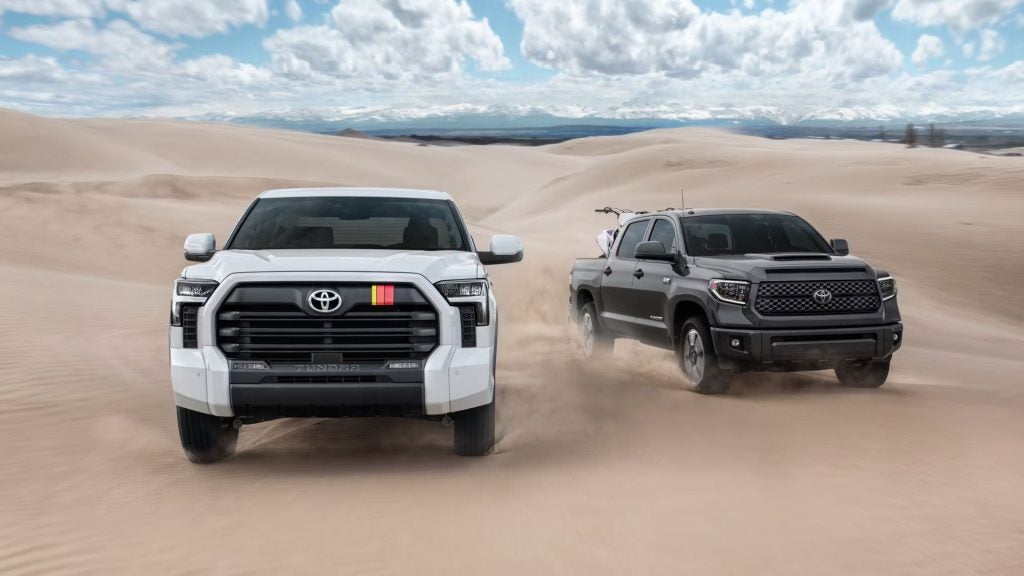
A white Toyota Tundra and a gray older model Tundra drive through desert dunes.

Unveiling a new era of power, technology, and off-road prowess, the 2025 Toyota Tundra redefines what it means to be a capable pickup. Built with adventure in mind, the Tundra is engineered to take on everything from tough jobs to off-the-grid weekend excursions. Explore the highlights of the 2025 Tundra, including its impressive powertrains, advanced tech, and rugged design features that make it an ideal truck for work, play, and everything in between.

Power and Performance: i-FORCE and i-FORCE MAX Engines

2025 Toyota Tundra Specs And Features

Unmatched Strength Under the Hood

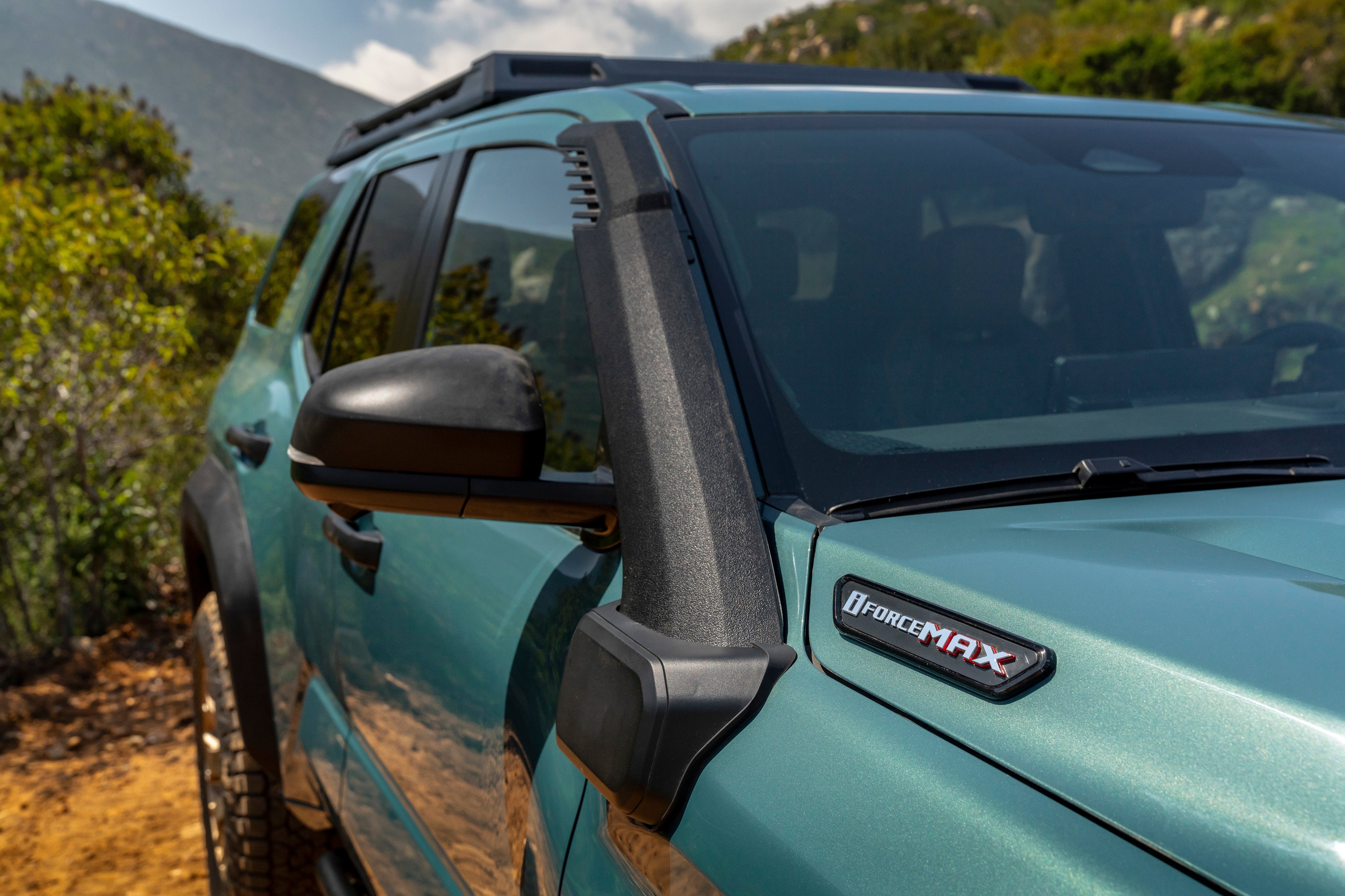
The 2025 Toyota Tundra offers two powerful engine options that cater to those who need serious muscle. The i-FORCE and i-FORCE MAX powertrains give drivers the capability to tow, haul, and accelerate with ease. Here's a closer look at the engine options available:

EngineHorsepowerTorque
i-FORCE V6389 HP479 lb.-ft.
i-FORCE MAX437 HP583 lb.-ft.

For those who want maximum towing and acceleration, the i-FORCE MAX is a standout choice. Both engines provide plenty of strength, making the Tundra a versatile choice for hauling, off-roading, and everyday driving.

Exceptional Towing and Payload Capabilities

2025 Toyota Tundra Specs And Features

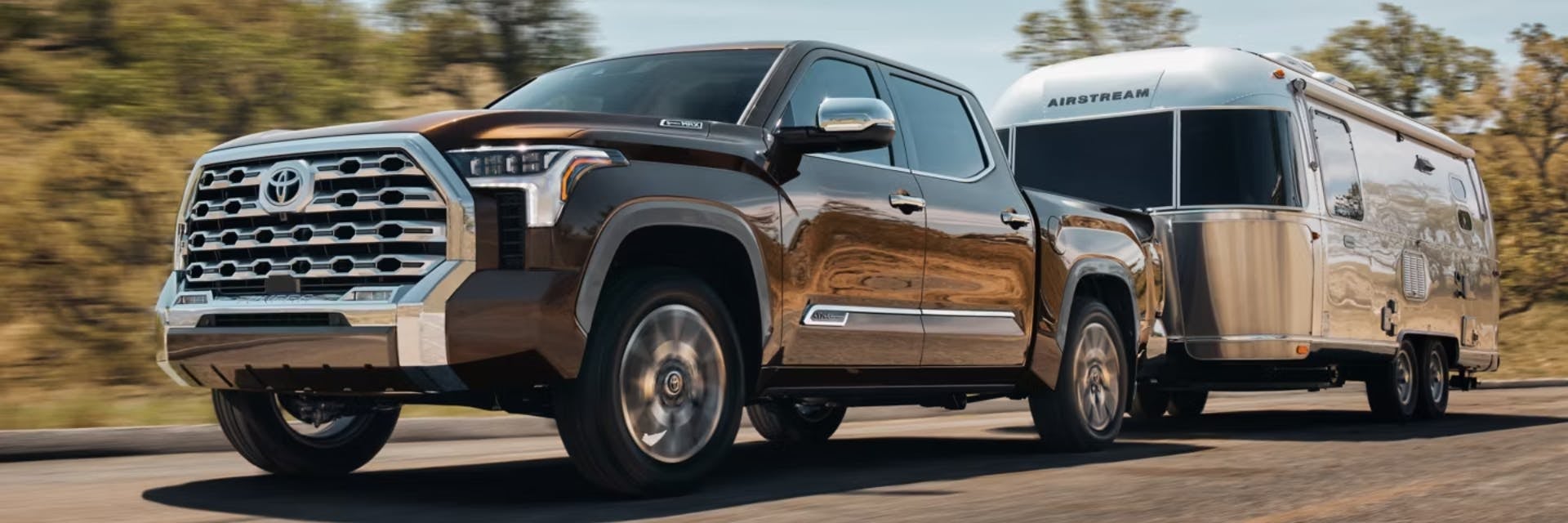
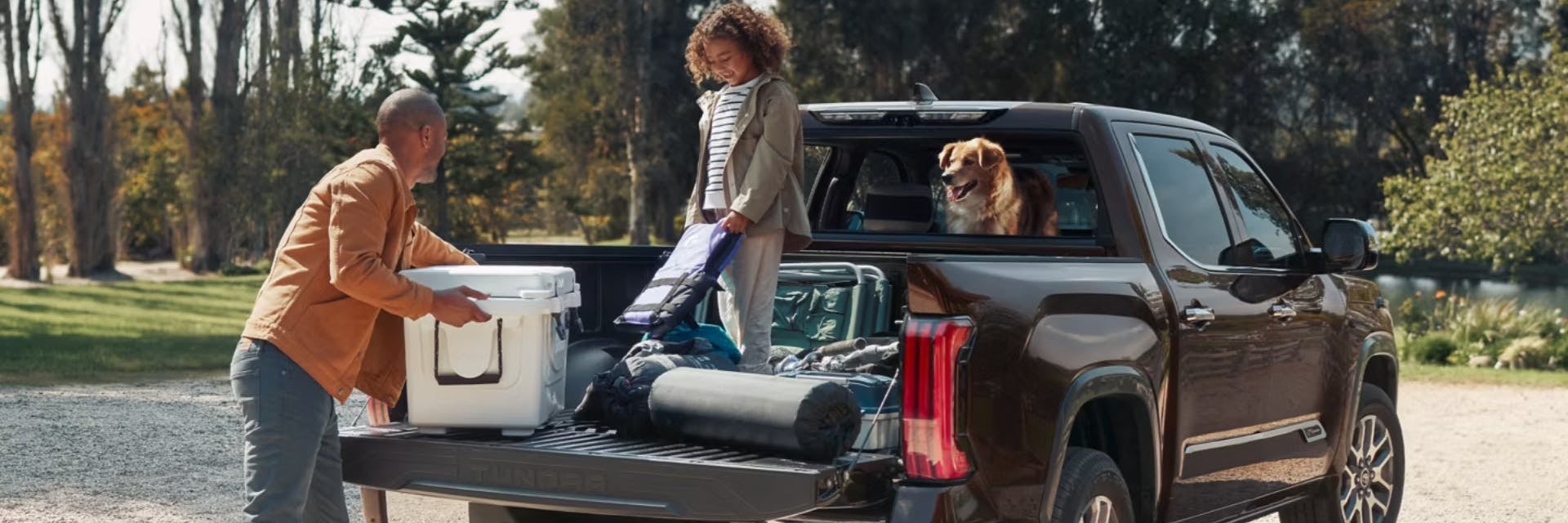
When it comes to towing and payload, the 2025 Toyota Tundra does not disappoint. Designed to handle heavy-duty tasks, it offers best-in-class capacities to meet the demands of any job or adventure.

CapabilityCapacity
Max Towing12,000 lbs.
Max Payload1,940 lbs.

Whether you're towing a trailer or hauling heavy materials, the Tundra's towing and payload capacities ensure it's up for any task. With available trailer assist features, towing becomes simpler and safer, making it a top choice for work and recreation alike.

Advanced Technology and Interior Comfort

2025 Toyota Tundra Specs And Features

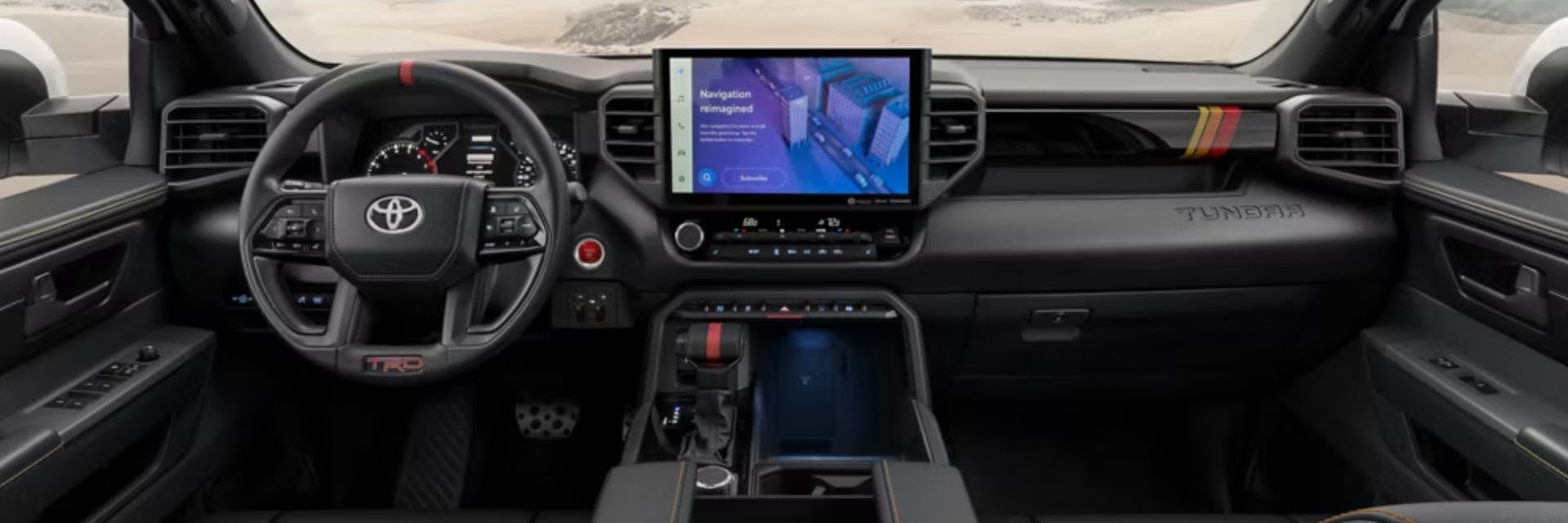
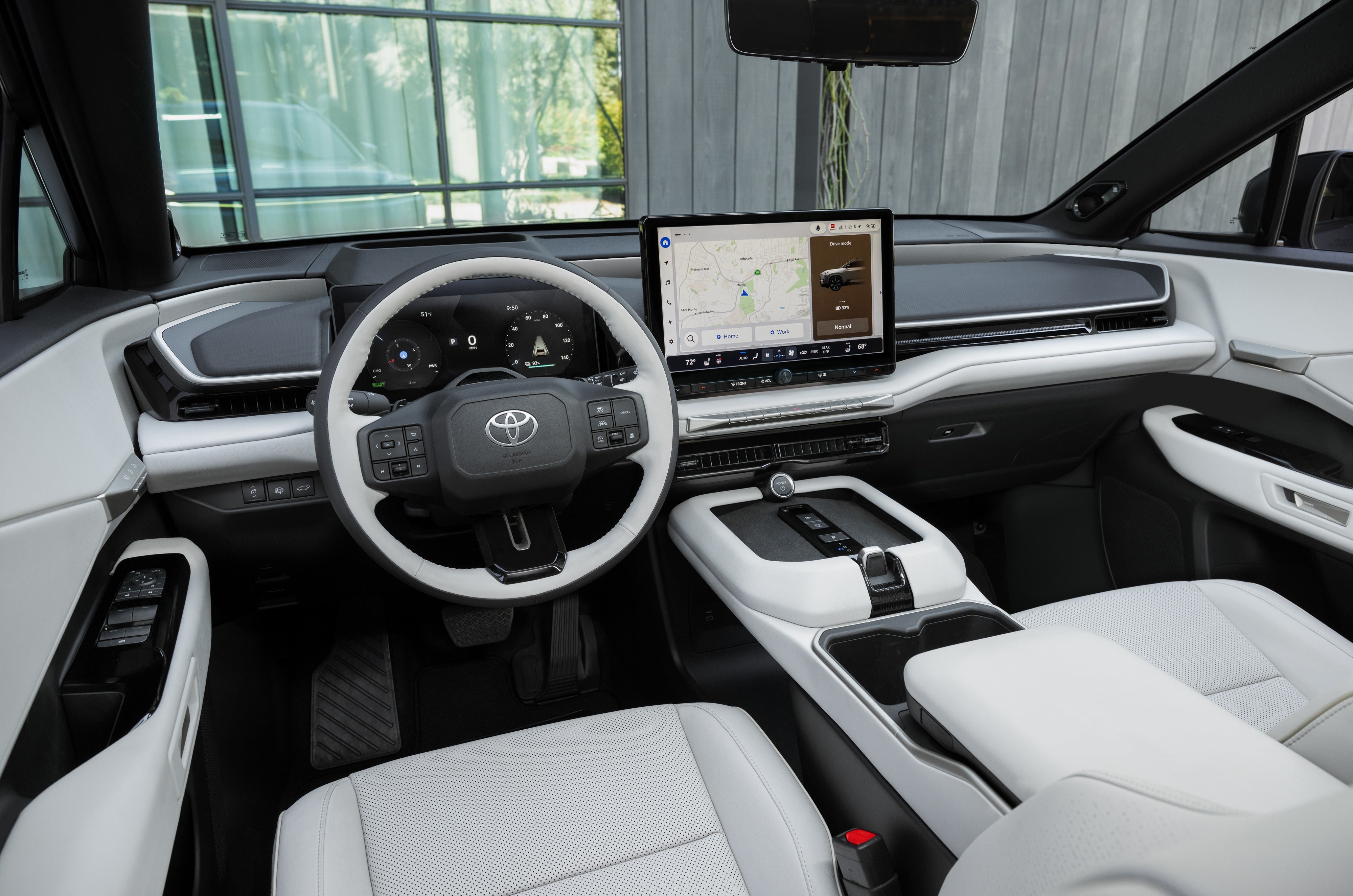
The Tundra's cabin is equipped with cutting-edge technology that enhances convenience, connectivity, and driver awareness. From a massive touchscreen display to driver-assist features that make towing easier, the 2025 Tundra is ready for the modern driver.

FeatureDescription
Multimedia TouchscreenAvailable 14-inch display with Toyota Audio Multimedia
Digital Gauge Cluster12.3-inch digital gauge cluster for enhanced information access
Panoramic View Monitor360-degree view with cameras positioned around the truck
Blind Spot MonitorAvailable with Trailer Assist for safer towing

With its available 14-inch multimedia touchscreen and 12.3-inch digital gauge cluster, the Tundra keeps drivers connected and informed. These tech features are perfect for off-road excursions, urban commuting, or long hauls.

Rugged Design and Off-Road Options

2025 Toyota Tundra Specs And Features

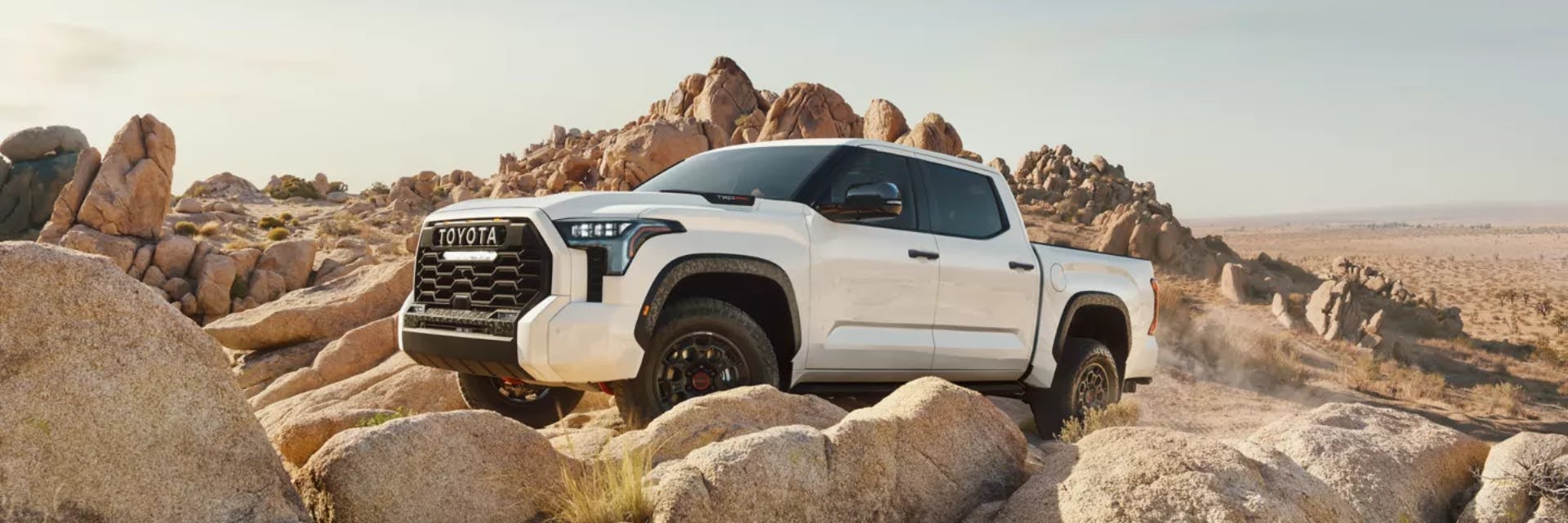
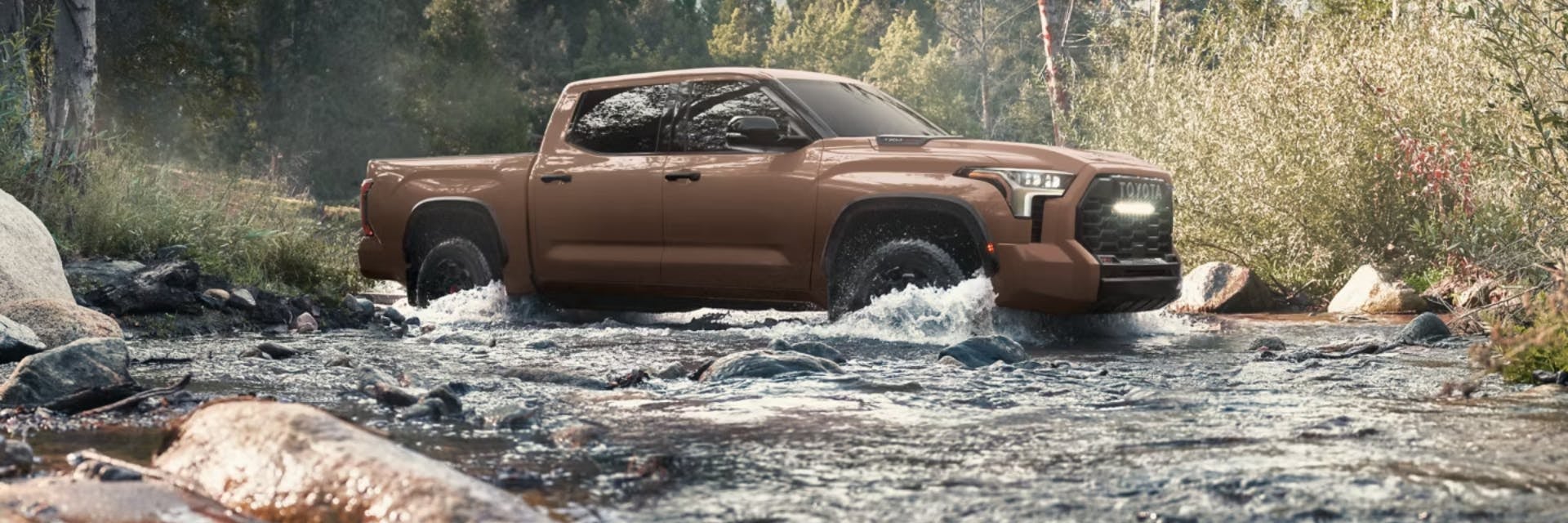
The 2025 Tundra combines a bold exterior with practical off-road options to ensure you can handle rugged terrains with ease. The Tundra TRD lineup-featuring the TRD Off-Road Package and TRD Pro-offers advanced off-road capabilities, including enhanced wheels, suspension, and off-road tech.

FeatureDetails
TRD Off-Road PackageEquipped with off-road suspension and TRD-specific enhancements
TRD ProTop-level off-road trim with all-terrain tires and advanced shock absorbers
Exterior StylingTri-color grille, rugged wheels, and aggressive styling

The Tundra's TRD models bring added ruggedness, ensuring it's ready for outdoor adventures. Whether you're navigating rocky trails or desert dunes, the Tundra's off-road packages provide optimal control and traction.

Fuel Economy and Practical Specs

2025 Toyota Tundra Specs And Features

The 2025 Tundra balances its power with practical fuel efficiency, making it a viable choice for long trips and daily driving. Here's a look at some essential specs:

SpecificationDetails
MPG (City/Highway/Combined)18 / 20 / 19
Fuel Tank Capacity32.2 gallons
Seating Capacity5
Max Payload1,940 lbs.

The Tundra's fuel efficiency and seating capacity make it ideal for extended road trips, family travel, or heavy-duty work, maintaining Toyota's focus on reliability and functionality.

Experience the 2025 Toyota Tundra at Toyota of Katy

Ready to take the 2025 Toyota Tundra for a spin? Visit Toyota of Katy to explore all that this powerful truck has to offer. Whether you're drawn to its incredible towing capacity, off-road prowess, or cutting-edge technology, the Tundra has something for everyone. Contact us today to schedule a test drive and experience the new Tundra firsthand!

New Toyota Vehicles | New Toyota Sedans | New Toyota Trucks | New Toyota Specials | Toyota Tundra Research | Service Center | Finance Center

Toyota Tundra Dealer Serving:

Bridgeland | Brookshire | Rosenberg | Houston | Cypress | Sugar Land | Richmond | Hockley | Stafford | Waller | Bridgeland

Recommended Posts

2028 Toyota Highlander Limited Misty Gray

2028 Toyota Highlander XLE vs. Limited: Key Differences in Range, Features & Performance

The next Highlander is a three-row, all-electric SUV, and the 2028 Toyota Highlander XLE vs. Limited question is already coming up with Katy shoppers. This is a preview. Toyota has announced the model, but it isn't on sale yet, and the company expects sales to begin in 2027. If you're researching new vehicles for your family, this guide shows where the two trims differ so you can plan ahead. 2028 Toyota Highlander XLE vs Limited: A Preview at a Glance Both trims share a 14-inch touchscreen, a 12.3-inch digital driver's display, Toyota Safety Sense 4.0, and a NACS charging port. The differences come down to drivetrain choice and battery size, plus a set of comfort and driver-assistance features the Limited adds. Toyota is still finalizing details, so use this as a planning aid and not a final spec sheet. Quick Take: Who Each Trim Is Likely to Suit The XLE fits buyers who want a well-equipped three-row EV with a choice of FWD or AWD. It comes with heated front seats and a heated steering wheel, and the second-row bench is available on the XLE AWD. Buyers who want AWD with the larger battery will find more in the Limited, which layers on extra comfort and driver-assistance features. These include ventilated front seats, heated second-row seats, a head-up display, Advanced Park, Panoramic View Monitor, Lane Change Assist, and Front Cross Traffic Alert. The table below compares the four announced configurations. Spec XLE FWD (77.0-kWh) XLE AWD (77.0-kWh) XLE AWD (95.8-kWh) Limited AWD (95.8-kWh) Battery 77.0-kWh 77.0-kWh 95.8-kWh 95.8-kWh Drivetrain FWD AWD AWD AWD Horsepower and torque 221 hp, 198 lb.-ft. 338 hp, 198/125 lb.-ft. front/rear 338 hp, 198/125 lb.-ft. front/rear 338 hp, 198/125 lb.-ft. front/rear Estimated range 287 miles 270 miles 315 miles 315 miles Key safety features Toyota Safety Sense 4.0 Toyota Safety Sense 4.0 Toyota Safety Sense 4.0 Toyota Safety Sense 4.0, plus head-up display, Advanced Park, Panoramic View Monitor, Lane Change Assist, Front Cross Traffic Alert Cargo volume 15.9 cu. ft. behind third row, 45.6 cu. ft. with third row folded, up to 80 cu. ft. with both rows folded Same as XLE FWD Same as XLE FWD Same as XLE FWD Range is a manufacturer estimate and varies with weather and driving style. Pricing is to be announced. Where the XLE and Limited Fit in the All-Electric Highlander Lineup Toyota has announced the all-electric Highlander in two grades, XLE and Limited, with the Limited at the top. Think of the XLE as a well-equipped everyday three-row SUV and the Limited as a more premium ownership experience. The XLE is far from sparse. Trim level and drivetrain are separate choices. An XLE can be FWD or AWD, and it can have either battery. Toyota expects sales of the 95.8-kWh XLE AWD and Limited AWD in early 2027, and the XLE FWD 77.0-kWh in mid-2027. That's Toyota's expectation only, so we can't confirm arrival or availability at our dealership. Drivetrain and Battery: FWD or AWD on the XLE, AWD-Only Limited The XLE FWD makes 221 hp and 198 lb.-ft. of torque. Every AWD model, including the Limited, makes 338 hp, with 198 lb.-ft. from the front motor and 125 lb.-ft. from the rear. AWD models also include Multi-Terrain Select and Crawl Control. AWD adds traction in suitable conditions, yet good tires and careful driving still matter on wet Katy roads. Battery size drives range. Toyota estimates 315 miles for both the XLE AWD and Limited AWD with the 95.8-kWh battery. The XLE AWD with the 77.0-kWh battery is estimated at 270 miles, and the XLE FWD at 287 miles. A 95.8-kWh XLE AWD goes just as far as the Limited, because the extra range comes from the battery. Every grade has a NACS port for DC fast charging. Under ideal conditions, charging from 10% to 80% takes around 30 minutes. Level 1 and Level 2 AC charging are supported, and Toyota includes a dual-voltage 120V/240V charging cable. Standard battery preconditioning helps prepare the battery for fast charging. You can turn it on manually in the system settings, or it can activate automatically when you navigate to a fast-charging station with an active Drive Connect trial or subscription. Charge Assist and ECO Charge can schedule charging at lower-rate times or when renewable energy may be available. If you own a home in Katy, think about where you park and how you would charge overnight. Vehicle-to-load can power external devices, but only with bi-directional accessories. Technology and Infotainment: Screens, Audio, and Connectivity The XLE already has a strong tech baseline, so you don't need the Limited for modern connectivity. Both trims include the 14-inch touchscreen with Toyota Audio Multimedia, wireless Apple CarPlay and Android Auto compatibility, and dual Bluetooth phone connectivity. Other shared features include AT&T 5G connectivity, a "Hey Toyota" Voice Assistant, SiriusXM with 360L, and integrated Spotify, with separate subscriptions required for SiriusXM and Spotify. Native turn-by-turn navigation can show full-screen on the digital gauge cluster, which is handy on a busy Katy Freeway merge. A dual Qi wireless charging tray is standard, and USB-C ports serve all three rows. Digital Key can be shared with up to five additional drivers, but it requires an active Remote Connect trial or subscription. A built-in Drive Recorder captures 20-second clips from exterior cameras. Audio differs noticeably. The XLE has a 6-speaker system. JBL Premium Audio, with 11 speakers, a subwoofer, and an amplifier, is available on the XLE AWD and the Limited. The Limited's added head-up display, Advanced Park, and Panoramic View Monitor help with driving information and tight parking spots. The driver still has to stay attentive, since these features only assist. Interior Comfort and Convenience: Seats, Materials, and Cabin Space Interior quality is a shared strength. Both trims offer SofTex-trimmed seating, soft-touch dash and door materials, and customizable ambient lighting with 64 colors. Interior colors are Black and Portobello, with Misty Gray as a further option. The cabin itself stays the same in the Limited, which just adds comfort on top of that. Seating Comfort and Materials The XLE comes with heated front seats and a heated steering wheel. The Limited adds unique seat patterns, ventilated front seats, and heated second-row seats. Ventilated seats can be important in a Katy summer, though you should confirm the final equipment with us. Picture an Energy Corridor commuter who wants a quiet, comfortable cabin for a long drive home. Ventilated front seats and the JBL Premium Audio system would likely appeal. Still, heated seats and the shared soft-touch materials already make the XLE comfortable. Second-Row and Third-Row Practicality for Katy Families Seating layout matters more than trim. Second-row captain's chairs are standard, and the available second-row bench, offered on the XLE AWD, brings seating up to seven. The third row has space for two adults, and a one-touch electronically assisted button folds the second row. Cargo space is the same across the lineup: 15.9 cu. ft. behind the third row, 45.6 cu. ft. with it folded, and up to 80 cu. ft. with both rear rows folded. Rear HVAC controls, 18 cupholder locations, a hands-free power liftgate, and available rear window shades help on school runs. Try third-row access and your child seats in person. Exterior Design Differences: Wheels, Lighting, and Styling Both trims share the same design identity, with full-width LED daytime running lights and semi-flush electronic door handles set against broad fenders. The XLE rides on 19-inch wheels with full aero caps, while the Limited steps up to 22-inch wheels, with two-tone paint available. Larger wheels add visual presence, but they can also affect ride comfort and efficiency, so bigger isn't automatically better. A fixed glass panoramic roof, the largest in Toyota's lineup, is available across all grades. Which Trim Fits Your Life in Katy and West Houston? Start with seating layout and charging setup. Range comes next. After that, decide how much added comfort you'll actually use. Our team can walk you through it by phone at 844-809-1063 or through our online contact form. If you're also weighing used options, our used Toyota Highlander vs RAV4 comparison is a useful related read. Daily Commutes, School Runs, and Weekend Trips For commuting, think about daily mileage and where you will charge. Time spent in traffic matters too. A higher trim doesn't make charging easier. For school drop-offs, focus on passenger count, child seat fit, and cargo space behind the third row. Consider a family hauling kids and sports gear to weekend events. The XLE AWD with the second-row bench seats seven, and the cargo numbers are the same on both trims. The Limited's heated second-row seats and Front Cross Traffic Alert add comfort and convenience in crowded lots. On longer trips, charging stops, luggage count, range, and comfort all matter. When you're ready to talk about financing, we're glad to help. Choosing Between XLE and Limited by Buyer Type The XLE suits you if you want a three-row EV with the choice of FWD or AWD and a second-row bench seat. The Limited is the one for AWD with the 95.8-kWh battery, plus ventilated seats, heated second-row seats, and additional driver-assistance features. An XLE AWD with the 95.8-kWh battery shares the Limited's power and range, so the choice comes down to equipment. Questions to Ask Before Your Highlander Test Drive Use these questions to narrow your choice, then check the answers in person on your test drive: How many people ride regularly, and does the second row need a bench or captain's chairs? Will anyone often sit in the third row, and how easy is access with car seats? Do you want upgraded audio, a head-up display, or parking aids? Is a quiet, cooled, or heated seat important during your commute? How far do you drive daily, and where will you charge? Frequently Asked Questions About the XLE and Limited Is the 2028 Highlander a hybrid or fully electric? It is fully electric. It is a three-row, all-electric SUV offered in XLE and Limited grades. Does the Limited come in FWD? No. The Limited is AWD only, with the 95.8-kWh battery. FWD is offered on the XLE with the 77.0-kWh battery. Does it seat seven? It can. Seating for up to seven comes with the available second-row bench, which is available on the XLE AWD. Second-row captain's chairs are standard. Which trim suits car seats and families? Either can work. Both share the same cargo space and rear conveniences, so test third-row access and car-seat fit in person. The Limited adds heated second-row seats. What should I compare on a test drive? Compare seat comfort and third-row access first, then visibility, audio, and controls. Check how the drivetrain feels and how the added Limited features suit your routine. Prepare for the 2028 Highlander With Toyota of Katy The 2028 Toyota Highlander XLE vs Limited choice comes down to fit. The XLE offers a well-equipped three-row EV with the choice of FWD or AWD. The Limited adds comfort and driver-assistance features on top of AWD and the larger battery. With the first Highlanders expected in early 2027, now is a great time to plan: Make a short list of your seating and drivetrain needs, as well as your charging priorities. Visit us at 21555 Katy Freeway in Katy, Monday through Saturday from 9 a.m. to 7 p.m., to compare trims and browse Highlander models with our team. Call us at 844-809-1063 or contact us online. When the all-electric Highlander arrives in Katy, our team will be ready to help you compare the XLE and Limited side by side and find the trim that fits your family, your commute, and your budget.

2026 Toyota 4Runner Trailhunter Everest I Force Max Logo

What Is Toyota i-FORCE MAX? How It Works & Which Models Have It

Toyota i-FORCE MAX pairs a turbocharged gasoline engine with an electric motor and appears in some of Toyota's most capable trucks and SUVs. If you drive in Katy or Greater Houston, you may have wondered what it adds over a standard engine. We help shoppers sort that out every day, and you can browse our new vehicles while you read. What is Toyota i-FORCE MAX? The name refers to the entire hybrid powertrain, including the gasoline engine. A turbocharged engine works with an electric motor and a battery to deliver strong torque, which is the twisting force that gets a heavy vehicle moving. Toyota designed it for trucks and SUVs that tow and go off-road. Efficiency is a secondary goal. This is a conventional hybrid, so the battery is replenished by driving, and there's no charging cable to plan around. i-FORCE MAX vs. Standard i-FORCE Standard i-FORCE runs on gasoline alone, while i-FORCE MAX adds an electric motor. Compare equivalent models and model years because neither name describes a single universal engine. The 2026 4Runner clearly shows the contrast. The standard 2.4-liter turbo makes up to 278 hp and 317 lb.-ft. of torque. The i-FORCE MAX version makes up to 326 hp and 465 lb.-ft. of torque. The standard engine carries a slightly higher EPA-estimated highway rating, 26 MPG vs. 24 MPG for i-FORCE MAX. The 2026 Tundra tells a similar story. The standard twin-turbo V6 makes 389 hp and 479 lb.-ft. The 2026 Tundra i-FORCE MAX makes 437 net combined hp at 5,200 rpm and 583 lb.-ft. at 2,400 rpm. That is a system figure for the 2026 model. Standard i-FORCE suits buyers who want a simpler gasoline setup and lighter-duty use. i-FORCE MAX makes more sense if you tow or want stronger response under load. The 2026 Tacoma offers both a 2.4-liter turbo i-FORCE engine and an available i-FORCE MAX hybrid. How the i-FORCE MAX Hybrid Powertrain Works Yes, i-FORCE MAX is a hybrid. It combines a turbocharged gasoline engine, an electric motor, a hybrid battery, and an automatic transmission. Electronic controls coordinate them based on driving demand and battery conditions. Gas Engine, Electric Motor, and Power Delivery This is a parallel hybrid, meaning the engine and motor can both drive the wheels through the same transmission. The motor sits between the engine and the transmission and backs up the gas engine. There is no separate electric axle. Engine layouts vary by model. Toyota uses turbocharged four-cylinder versions in some and a twin-turbo V6 hybrid in others. Transmissions vary too, with eight-speed and ten-speed automatics across the lineup. In the Tundra, a motor-generator and clutch sit in the bell housing between the twin-turbo V6 and the 10-speed automatic. Those hybrid parts start the engine, handle EV driving and electric assist, and recover energy through regeneration. The Land Cruiser pairs its turbo engine and bell-housing motor with an 8-speed automatic. The Sequoia's motor is rated 48 hp and 184 lb.-ft. Its battery is a sealed nickel-metal hydride unit with a capacity of 1.87 kWh. The 437 hp and 583 lb.-ft. figures describe the whole system, so don't add them to the engine and motor ratings. Boost, Regeneration and Everyday Driving Behavior A turbo needs a moment to build pressure. The electric motor can fill in torque during that moment, much like a helper who gets the load rolling before the main engine takes over. That can help when pulling away and merging. Regeneration means capturing energy as you slow down and storing it in the battery. The gas engine can also help charge the battery. You drive it like any automatic, because the system manages assistance on its own. In general terms, this can matter in stop-and-go traffic on I-10 or the Grand Parkway, in highway merging, and when towing. On the trail, the motor can add low-speed torque. Assistance depends on conditions and is not continuous maximum boost. EV driving is limited and depends on the application. Drive mode names and functions vary by model and equipment. Benefits of i-FORCE MAX: Performance, Efficiency and Capability The main benefit is added torque and power from the combined system. Electric assistance matters most when you pull away or climb a grade with weight on board. Capability comes first here, with efficiency trailing behind. Regenerative braking recovers energy that would otherwise be lost, but how much you save depends on the model, route, and load. Your driving style plays in too. Heavy towing and sustained high speeds can considerably affect real-world results. More torque does not automatically mean a higher trailer rating than every non-hybrid version, so use the exact vehicle's ratings. Off-road, low-speed torque helps, but traction systems, tires, and ground clearance matter just as much. Shoppers also ask whether i-FORCE MAX is a good engine. We can't make reliability claims here, but a test drive and a conversation with a sales specialist will tell you more about how it fits your driving. Which Toyota Models Offer i-FORCE MAX? Five models offer it, and they differ in size, seating, and use. Not every trim has it, so the table ties each model to its model year. Fuel economy, towing, and payload figures are EPA estimates or manufacturer ratings, and results vary with conditions, load, and configuration. Model Engine Transmission Drivetrain Availability Horsepower/Torque 2026 Tacoma 2.4-liter turbo i-FORCE MAX hybrid 8-speed automatic 4WD standard on all i-FORCE MAX models; full-time 4WD on Limited Available on TRD Sport, TRD Off-Road, Limited. Standard on TRD Pro, Trailhunter Up to 326 hp / 465 lb.-ft. 2026 4Runner Turbo i-FORCE MAX hybrid Automatic 4WD standard on i-FORCE MAX Available on TRD Off-Road, TRD Off-Road Premium, Limited. Standard on Platinum, TRD Pro, Trailhunter 326 hp / 465 lb.-ft. 2027 Land Cruiser Turbo i-FORCE MAX hybrid 8-speed automatic Full-time four-wheel drive Both grades 326 net combined hp / 465 lb.-ft. 2026 Tundra Twin-turbo V6 i-FORCE MAX hybrid 10-speed automatic Varies by grade and configuration Limited, Platinum, 1794 Edition, TRD Pro, Capstone 437 net combined hp / 583 lb.-ft. 2026 Sequoia 3.4-liter twin-turbo V6 hybrid 10-speed automatic 2WD or part-time 4WD by grade Every grade 437 hp / 583 lb.-ft. Toyota Tacoma i-FORCE MAX The 2026 Tacoma offers i-FORCE MAX on TRD Sport, TRD Off-Road, and Limited. It is standard on TRD Pro and Trailhunter. Every hybrid model gets a 2400W AC power supply in the cabin and bed, and the 12.3-inch digital gauge cluster and Tow/Haul mode are standard. The TRD Off-Road adds Bilstein shocks and 33-inch FALKEN WildPeak all-terrain tires on 18-inch alloys, with a Stabilizer Disconnect Mechanism available. The Limited leans toward comfort, with heated and ventilated SofTex-trimmed seats, a 14-inch touchscreen, JBL Premium Audio, and a Head-Up Display. The Trailhunter comes only with the i-FORCE MAX and is paired with Old Man Emu forged monotube shocks. The TRD Pro also has the hybrid exclusively, and its shocks are TRD-tuned FOX QS3 adjustables. i-FORCE MAX Tacomas tow up to 6,000 lbs. when properly equipped, and a TRD Pro is EPA-estimated at 22/24/23 MPG city/highway/combined. Toyota 4Runner i-FORCE MAX Every 2026 4Runner with i-FORCE MAX comes with standard 4-Wheel Drive and a 2400W AC power supply in the cabin and cargo area. The hybrid is available on TRD Off-Road, TRD Off-Road Premium, and Limited. It is standard on Platinum, TRD Pro, and Trailhunter. Trailhunter adds Old Man Emu shocks, 33-inch Toyo tires, an onboard air compressor, and an ARB roof rack. TRD Pro brings FOX QS3 shocks. Both include a Stabilizer Disconnect Mechanism. Platinum takes the family-comfort route with premium leather, a Head-Up Display, and heated second-row outboard seats. i-FORCE MAX 4Runners tow up to 6,000 lbs. (TRD Off-Road, TRD Off-Road Premium, Limited) or 5,800 lbs. (Platinum, TRD Pro, Trailhunter) when properly equipped. For a closer look, read how a hybrid 4Runner holds up on Texas trails. Toyota Land Cruiser i-FORCE MAX For 2027, the Land Cruiser uses i-FORCE MAX in both grades, the Land Cruiser 1958 and the Land Cruiser. Each has full-time four-wheel drive with locking center and rear differentials. It is EPA-estimated at 23 MPG combined, with max towing of 6,000 lbs. The 1958 keeps it simple with round LED headlamps, heated fabric-trimmed seats, CRAWL Control, and a trailer brake controller. The Land Cruiser grade adds heated and ventilated SofTex seats, Multi-Terrain Select, and Multi-Terrain Monitor. An available Premium Package adds 14-speaker JBL audio and a power moonroof. Toyota Tundra i-FORCE MAX The 2026 Toyota Tundra i-FORCE MAX appears on Limited, Platinum, 1794 Edition, TRD Pro, and Capstone. The TRD Pro has 18-inch BBS forged-aluminum wheels, FALKEN WildPeak tires, and FOX off-road suspension. On the 2026 Tundra, i-FORCE MAX models tow up to 11,450 lbs. when properly equipped. The 2027 Tundra comes in seven grades (SR, SR5, Limited, Platinum, 1794 Edition, TRD Pro and Capstone), with both gas and i-FORCE MAX powertrains continuing, though Toyota hasn’t yet detailed hybrid availability by grade. An available Trailhunter package based on the SR5 adds an Old Man Emu suspension and underbody protection, and a 2.4kW inverter is offered on i-FORCE MAX grades. Boat owners can read why Katy boaters choose the Tundra with i-FORCE MAX. Toyota Sequoia i-FORCE MAX Every 2026 Sequoia has i-FORCE MAX, and it seats a third row. Grades run SR5, Limited, Platinum, 1794, TRD Pro, and Capstone. SR5 and Limited come in 2WD or part-time 4WD, while part-time 4WD is standard on the rest. Towing depends on grade and drivetrain. The SR5 4x2 is highest at 9,520 lbs., and the Capstone 4x4 is lowest at 8,980 lbs. EPA estimates are 21/24/22 MPG for 4x2 and 19/22/20 MPG for 4x4. The 1794, Platinum, and Capstone add massaging front seats. For 2027, Sequoia gains a Trailhunter package and a 2.4kW inverter. Want to see which setup fits? Contact a sales specialist, and we can walk you through the details. Is Toyota i-FORCE MAX Right for Your Lifestyle? That depends on how you drive. Start with your real demands, then match them to a size and layout. If you want hybrid technology without making fuel savings your only goal, it deserves a look. Picture an Energy Corridor commuter who wants a responsive daily driver for I-10 traffic. A 4Runner or Tacoma may fit, and a test drive will show how the low-speed response feels. A family with a boat or trailer should weigh loaded trailer weight, tongue weight, passengers, and cargo against the exact vehicle's towing and payload ratings. A Tundra or Sequoia is the natural place to start. A weekend off-roader should look at trims. Trailhunter and TRD Pro versions bring suspension and equipment upgrades, and the Land Cruiser leans on its locking differentials. Compare hybrid and non-hybrid versions where both exist, including equipment and the value of stronger performance. On a test drive, pay attention to a few things: How does the vehicle respond when pulling away and merging? How does the transmission behave at low speeds and under load? What are the exact towing and payload ratings for this trim and drivetrain? How do ride comfort, parking, and interior space fit your routine? Explore i-FORCE MAX Toyota Models at Toyota of Katy We serve Katy, Cypress, Fulshear, Richmond, and Rosenberg, and we can help you compare models by size, trim, and powertrain. Browse online. Look through our current new vehicles by model and trim, then ask us about availability. Talk to a specialist. Call 844-809-1063, Mon to Sat, 9 AM to 7 PM, or contact us to confirm ratings and request a test drive. Plan for ownership. Our factory-trained Toyota service technicians at our service center can help keep your vehicle in top condition.


2027 Toyota Land Cruiser Blue

Is the Toyota Land Cruiser a Reliable SUV? Reliability, Maintenance & Ownership

If you're considering a Toyota Land Cruiser, reliability is probably one of the biggest factors in your decision. Known for its off-road heritage and reputation for durability, the Land Cruiser has long appealed to drivers who want an SUV built for the long haul. But how does its modern turbocharged hybrid powertrain fit into that reputation? And what should you expect from maintenance and ownership around Katy, TX? At Toyota of Katy, we help drivers compare Toyota SUVs and understand what it takes to own one. Here's what to know about Toyota Land Cruiser reliability, its hybrid system, maintenance requirements, warranty coverage, and long-term ownership. Is the Toyota Land Cruiser a Reliable SUV? The Toyota Land Cruiser has a longstanding reputation for durability, but reliability ultimately depends on the vehicle's maintenance history, driving conditions, and how well it's cared for. Its body-on-frame construction, proven off-road engineering heritage, and Toyota's experience with hybrid technology make it an interesting option for drivers prioritizing long-term ownership. The modern Land Cruiser also introduces a different powertrain from many of its predecessors. Rather than a traditional V8, it uses Toyota's i-FORCE MAX turbocharged hybrid system. That means buyers should consider both its mechanical capabilities and the additional components that come with hybrid technology. Here are some ownership factors worth considering: Toyota's established reputation for building durable SUVs. A turbocharged hybrid powertrain designed to balance performance and efficiency. Body-on-frame construction and full-time four-wheel drive. Factory warranty coverage for major vehicle components. Scheduled maintenance and hybrid system inspections to support long-term performance. Toyota Land Cruiser Hybrid Powertrain: Is the i-FORCE MAX Dependable? One of the biggest questions prospective owners have concerns the Land Cruiser's hybrid powertrain. Every current-generation Land Cruiser pairs a turbocharged 2.4-liter four-cylinder engine with Toyota's i-FORCE MAX hybrid system. The system places an electric motor between the engine and an eight-speed automatic transmission. Combined output reaches 326 horsepower and 465 lb-ft of torque, giving the Land Cruiser substantial power for highway driving, towing, and off-road situations. What Makes the i-FORCE MAX Different? Unlike a conventional hybrid designed primarily around maximizing fuel economy, the Land Cruiser's i-FORCE MAX system emphasizes torque and performance. The electric motor helps deliver strong low-speed response while working alongside the gasoline engine. Its hybrid components introduce additional technology, including a high-voltage battery, electric motor, and power control electronics. These components are designed to work together, but like any modern powertrain, they require appropriate maintenance and attention to warning lights or changes in performance. Fuel Economy and Everyday Driving The Land Cruiser earns an EPA-estimated 23 MPG combined. For an SUV with standard full-time four-wheel drive and substantial off-road capability, that provides a useful balance between performance and everyday usability. Whether you're commuting along I-10, traveling across the Grand Parkway, or heading out of Katy for a weekend trip, actual fuel economy will depend on traffic, driving habits, weather, and vehicle load. How Long Does a Toyota Land Cruiser Last? The Land Cruiser name has a long history of vehicles reaching high mileage when properly maintained. However, the lifespan of an individual vehicle depends on its service history, driving conditions, and the consistency with which the owner follows Toyota's maintenance recommendations. If you're purchasing a Land Cruiser for long-term ownership, focus on the maintenance schedule rather than assuming any particular mileage is guaranteed. Factors That Affect Land Cruiser Longevity Regular oil changes: Following Toyota's recommended oil and filter service intervals helps protect the engine. Transmission maintenance: Following applicable fluid inspection and service recommendations helps support transmission performance. Cooling system care: Proper cooling system maintenance is important for both engine and hybrid system operation. Tire maintenance: Regular rotations, alignment checks, and proper inflation help maintain handling and even tire wear. Hybrid system inspections: Addressing warning lights and having hybrid components inspected when needed can help identify problems early. For used Land Cruiser shoppers, service records are especially important. A well-maintained vehicle with documented maintenance is generally a better starting point than one with an unknown ownership history. Toyota Land Cruiser Maintenance Costs and Service Requirements Routine maintenance is an important part of keeping any SUV dependable. The Land Cruiser's turbocharged hybrid powertrain and four-wheel-drive hardware make it particularly important to follow the recommended service schedule. What Maintenance Does the Land Cruiser Need? Depending on mileage, driving conditions, and Toyota's maintenance schedule, routine service can include: Engine oil and filter changes. Tire rotations and pressure checks. Brake inspections and fluid checks. Engine air filter and cabin air filter replacement. Cooling system inspections. Four-wheel-drive system inspections. Hybrid system inspections when recommended or needed. Drivers who regularly tow, travel on dusty roads, or take their Land Cruiser off-road may need to pay closer attention to certain components. Always consult the owner's manual for the maintenance requirements that apply to your specific vehicle. Does the Land Cruiser Require Special Hybrid Maintenance? The hybrid system does not require owners to plug in the vehicle or perform separate charging routines. It automatically manages its battery and electric motor operation while driving. However, hybrid components are different from those in a conventional gasoline vehicle. Having technicians familiar with Toyota hybrid systems inspect the vehicle when necessary is important, particularly if a warning light appears or you notice unusual performance. At Toyota of Katy, our service department can help with routine maintenance, oil changes, tire rotations, battery service, and other vehicle care needs. Toyota Land Cruiser Warranty: What Does Toyota Cover? Warranty coverage is another important consideration when evaluating long-term ownership. Toyota provides several layers of factory protection for new Land Cruiser models. Basic warranty: 3 years or 36,000 miles, whichever comes first. Powertrain warranty: 5 years or 60,000 miles, whichever comes first. Hybrid battery warranty: 10 years or 150,000 miles, whichever comes first. Hybrid system component warranty: 8 years or 100,000 miles, whichever comes first, covering qualifying components, including the inverter and hybrid control module. ToyotaCare also covers normal factory-scheduled maintenance for two years or 25,000 miles, whichever comes first, on eligible new Toyota vehicles, along with Roadside Assistance for two years with unlimited mileage, subject to program terms. Confirm the coverage applicable to your specific vehicle and purchase date. These warranties provide additional peace of mind, although warranty coverage should not be confused with a guarantee against mechanical problems. Is the Toyota Land Cruiser a Good Long-Term Investment? The Land Cruiser offers several characteristics that appeal to long-term owners, including Toyota's reputation, four-wheel-drive capability, hybrid technology, and strong name recognition. However, purchase price, depreciation, insurance, fuel, maintenance, and repair expenses all contribute to the total cost of ownership. A vehicle's reputation alone cannot determine whether it will be an economical choice over the years. What About Buying a Used Toyota Land Cruiser? Used Land Cruiser shoppers should look beyond mileage and exterior condition. Maintenance records, accident history, ownership history, and a qualified technician's inspection can help you understand the vehicle's condition before purchasing. Pay particular attention to service documentation and any previous repairs involving the engine, transmission, four-wheel-drive system, or hybrid components. If you're comparing pre-owned Toyota SUVs, you can also explore our used vehicle inventory at Toyota of Katy. Is the Toyota Land Cruiser Worth Buying for Reliability? The Toyota Land Cruiser has a strong heritage of durability, but its modern hybrid powertrain means buyers should evaluate the vehicle as a whole rather than relying entirely on its historical reputation. It's worth considering if you want: A capable SUV with standard full-time four-wheel drive. A hybrid powertrain that combines strong torque with everyday efficiency. A body-on-frame vehicle designed for demanding driving conditions. Factory warranty coverage for major components. A Toyota SUV you intend to maintain according to factory recommendations. Ultimately, the best way to evaluate a Land Cruiser is to consider its features, ownership costs, warranty protection, and maintenance requirements alongside your driving needs. Explore the Toyota Land Cruiser at Toyota of Katy If you're researching Toyota Land Cruiser reliability, our team at Toyota of Katy can help you explore available models, compare features, and learn more about ownership. Visit us at 21555 Katy Freeway, Katy, TX 77450, to see the Land Cruiser in person. You can also browse our new Toyota inventory, explore used vehicles, or contact our team to schedule a test drive. Call Toyota of Katy at 844-809-1063 to get started.

$(document).ready(function () { var $phoneSection = $('#rightBlockInfo'); if (!$phoneSection.length || $phoneSection.find('.custom-call-dropdown').length) { return; } var phoneDropdown = ` `; $('#telSet1, #telSet2').remove(); $phoneSection.find('li.googleTranslate').after(phoneDropdown); });