

Blog / Toyota Corolla

2026 Toyota Corolla vs Subaru Impreza: Key Differences

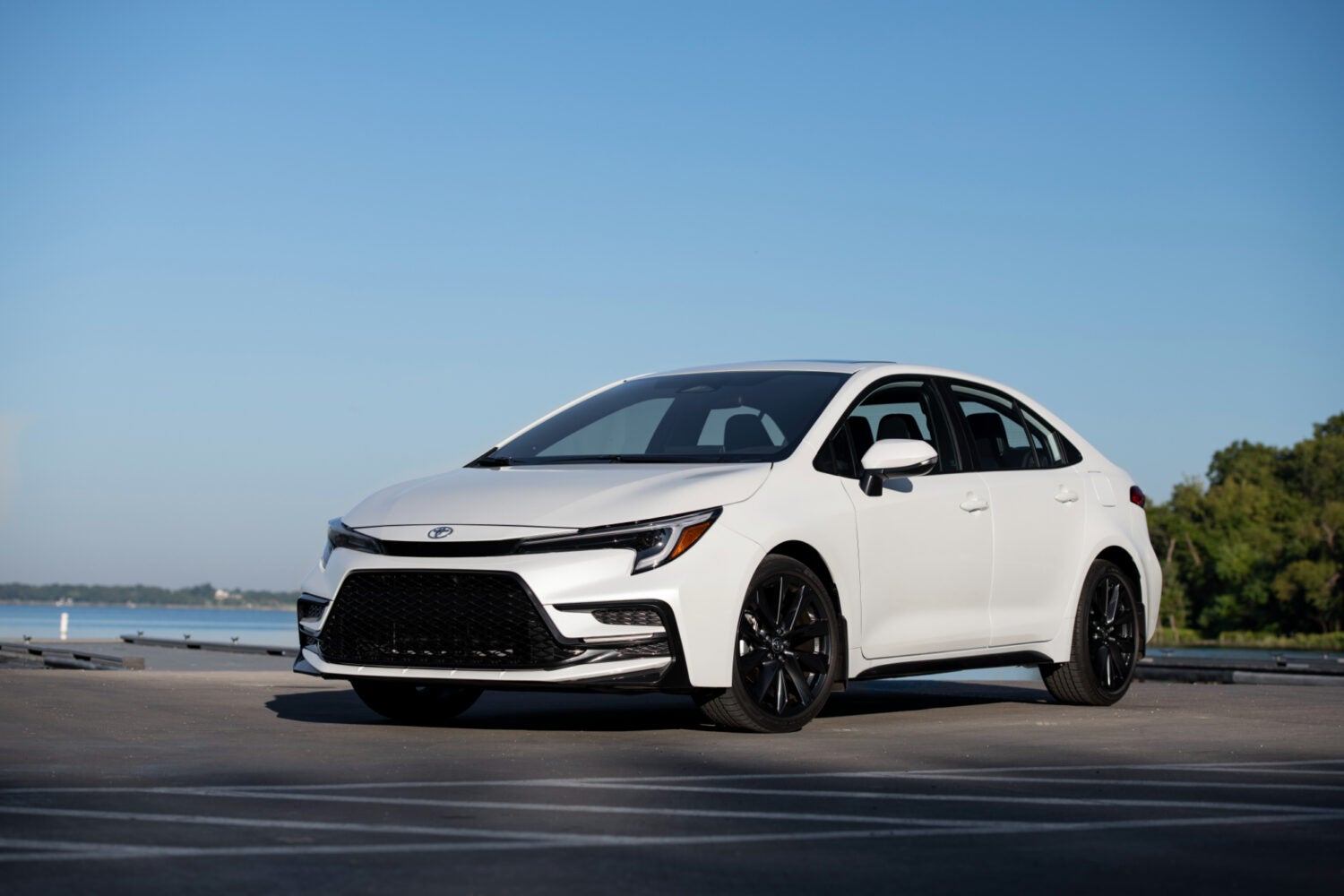
A wind chill pearl 2026 Toyota Corolla XSE

Compact cars rarely make headlines, but they remain a practical, budget-friendly choice for the daily commute in Katy and the Greater Houston area. If you're cross-shopping the Toyota Corolla vs Subaru Impreza, you're likely weighing two very different philosophies: one built around efficiency and low-cost ownership, the other around standard AWD and interior room. Below are the real tradeoffs between the 2026 models. If you want to see the Corolla up close, you can explore new Toyota Corolla inventory at Toyota of Katy anytime.


Toyota Corolla vs Subaru Impreza: Quick Comparison Overview

At a glance, the Corolla vs Impreza matchup comes down to priorities. The Corolla rides on Toyota's TNGA-C platform, which provides a rigid structure and a low center of gravity, and its suspension is tuned for comfort on paved roads. The Impreza runs Subaru's Boxer engine paired with standard Symmetrical AWD, built around traction and a planted feel no matter what's under the tires. The Impreza is sold only as a hatchback, while the Corolla gives shoppers a choice between a traditional sedan and the Corolla Hatchback.


Key Specs Side-by-Side: Engine, Drivetrain, and Fuel Economy

The powertrains and efficiency numbers stack up like this when you put the Corolla Sedan, Corolla Hatchback, and Impreza side by side.

Spec Corolla Sedan Corolla Hatchback Impreza (Sport / RS)
Engine 2.0L Dynamic Force 4-cylinder 2.0L 4-cylinder 2.0L Boxer (Sport) / 2.5L Boxer (RS)
Drivetrain FWD FWD Standard AWD
Transmission CVT CVT Lineartronic CVT with paddle shifters
Horsepower/Torque 169 hp / 151 lb-ft 169 hp / 151 lb-ft 152 hp / 145 lb-ft (Sport); 180 hp / 178 lb-ft (RS)
Fuel Economy (EPA) Up to 32 city / 41 hwy / 35 combined MPG (LE) Up to 32 city / 41 hwy / 35 combined MPG (SE) 27 city / 33 hwy / 29 combined MPG (Sport); 26 city / 33 hwy / 29 combined MPG (RS)
Cargo Volume 13.1 cu ft (trunk) 17.8 cu ft 20.4 cu ft

The Corolla's LE trim can return up to 35 MPG combined. The Impreza, weighed down slightly by its AWD hardware, lands closer to 29 MPG combined across both Sport and RS trims. On the flip side, the Impreza RS's 2.5L engine offers a meaningful bump in torque over the Corolla, which matters if you value passing power over pump savings.


Sedan and Hatchback Body Style Options for Each Model

The Corolla lineup splits into two distinct body styles. The 2026 Corolla Sedan comes in LE, SE, and XSE trims, while the 2026 Corolla Hatchback is offered in SE, FX, and XSE trims, each pairing a 2.0L four-cylinder engine with a CVT and FWD. The Impreza, meanwhile, has trimmed its hatchback-only lineup to Sport and RS for 2026. If you're specifically comparing the Corolla Hatchback vs. the Subaru Impreza, know that you're comparing two five-door hatchbacks with very different drivetrain philosophies under similar body shapes.


Corolla Hybrid: Higher MPG and Available AWD

The 2026 Corolla lineup also includes the Corolla Hybrid sedan in LE, SE, and XLE grades. Its 1.8-liter hybrid system makes 138 net horsepower and earns a manufacturer-estimated rating of up to 53 city / 46 highway / 50 combined MPG, far ahead of the Impreza's 29 combined. The Hybrid LE and SE are also available with all-wheel drive, which adds a rear electric motor for extra traction, so shoppers who want AWD don't have to leave the Corolla lineup to get it.

AWD trades some efficiency, with the Hybrid SE AWD rated at 44 combined MPG, still well above the Impreza. With the least horsepower of any car in this comparison, the Hybrid suits efficiency-focused drivers more than those who want passing power. The Hybrid LE starts at $24,575.


Performance and Driving Dynamics: AWD vs FWD

What's sending power to the wheels is what separates these two compacts. That single distinction shapes almost everything about how each car feels behind the wheel, especially when weather or road conditions come into play.


Subaru Impreza's Standard AWD: Handling Rain and Rough Katy-Area Roads

The Impreza's Symmetrical AWD system, combined with its low center of gravity from the Boxer engine layout, gives it a composed, planted ride quality. For Katy and Greater Houston drivers, that translates into less snow performance and more confidence in heavy rain and standing water, plus the occasional unpaved or rough stretch outside the main corridors. The RS trim's larger 2.5L engine adds passing power without introducing extra stiffness or cabin noise. It's a legitimate advantage if you regularly drive through downpours or less-maintained roads.


Toyota Corolla's FWD Efficiency and On-Road Comfort

The Corolla takes a different approach, one that suits drivers whose routine sticks mostly to paved commuting routes. Its FWD setup, combined with the TNGA-C platform's MacPherson strut front suspension and available multi-link rear, delivers a quiet, isolated ride with light, easy steering. It's a car that feels right at home during an Energy Corridor commute or a long grocery run down the Katy Freeway. Skipping AWD does cost you some all-weather grip, but you gain a lighter car that uses less fuel, and ToyotaCare covers normal factory-scheduled maintenance for the first 2 years or 25,000 miles.

If you're ready to feel the difference for yourself, contact Toyota of Katy to schedule a test drive and experience the ride quality firsthand.


Interior Comfort, Cargo Space, and Technology Features

Once you get past the drivetrain debate, cabin space and tech features become the next deciding factors for many shoppers, especially those hauling gear, kids, or coworkers on a regular basis.


Cabin Space and Cargo Capacity Compared

The Impreza pulls ahead on paper here. With 100.5 cubic feet of passenger volume, 36.5 inches of rear legroom, and up to 56.0 cubic feet of cargo space with the rear seats folded (20.4 cubic feet behind the rear seats), it offers noticeably more passenger room than either Corolla body style. The Corolla Sedan's trunk holds 13.1 cubic feet, while the Corolla Hatchback offers 29.9 inches of rear legroom and 17.8 cubic feet behind the rear seats, or 23.0 cubic feet when the spare is swapped for a tire repair kit. If passenger room and maximum cargo space are your top priorities in the Subaru Impreza vs Toyota Corolla debate, the Impreza has the numbers advantage.


Infotainment, Safety Tech, and Driver-Assist Systems

Both automakers put real effort into standard safety and connectivity tech. The Corolla comes with the Toyota Audio Multimedia system on a standard 8-inch touchscreen, wireless Apple CarPlay and Android Auto, and Toyota Safety Sense 3.0, which includes driver-assist features such as Lane Departure Assist and Proactive Driving Assist. The Corolla Sedan adds a standard 7-inch digital gauge cluster to the LE and SE, while the XSE gets a 10.5-inch touchscreen and a 12.3-inch digital gauge cluster, both of which are available on the SE through its Premium Package.


The Impreza counters with a standard 11.6-inch touchscreen featuring wireless Apple CarPlay and Android Auto, a 4.2-inch LCD driver display, and Subaru's latest EyeSight Driver Assist Technology. For 2026, Subaru has added standard rear-seat side airbags, and the Impreza carries a 5-Star Overall safety rating from NHTSA. The Corolla Sedan's 2026 IIHS ratings show "Good" marks across small overlap front, side, headlights, front crash prevention, and seatbelts and child restraints, with a "Marginal" rating in the moderate overlap front test, the same rating the Impreza received in that test. The Corolla Hatchback yields different results, including an "Acceptable" side rating and no moderate-overlap front test. Neither vehicle has a confirmed IIHS Top Safety Pick status this model year, so it's worth checking current ratings before you decide based on that alone.


Pricing, Trims, and Value: Which Gives You More for Your Money

Sticker price only tells part of the story, but it's still where most car-buying conversations start, and the two lineups compare in a few notable ways, including where pricing sources disagree.


Base and Top-Trim Price Comparison

The 2026 Corolla LE starts at an MSRP of $23,125, making it one of the more accessible new cars in its class, with the SE at $25,565 and the XSE at $28,840. The Corolla Hatchback SE starts at $24,580. On the Impreza side, the Sport trim carries an MSRP of $26,595, and the RS trim carries an MSRP of $29,495. For anyone comparing Impreza and Corolla Hatchback pricing, the Corolla's lower entry points across both body styles are hard to ignore.


Cost of Ownership: Insurance, Maintenance, and Resale Value

Ownership costs add to the Corolla's case. Both vehicles carry the same basic warranty structure, a 3-year/36,000-mile limited warranty and a 5-year/60,000-mile powertrain warranty, but the Corolla also includes ToyotaCare, which covers normal factory-scheduled maintenance and 24/7 roadside assistance for 2 years or 25,000 miles. Paired with the Corolla's lower starting prices and higher fuel economy ratings, that helps keep early ownership costs down.

Subaru tells a different story worth mentioning fairly: the brand reports that 96% of vehicles it has sold in the last decade are still on the road, a figure it says is higher than Honda's or Toyota's. It's a longevity claim worth factoring in, even as the Corolla's cost figures suggest it's cheaper to insure and own day-to-day. Each brand is simply emphasizing a different strength.


Which Car Fits Your Katy Lifestyle Best?

It comes down to what you drive through and what you drive for.


Choose the Subaru Impreza If You Prioritize All-Weather Confidence

  • You regularly deal with heavy rain, standing water, or rougher back roads around Katy and the Greater Houston area.
  • You need more passenger and cargo room for family gear, sports equipment, or frequent road trips.
  • You want the added grip and stability of standard AWD without stepping up to an SUV.

Choose the Toyota Corolla If You Want Efficiency and Reliability

  • You commute regularly along the Energy Corridor or Katy Freeway and want to keep fuel costs down, with a hybrid option rated up to 50 combined MPG.
  • You're a first-time buyer looking for a lower entry price, plus complimentary maintenance for the first 2 years or 25,000 miles.
  • You want the choice of sedan, hatchback, or hybrid, including available AWD on the Corolla Hybrid.
  • You value a quiet, comfortable ride and access to a large network of trained Toyota technicians for maintenance.

Explore the Toyota Corolla at Toyota of Katy

If the numbers above point you toward the Corolla, and for a lot of Katy-area drivers focused on efficiency and long-term cost, they do, the next step is simple: come see it in person.


What We Can Help You Compare

We can walk you through the differences between the Corolla Sedan and Corolla Hatchback, compare trim levels side by side, and answer any lingering questions about how it stacks up against the Impreza for your specific routine.


Schedule a Test Drive and Compare in Person

Numbers on a spec sheet only go so far. The best way to know which car fits your daily drive is to get behind the wheel. You can explore the current Toyota Corolla inventory online or contact Toyota of Katy directly at our Katy Freeway location to schedule a test drive.


Whether you're set on the Corolla or still weighing it against the Impreza, our team can help you compare both in a way that fits your budget and daily routine in and around Katy and the Greater Houston area.
Posted in:

Related Posts

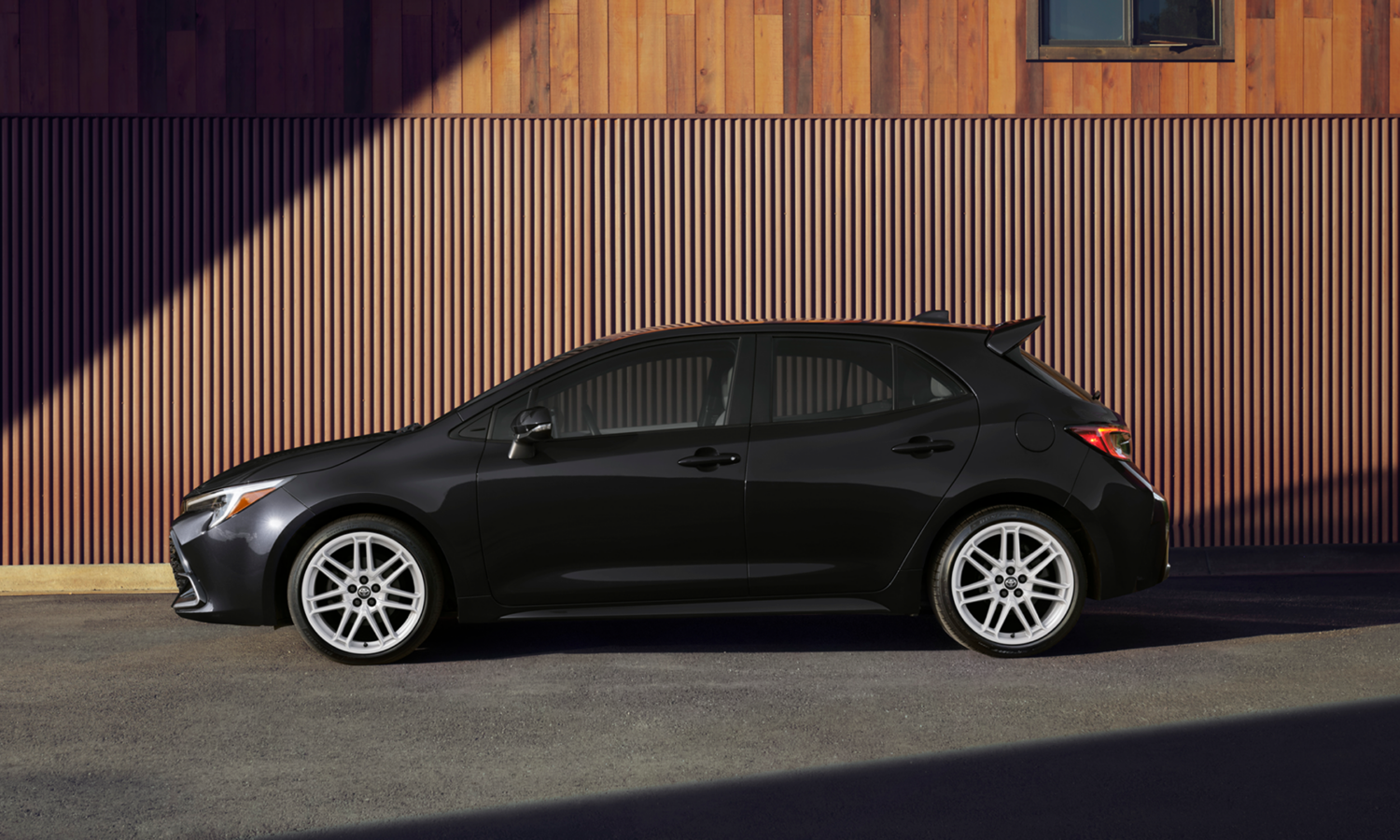
A side profile of a black 2027 Corolla Hatchback

2027 Toyota Corolla Hatchback: What’s New for Katy Drivers?

The Toyota Corolla Hatchback has long appealed to drivers who want sedan-like efficiency with the added flexibility of a hatchback. For 2027, Toyota keeps that formula intact while giving the Corolla Hatchback a more modern technology experience. The biggest changes center on the digital displays and infotainment system, while the 2.0-liter engine, sporty handling, and two-trim lineup carry forward. If you're shopping for a compact car in and around Katy and Greater Houston, here's what's changed for 2027 and what to know before choosing between the SE and XSE. What’s New on the 2027 Toyota Corolla Hatchback? For 2027, the Corolla Hatchback is available in SE and XSE grades. Toyota's biggest updates focus on the technology inside the cabin. The SE now gets a 7-inch digital gauge cluster as standard equipment. Buyers can also choose a new SE Premium Package that adds the larger 12.3-inch digital gauge cluster and 10.5-inch Toyota Audio Multimedia touchscreen. The XSE takes those larger displays a step further by making both the 12.3-inch digital gauge cluster and 10.5-inch Toyota Audio Multimedia system standard. Toyota also added new exterior color choices and made 18-inch gloss-white alloy wheels available as a Toyota Genuine accessory. The underlying powertrain and overall driving character remain familiar. 7-Inch Digital Gauge Cluster Now Standard on SE Every 2027 Corolla Hatchback SE comes with a 7-inch digital gauge cluster. That gives SE buyers a more modern way to view information such as speed, fuel economy, and vehicle data without having to step up to the XSE. The SE also continues to include an 8-inch Toyota Audio Multimedia touchscreen with wireless Apple CarPlay and Android Auto compatibility. New SE Premium Package Adds Larger Displays The new SE Premium Package gives shoppers another way to upgrade the cabin without moving directly to the XSE. The package adds a 12.3-inch digital gauge cluster and a 10.5-inch Toyota Audio Multimedia touchscreen, giving the SE much of the same display technology found in the XSE. For shoppers comparing the two trims, this is one of the most important 2027 updates to consider. If larger displays are high on your priority list, the Premium Package offers another option between the standard SE and the fully equipped XSE. XSE Gets the Larger Displays as Standard The 2027 Corolla Hatchback XSE comes standard with the 12.3-inch digital gauge cluster and 10.5-inch Toyota Audio Multimedia touchscreen. That makes the XSE the straightforward choice for shoppers who want the larger displays without adding an available package to the SE. New Colors and 18-Inch Gloss-White Wheels Toyota also gives the 2027 Corolla Hatchback a few new ways to stand out. New exterior color offerings include Inked and Blueprint, as well as a Blueprint with Black Roof two-tone combination. The available color palette gives shoppers more ways to personalize the hatchback's sporty design. Toyota also offers 18-inch gloss-white alloy wheels as a genuine accessory. On SE models, the accessory wheels require the purchase of 225/40R18 tires separately, so shoppers considering this upgrade should account for the additional tire cost. 2027 Corolla Hatchback SE vs. XSE With two grades to choose from, the SE and XSE cover different priorities. The SE emphasizes value and efficiency, while the XSE adds more premium equipment as standard. Feature SE XSE Starting MSRP* $24,780 $27,875 Estimated MPG 32 city / 41 highway 30 city / 38 highway Gauge cluster 7-inch digital 12.3-inch digital Multimedia screen 8-inch 10.5-inch Seats Fabric sport seats SofTex-trimmed heated front sport seats Driver's seat 6-way adjustable 8-way power adjustable Passenger seat 4-way adjustable 4-way adjustable Wheels 16-inch alloy 18-inch alloy Climate control Single-zone automatic Dual-zone automatic *MSRP excludes Dealer Processing and Handling. The SE starts at $24,780, while the XSE starts at $27,875. Toyota estimates 35 mpg combined for the SE and 33 mpg combined for the XSE. The SE therefore makes the most sense for shoppers focused on value and fuel efficiency, while the XSE adds a more premium cabin and additional standard equipment. If you're still deciding between the two, the new SE Premium Package is worth considering because it lets SE shoppers add the larger display hardware without having to move directly to the XSE. SE Hatchback: A Strong Value The SE provides the core Corolla Hatchback experience without loading the price with equipment you may not need. Standard features include fabric sport seats, a 6-way adjustable driver's seat, a 4-way adjustable front passenger seat, LED headlights, Smart Key System, single-zone automatic climate control, an 8-inch Toyota Audio Multimedia touchscreen, wireless Apple CarPlay and Android Auto compatibility, wireless smartphone charging, and 16-inch alloy wheels. Toyota Safety Sense 3.0 is standard, as is Blind Spot Monitor with Rear Cross-Traffic Alert. For shoppers who want a compact hatchback that's efficient, easy to maneuver, and well equipped without moving into a higher price range, the SE is the logical starting point. XSE Hatchback: More Technology and Comfort The XSE builds on the SE with additional technology and comfort features. It includes the larger 12.3-inch digital gauge cluster and 10.5-inch Toyota Audio Multimedia touchscreen, along with SofTex-trimmed heated front sport seats, an 8-way power-adjustable driver's seat, 18-inch alloy wheels, LED fog lights, and dual-zone automatic climate control. For shoppers who spend a lot of time behind the wheel or simply want a more upscale cabin, the XSE provides a noticeable step up from the SE. Performance and Fuel Economy Toyota doesn't make major mechanical changes to the Corolla Hatchback for 2027. Both trims continue to use a 2.0-liter Dynamic Force four-cylinder engine producing 169 horsepower and 151 lb-ft of torque. Power is sent to the front wheels through a Dynamic-Shift CVT with a physical launch gear and paddle shifters. Drivers can choose from Normal, Eco, and Sport drive modes, giving the Corolla Hatchback some flexibility between everyday efficiency and a more responsive driving experience. The SE is rated at an estimated 32 city/41 highway/35 combined mpg, while the XSE is rated at 30 city/38 highway/33 combined mpg. In other words, the 2027 update is much more about technology than a new powertrain. If you already like the Corolla Hatchback's balance of efficiency and sporty handling, the 2027 model keeps that formula intact while modernizing the cabin. Why the 2027 Corolla Hatchback Makes Sense for Katy Drivers For Katy and Greater Houston drivers, the 2027 updates are especially relevant to the areas that matter most in everyday driving: visibility, connectivity, efficiency, and maneuverability. The new digital gauge cluster gives SE drivers a more modern display for vehicle information, while the available SE Premium Package makes the larger displays accessible without requiring an XSE. Fuel efficiency is another advantage for drivers who regularly travel across the Katy area and Greater Houston. With an estimated 35 mpg combined rating for the SE, the Corolla Hatchback can make sense for daily commuting, errands, and longer highway drives. Its compact dimensions can also be helpful around busy shopping centers and crowded parking lots, while the hatchback design provides additional cargo flexibility compared with a traditional sedan. Toyota's official specifications list 17.8 cubic feet of cargo volume behind the second row, with additional capacity available depending on the spare-tire configuration. That makes the Corolla Hatchback practical for everyday items, sports equipment, groceries, and weekend luggage without needing to move up to a larger SUV. For drivers who want a vehicle that's easy to live with during the week but still has a sportier personality for weekend driving, the Corolla Hatchback remains an appealing middle ground. Explore the 2027 Corolla Hatchback at Toyota of Katy See the Corolla Hatchback in Person The best way to understand the differences between the 2027 Corolla Hatchback SE and XSE is to see the two grades side by side. At Toyota of Katy, you can compare the displays, seating, technology, and available features to determine which version fits your driving needs. If you're considering the SE, it's also worth looking at the available Premium Package to see whether its larger displays give you the technology upgrade you're looking for. Browse Corolla Hatchback Inventory You can browse the current Corolla Hatchback inventory to see available models and configurations. If you're still comparing the Corolla Hatchback with other Toyota models, you can also explore the new Toyota lineup or contact Toyota of Katy with questions about trims, pricing, or availability. For Katy and Greater Houston drivers looking for a compact car with efficient performance, hatchback versatility, and updated technology, the 2027 Toyota Corolla Hatchback is worth a closer look.

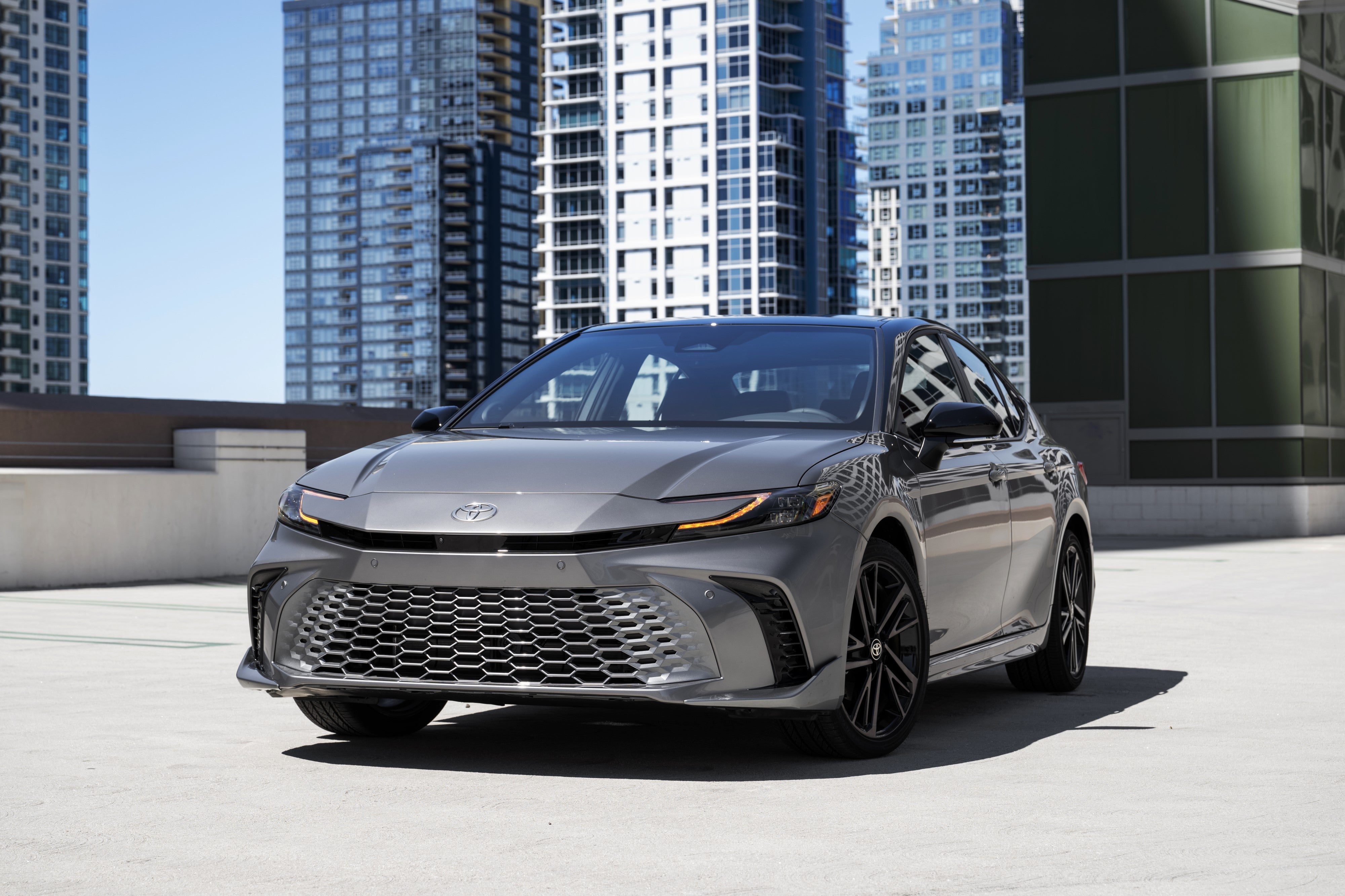
2027 Toyota Camry XSE AWD Heavy Metal Black

2027 Toyota Camry: What We Know So Far

Toyota announced the 2027 Toyota Camry on October 13, 2026, and shoppers across Katy and West Houston are already asking what it means for them. We want to give you a straight answer, separating what Toyota has confirmed from what remains open. If you'd rather look at vehicles while you read, you can browse our current Camry inventory. What Toyota Has Confirmed for 2027 Here’s what Toyota’s official announcement covers. Toyota has published the grade lineup and hybrid powertrain details, along with manufacturer-estimated fuel economy and pricing. The 2027 Camry starts at $29,700 for the LE, followed by the SE at $32,200, the Nightshade at $33,200, the XLE at $34,900, and the XSE at $36,100, with AWD adding $1,525 on any grade (prices exclude the $1,295 dealer processing and handling fee). Toyota expects the model to be at dealerships in fall 2026, but a specific on-sale date hasn’t been announced. Specifications and availability may change without notice, so please confirm details with Toyota or with our dealership before you decide. What Carries Over From the 2026 Camry Toyota describes the 2027 grades, features, and options as carryovers, confirming continuity. The 2027 Camry looks like the current car, with the same five grades, wheel designs, and colors we cover below. Toyota has not announced a redesign date or details of a next-generation Camry, and we won't guess at one. Hybrid-Only Powertrain and Everyday Driving in Katy Every 2027 Toyota Camry uses Toyota's fifth-generation Toyota Hybrid System (THS 5), with a 2.5-liter four-cylinder engine and an eCVT. Output is 225 net combined horsepower with FWD and 232 with AWD. The AWD system is Electronic On-Demand All-Wheel Drive, with an electric motor-generator on the rear axle. The suspension is MacPherson strut up front and multi-link in the rear, and the SE, Nightshade, and XSE get sport-tuned suspensions. For local driving, a hybrid sedan suits the stop-and-go stretches of I-10 and the Katy Freeway, errands around Katy, and runs out the Grand Parkway. It also suits the trips into Houston and the Energy Corridor commutes many of our neighbors make. A conventional hybrid like this one needs no plug-in charging, since the vehicle manages its own battery. Your fuel economy will still vary with grade, drivetrain, traffic, and driving style. AWD can add traction in suitable conditions, but a sedan stays a sedan, and AWD never makes driving through flooded roads safe. If you're weighing sedans from Toyota, our post on the 2026 Toyota Crown vs. Camry for Katy commuters is a useful Toyota-to-Toyota resource. The LE, SE, Nightshade, XLE and XSE Grades The 2027 Camry keeps five grades, and the differences go beyond styling. Wheels and touchscreens change as you move up, along with seating and mpg. The mpg figures below are manufacturer-estimated, listed as city/highway/combined. Grade Wheels Touchscreen and gauge cluster FWD mpg AWD mpg LE 16-inch alloy 8-inch / 7-inch 52/49/51 50/49/50 SE 18-inch black-finished alloy 8-inch / 7-inch 47/45/46 46/46/46 Nightshade 19-inch satin black-finished alloy 8-inch / 7-inch 47/45/46 46/46/46 XLE 18-inch two-tone machined and black-finished alloy 12.3-inch / 12.3-inch 47/45/46 46/46/46 XSE 19-inch black and smoke-gray-finished alloy 12.3-inch / 12.3-inch 47/45/46 43/43/43 A Multimedia Upgrade Package with the 12.3-inch touchscreen is listed for the SE and Nightshade. Those two grades are the ones to look at if you want the SE look with a larger screen. The XSE follows the same sport-tuned approach with its own wheels and trim. Sport styling and tuned suspension come with the same engine, though, so judge each grade on the features you'll actually use. Interior and Comfort by Grade The 2027 Toyota Camry interior also varies by grade: The LE has woven-fabric seating. The SE and Nightshade have SofTex-trimmed seats. The XLE has leather and Dinamica microfiber trim. The XSE has leather-trimmed seating. Heated front seats are standard on the XLE and XSE and available on select other grades. Ventilated front seats are available on the XLE and XSE. Wireless Apple CarPlay and Android Auto are standard, as are dual-zone automatic climate control with rear vents and Push Button Start. Standard Safety Features Toyota Safety Sense 3.0 is standard. It includes Pre-Collision System with Pedestrian Detection, Full-Speed Range Dynamic Radar Cruise Control, Lane Departure Alert with Steering Assist, Lane Tracing Assist, Road Sign Assist, Automatic High Beams, and Proactive Driving Assist. Blind Spot Monitor with Rear Cross-Traffic Alert and Safe Exit Alert are standard across grades. What’s Still Unknown Toyota has not announced an on-sale date for the 2027 Camry. The only timing it offers is a season: fall 2026, so the release date has no exact answer yet. We also can't say when any unit will reach Toyota of Katy, and we're making no claim about local arrival or allocation. Toyota has also not announced a redesign date, future trim revisions, or extra equipment beyond the published carryover. If a website tells you otherwise, ask where it got the information. We'd rather say "not announced" than fill the gap with a guess. What’s Changed for 2027: Pricing, Not Equipment Because the grades, features, and options all carry over, the main change for 2027 is pricing, which is slightly higher than the 2026 model. The color palette carries over too: Ocean Gem, Heavy Metal, Ice Cap, Wind Chill Pearl, Celestial Silver Metallic, Underground, Midnight Black Metallic, Supersonic Red, Reservoir Blue, and Dark Cosmos. Availability varies by grade. The Nightshade comes in Ice Cap, Supersonic Red, and Midnight Black Metallic. The XSE offers select colors with a Midnight Black Metallic roof. Which colors and grades actually reach our area are still open questions, and that's the part to confirm with us once vehicles are on the way. Should You Wait for the 2027 Camry or Explore the 2026 Model? There’s no universal right answer, because it depends on your timeline and what you need from the car. Since the 2027 grades, features, and options carry over, the two model years drive and feel the same. The practical differences are the model-year label, slightly higher 2027 pricing, and the timing of when you can get behind the wheel, which makes a 2026 Camry available today worth a close look. Who May Want to Wait Waiting makes sense if you specifically want the 2027 model year and your timeline is flexible. If your current vehicle is running fine, you can watch Toyota's rollout and compare configurations when they're available. Just remember that waiting only gets you a later outcome, and a better one isn't guaranteed. Who May Want to Buy Now Buying now fits if you need a vehicle soon or prefer the current model. It also fits if you have trade-in timing to consider or financing to sort out. A car you can see and drive today beats one defined only by a season. If that sounds like you, contact our team about availability. We can't promise notifications or preorders, and allocations are out of our hands too, but we can tell you what we know. Whichever way you lean, keep an eye on these: Arrival timing from Toyota Availability by grade and color Local availability at Toyota of Katy Explore the Current 2026 Camry at Toyota of Katy The 2026 Camry was also exclusively hybrid, with the same five grades. The Nightshade debuted for 2026, based on the SE. Our online Camry inventory displays 2026 listings, including LE, SE, XLE, and Nightshade examples. Availability changes, so check the live inventory for what's listed today. You can also start at our new Toyota Camry for sale in Katy, TX. Toyota of Katy sells new and used Toyota cars, trucks, and SUVs and offers financing, service, genuine parts, and collision repair in Katy, TX. We help shoppers compare trims, features, technology, and financing options. If a test drive is next, pay attention to ride comfort, rear-seat room, and how the controls feel. You can also start a finance application before you visit. Once you own a Toyota, our service department is here to help with maintenance. Visit us at 21555 Katy Freeway, Katy, TX 77450. Sales hours are 9:00 a.m. to 7:00 p.m. Monday through Saturday.

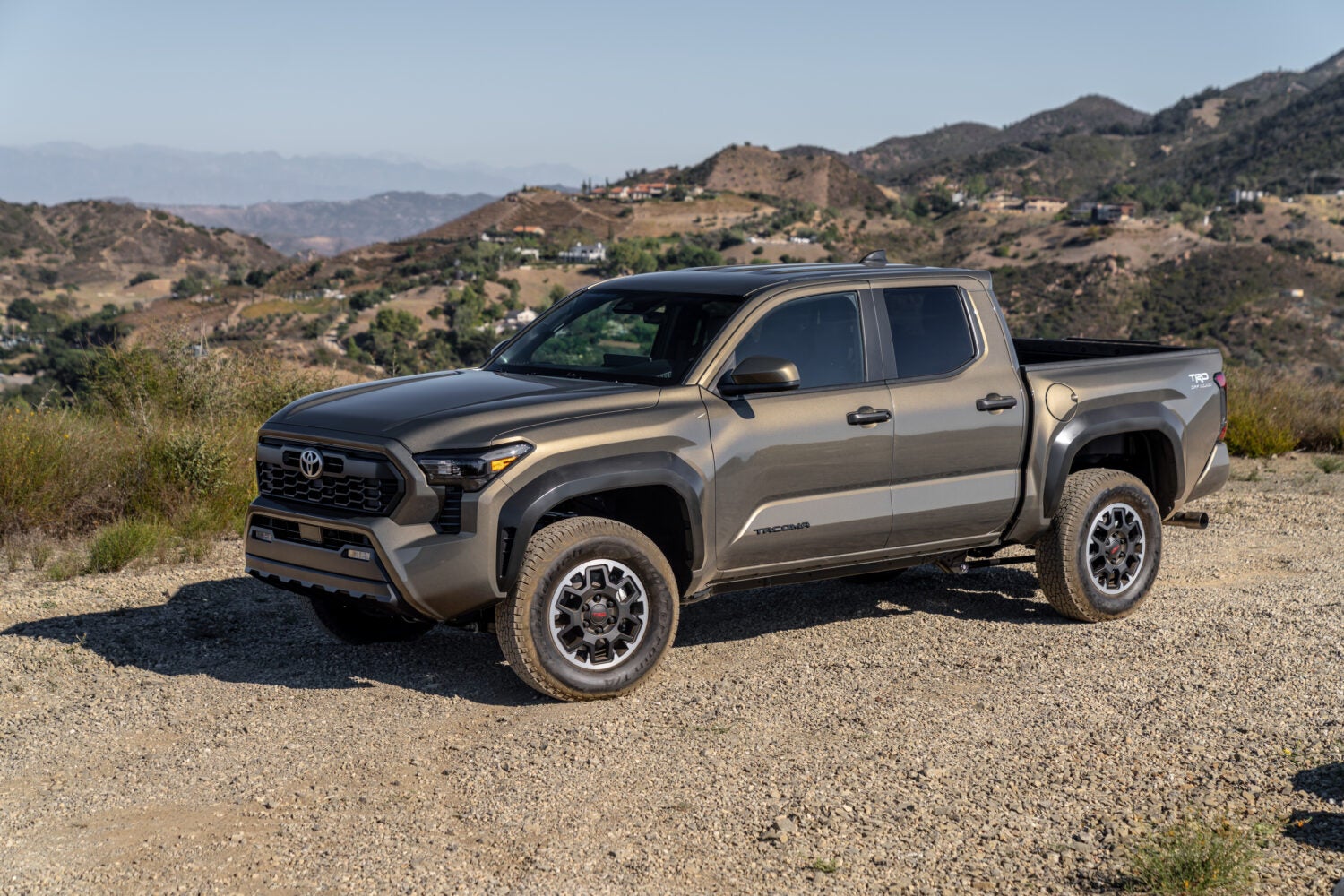
A bronze oxide 2026 Toyota Tacoma TRD Off Road on a gravel road

2026 Toyota Tacoma vs Tundra: Key Differences

Picking between the Tacoma and Tundra usually comes down to one question: do you need a truck that fits easily into daily life around Katy, or one built to move serious weight? Both are capable Toyota trucks, but they solve different problems. This guide compares their size, towing, power, fuel economy, and pricing so you can choose the truck that fits how you actually drive, work, and play. Tacoma vs Tundra: Which Toyota Truck Matches Your Needs in Katy? The Tacoma makes sense if you want a mid-size truck that's easier to maneuver and more efficient for everyday driving. The Tundra makes more sense when heavy towing, additional cabin space, or a larger bed is part of your routine. Drivers commuting through Katy or the Energy Corridor may appreciate the Tacoma's smaller footprint when parking and navigating busy streets. Families towing boats to Lake Conroe or workers regularly moving equipment may get more value from the Tundra's additional capacity. The key is matching the truck to what you actually need rather than simply choosing the larger model. If you want to compare current availability while you read, browse our new Toyota inventory at Toyota of Katy. Size and Dimensions: Comparing the Tacoma and Tundra The Tundra is a full-size pickup, while the Tacoma is a mid-size truck. That distinction affects more than appearance. It can change how easily the truck fits into a garage, how comfortable the cabin feels with passengers, and how much room you have for cargo. Exterior Size and Maneuverability Around Katy The Tacoma's smaller footprint gives it an advantage when maneuverability matters. It's easier to work into tighter parking spaces and can feel less cumbersome in crowded shopping centers or older parts of town. The Tundra is wider and substantially larger overall. That added size can make parking and tight turns require more attention, but it also contributes to the truck's larger cabin, greater cargo capacity, and heavier-duty capability. For drivers who spend more time towing or hauling than squeezing into tight parking spaces, that tradeoff may be worthwhile. Cabin Space, Legroom, and Bed Configurations The Tundra offers more interior space, making it the better choice if you regularly carry adults in the second row or take longer family trips. The Tacoma can still accommodate passengers comfortably, but its mid-size dimensions make it easier to live with if maximum cabin space isn't a priority. Bed configurations also differ. The Tacoma offers 5-foot and 6-foot bed options, while the Tundra is available with 5.5-foot, 6.5-foot, and 8.1-foot beds. That extra bed capacity can matter when you're regularly hauling lumber, landscaping equipment, furniture, or other bulky cargo. In practical terms, the Tacoma gives you a more manageable truck for everyday driving, while the Tundra gives you more room to work with when passenger and cargo demands increase. Towing and Payload: How Much Can Each Truck Handle? This is where the difference between the two trucks becomes most obvious. The 2026 Tacoma can tow up to 6,500 pounds and carry up to 1,705 pounds of payload, while the 2026 Tundra reaches up to 12,000 pounds of towing capacity. Spec Tacoma Tundra Powertrain 2.4L turbo or available i-FORCE MAX hybrid i-FORCE twin-turbo V6 or available i-FORCE MAX hybrid Max Horsepower 326 hp with i-FORCE MAX 437 hp with i-FORCE MAX Max Torque 465 lb-ft with i-FORCE MAX 583 lb-ft with i-FORCE MAX Max Towing Up to 6,500 lbs. Up to 12,000 lbs. Max Payload Up to 1,705 lbs. Up to 1,850 lbs.* Bed Lengths 5 ft. / 6 ft. 5.5 ft. / 6.5 ft. / 8.1 ft. Transmission 8-speed automatic or available 6-speed manual 10-speed automatic *Maximum payload varies by configuration. Always verify the specific vehicle's published ratings before towing or hauling. Max Towing Capacity by Powertrain The Tundra has a substantial advantage when towing is a major part of your routine. It's available with a 12,000-pound maximum, which gives it significantly more capacity for larger boats, campers, trailers, and work equipment. The available i-FORCE MAX hybrid produces 437 horsepower and 583 lb-ft of torque, giving the Tundra strong low-end pulling power. The Tacoma's 6,500-pound maximum is much lower, but that doesn't make it inadequate for lighter towing. A smaller boat, utility trailer, recreational equipment, or weekend project may fit comfortably within the Tacoma's capabilities. The important question is how much you tow and how frequently you do it. Payload Ratings for Work and Recreation Payload is closer between the two trucks than towing capacity, but the Tundra still has the edge. If you're routinely carrying heavy tools, materials, equipment, or other cargo in the bed, the Tundra gives you more capacity to work with. For occasional hauling, however, the Tacoma's payload rating is substantial for a mid-size pickup. If most of your truck use involves commuting during the week and smaller projects on weekends, you may not need the Tundra's additional capability. Powertrain, Performance, and Fuel Economy The Tundra produces more power, while the Tacoma's smaller size and available hybrid powertrain make it appealing for drivers who don't need full-size truck capability every day. Engine Options and Horsepower Compared The Tacoma uses a 2.4-liter turbocharged four-cylinder engine producing up to 278 horsepower and 317 lb-ft of torque. The available i-FORCE MAX hybrid increases output to 326 horsepower and 465 lb-ft of torque. Toyota also offers a six-speed manual transmission on select Tacoma configurations. The Tundra starts with a twin-turbo V6 producing up to 389 horsepower and 479 lb-ft of torque. The available i-FORCE MAX hybrid increases output to 437 horsepower and 583 lb-ft. Both Tundra powertrains use a 10-speed automatic transmission. That difference is noticeable if you're towing or carrying substantial weight. For drivers who primarily commute and use their truck for everyday errands and lighter jobs, the Tacoma's powertrain offers plenty of capability without the need to step up to a full-size pickup. Fuel Efficiency for Katy Commuters and Highway Drivers The Tacoma generally has the fuel-economy advantage, particularly when compared with a full-size Tundra. The 2026 Tacoma's available i-FORCE MAX hybrid is rated at up to 23 mpg combined, while certain gas configurations reach 26 mpg on the highway. The 2026 Tundra's gas models are rated at 18 mpg city and 23 mpg highway in their most efficient configurations, while available i-FORCE MAX models improve efficiency compared with the standard gas powertrain. For someone driving the Katy Freeway every day, fuel economy can become a meaningful ownership consideration. If your driving is mostly commuting with occasional towing, the Tacoma can make more sense. If you're regularly pulling a trailer or carrying heavy loads, the Tundra's additional capability may be worth the tradeoff. Everyday Usability: Commuting, Hauling, and Weekend Trips The Tacoma is the easier truck to justify when everyday driving is the priority. Its smaller dimensions can make parking and maneuvering less stressful, while its fuel economy is better suited to a commute-heavy routine. It can still handle weekend trips, home-improvement projects, recreational gear, and lighter towing. The Tundra becomes more compelling when your truck needs to do more than commute. Its larger cabin is better suited to families and passengers, while its towing and bed capacity provide more flexibility when you're hauling substantial loads. One thing we hear from truck shoppers is that the decision isn't always about which truck is more capable. It's about whether you will actually use that extra capability. If you don't regularly tow or haul heavy loads, the Tacoma may give you everything you need without adding the size of a full-size pickup. Off-Road and Work-Ready Capability Both trucks offer serious off-road equipment, but they approach the job differently. The Tacoma's smaller size makes it particularly well-suited to tight trails, while the Tundra combines off-road equipment with full-size towing and hauling capability. The Tacoma TRD Off-Road offers equipment such as Bilstein shocks, Crawl Control, Multi-Terrain Select, and an available electronically locking rear differential. The TRD Pro and Trailhunter take things further with specialized suspension and off-road hardware. Toyota's 2026 Tacoma Trailhunter, for example, uses Old Man Emu 2.5-inch forged monotube shocks and 33-inch all-terrain tires. The Tundra also offers TRD Off-Road and TRD Pro configurations with equipment designed for more demanding terrain. The TRD Pro combines that off-road capability with substantially greater towing capacity than the Tacoma, making it a better fit for someone who wants a single truck to handle both serious trail use and heavy towing. Pricing and Long-Term Value Considerations The Tacoma has a lower starting price, with the 2026 model beginning at $32,545 before destination and other charges. The 2026 Tundra starts at $41,260. That price difference reflects more than the badge. The Tundra is a larger, more powerful full-size truck with substantially greater towing capacity and additional interior and cargo space. The Tacoma costs less to get into and may be the better value if you don't need those extra capabilities. In other words, don't automatically assume the more expensive truck is the better choice. The right truck is the one whose capability matches your actual needs. Which Toyota Truck Fits Your Katy Lifestyle? If you're commuting from Katy to the Energy Corridor most weekdays, handling errands around town, and occasionally towing a smaller trailer for weekend recreation, the Tacoma is likely the better fit. It's easier to maneuver, more efficient, and still offers meaningful towing and off-road capability. If you're regularly towing a larger boat or camper, hauling equipment, carrying a full crew, or simply want the additional space of a full-size pickup, the Tundra makes more sense. Its higher towing capacity, larger cabin, and bigger bed give you considerably more room to work with. Choose the Tacoma for Daily Driving and Versatility The Tacoma is a strong choice for drivers who want a truck that can handle the commute, errands, weekend projects, and recreational trips without the size of a full-size pickup. It's particularly appealing if maneuverability and fuel economy matter as much as towing capacity. Choose the Tundra for Maximum Power and Space The Tundra is the better choice when towing, hauling, passenger space, or bed capacity are high on your list. Its larger dimensions come with a substantial increase in capability, making the additional size easier to justify for drivers who regularly put their truck to work. If you're leaning toward the Tundra, browse Tundra inventory at Toyota of Katy to see current trim availability. You can also explore financing options to compare what the two trucks could look like within your budget. Test Drive the Tacoma or Tundra at Toyota of Katy Numbers on a spec sheet only tell part of the story. Driving both trucks is the easiest way to understand the difference in size, seating position, ride, visibility, and overall feel. We're located at 21555 Katy Fwy, Katy, TX 77450, and our team can walk you through the differences between the Tacoma and Tundra based on how you plan to use your truck. If you're ready to compare them side by side, contact Toyota of Katy online to schedule a test drive, or stop by to see the Tacoma and Tundra lineups in person.