

Blog / Toyota 4Runner

Toyota Tundra vs. 4Runner: Which Is Right for Katy, TX Drivers?

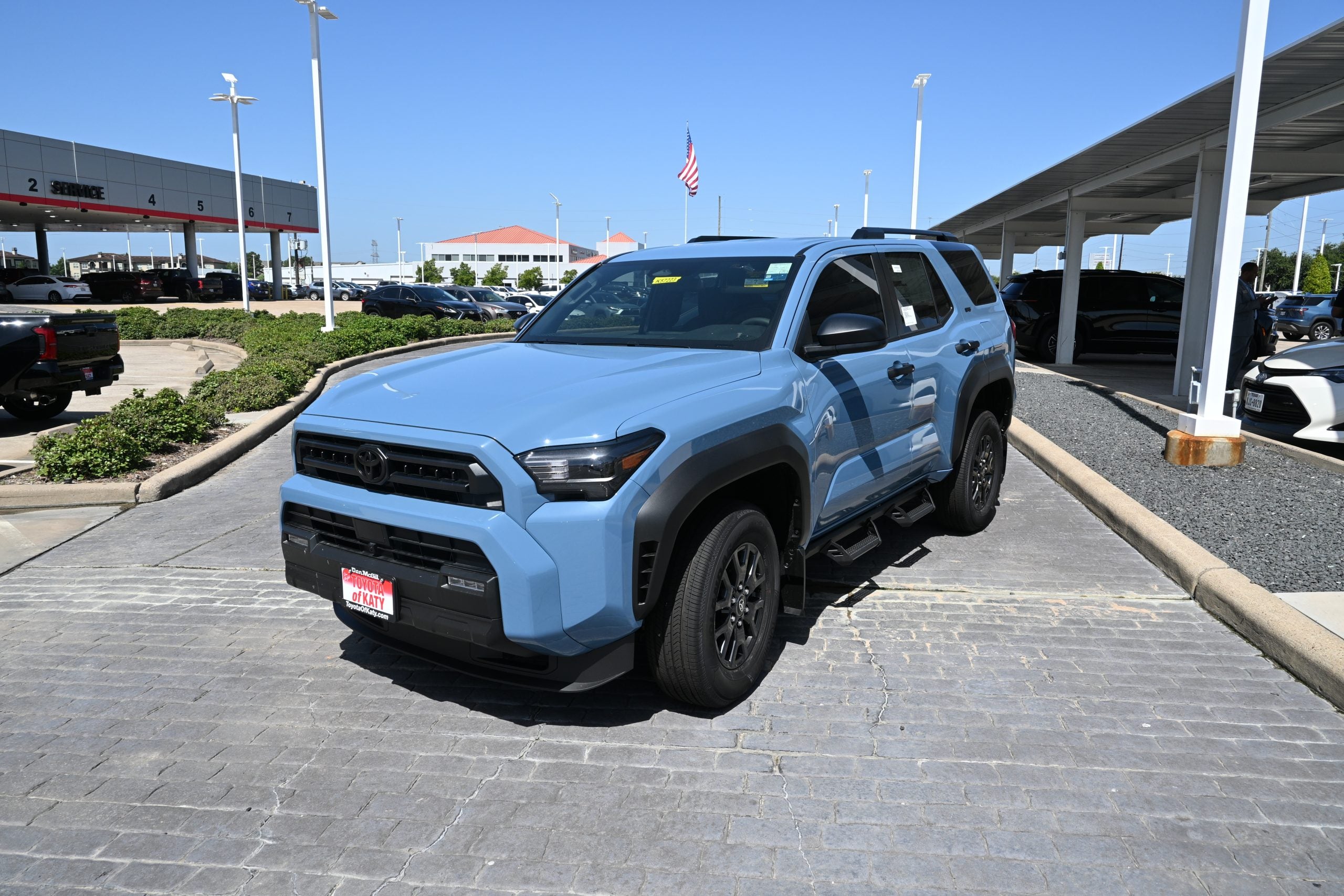
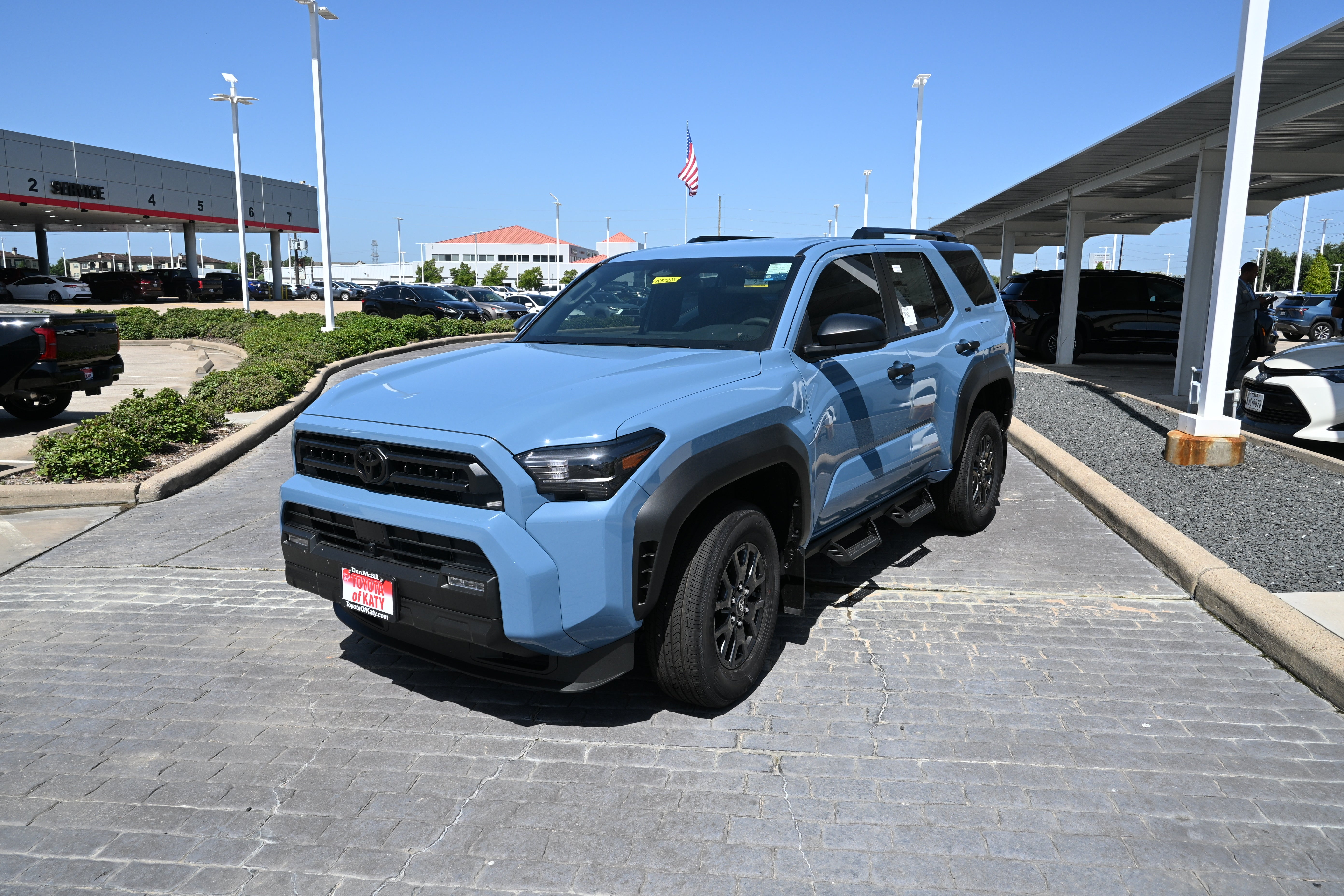
DSC_0041

Katy drivers don't all haul the same things. One neighbor pulls a bass boat to Lake Conroe every weekend. Another needs to get three kids, a dog, and a week's worth of camping gear to Big Bend without losing a single bag. The right Toyota for you depends entirely on what your life actually looks like. If you're already leaning one direction, browse our current inventory at Toyota of Katy or call us at (832) 772-1000 to talk it through.

Both vehicles sit on serious body-on-frame platforms, both carry Toyota's reputation for long-term reliability, and both handle Texas roads with confidence. They serve genuinely different purposes, though, and choosing the wrong one means living with inconveniences every single day. Here's how these two stack up for drivers in Katy and the Greater Houston area.

Tundra vs. 4Runner: Two Toyotas Built for Very Different Jobs

The Tundra and 4Runner look similar on paper. Both sit on rugged frames, both offer four-wheel drive, and both have loyal followings. Once you dig into what each vehicle is actually designed to do, the differences become obvious. The Tundra is a full-size pickup built around work: towing heavy trailers and carrying loads that smaller vehicles simply can't manage. The 4Runner is a body-on-frame SUV engineered to blend off-road capability with everyday practicality, offering enclosed passenger space and cargo flexibility that a truck bed can't replicate.

That distinction is really the key to making the right call on the Tundra vs. 4Runner debate.

What Each Vehicle Is Actually Built to Do

The Tundra and 4Runner solve different problems. One is designed around raw capacity, the other around versatility. Both are compelling in their own right.

Toyota TundraToyota 4Runner
Build TypeFull-size pickupBody-on-frame SUV
Towing CapacityUp to 12,000 lbsUp to 6,000 lbs
PayloadUp to 1,850 lbsUp to 1200 lbs

Toyota Tundra: A Full-Size Truck Engineered to Work

The Tundra earns its reputation through sheer capability. Its powertrain options are tuned for performance under load, delivering the torque needed when you're pulling a trailer up a highway overpass or filling the bed with construction materials for a weekend project. The cab is spacious enough for long drives, and the available technology keeps work and routing manageable without a steep learning curve. For Katy residents who use their vehicle as a genuine work tool, the Tundra's durability makes it a consistent go-to year after year.

Toyota 4Runner: A Body-on-Frame SUV Built for Versatility

The 4Runner takes a different approach. Where the Tundra maximizes work output, the 4Runner balances off-road capability with family comfort across a wide range of situations. Its enclosed cargo area protects gear from mud and rain. The rear seating fits families without complaint, and its off-road credentials rival purpose-built trail rigs. The 4Runner's relatively compact footprint also makes it easier to live with daily, fitting into parking garages and suburban driveways without the second-guessing that comes with a full-size truck.

Hauling and Towing: Where the Tundra vs. 4Runner Gap Is Biggest

If you're making your decision based primarily on towing and payload, the conversation is short: the Tundra wins by a wide margin. With up to 12,000 lbs of towing capacity and 1,850 lbs of payload, versus the 4Runner's 6,000 lbs of towing and 1,200 lbs of payload, this is the single biggest functional gap between the two vehicles.

What Katy Drivers Are Hauling and Which Toyota Handles It Better

The Katy area brings specific hauling demands. Weekends often mean bass boats headed to Lake Conroe or Barker Reservoir. Travel trailers roll out for trips to the Texas Hill Country. Large suburban lots mean regular loads of mulch, landscaping materials, and lumber from the hardware store. Plenty of families haul ATVs or dirt bikes to East Texas trails, too. For all of that heavy lifting, the Tundra's open bed and serious tow ratings give it a decisive edge. If your hauling mostly means groceries, sports gear, and the occasional flat-pack furniture run, the 4Runner handles it cleanly while keeping everything dry and secure.

Off-Road Capability In and Around Greater Houston

Katy's location offers access to a wider range of terrain than people expect. Muddy back roads, flooded underpasses after heavy rain, weekend trips to Barker Cypress trails or Big Bend - having off-road confidence matters. Both Toyotas deliver, but they approach it differently.

4Runner Off-Road Trims and Trail-Ready Features

The 4Runner has dedicated off-road trims that are genuinely purpose-built for rough terrain. Models like the TRD Pro come equipped with skid plates, locking rear differentials, and suspension tuning that handles rocky or uneven surfaces with composure. Crawl Control and Multi-Terrain Select further expand the 4Runner's ability to handle challenging conditions without requiring expert driver input. For anyone planning serious trail time in the Texas Hill Country or Big Bend, the 4Runner vs. Tundra question often resolves right here.

Tundra's Off-Road Credentials for Texas Terrain

The Tundra isn't left behind off-road. Its TRD Pro and TRD Off-Road packages improve ground clearance, add skid protection, and tune the suspension for rougher conditions. The Tundra's powerful engine also provides strong low-end torque for climbing or crawling. It won't out-maneuver the 4Runner in tight technical terrain, but for the vast majority of Texas off-road situations, like muddy ranch roads, gravel trails, and flooded country lanes, the Tundra handles itself well.

Daily Driving in Katy: Comfort, Space, and Practicality

Off-road performance and towing numbers matter, but most miles in Katy are driven on the Katy Freeway, through suburban neighborhoods, and in grocery store parking lots. How each vehicle performs in those everyday conditions shapes your actual ownership experience more than any spec sheet.

Cabin Room, Passenger Comfort, and Fuel Efficiency

The Tundra offers a genuinely roomy cabin, particularly in its CrewMax configuration, where rear passengers get generous legroom that rivals many family SUVs. It rides well on highways and delivers a comfortable experience for longer trips. The 4Runner's interior is more compact but feels well-appointed, with enough space to keep passengers comfortable on short and medium-length drives. On fuel efficiency, the 4Runner generally holds an advantage over the Tundra in everyday driving, which adds up meaningfully for commuters putting on substantial miles between Katy and the Energy Corridor.

Maneuverability and Parking in Suburban Katy

Parking a full-size truck in a busy suburban area requires patience. The Tundra's length can make tight parking lots, narrow driveways, and multi-story garages genuinely challenging. The 4Runner's smaller footprint makes it noticeably easier to place in confined spaces and deal with the stop-and-go reality of suburban driving - a real quality-of-life advantage for drivers who regularly face dense traffic.

Both vehicles carry Toyota's well-earned reputation for strong resale value, so whichever direction you go, you're making a sound long-term investment. If you want to talk through trim levels and what's currently on our lot, give us a call at (832) 772-1000.

Which Toyota Fits Your Lifestyle? Tundra vs. 4Runner Decision Guide

Matching a vehicle to your actual daily patterns, rather than idealized scenarios, is what leads to a purchase you'll be happy with years down the road.

Choose the Tundra If…

The Tundra makes the most sense if towing or hauling is a regular part of your life. If you pull a boat to Barker Reservoir on weekends, load the bed with materials for a remodel, or use your truck for work-related hauling, the Tundra's capabilities are essential. It also works well for families who prioritize maximum interior space and don't mind trading some maneuverability for cabin room and a comfortable long-distance ride.

Choose the 4Runner If…

The 4Runner is the better fit if you want off-road confidence and family versatility in a vehicle that's easy to live with every day. If your typical week mixes Houston freeway driving with weekend trail runs, and your hauling means gear rather than trailers, the 4Runner covers that ground beautifully. It's also the smarter pick if fuel efficiency matters to you or if you regularly navigate tight urban environments.

Explore the Tundra and 4Runner at Toyota of Katy

Reading about specs is useful, but nothing settles the Tundra vs. 4Runner decision faster than sitting in both vehicles and getting behind the wheel. We carry a new inventory of both models at Toyota of Katy, located at 21555 Katy Fwy in Katy, TX, and our team can walk you through trim comparisons, available packages, and options that fit your needs.

Ready to explore your options? Browse our Toyota Tundra inventory to see what's in stock, or explore our Toyota 4Runner inventory to find the trim that fits your lifestyle. You can also reach us directly at (832) 772-1000 to schedule a test drive and experience the difference firsthand.
Posted in:

Related Posts

A blue 2026 Toyota 4Runner at Toyota of Katy

The 2026 i-FORCE MAX: Does a Hybrid 4Runner Actually Hold Up on Texas Trails?

There's a real skepticism among off-road purists about hybrid powertrains. The concern is understandable: batteries, regenerative braking, and electric motors don't exactly scream "capable of pulling through a mudhole on a remote ranch road." But the 2026 Toyota 4Runner i-FORCE MAX is making a strong case that hybrid technology and serious trail performance aren't mutually exclusive. For Texas terrain specifically, the combination might actually be better than anything the traditional powertrain ever offered. If you want to see what we mean firsthand, browse our 2026 4Runner i-FORCE MAX inventory and find the trim that fits your build. more Why Texas Off-Roaders Are Eyeing the 2026 4Runner i-FORCE MAX Texas isn't forgiving terrain. Rocky ledges in the Hill Country and muddy two-tracks in the Piney Woods put any off-road vehicle through its paces, often in the same afternoon. That's part of why the 2026 4Runner i-FORCE MAX is drawing real attention from enthusiasts in the Katy and west Houston areas who need one vehicle that handles it all. The appeal goes beyond novelty. The 4Runner has been a reliable trail companion for decades, but the standard powertrain left some drivers wanting more low-speed grunt. The i-FORCE MAX hybrid configuration addresses that directly, delivering immediate torque from the electric motor even when a conventional engine is still winding up. For drivers who push their 4Runners hard on weekends and commute through I-10 traffic during the week, that versatility matters. What the i-FORCE MAX System Actually Brings to the Trail Toyota reworked the powertrain significantly with the i-FORCE MAX. A turbocharged 2.4L gasoline engine pairs with an integrated 48-hp electric motor and a 1.87-kWh NiMH battery pack, with the electric motor integrated into the 8-speed automatic transmission. The electric motor actively contributes to propulsion, especially at the low RPMs where off-road performance matters most, producing 326 hp and 465 lb-ft of torque combined. Fuel savings are a side effect, not the point. The table below shows how the i-FORCE MAX stacks up against the standard i-FORCE powertrain: Spec i-FORCE (Standard) i-FORCE MAX (Hybrid) Engine/Powertrain Turbo 2.4L gas Turbo 2.4L + 48-hp electric motor, 1.87-kWh NiMH battery Horsepower / Torque 278 hp / 317 lb-ft 326 hp / 465 lb-ft Drivetrain 2WD or 4WD available 4WD on all i-FORCE MAX Fuel Economy (combined, 4WD) 20 city / 24 hwy / 22 combined 23 city / 24 hwy / 23 combined Key Off-Road Tech A-TRAC, 2-speed transfer case A-TRAC, 2-speed transfer case, available SDM, available Multi-Terrain Monitor Max Towing 6,000 lbs 6,000 lbs Both configurations use an 8-speed electronically controlled automatic transmission. The i-FORCE MAX is the standard powertrain on the TRD Pro, Trailhunter, and Platinum, and an available option on the TRD Off-Road, TRD Off-Road Premium, and Limited. Wherever it is fitted, it is always paired with 4WD. Torque Where It Counts: The Hybrid Advantage The hybrid advantage in off-road driving is most obvious during low-speed technical sections. Electric motors produce maximum torque from a standstill, so the moment you need to pull, you have it. No lag, no waiting for RPMs to build. When you're crawling over a rock garden or easing down a steep descent, that immediate response translates directly into control. Traditional engines produce their best torque higher in the rev range, which can make technical crawling jerky and hard to modulate. The i-FORCE MAX sidesteps that entirely. The electric motor fills the torque gap at low RPMs while the turbocharged four-cylinder handles sustained power delivery, a real functional improvement for the kind of driving Texas off-roaders actually do. At a place like Rocky Hill Ranch or Barnwell Mountain Recreation Area, that 465 lb-ft hits a limestone shelf with a confidence a conventional setup simply can't match. Traction and Terrain Systems Built for Texas Conditions The powertrain doesn't operate in isolation. The i-FORCE MAX pairs the hybrid system with a suite of terrain management tools, including Active Traction Control (A-TRAC) and a 2-speed transfer case with high and low range. The Stabilizer Disconnect Mechanism (SDM) for increased wheel articulation is standard on Trailhunter and TRD Pro, and available as an option on TRD Off-Road Premium. The TRD Off-Road, TRD Pro, and Trailhunter trims offer the Multi-Terrain Monitor via the available 14-inch touchscreen. An automatic, limited-slip differential rounds out the hardware. These systems matter in Texas specifically because the terrain changes fast. A single trail section can take you across hard-packed clay, wet grass, and loose gravel before you've had time to adjust. The i-FORCE MAX's combination of electric torque fill and active traction management keeps wheel spin in check without requiring constant driver input, which reduces fatigue on long trail days. Mud, Rock, and Steep Climbs: Real-World Off-Road Performance When we take the 4Runner i-FORCE MAX off pavement, the hybrid system earns its place. The suspension geometry and ground clearance remain consistent with what 4Runner buyers expect, but the torque profile changes how the vehicle feels when you push it through challenging sections. Steep climbs are where the electric motor's low-end torque shines most clearly. The engine doesn't lug or hunt for the right gear because the electric motor is already filling that gap. Rocky sections benefit from the system's smooth power modulation, keeping tires planted rather than spinning. Off-road driving punishes hesitation in power delivery, and the i-FORCE MAX virtually eliminates it. Low-Speed Crawling and Technical Trail Capability Technical trail driving is a test of precision, not raw power. What matters is the ability to feed in small amounts of throttle with predictable results, and the 4Runner i-FORCE MAX handles that well. The electric motor's linear torque delivery gives the driver finer control at very low speeds than most conventional engines allow, making tight obstacle sections noticeably more manageable. Drive Mode Select comes standard with Normal, Eco, and Sport modes. Limited and Platinum trims add Sport S+, Comfort, and Custom modes, giving those buyers additional flexibility to tune powertrain response for specific conditions. Toyota Safety Sense 3.0 is standard across all 2026 4Runner models, rounding out the technology suite. How the Hybrid Battery Behaves Under Sustained Off-Road Load This question deserves a straight answer. The 1.87-kWh NiMH battery in the i-FORCE MAX is a torque assist system, not an extended electric reserve. It works best during low-speed crawling, short-burst acceleration, and stop-and-go trail conditions, exactly the conditions where off-road driving demands precision. Under those cycles, the regenerative braking system continuously captures energy during deceleration to keep the battery charged. Under sustained heavy load, think extended hill climbs or prolonged slow crawling on a demanding trail, the EV assist will taper as the system hands primary responsibility to the turbocharged engine. This is by design; Toyota engineered the i-FORCE MAX around that handoff. The gas engine is fully capable of handling a sustained load on its own. You won't experience a sudden loss of power on the trail, but expecting extended electric-only performance on a hard technical day isn't realistic. What you will get is consistent, responsive torque management across whatever conditions Texas trails throw at you. From the Trail to the Texas Highway: Daily Driving Performance One of the most practical arguments for the i-FORCE MAX is what it does between trail days. The hybrid powertrain changes the daily-driver calculation significantly, especially for Energy Corridor commuters or anyone sitting in westbound I-10 traffic on a Tuesday afternoon. The regenerative braking system captures energy during deceleration and feeds it back into the battery, a direct benefit in Houston's stop-and-go conditions, where a conventional drivetrain just converts that energy to heat. On longer stretches of highway toward the Hill Country, the turbocharged engine manages loads efficiently without the penalty of a larger displacement. The driving character is composed and refined, with no sense that the hybrid components add complexity or harshness. Fuel Economy Gains Without Sacrificing Power The i-FORCE MAX returns 23 city / 24 highway / 23 combined MPG with standard 4WD, a meaningful improvement over the standard i-FORCE's approximately 22 combined. For a west Houston area driver covering significant ground each week, that difference adds up across a year of ownership. Those gains come alongside a 148 lb-ft torque increase over the standard configuration, which makes the upgrade surprisingly easy to justify on paper. Is the i-FORCE MAX Worth the Upgrade Over the Standard 4Runner? The comparison comes down to priorities. The standard i-FORCE 4Runner remains a capable, proven off-roader. But the i-FORCE MAX delivers measurable advantages in torque, trail performance, and fuel efficiency without introducing the reliability concerns some buyers associate with hybrid technology. Every i-FORCE MAX is 4WD, so the drivetrain decision is made for you once you choose the hybrid. For buyers who are serious about both off-road use and real-world efficiency, the value proposition is strong. Both engines share the same towing capacity at 6,000 lbs, so capability doesn't take a step back. The i-FORCE MAX ultimately suits buyers who want every capability the 4Runner platform offers and who'd rather stop less often for fuel on the way there. See available i-FORCE MAX trims in Katy and compare configurations side by side. Who Is the 2026 4Runner i-FORCE MAX Built For? The 2026 4Runner i-FORCE MAX was built for a driver who doesn't want to compromise. If you're loading up for trail days on the weekend and battling the Energy Corridor on weekdays, you get better fuel economy, more torque, and no reduction in towing capacity. That covers a lot of ground for a single vehicle. TRD Pro comes standard with the hybrid and is aimed at trail buyers who also want modern technology, while TRD Off-Road buyers can add it as an option. Platinum buyers get the hybrid as standard, and Limited buyers can option it, both with a more refined daily character and additional drive mode options. The 4Runner i-FORCE MAX is squarely for the driver who actually uses the thing the way it was designed to be used. Find Your 2026 4Runner i-FORCE MAX at Toyota of Katy If you're in the Katy area and want to experience the 2026 4Runner i-FORCE MAX in person, we're ready to help. Test-driving it is genuinely the best way to understand what 465 lb-ft feels like in real conditions, something specs on a page can only partially capture. Contact our team at Toyota of Katy to schedule a test drive, ask about available trims, or get answers to any questions about the i-FORCE MAX powertrain. Whether you're comparing configurations or ready to move forward, we're here to make sure you drive away in the right 4Runner.

2026 Toyota Sequoia at Toyota of Katy

Toyota Tundra vs. Sequoia: Which Is Better for Katy Boaters?

Boat owners in Katy face a specific question every time they plan a Gulf Coast weekend: Tundra or Sequoia? Both wear the Toyota badge, and both can tow a trailer, but they're built around different priorities. If you're loading up for the roughly 79-mile run down I-45 S to Galveston, a trip that takes about 1 hour and 20 minutes in normal traffic, the vehicle underneath your hitch matters more than it might seem on a dry run through the neighborhood. Before we get into the numbers, take a look at our new vehicles or used vehicles lineup so you can follow along with real trims as we compare. Tundra vs. Sequoia: Which Toyota Wins the Trip to Galveston? The Tundra vs Sequoia debate comes down to what your weekends look like. The Tundra is a full-size pickup built around cargo space and towing muscle. The Sequoia is a three-row SUV built around passengers and weather-protected storage. A Toyota Tundra vs Toyota Sequoia comparison only makes sense once you know your boat's weight and how many people and how much gear you're hauling to the marina. This comparison covers towing numbers, powertrains, cargo layouts, and ride comfort, then points you toward the pick that fits your boating lifestyle. Towing Capacity Compared: Tundra vs. Sequoia by the Numbers When it comes to Tundra vs Sequoia towing, the numbers separate quickly once you look at specific trims and drivetrains rather than headline figures alone. Max Towing Capacity by Trim and Powertrain The 2026 Tundra tows anywhere from 8,300 to 12,000 lbs, depending on trim, cab configuration, and engine. The base i-FORCE engine on the SR trim produces 348 hp and 405 lb-ft of torque, towing up to 8,300 lbs. Step up to the enhanced i-FORCE on SR5 and above, and you get 389 hp and 479 lb-ft, which unlocks the 12,000-lb ceiling, though that top number applies specifically to the 4x2 SR5 Double Cab with a 6.5-ft bed. The i-FORCE MAX hybrid brings 437 hp and 583 lb-ft but tops out at 11,450 lbs on a 4x2 CrewMax, since the added hybrid components trim the max slightly. The Sequoia has run exclusively on the i-FORCE MAX hybrid since 2023, and its towing numbers vary by trim and drivetrain. The SR5 2WD tows up to 9,520 lbs, while the SR5 4WD tows up to 9,120 lbs. Limited trims come in at 9,300 lbs for 2WD and 9,020 lbs for 4WD, and the Capstone is rated at 9,280 lbs for 2WD and 8,980 lbs for 4WD. The most relevant boat-towing configurations stack up like this: Engine/Powertrain Drivetrain Max Towing Capacity Payload Cargo Volume Tundra Enhanced i-FORCE (389 hp/479 lb-ft) 4x2 (SR5 Double Cab, 6.5-ft bed) up to 12,000 lbs up to 1,940 lbs N/A (bed-based) Tundra i-FORCE MAX Hybrid (437 hp/583 lb-ft) 4x2 CrewMax up to 11,450 lbs up to 1,680 lbs N/A (bed-based) Tundra i-FORCE MAX Hybrid (437 hp/583 lb-ft) 4x4 CrewMax up to 11,175 lbs up to 1,665 lbs N/A (bed-based) Sequoia i-FORCE MAX Hybrid (437 hp), SR5 2WD up to 9,520 lbs up to 1,730 lbs up to 86.9 cu ft max Sequoia i-FORCE MAX Hybrid (437 hp), SR5 4WD up to 9,120 lbs up to 1,555 lbs up to 86.9 cu ft max Payload and Tongue Weight for Boat Trailers Trailer tow ratings exclude passengers and cargo, and both have to come out of the usable payload. The Tundra offers a payload up to 1,940 lbs with the i-FORCE and up to 1,680 lbs with the i-FORCE MAX hybrid, while the Sequoia offers up to 1,730 lbs on 2WD models and up to 1,555 lbs on 4WD models. A lot of boat owners get surprised by tongue weight. A roughly 7,000-lb trailer typically puts 700-plus lbs on the hitch, and that comes straight out of your payload before you've loaded a single cooler. Trailer contents add unlisted weight on top of the trailer's own listed weight, so it's worth weighing your actual setup rather than assuming the dry weight tells the whole story. Powertrain Performance for Towing on Texas Highways Flat highway miles down I-45 are one thing; grinding up an on-ramp with a loaded trailer is another. Powertrain choice affects how relaxed the drive feels. i-FORCE and i-FORCE MAX Hybrid Options The Tundra gives you a choice: the standard i-FORCE for lighter loads and everyday driving, or the i-FORCE MAX hybrid when you want more low-end torque for pulling away from a stop with a loaded trailer. The Sequoia doesn't offer a choice here, since every current model runs the i-FORCE MAX hybrid, delivering 437 combined hp from its 3.4L twin-turbo V6 paired with an electric motor. That standardization simplifies shopping for Sequoia buyers, since you get the stronger hybrid torque delivery no matter which trim you choose. 4x4 Traction for Galveston Boat Ramps Boat ramps along the Gulf Coast get slick fast, especially early mornings when dew and algae build up on the concrete, or after a passing shower, turning a sloped ramp into a slide. Both the Tundra and Sequoia offer 4x4 systems that help here, and both can be equipped with the same traction hardware. Tundra 4x4 models pair with Toyota's TNGA-F platform and a coil-spring rear suspension, giving the truck a stable base for backing a trailer down a wet incline. Crawl Control, Multi-Terrain Select, and Downhill Assist Control come with the TRD Off-Road package on 4x4 Sequoia and Tundra models and are standard on Tundra TRD Pro, genuinely useful for easing down a steep or uneven ramp at a controlled crawl speed rather than relying on brake modulation alone. If your regular launch site has a rougher ramp, ask about that package on either model rather than assuming it comes with four-wheel drive. Cargo, Passengers, and Gear: Which Layout Fits Your Crew? Once the boat's hitched, the next question is where everything else goes: the coolers, the life jackets, the tackle, plus everyone coming along for the ride. Tundra Bed Space and Tie-Downs The Tundra's bed comes in three lengths: a 5.5-ft bed (65.6 in) on CrewMax models, a 6.5-ft bed (77.6 in) on either cab, and an 8.1-ft bed (96.5 in) available only on the Double Cab. That gives you room to haul extra fuel cans, a cooler, life jackets, and fishing rods without eating into cab space. The deck rail header and side rails carry adjustable tie-down cleats, each rated at 220 lbs, plenty for securing gear on the drive to the boat ramp. CrewMax models also offer 41.6 in of rear legroom, so passengers aren't cramped even with gear packed around them. Sequoia Third-Row Seating and Weatherproof Storage The Sequoia seats up to eight, or seven with available captain's chairs, making it the better pick if your boating trips regularly involve more than four people. Cargo space behind the third row runs from 11.5 to 22.3 cu ft, depending on where the sliding third row sits, expanding to roughly 49 cu ft with the third row folded, and up to 86.9 cu ft with both rear rows folded flat. That's enough room for a full load of gear, and the enclosed cargo area shields everything from Gulf Coast humidity and sudden rain better than an open bed would. A 400W/120V rear-seat and cargo-area AC outlet is standard from Limited up and comes in the SR5 Premium Package, a nice touch for charging equipment or running a small cooler on the drive down. Comfort and Stability for the Katy-to-Galveston Drive Wheelbase length has a real effect on how a loaded trailer feels behind you at highway speed. The Tundra's crew-cab short-bed configuration runs 145.7 in of wheelbase, while the Sequoia comes in shorter at 122.0 in. That extra length gives the Tundra a noticeably more settled feel when towing, especially in crosswinds or when a passing 18-wheeler on I-45 kicks up turbulence next to your trailer. The Sequoia is more susceptible to that kind of sway, though within its rated towing capacity, it still tows confidently and comfortably. It's a detail worth knowing about, not a dealbreaker. On the safety side, the 2026 Tundra Crew Cab earned a Top Safety Pick award from IIHS and was one of only two large pickups to earn any 2026 award. The Sequoia earned "good" ratings in the IIHS small-overlap front and side tests but a "marginal" rating in the updated moderate-overlap front test, which measures second-row protection, so it did not qualify for a 2026 award. If back-seat crash performance is a priority for how you travel, that difference is worth talking through with us before you decide. Towing Packages and Accessories Available at Toyota of Katy Trailer Sway Control is standard on every Tundra and Sequoia. On the Tundra, the hitch receiver and 7-pin and 4-pin trailer connectors are standard from SR5 up and come in the SR Tow Package on the base trim, and a Panoramic View Monitor is available for tighter maneuvering around a boat ramp or marina parking lot. Tundra SR5 and above also add a Trailer Brake Control system and TOW/HAUL mode as standard equipment. On the Sequoia, the Tow Technology Package adds a digital display rearview mirror and Trailer Backup Guide with Straight Path Assist, both handy for backing a trailer down a narrow ramp without a spotter. Whichever model you choose, our service department can install towing accessories or run a pre-trip inspection before your next Galveston run. If financing is part of your plan, start with our finance application to see what fits your budget. Which Toyota Matches Your Boating Lifestyle? Choose the Tundra for Maximum Towing and Utility If your priority is raw towing capacity, higher payload, and an open bed for hauling anchors, gas cans, and gear, the Tundra is the stronger match. Its higher max towing figures, larger tie-down capacity, and more stable wheelbase make it the natural pick for frequent boaters hauling mid-size and larger boats. Explore our new Toyota Tundra inventory to compare trims and bed lengths in person. Choose the Sequoia for Comfort and Family Versatility If your boating trips are really family trips, with kids, coolers, and gear all riding along together, the Sequoia's third-row seating and enclosed, weatherproof cargo space make it the more livable choice. Its towing capacity still comfortably covers most mid-size boats. Browse our new Toyota Sequoia lineup to see which trim and seating configuration best fit your crew. Pre-Tow Checklist Before any Galveston run, a quick walkaround saves headaches later. Check tire pressure on both the tow vehicle and trailer, since underinflated tires affect handling more noticeably under load. Verify your trailer brake controller is set correctly for the trailer's weight. Check mirrors and hitch connections, including safety chains and wiring. Confirm weight distribution across the trailer and cargo so tongue weight stays within range. If any of this feels unfamiliar, our service department can handle a full pre-trip inspection or install towing equipment before you head out. Explore the Tundra and Sequoia Inventory at Toyota of Katy Toyota of Katy has served Katy and the Greater Houston area for more than 20 years, and we hold the #1 volume certified Toyota dealer status in the region, so our team has seen plenty of boat owners work through this exact decision. Ready to Compare in Person? Whether the numbers point you toward the Tundra's towing muscle or the Sequoia's family-friendly comfort, we're glad to walk through trims, hitch specs, and financing with you in person. Reach out to us to schedule a test drive or ask a specific towing question before your next trip down I-45 to Galveston.

A baby blue 2027 Toyota Land Cruiser

2027 Toyota Land Cruiser: What Katy, TX Drivers Should Know

The 2027 Toyota Land Cruiser continues Toyota’s return to a more focused, two-row off-road SUV, combining traditional Land Cruiser capability with a turbocharged hybrid powertrain and everyday road manners. For drivers in Katy, that combination can make a lot of sense: you get standard full-time 4WD and serious towing capability without sacrificing the comfort and technology expected of a modern SUV. But the Land Cruiser is not simply an SUV for occasional off-road adventures. Around Katy, the more interesting question is how its capability fits into everyday driving, from commuting along I-10 and the Grand Parkway to weekend trips outside the Houston area. At Toyota of Katy, we're also seeing the 2027 Land Cruiser begin to enter the local inventory pipeline. That gives shoppers an opportunity to start evaluating the new model before deciding between the Land Cruiser and other Toyota SUVs. What's New for the 2027 Toyota Land Cruiser? Toyota isn't completely redesigning the Land Cruiser for 2027. Instead, the new model builds on the current generation, adding several meaningful features. New available features for 2027 include: High-mounted air intake Heated and ventilated second-row outboard seats New Inked exterior color Continued availability of Toyota's i-FORCE MAX hybrid powertrain Standard full-time 4WD Toyota Safety Sense 3.0 The high-mounted air intake is particularly relevant to the Land Cruiser's off-road mission. Rather than being a feature most Katy drivers will use on their daily commute, it is designed for situations where the vehicle encounters dust, water, and challenging terrain. The available second-row heating and ventilation, meanwhile, are more directly relevant to everyday driving in Texas. When you're spending time in the SUV with passengers, comfort matters just as much as trail capability. Toyota has also kept the Land Cruiser's fundamental formula intact: a body-on-frame SUV built on the TNGA-F platform, the same truck-oriented architecture used by vehicles such as the Tacoma, Tundra, 4Runner, and Sequoia. 2027 Land Cruiser Performance and 4WD Every 2027 Land Cruiser uses Toyota's 2.4-liter turbocharged i-FORCE MAX hybrid powertrain. It produces: 326 net combined horsepower 465 lb.-ft. of torque 8-speed automatic transmission Standard full-time 4WD Up to 6,000 pounds of towing capacity The full-time 4WD system sends power continuously to both axles and works with an electronically controlled two-speed transfer case. The Land Cruiser also offers features such as Crawl Control and Multi-Terrain Select to help manage difficult surfaces. That capability is useful beyond extreme off-roading. If you're towing a trailer, traveling on loose surfaces, or heading toward a campsite where the pavement eventually disappears, having a four-wheel-drive system designed for those conditions can provide an additional margin of capability. How Much Can the 2027 Land Cruiser Tow? The 2027 Land Cruiser has a maximum towing capacity of 6,000 pounds when properly equipped. For a Katy-area owner, that can open up possibilities beyond simply carrying bikes or camping equipment. Depending on the trailer and its loaded weight, the Land Cruiser can be considered for hauling recreational equipment, smaller boats, or utility trailers. As always, actual towing suitability depends on the trailer's loaded weight, tongue weight, equipment, and other factors. The 6,000-pound figure shouldn't be treated as a recommendation to tow that much in every situation. Is the Land Cruiser Fuel-Efficient for an Off-Road SUV? The hybrid powertrain is one of the more interesting parts of the Land Cruiser. Toyota lists the 2027 Land Cruiser at an estimated 22 mpg city and 25 mpg highway, or 23 mpg combined. Those numbers don't turn the Land Cruiser into a fuel-sipping commuter crossover, but they are notable considering that this is a body-on-frame SUV with standard full-time 4WD, 326 horsepower, and 465 lb.-ft. of torque. For someone commuting around Katy during the week and heading out of town on weekends, the hybrid system gives the Land Cruiser a different balance from that of a traditional large gasoline-powered SUV. One thing to keep in mind when comparing advertised fuel economy is fuel requirement. Toyota's specifications for the Land Cruiser call for premium gasoline, so shoppers should consider fuel costs along with the EPA estimates when comparing it with other SUVs. What Is the 2027 Land Cruiser Like for Katy Driving? This is where the Land Cruiser gets more interesting than a simple specification sheet suggests. A Katy driver may spend most of the week on paved roads. I-10, the Grand Parkway, and local roads around Katy don't exactly demand Crawl Control or a two-speed transfer case. But that doesn't mean the Land Cruiser's capability is irrelevant. For the Daily Commute The Land Cruiser's 326-horsepower hybrid powertrain gives it plenty of performance for merging onto I-10 or the Grand Parkway. The hybrid setup also gives the SUV a different character from a conventional large-displacement gasoline engine. You don't have to use the Land Cruiser's off-road hardware every day to benefit from buying an SUV designed around it. For Texas Heat Katy's summer conditions can make interior comfort a bigger consideration than it might appear on a spec sheet. Available heated and ventilated seating can be useful when the SUV has been sitting outside during a hot afternoon. For families or groups traveling together, the availability of ventilation in the second row is particularly notable, as rear passengers aren't always the ones benefiting from the front-seat climate features. For Weekend Trips The Land Cruiser makes more sense if your weekends regularly take you beyond Katy. Its standard 4WD, 6,000-pound maximum towing capacity, and off-road hardware give it the flexibility to transition from highway driving to more demanding terrain without needing to switch to a specialized off-road vehicle. That's part of the appeal of the Land Cruiser: you don't have to choose between an SUV that's comfortable on the road and one that's engineered to handle difficult terrain. 2027 Toyota Land Cruiser 1958 vs. Land Cruiser Toyota offers the 2027 Land Cruiser in two main configurations: the Land Cruiser 1958 and the standard Land Cruiser. The 1958 starts at $58,080, while the Land Cruiser starts at $64,155 on Toyota's current consumer site. Both use the same 2.4-liter i-FORCE MAX hybrid powertrain, standard full-time 4WD, and are rated at 22/25 mpg city/highway. That means the decision isn't really about choosing between two completely different mechanical packages. Instead, the standard Land Cruiser is the better choice for shoppers who want more of the model's available technology, convenience, and premium features, while the 1958 offers a simpler entry point into the Land Cruiser lineup. If you're shopping based primarily on capability, it's worth comparing the equipment rather than assuming the more expensive version has a fundamentally different drivetrain. Technology in the 2027 Land Cruiser The Land Cruiser also gets modern technology that makes its old-school off-road mission easier to live with day-to-day. Depending on configuration, available technology includes: 12.3-inch Toyota Audio Multimedia touchscreen Wireless Apple CarPlay and Android Auto JBL audio system Panoramic View Monitor Multi-Terrain Monitor Toyota Safety Sense 3.0 2,400-watt power inverter The Multi-Terrain Monitor can be particularly useful when you're navigating technical terrain because cameras can provide views around the vehicle that aren't available from the driver's seat alone. For everyday Katy driving, features such as the multimedia system, smartphone connectivity, and driver-assistance technology will likely get far more use than the off-road cameras. That's part of what makes the current Land Cruiser different from a purpose-built trail vehicle: its technology is designed to work just as well when you're commuting as when you're exploring. How Much Cargo Space Does the Land Cruiser Have? The 2027 Land Cruiser seats five passengers, giving it a different mission from larger three-row Toyota SUVs such as the Sequoia. A current Toyota of Katy 2027 Land Cruiser listing shows 37.5 cubic feet of cargo volume behind the second row, along with a full-size spare tire. That five-seat configuration can actually be an advantage for shoppers who don't need a third row. Instead of paying for and carrying around additional seating capacity, you get a two-row SUV focused on passenger comfort, cargo room, and off-road capability. If your priority is carrying six or seven passengers regularly, however, the Land Cruiser isn't the Toyota SUV to choose. That's where models such as the Grand Highlander or Sequoia deserve a closer look. Is the 2027 Toyota Land Cruiser Right for You? The Land Cruiser makes the most sense for a particular type of SUV shopper. Consider the Land Cruiser if you want: Standard full-time 4WD Serious off-road capability A hybrid powertrain with 326 horsepower 465 lb.-ft. of torque Up to 6,000 pounds of towing capacity A two-row, five-passenger layout Modern technology without giving up traditional SUV capability An SUV that can handle both daily driving and weekend adventures You may want to consider another Toyota SUV if you need: Three rows of seating Maximum passenger capacity A primarily city-focused crossover The lowest possible purchase price A vehicle where off-road capability isn't a priority For many Katy shoppers, the decision ultimately comes down to how much they value capability. If your SUV will spend most of its time on paved roads and your top priorities are passenger space and fuel efficiency, another Toyota may be a better fit. If you want a vehicle that can handle the commute during the week and still be ready when the road gets rough on the weekend, the 2027 Land Cruiser is one of the more distinctive options in Toyota's lineup. See the 2027 Toyota Land Cruiser in Katy, TX The 2027 Land Cruiser brings together Toyota's off-road heritage, a turbocharged hybrid powertrain, and the technology expected from a modern SUV. Its standard 4WD, 326 horsepower, and 6,000-pound towing capacity give it legitimate capability, while available comfort features make it easier to live with as a daily driver. If you're shopping for a new Toyota Land Cruiser in Katy, TX, check the current inventory at Toyota of Katy for incoming and available 2027 models. You can also compare the Land Cruiser with other Toyota SUVs in person to see which combination of passenger space, capability, and everyday comfort makes the most sense for your driving needs. Toyota of Katy is located on Katy Freeway and offers new Toyota sales, financing, service, parts, and collision support in one location.