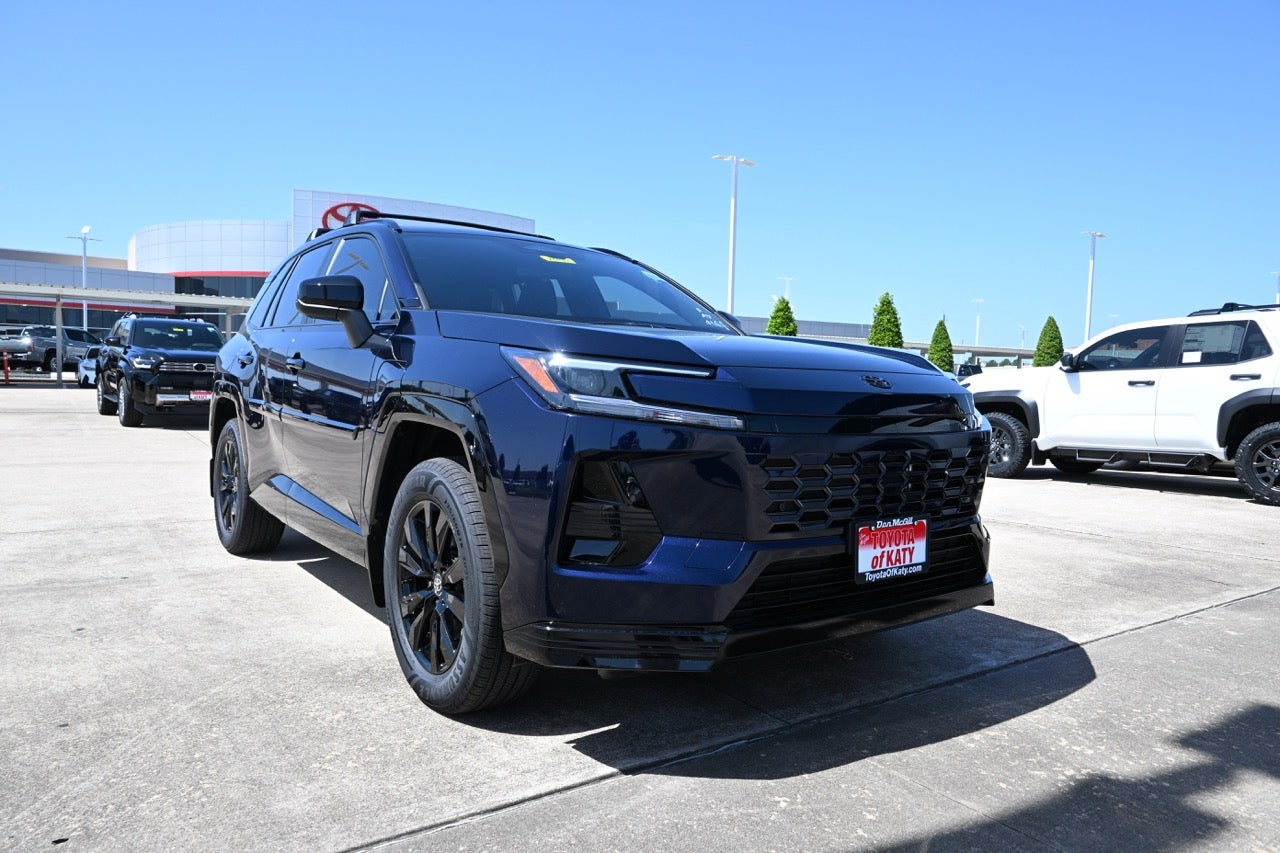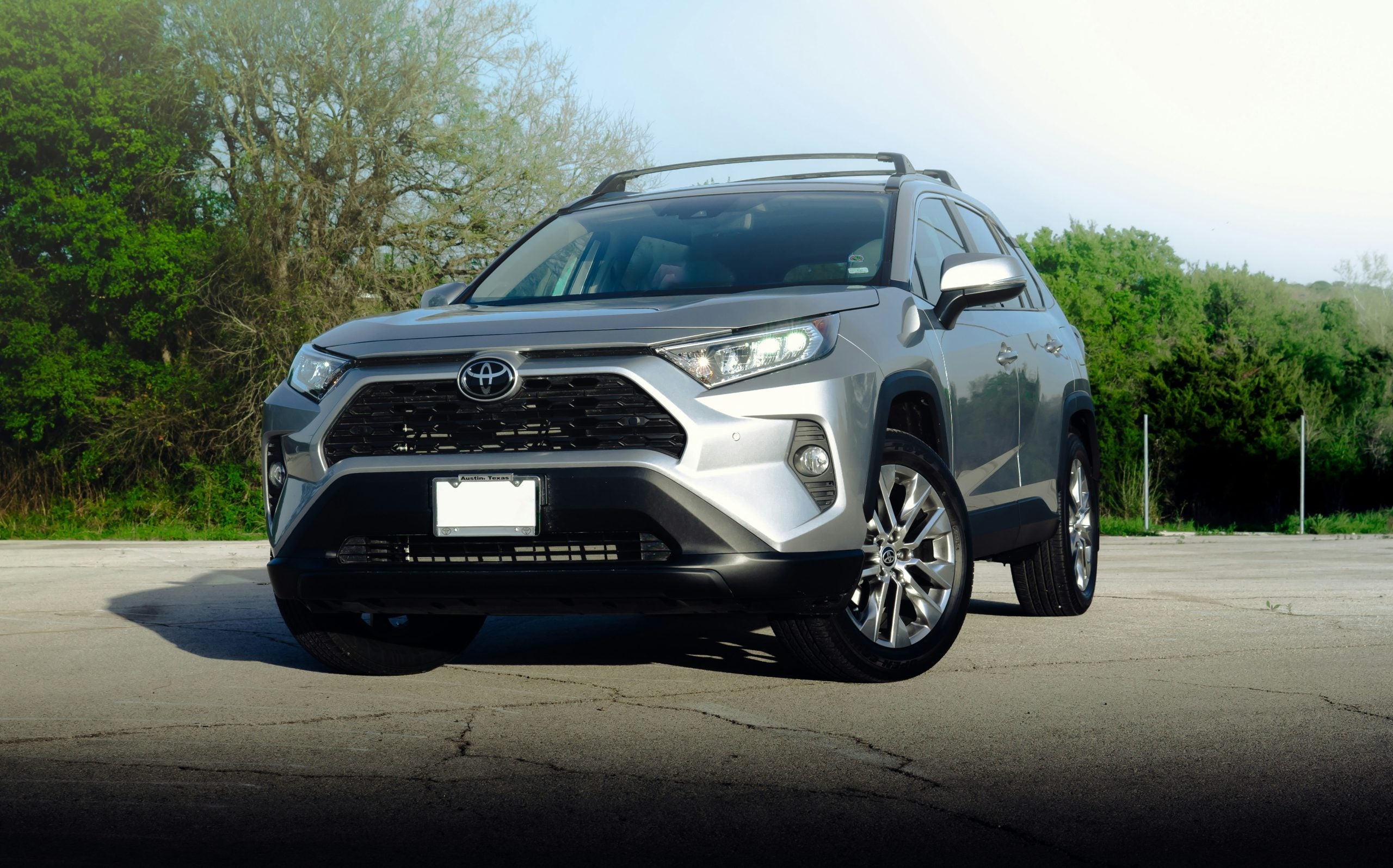


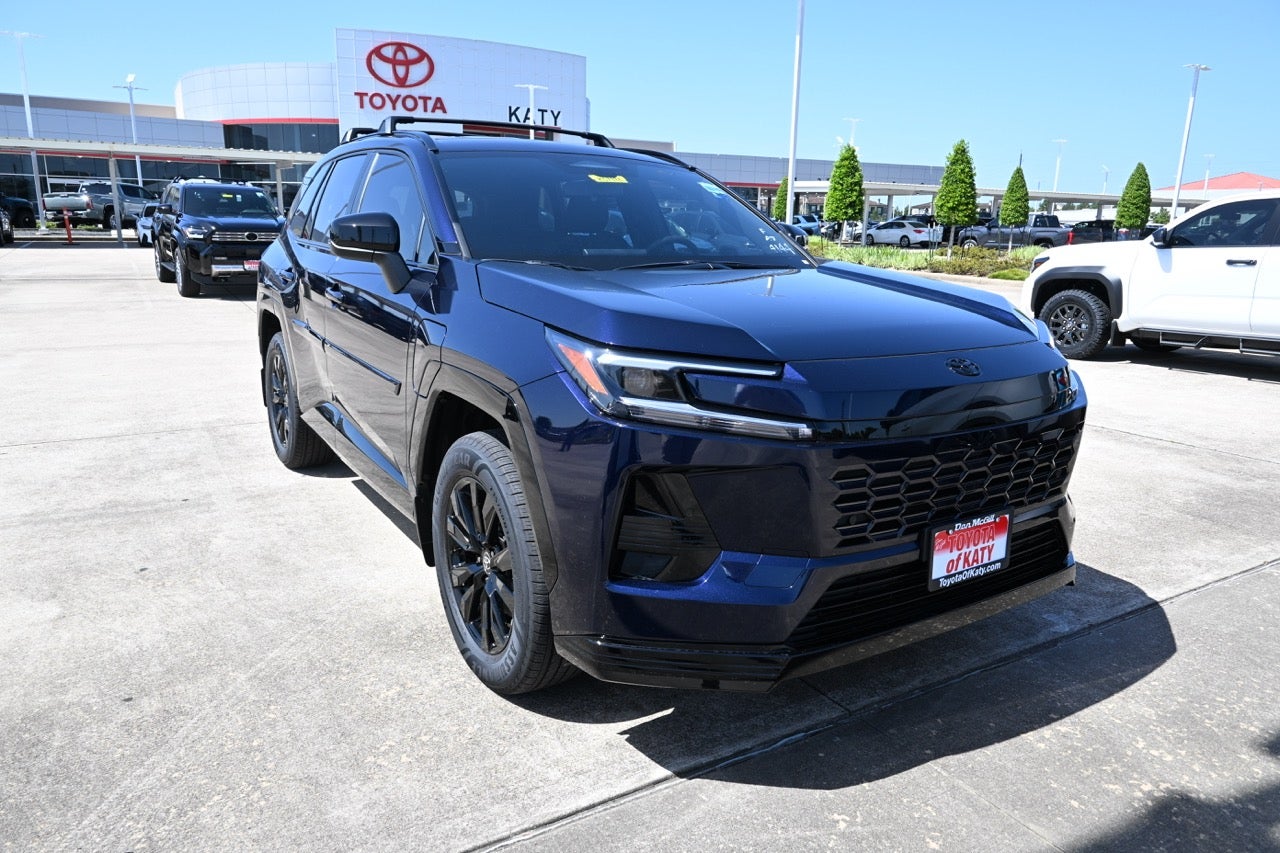
Cross the Katy Freeway on any given morning, and you'll spot RAV4 Hybrids and CR-V Hybrids everywhere. Both SUVs have earned their spots in West Houston driveways, but once you line up the specs, some meaningful differences emerge. Those differences matter whether you're commuting through the Energy Corridor during the week or hauling gear to Lake Conroe on the weekend. If you're shopping for a RAV4 Hybrid in Katy, you can browse our new Toyota RAV4 inventory, then see how it compares with Honda's hybrid crossover below.
RAV4 Hybrid vs. CR-V Hybrid: Comparing Katy's Favorite Hybrid SUVs
Both SUVs rank among the best-selling hybrids in the country, and it's easy to see why. They handle daily errands, school runs, and longer road trips without complaint. The two also represent different philosophies on hybrid technology: Honda leans toward an electric-forward driving feel, while Toyota's system focuses on overall efficiency and system power. Neither approach is wrong, but the differences matter once you factor in Katy's climate, commute distances, and towing needs.
Here's how the two line up on the numbers Katy shoppers ask about most.
Spec | RAV4 Hybrid | CR-V Hybrid |
Engine/Powertrain | Hybrid, CVT | Hybrid |
Drivetrain | FWD or AWD | 2WD or AWD |
Horsepower/Torque | 226 hp (FWD) / 236 hp (AWD) | 204 hp total system; 138 lb-ft engine / 247 lb-ft electric motor |
Fuel Economy (City/Hwy/Combined) | 47/40/43 (FWD); 46/39/42 to 43/37/41 (AWD) | 43/36/40 (2WD); 40/34/37 (AWD) |
Towing Capacity | Up to 3,500 lbs (AWD) | Up to 1,000 lbs |
Cargo Volume | 37.8 cu ft (behind 2nd row) | 36.3 cu ft (behind 2nd row) |
Fuel Economy: Which Hybrid Saves You More on Katy and Houston Commutes
Fuel economy is usually the first thing Katy shoppers ask about. The Katy Freeway carries roughly 219,000 vehicles a day across its 26 lanes, and a central Katy commute into downtown Houston can run 40 to 55 minutes during peak traffic. Anyone driving the Energy Corridor daily, even on a short 20 to 35-minute trip, burns through fuel quickly in stop-and-go traffic.
EPA MPG Ratings Side-by-Side
The 2026 estimates show a clear gap. The RAV4 Hybrid FWD earns 47 city, 40 highway, and 43 combined MPG, while RAV4 Hybrid AWD trims run from 46 city, 39 highway, and 42 combined down to 43 city, 37 highway, and 41 combined. Even the off-road-focused Woodland trim manages 41 city, 35 highway, and 38 combined MPG. The CR-V Hybrid earns 43 city, 36 highway, and 40 combined MPG in 2WD form, dropping to 40 city, 34 highway, and 37 combined MPG with AWD. The TrailSport AWD trim comes in lowest at 38 city, 33 highway, and 35 combined MPG.
Real-World Savings for Local Driving
That's roughly a 3 to 5 MPG advantage for the RAV4 Hybrid, and it holds at every level: front-drive against 2WD, AWD against AWD, and Woodland against TrailSport. That gap adds up over a year of Katy Freeway commuting. The RAV4 Hybrid's 14.5-gallon tank and roughly 620-mile range on regular 87-octane fuel also mean fewer stops on longer runs out toward the Hill Country, where the CR-V Hybrid's 14-gallon tank tops out at closer to 560 miles.
Performance, AWD, and Towing for Texas Roads and Weekend Trips
Power delivery differs noticeably between these two SUVs, and that gap gets relevant fast once towing or merging onto the highway near the Grand Parkway comes into play.
Horsepower and Handling Differences
The RAV4 Hybrid produces 226 hp in FWD form and 236 hp with AWD, paired with a CVT. Honda's setup is rated at 204 total system hp, with 138 lb-ft of engine torque and 247 lb-ft from the electric drive motor. That torque figure gives the CR-V the quick, electric-forward response Honda hybrids are known for at low speeds. The RAV4 Hybrid counters with 32 more system horsepower in AWD form, which is noticeable during highway passing and when merging onto I-10.
Towing Capacity Comparison
Towing is where these two really part ways. A properly equipped RAV4 Hybrid AWD can pull up to 3,500 lbs on the XLE Premium, SE, XSE, Woodland, and Limited, while the LE and the front-drive SE and XLE Premium are rated for 1,750 lbs. The CR-V Hybrid tops out at 1,000 lbs, with the non-hybrid gas CR-V rated slightly higher at 1,500 lbs.
For anyone towing a boat to Lake Conroe or pulling a small trailer, the RAV4 Hybrid is the more practical choice by a wide margin. If towing capability factors into your decision, it's worth checking financing options through the finance application before you shop.
Interior Comfort, Cargo Space, and Family-Friendly Features
Cargo space is split between the two. The RAV4 Hybrid offers 37.8 cubic feet behind the second row and 70.4 with the seats folded. The CR-V Hybrid comes in at 36.3 cubic feet behind the second row, or 34.7 cubic feet on the Sport Touring, and expands to 71.8 cubic feet with the second row folded. The 39.3 and 76.5 figures you'll see quoted belong to the gas CR-V, not the hybrid. So the RAV4 holds more for everyday loading with all five seats in use, while the CR-V edges ahead once you fold the rear seats. Where the CR-V clearly leads is rear legroom, at 41.0 inches against the RAV4's 37.8.
The packaging difference shows up elsewhere, too. The RAV4 Hybrid carries a temporary spare, while every CR-V Hybrid trim ships with a tire repair kit instead. Both vehicles seat five comfortably, so the choice often comes down to whether seats-up cargo room and a spare matter more to your household than rear legroom.
Technology and Safety: Driver-Assist Systems Compared
The RAV4 Hybrid comes with a 10.5-inch touchscreen standard on most trims, stepping up to a standard 12.9-inch display on the XSE and Limited, with 9-speaker JBL audio standard on the Limited. Wireless Apple CarPlay and Android Auto arrive standard across the entire RAV4 Hybrid lineup, as does a built-in Drive Recorder dash cam. Toyota Safety Sense 4.0 is standard on every trim, and Blind Spot Monitor with Rear Cross-Traffic Alert is standard across the lineup.
The CR-V Hybrid offers a 9-inch touchscreen across its lineup, with wireless CarPlay, Android Auto, and a wireless charging pad standard, plus a 10.2-inch digital instrument cluster on the TrailSport, Sport-L, and Sport Touring. Honda Sensing covers a lot of ground, though blind-spot monitoring and parking sensors are reserved for pricier trims.
On crash testing, the CR-V earned "Good" ratings from IIHS in the small overlap front and updated side tests but "Poor" in the updated moderate overlap front test, which kept it off the 2026 Top Safety Pick list. IIHS is still evaluating the redesigned 2026 RAV4, with results expected in fall 2026, and no Toyota SUV has earned a 2026 IIHS Top Safety Pick under the tougher new criteria. Neither SUV holds a 2026 award today, so this one is genuinely unsettled.
Reliability, Warranty, and Long-Term Ownership Costs
Warranty coverage is where the RAV4 Hybrid pulls ahead for long-term ownership. Toyota backs the hybrid battery for 10 years or 150,000 miles nationwide, with hybrid system components covered for 8 years or 100,000 miles. Honda covers the CR-V's high-voltage battery for 8 years or 100,000 miles, reaching 10 years or 150,000 miles only in states that follow California emissions rules. Texas is not one of them, so a Katy buyer gets two more years and 50,000 more miles of battery coverage with the RAV4. Both brands offer a 3-year/36,000-mile limited warranty and a 5-year/60,000-mile powertrain warranty.
ToyotaCare includes 2 years or 25,000 miles of maintenance plus 2 years of roadside assistance on 2026 models. Honda's program includes 1 year or 12,000 miles of maintenance, but its roadside assistance runs 3 years or 36,000 miles, genuinely outlasting ToyotaCare in that one respect. Both SUVs can reasonably clear 150,000 miles with proper care. Toyota of Katy's hybrid-capable service center handles both routine maintenance and hybrid-specific repairs, which matters no matter which system you're driving.
Pricing and Value: Which Hybrid SUV Is the Smarter Investment
Starting MSRP for the 2026 RAV4 Hybrid runs about $33,350 for the LE (including $1,450 destination) up to $44,750 for the Limited, with SE, XLE Premium, Woodland, and XSE trims filling in between. The CR-V Hybrid runs from about $35,630 for the Sport Hybrid to about $43,945 for the Sport Touring Hybrid, both including Honda's $1,395 destination charge, with the TrailSport at $40,195 delivered. That puts the RAV4 Hybrid roughly $2,300 under the CR-V Hybrid at the entry point. These figures are approximate and subject to change.
Resale value also favors the RAV4 Hybrid, which tends to hold more than 60% of its value after five years, compared to roughly 55-58% for the CR-V Hybrid. Lower entry pricing on base trims, stronger resale, and better fuel economy add up to a smarter long-term investment for many Katy drivers. You can compare trims and pricing across the full Toyota hybrid lineup for sale in Katy, including the RAV4 Hybrid and RAV4 Plug-in Hybrid models.
Which One Fits How You Actually Drive
Most Katy shoppers land on one of four priorities, so find yours below, and the answer usually sorts itself out.
Daily commuters on I-10 or the Energy Corridor will appreciate the RAV4 Hybrid's higher combined MPG and longer range, meaning fewer fuel stops over a typical work week.
Families who load the cargo area with all five seats in use will find more room in the RAV4 Hybrid, while the CR-V Hybrid is the better fit for rear-seat legroom and for hauling long items with the seats folded.
For weekend towing to Lake Conroe or hauling a small trailer, the RAV4 Hybrid's 3,500-lb towing capacity puts it in a different class than the CR-V's 1,000 lbs.
If longer roadside assistance coverage matters to you, Honda's 3-year/36,000-mile program outlasts ToyotaCare's 2-year term.
Frequently Asked Questions About the RAV4 Hybrid and CR-V Hybrid
How long does the RAV4 Hybrid battery last, and what's covered under warranty? Toyota covers the hybrid battery for 10 years or 150,000 miles nationwide, with other hybrid system components covered for 8 years or 100,000 miles. Honda covers the CR-V's high-voltage battery for 8 years or 100,000 miles, reaching 10 years or 150,000 miles only in California-emissions states, which Texas is not.
Does AWD matter for Texas storms? Both the RAV4 Hybrid AWD and CR-V Hybrid AWD improve traction in heavy rain, which matters during the Gulf Coast storm season. The RAV4 Hybrid AWD also raises towing capacity from 1,750 to 3,500 lbs on the SE and XLE Premium, though it costs about 1 MPG combined against the same trim in front-wheel drive.
Can either hybrid tow a boat? The RAV4 Hybrid AWD, properly equipped, can tow up to 3,500 lbs, enough for many smaller boats headed to Lake Conroe. The CR-V Hybrid's 1,000-lb rating limits it to very light trailers only.
Is there a plug-in version available? Toyota offers the RAV4 Plug-in Hybrid, which replaces the former Prime name and makes 324 net combined hp with up to 52 miles of electric range, giving shoppers who want more electric range and power an upgrade path within the RAV4 lineup. Honda does not currently offer a plug-in CR-V Hybrid.
Which has more cargo space? It depends on the seats. The RAV4 Hybrid leads behind the second row at 37.8 cubic feet against the CR-V Hybrid's 36.3, while the CR-V leads with the seats folded at 71.8 cubic feet against 70.4.
Which holds its value better? The RAV4 Hybrid tends to retain more than 60% of its value after five years, compared to about 55-58% for the CR-V Hybrid.
Explore the Toyota RAV4 Hybrid at Toyota of Katy Today
Weigh fuel economy, towing capacity, and hybrid battery warranty coverage together, and the RAV4 Hybrid comes out ahead for most Katy driving scenarios. Still, the CR-V Hybrid genuinely wins on rear legroom, seats-folded cargo volume, and roadside assistance length, so your priorities should decide this one as much as the numbers do.
Schedule Your Test Drive
As Katy's longtime volume-leading certified Toyota dealer, we're glad to walk you through trims, financing, and current inventory in person. Contact us online to schedule a test drive and see which hybrid actually fits your commute and your driveway.