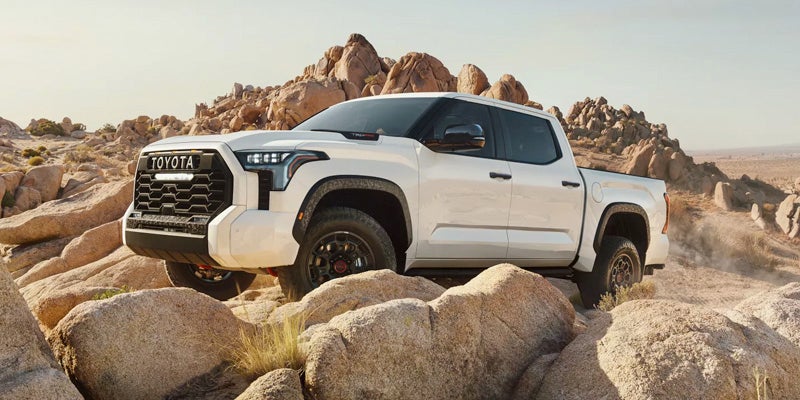
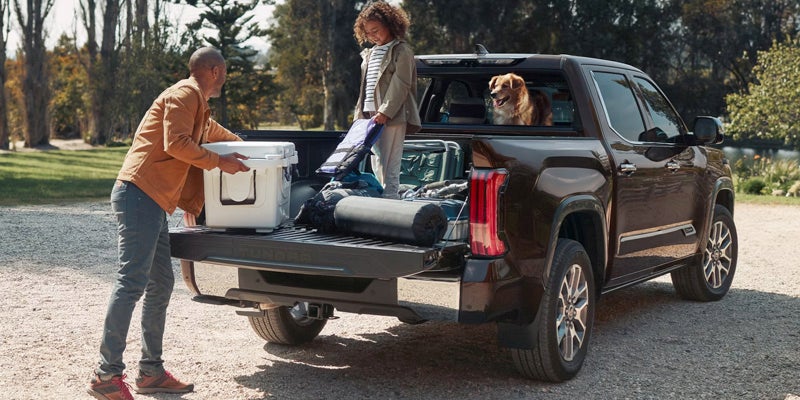
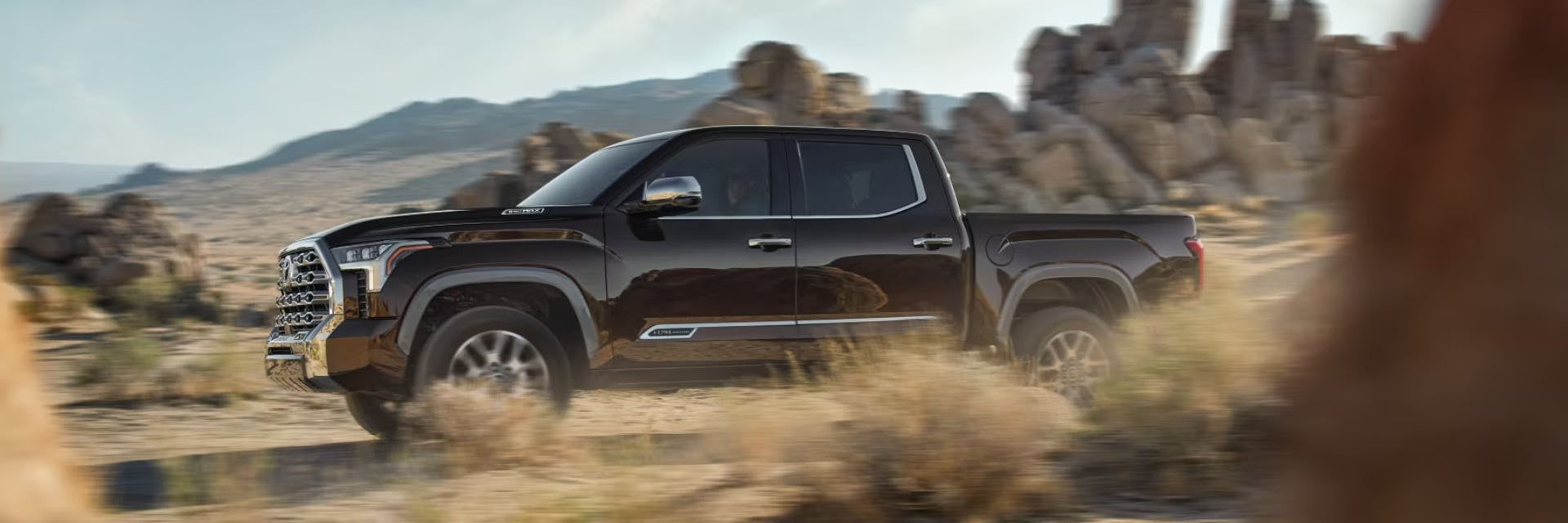
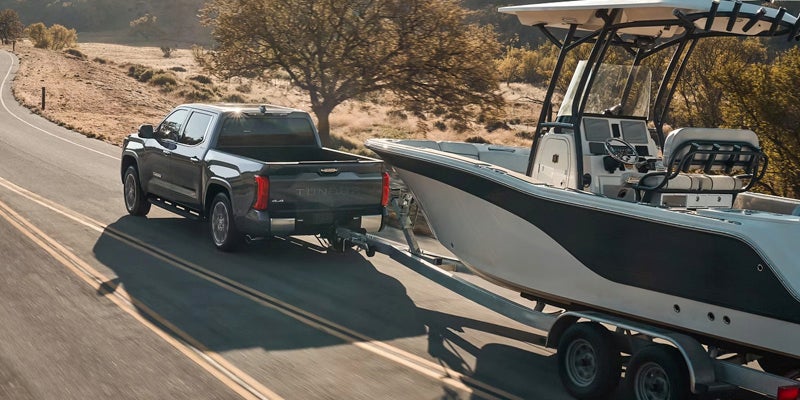
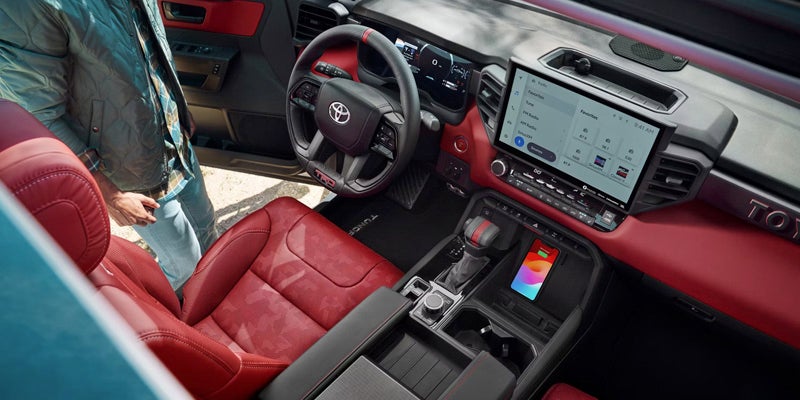
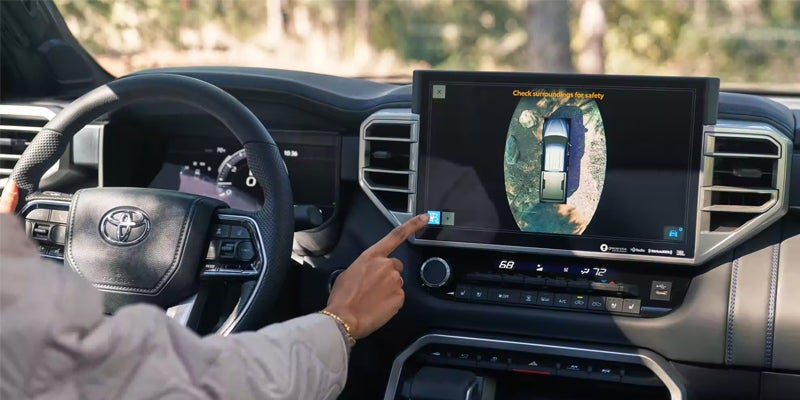
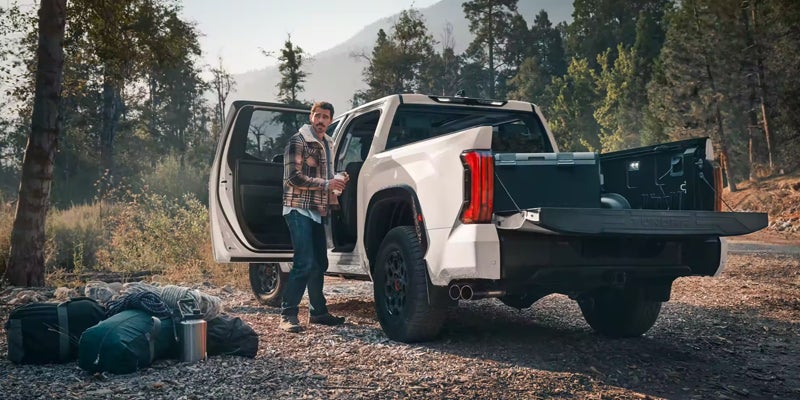
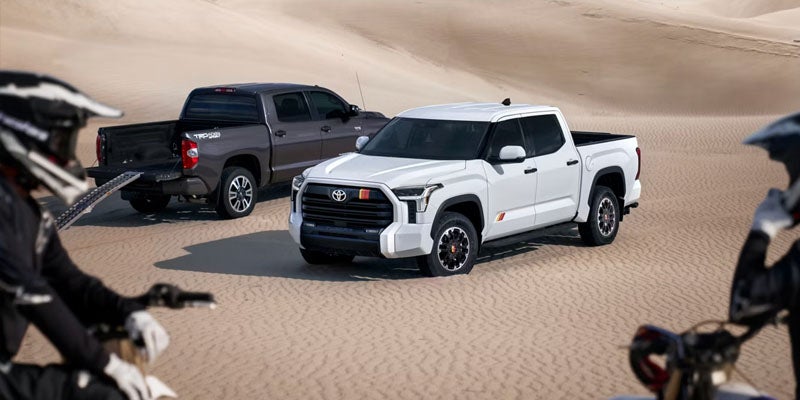
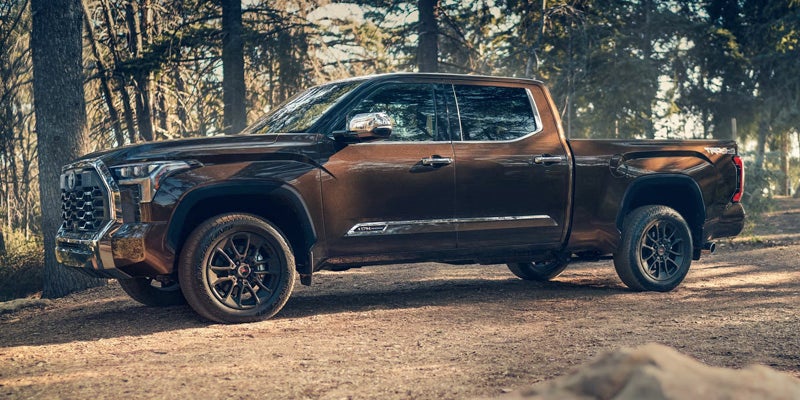
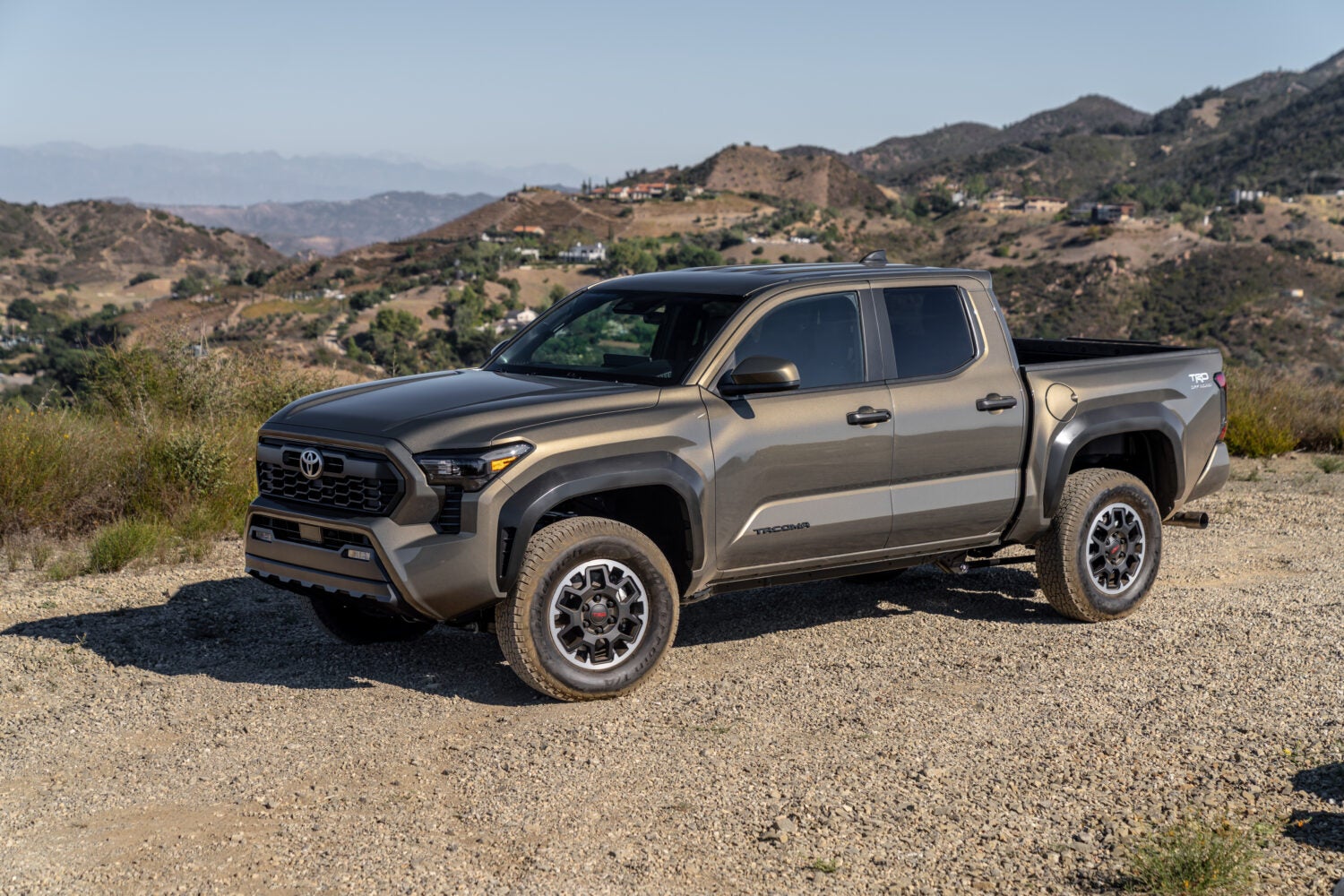
Picking between the Tacoma and Tundra usually comes down to one question: do you need a truck that fits easily into daily life around Katy, or one built to move serious weight? Both are capable Toyota trucks, but they solve different problems. This guide compares their size, towing, power, fuel economy, and pricing so you can choose the truck that fits how you actually drive, work, and play. Tacoma vs Tundra: Which Toyota Truck Matches Your Needs in Katy? The Tacoma makes sense if you want a mid-size truck that's easier to maneuver and more efficient for everyday driving. The Tundra makes more sense when heavy towing, additional cabin space, or a larger bed is part of your routine. Drivers commuting through Katy or the Energy Corridor may appreciate the Tacoma's smaller footprint when parking and navigating busy streets. Families towing boats to Lake Conroe or workers regularly moving equipment may get more value from the Tundra's additional capacity. The key is matching the truck to what you actually need rather than simply choosing the larger model. If you want to compare current availability while you read, browse our new Toyota inventory at Toyota of Katy. Size and Dimensions: Comparing the Tacoma and Tundra The Tundra is a full-size pickup, while the Tacoma is a mid-size truck. That distinction affects more than appearance. It can change how easily the truck fits into a garage, how comfortable the cabin feels with passengers, and how much room you have for cargo. Exterior Size and Maneuverability Around Katy The Tacoma's smaller footprint gives it an advantage when maneuverability matters. It's easier to work into tighter parking spaces and can feel less cumbersome in crowded shopping centers or older parts of town. The Tundra is wider and substantially larger overall. That added size can make parking and tight turns require more attention, but it also contributes to the truck's larger cabin, greater cargo capacity, and heavier-duty capability. For drivers who spend more time towing or hauling than squeezing into tight parking spaces, that tradeoff may be worthwhile. Cabin Space, Legroom, and Bed Configurations The Tundra offers more interior space, making it the better choice if you regularly carry adults in the second row or take longer family trips. The Tacoma can still accommodate passengers comfortably, but its mid-size dimensions make it easier to live with if maximum cabin space isn't a priority. Bed configurations also differ. The Tacoma offers 5-foot and 6-foot bed options, while the Tundra is available with 5.5-foot, 6.5-foot, and 8.1-foot beds. That extra bed capacity can matter when you're regularly hauling lumber, landscaping equipment, furniture, or other bulky cargo. In practical terms, the Tacoma gives you a more manageable truck for everyday driving, while the Tundra gives you more room to work with when passenger and cargo demands increase. Towing and Payload: How Much Can Each Truck Handle? This is where the difference between the two trucks becomes most obvious. The 2026 Tacoma can tow up to 6,500 pounds and carry up to 1,705 pounds of payload, while the 2026 Tundra reaches up to 12,000 pounds of towing capacity. Spec Tacoma Tundra Powertrain 2.4L turbo or available i-FORCE MAX hybrid i-FORCE twin-turbo V6 or available i-FORCE MAX hybrid Max Horsepower 326 hp with i-FORCE MAX 437 hp with i-FORCE MAX Max Torque 465 lb-ft with i-FORCE MAX 583 lb-ft with i-FORCE MAX Max Towing Up to 6,500 lbs. Up to 12,000 lbs. Max Payload Up to 1,705 lbs. Up to 1,850 lbs.* Bed Lengths 5 ft. / 6 ft. 5.5 ft. / 6.5 ft. / 8.1 ft. Transmission 8-speed automatic or available 6-speed manual 10-speed automatic *Maximum payload varies by configuration. Always verify the specific vehicle's published ratings before towing or hauling. Max Towing Capacity by Powertrain The Tundra has a substantial advantage when towing is a major part of your routine. It's available with a 12,000-pound maximum, which gives it significantly more capacity for larger boats, campers, trailers, and work equipment. The available i-FORCE MAX hybrid produces 437 horsepower and 583 lb-ft of torque, giving the Tundra strong low-end pulling power. The Tacoma's 6,500-pound maximum is much lower, but that doesn't make it inadequate for lighter towing. A smaller boat, utility trailer, recreational equipment, or weekend project may fit comfortably within the Tacoma's capabilities. The important question is how much you tow and how frequently you do it. Payload Ratings for Work and Recreation Payload is closer between the two trucks than towing capacity, but the Tundra still has the edge. If you're routinely carrying heavy tools, materials, equipment, or other cargo in the bed, the Tundra gives you more capacity to work with. For occasional hauling, however, the Tacoma's payload rating is substantial for a mid-size pickup. If most of your truck use involves commuting during the week and smaller projects on weekends, you may not need the Tundra's additional capability. Powertrain, Performance, and Fuel Economy The Tundra produces more power, while the Tacoma's smaller size and available hybrid powertrain make it appealing for drivers who don't need full-size truck capability every day. Engine Options and Horsepower Compared The Tacoma uses a 2.4-liter turbocharged four-cylinder engine producing up to 278 horsepower and 317 lb-ft of torque. The available i-FORCE MAX hybrid increases output to 326 horsepower and 465 lb-ft of torque. Toyota also offers a six-speed manual transmission on select Tacoma configurations. The Tundra starts with a twin-turbo V6 producing up to 389 horsepower and 479 lb-ft of torque. The available i-FORCE MAX hybrid increases output to 437 horsepower and 583 lb-ft. Both Tundra powertrains use a 10-speed automatic transmission. That difference is noticeable if you're towing or carrying substantial weight. For drivers who primarily commute and use their truck for everyday errands and lighter jobs, the Tacoma's powertrain offers plenty of capability without the need to step up to a full-size pickup. Fuel Efficiency for Katy Commuters and Highway Drivers The Tacoma generally has the fuel-economy advantage, particularly when compared with a full-size Tundra. The 2026 Tacoma's available i-FORCE MAX hybrid is rated at up to 23 mpg combined, while certain gas configurations reach 26 mpg on the highway. The 2026 Tundra's gas models are rated at 18 mpg city and 23 mpg highway in their most efficient configurations, while available i-FORCE MAX models improve efficiency compared with the standard gas powertrain. For someone driving the Katy Freeway every day, fuel economy can become a meaningful ownership consideration. If your driving is mostly commuting with occasional towing, the Tacoma can make more sense. If you're regularly pulling a trailer or carrying heavy loads, the Tundra's additional capability may be worth the tradeoff. Everyday Usability: Commuting, Hauling, and Weekend Trips The Tacoma is the easier truck to justify when everyday driving is the priority. Its smaller dimensions can make parking and maneuvering less stressful, while its fuel economy is better suited to a commute-heavy routine. It can still handle weekend trips, home-improvement projects, recreational gear, and lighter towing. The Tundra becomes more compelling when your truck needs to do more than commute. Its larger cabin is better suited to families and passengers, while its towing and bed capacity provide more flexibility when you're hauling substantial loads. One thing we hear from truck shoppers is that the decision isn't always about which truck is more capable. It's about whether you will actually use that extra capability. If you don't regularly tow or haul heavy loads, the Tacoma may give you everything you need without adding the size of a full-size pickup. Off-Road and Work-Ready Capability Both trucks offer serious off-road equipment, but they approach the job differently. The Tacoma's smaller size makes it particularly well-suited to tight trails, while the Tundra combines off-road equipment with full-size towing and hauling capability. The Tacoma TRD Off-Road offers equipment such as Bilstein shocks, Crawl Control, Multi-Terrain Select, and an available electronically locking rear differential. The TRD Pro and Trailhunter take things further with specialized suspension and off-road hardware. Toyota's 2026 Tacoma Trailhunter, for example, uses Old Man Emu 2.5-inch forged monotube shocks and 33-inch all-terrain tires. The Tundra also offers TRD Off-Road and TRD Pro configurations with equipment designed for more demanding terrain. The TRD Pro combines that off-road capability with substantially greater towing capacity than the Tacoma, making it a better fit for someone who wants a single truck to handle both serious trail use and heavy towing. Pricing and Long-Term Value Considerations The Tacoma has a lower starting price, with the 2026 model beginning at $32,545 before destination and other charges. The 2026 Tundra starts at $41,260. That price difference reflects more than the badge. The Tundra is a larger, more powerful full-size truck with substantially greater towing capacity and additional interior and cargo space. The Tacoma costs less to get into and may be the better value if you don't need those extra capabilities. In other words, don't automatically assume the more expensive truck is the better choice. The right truck is the one whose capability matches your actual needs. Which Toyota Truck Fits Your Katy Lifestyle? If you're commuting from Katy to the Energy Corridor most weekdays, handling errands around town, and occasionally towing a smaller trailer for weekend recreation, the Tacoma is likely the better fit. It's easier to maneuver, more efficient, and still offers meaningful towing and off-road capability. If you're regularly towing a larger boat or camper, hauling equipment, carrying a full crew, or simply want the additional space of a full-size pickup, the Tundra makes more sense. Its higher towing capacity, larger cabin, and bigger bed give you considerably more room to work with. Choose the Tacoma for Daily Driving and Versatility The Tacoma is a strong choice for drivers who want a truck that can handle the commute, errands, weekend projects, and recreational trips without the size of a full-size pickup. It's particularly appealing if maneuverability and fuel economy matter as much as towing capacity. Choose the Tundra for Maximum Power and Space The Tundra is the better choice when towing, hauling, passenger space, or bed capacity are high on your list. Its larger dimensions come with a substantial increase in capability, making the additional size easier to justify for drivers who regularly put their truck to work. If you're leaning toward the Tundra, browse Tundra inventory at Toyota of Katy to see current trim availability. You can also explore financing options to compare what the two trucks could look like within your budget. Test Drive the Tacoma or Tundra at Toyota of Katy Numbers on a spec sheet only tell part of the story. Driving both trucks is the easiest way to understand the difference in size, seating position, ride, visibility, and overall feel. We're located at 21555 Katy Fwy, Katy, TX 77450, and our team can walk you through the differences between the Tacoma and Tundra based on how you plan to use your truck. If you're ready to compare them side by side, contact Toyota of Katy online to schedule a test drive, or stop by to see the Tacoma and Tundra lineups in person.